Spar Vs Polyurethane: Which Finish is Best for You?
Imagine you’re standing in the paint aisle, staring at countless cans, feeling overwhelmed by choices. You’re not alone.
When it comes to finishing wood, deciding between spar varnish and polyurethane can be a real head-scratcher. Which one should you pick to protect your treasured pieces? This decision isn’t just about looks; it’s about ensuring the longevity and durability of your woodwork.
Let’s cut through the confusion. Choosing the right finish can transform your wood from ordinary to extraordinary, while also shielding it from wear and tear. You’ll discover how each option uniquely serves your needs, whether you’re working on a cherished family heirloom or a new DIY project. Dive in, and you’ll be empowered to make the choice that’s perfect for you and your creations.
:max_bytes(150000):strip_icc()/what-is-varnish-5219382-final-769e617c97924959b047d49b97c62bae.png)
Credit: www.thespruce.com
Spar Varnish Essentials
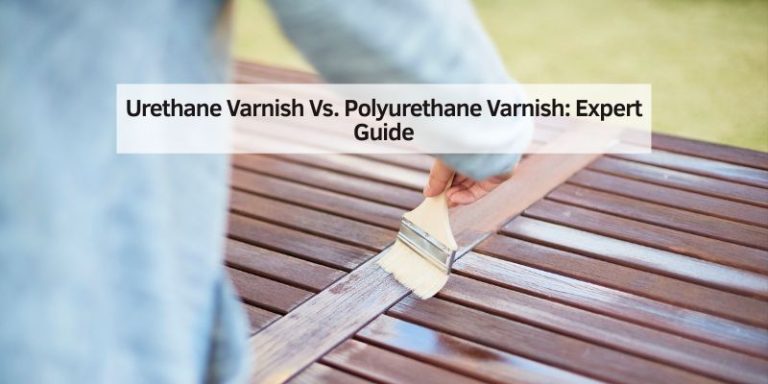
Spar varnish is made from oil, resin, and solvents. It has a thick and smooth texture. Its surface shines and looks glossy. Spar varnish is flexible and bends easily. It can stretch with wood movements. This helps prevent cracks.
Spar varnish is used for boats, decks, and outdoor furniture. It protects wood from water and sun damage. Spar varnish is ideal for surfaces exposed to weather. It is often applied on wooden railings.
Spar varnish lasts long under harsh conditions. It resists water and UV rays. It keeps wood safe from rain and sun. Spar varnish retains its shine over time. It is perfect for outdoor use.
Credit: sawsonskates.com
Polyurethane Basics
Polyurethaneis a strong and flexible material. It’s made from a mix of chemicals. This mix makes it both hard and soft. There are two main types: thermoplasticand thermoset. Thermoplastic can be melted and shaped. Thermoset stays solid once set. Both types are useful in different ways.
Polyurethane is used in many places. You find it in foam cushionsand car parts. It also makes strong coatingsfor floors. People use it to make insulation too. It’s important in making clothingand shoes. Its flexibility makes it very useful.
Polyurethane is very durable. It lasts a long time. It also resists water well. This makes it good for outdoor use. But it can be harmed by sunlight. Long sun exposure makes it crack. It can also be expensive. So, while strong, it has limits.
Comparative Analysis
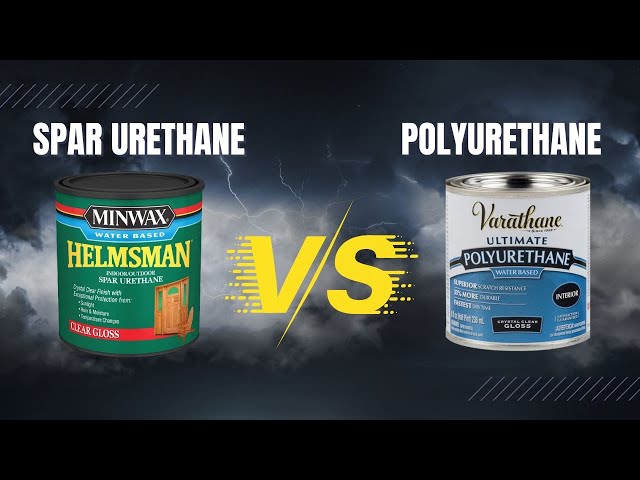
Spar varnishis easy to apply with a brush or roller. It takes longer to dry. Polyurethanecan be brushed or sprayed. It dries faster. Both need clean surfaces. Both need multiple coats for a smooth finish.
Spar varnish gives a warm, glossy look. It enhances wood’s natural beauty. Polyurethane offers a tough, clear finish. It’s often shinier. Both can be found in different sheens. You can choose matte, satin, or gloss.
Spar varnish is good for outdoor use. It handles sun and rain well. Polyurethane is better indoors. It resists scratches and spills. Both need maintenance over time. Regular care keeps them looking nice.
Credit: www.youtube.com
Environmental Considerations
Spar varnishis made from natural oils. It’s better for the earth. Many people choose it for its eco-friendlynature. It breaks down easily in the ground.
Polyurethaneis made from chemicals. It lasts longer but can hurt the earth. It does not break down easily. Some types are better for nature than others.
Indoor air quality matters. Spar varnish gives off fewer fumes. It’s safer to breathe. Great for homes with kids.
Polyurethane can give off strong fumes. It might make the air bad. Some types smell less. Choose wisely for better air.
Cost Implications
Spar varnish often costs less at the start. Polyurethane can be pricier. Choosing spar varnish means you spend less money first. Polyurethane might need a bigger budget. This matters if money is tight. Both can protect wood well, but money changes decisions.
Spar varnish needs more regular upkeep. This means cleaning and reapplying often. Polyurethane stays strong longer. Less work is needed over time. You might save money with polyurethane. But remember, spar varnish might need extra care. Each choice affects long-term costs differently.
Choosing The Right Finish
Consider the project needs first. Spar varnish works well outdoors. It fights rain and sun. Polyurethane is strong indoors. It protects wood floors. Think about where you use the finish.
Glossy look or matte finish? Spar varnish offers a soft shine. Polyurethane can be very shiny. Some people love the shine. Others prefer less shine. Both finishes come in different types. Choose based on your style.
Experts suggest spar for boats and doors. Polyurethane for tables and cabinets. Spar is flexible. Polyurethane is hard and tough. Listen to experts for best results. They know these finishes well. Their advice can help you decide.
Frequently Asked Questions
What Is Spar Varnish Used For?
Spar varnish is ideal for outdoor applications. It provides protection against moisture, UV rays, and temperature changes. This makes it a popular choice for marine and exterior wood surfaces. Its flexibility prevents cracking, ensuring long-lasting protection.
How Does Polyurethane Differ From Spar Varnish?
Polyurethane offers a hard, durable finish ideal for indoor use. It provides excellent resistance to chemicals and abrasions. Unlike spar varnish, it’s less flexible but offers a smoother finish. It’s best for furniture, floors, and cabinetry.
Is Spar Varnish Better For Outdoor Projects?
Yes, spar varnish is better for outdoor projects. Its formulation is designed to withstand harsh weather conditions. It offers protection against water, sun, and temperature fluctuations. This makes it perfect for decks, boats, and outdoor furniture.
Can Polyurethane Be Used On Outdoor Furniture?
Polyurethane is not recommended for outdoor furniture. It lacks the flexibility to withstand weather changes. Spar varnish is better for outdoor use due to its protective properties. Polyurethane is best suited for indoor projects.
Conclusion
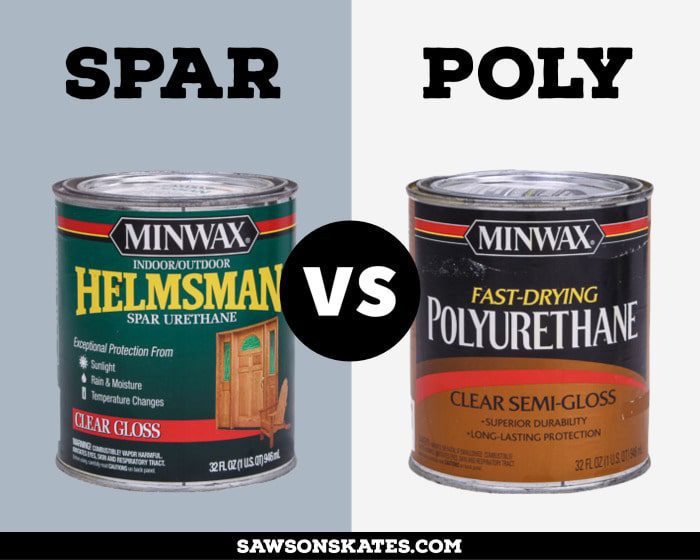
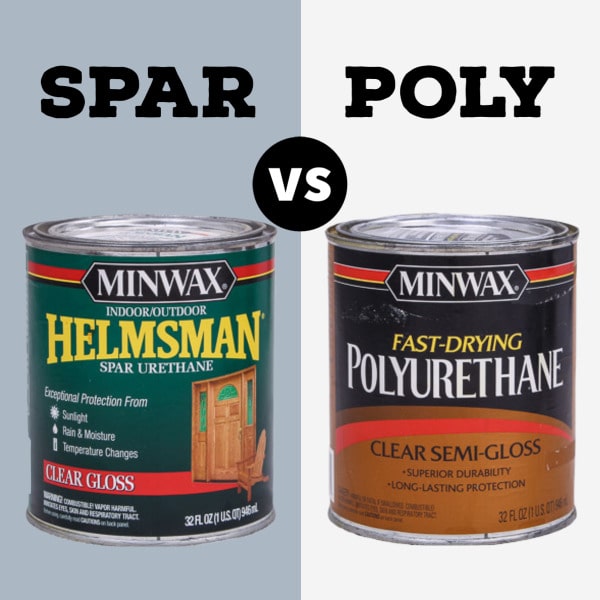
Choosing between Spar and Polyurethane depends on your specific needs. Spar varnish offers excellent UV protection. Ideal for outdoor projects. Polyurethane provides a strong, durable finish. Best for indoor use. Each has its strengths. Consider the environment of your project.
Evaluate the ease of application too. These factors help decide the best finish for your project. Ultimately, both finishes can protect and enhance wood. Your choice reflects the conditions and requirements of your work. With this guide, make an informed decision.
Enjoy the lasting beauty and protection your chosen finish provides.