Super Glue Versus Gorilla Glue: Which is Stronger?
Imagine you’re in the middle of a DIY project, and a crucial piece snaps apart. You need a quick fix, but with so many glue options out there, which one should you trust?
Super Glue and Gorilla Glue are two popular choices that often come up. Each claims to be the best, but how do you decide which is right for your needs? This decision isn’t just about sticking things together; it’s about choosing the glue that fits your project perfectly.
You want a solution that won’t let you down, one that delivers on its promises. Dive into this article, and you’ll discover the differences between these two adhesive giants. You’ll learn which one offers the strength, versatility, and reliability you truly need. Don’t leave your project to chance—find out which glue is the real hero for your DIY adventures.
Glue Basics
Choosing the right adhesive can be tricky. Super Glue bonds instantly but is less durable. Gorilla Glue expands as it cures, making it ideal for larger, uneven surfaces. Each serves different needs, so consider the materials and the project’s demands.
Composition Differences
Super Glue is made from cyanoacrylate. It dries quickly and forms strong bonds. Gorilla Glue uses polyurethane. It needs moisture to activate. Gorilla Glue expands as it dries. It fills gaps well. Super Glue is best for smooth surfaces. Gorilla Glue works on rough surfaces.
Types Of Surfaces
Super Glue sticks well to plastic, metal, and glass. It is not good for porous surfaces. Gorilla Glue can bond with wood, stone, and foam. It handles porous surfaces easily. Choose glue based on the surface type. Each glue has strengths and weaknesses. Super Glue is fast; Gorilla Glue is durable.

Credit: www.youtube.com
Strength Comparison
Super Glue is known for its fast bonding. It sticks almost instantly. But, it might not last long under stress. Gorilla Glue, on the other hand, takes longer to dry. Yet, it forms a stronger bond over time. It can handle more pressure and force. This makes it good for tough jobs. Gorilla Glue is often waterproof. So, it stays strong even in wet conditions.
Both glues perform differently under pressure. Super Glue excels in tensile strength. It can hold things together well when pulled apart. Gorilla Glue offers better shear strength. It handles forces that try to slide surfaces past each other. Choose Super Glue for light tasks. Use Gorilla Glue for heavy-duty projects. Each glue has unique strengths.
Application Scenarios
Super glue is best for indoor projects. It works well on small repairs. This glue dries quickly. It’s not good for big outdoor tasks. It can break in the rain or sun. Gorilla glue is better for outdoor projects. It is strong and weather-resistant. It bonds well to wood, metal, and stone. This makes it great for outdoor repairs.
Super glue needs a dry and warm placeto work well. It struggles in high humidity. The glue can take longer to dry. Gorilla glue can handle extreme temperatures. It works in both cold and heat. It also works well in humid conditions. This makes it more versatile. Choose based on your environment.
Credit: m.youtube.com
Safety Considerations
Choosing between Super Glue and Gorilla Glue requires understanding their safety considerations. Super Glue bonds quickly but can irritate skin and eyes. Gorilla Glue expands as it cures, requiring careful application to avoid spills. Both glues should be used in well-ventilated areas to prevent inhaling fumes.
Handling Precautions
Always wear gloves when using glue. It protects your skin. Super Glue can bond skin in seconds. Gorilla Glue can expand and become sticky. Ventilate the area. Open windows or use a fan. Glue fumes can be harmful. Keep glue away from eyes. Wash hands after using glue. Do not eat or drink near glue. It might get in your mouth.
Potential Health Risks
Glue fumes can cause headaches. They can make you feel sick. Super Glue can cause skin irritation. Gorilla Glue can cause allergic reactions. If glue gets in eyes, rinse them. Use clean water. If glue is swallowed, contact a doctor. Keep glue out of reach of children. Store glue safely.
Choosing The Right Glue
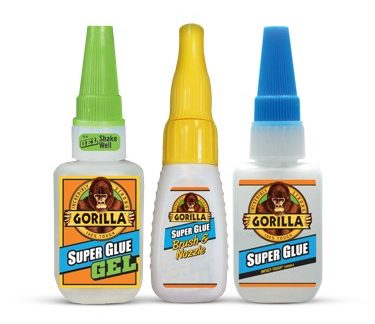
Super Glue is great for tiny fixes. It dries very fast. This makes it perfect for quick jobs. It works best on small surfaces.
Gorilla Glue is tough and long-lasting. It is ideal for outdoor projects. It can handle water and heat. Use it on big surfaces.
Think about your project needs. Do you need a fast fix or a strong hold? Choose the glue that fits the job. This helps to avoid mistakes.
Credit: gorillatough.com
Frequently Asked Questions
What Is The Difference Between Super Glue And Gorilla Glue?
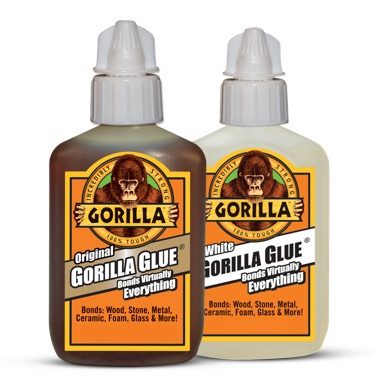
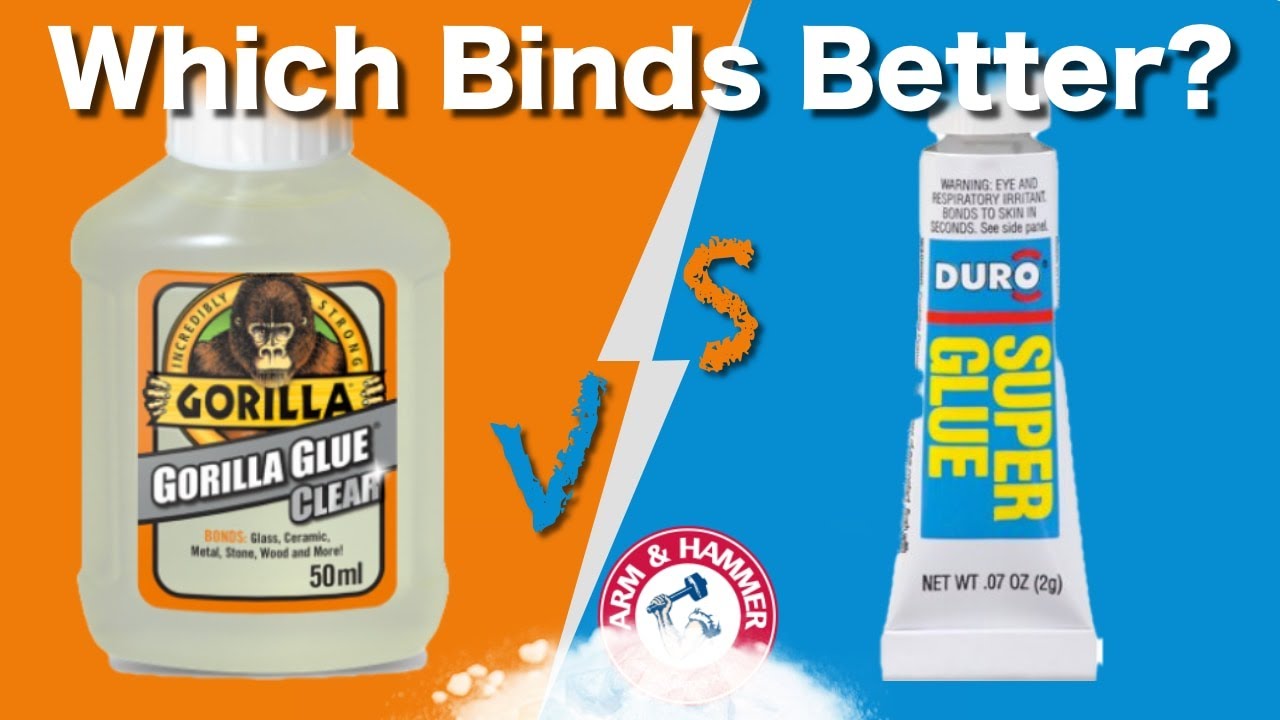
Super Glue is a cyanoacrylate adhesive, ideal for non-porous surfaces. Gorilla Glue is a polyurethane adhesive, expanding as it cures, suitable for porous materials. Both offer strong bonds but differ in application and curing process. Choose based on your project’s specific needs.
Which Glue Is Stronger For Wood Projects?
Gorilla Glue is stronger for wood projects due to its polyurethane formulation. It expands during curing, filling gaps and creating a robust bond. Super Glue works well on non-porous materials but isn’t ideal for wood. Gorilla Glue’s expansion helps in achieving a secure attachment.
Can Super Glue Be Used On Metal Surfaces?
Yes, Super Glue can be used on metal surfaces. It forms a strong bond on non-porous materials like metal. Ensure surfaces are clean and dry for optimal adhesion. It sets quickly, providing a durable bond, making it suitable for small metal repairs.
Is Gorilla Glue Waterproof?
Yes, Gorilla Glue is waterproof once cured. Its polyurethane formula withstands exposure to moisture and water. Ideal for outdoor projects or items frequently exposed to wet conditions. Ensure it is fully cured for maximum waterproofing effectiveness.
Conclusion
Choosing between Super Glue and Gorilla Glue can be tricky. Both have strengths. Super Glue works fast and is great for small fixes. Gorilla Glue is strong and good for bigger projects. Think about what you need. Consider the materials you’re joining.
Keep the environment in mind. Are you working indoors or outdoors? Each glue has unique features. They suit different tasks. Knowing which to pick makes your project easier. Better results, too. So, next time you’re fixing something, remember these tips.
Make a smart choice and enjoy your DIY projects!