Teak Vs Bamboo: Ultimate Guide to Eco-Friendly Choices
Are you torn between choosing teak or bamboo for your next furniture or flooring project? You’re not alone.
It’s a choice that can dramatically impact the style, durability, and even the eco-friendliness of your home. Imagine stepping into a space that not only looks stunning but also tells a story about your values and lifestyle. Teak and bamboo are two popular materials, each with its own unique benefits and drawbacks.
Teak is celebrated for its rich appearance and incredible durability, while bamboo stands out for its sustainability and modern appeal. But how do you decide which is right for you? This article will guide you through the essential differences between teak and bamboo, providing insights that make your decision easier and more informed. You’ll discover the hidden secrets behind these materials and how they align with your personal preferences and environmental considerations. Keep reading to find out which one will be the perfect fit for your home and lifestyle.
Teak: Strength And Durability
Teak is known for its natural resilience. It can withstand harsh weather. Rain and sun do not harm it. This wood has natural oils. These oils protect it from rot. Bugs stay away from teak. It is strong and long-lasting.
Teak requires low maintenance. It lasts for many years. Cleaning teak is easy. Use a cloth and mild soap. Its color stays rich over time. Teak doesn’t crack easily. It is a smart choice for outdoor use.
Teak is great for furniture and construction. Many people use it for tables and chairs. It is also used for boats. Teak’s strength makes it perfect for heavy-duty projects. It adds beauty and style to any space.
Bamboo: Versatility And Sustainability
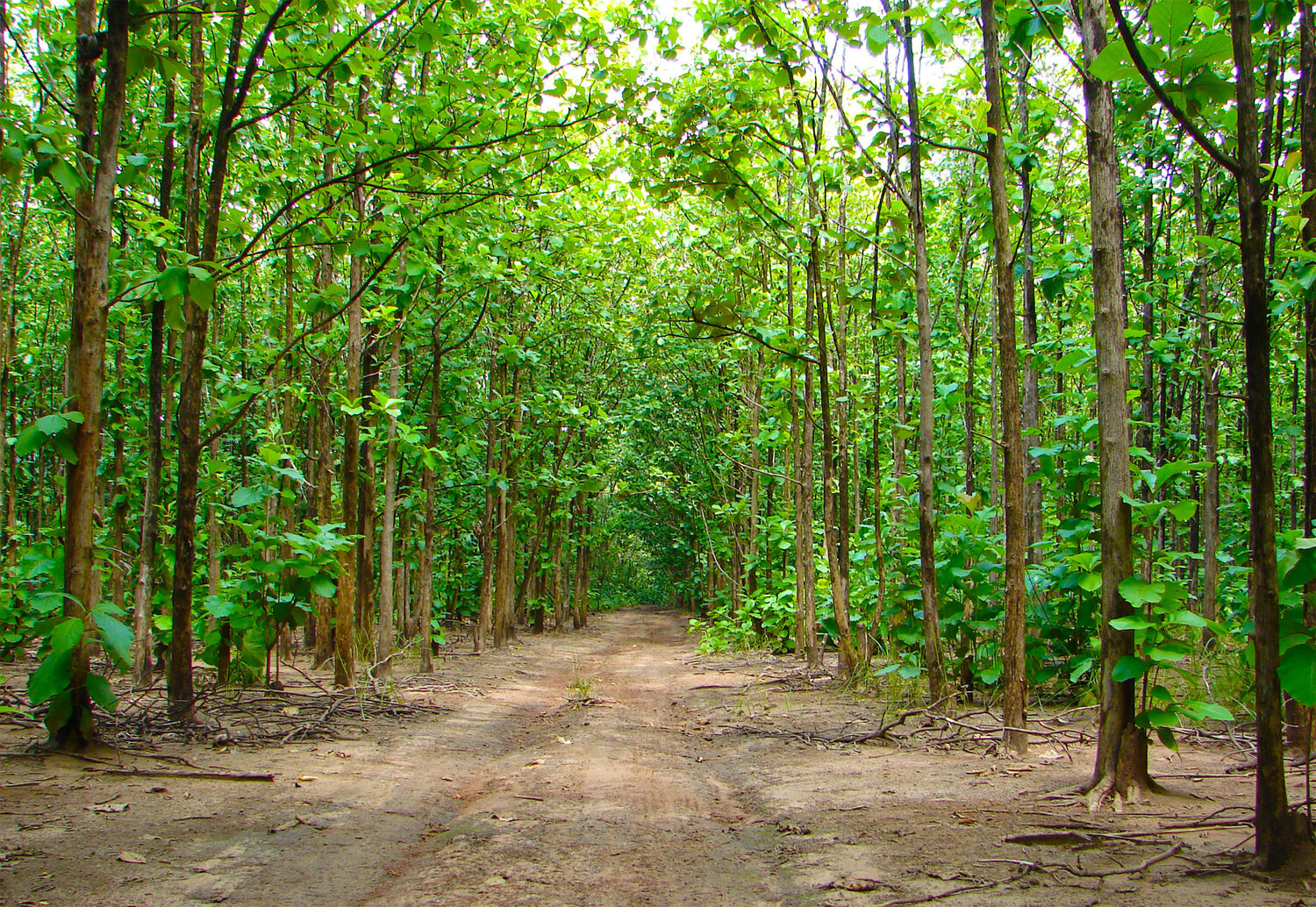
Bamboo grows fast. It can reach full size in just a year. Many types of bamboo are found all over the world. After cutting, bamboo regrows quickly. Farmers can harvest bamboo many times a year. This makes bamboo a renewable resource. With its fast growth, bamboo helps reduce deforestation.
Bamboo absorbs more carbon dioxide than other plants. It releases oxygen into the air. This improves air quality. Bamboo helps prevent soil erosion. Its roots hold the soil together. Bamboo can grow without pesticides. This means fewer chemicals harm the earth. Its environmental benefits make bamboo a green choice.
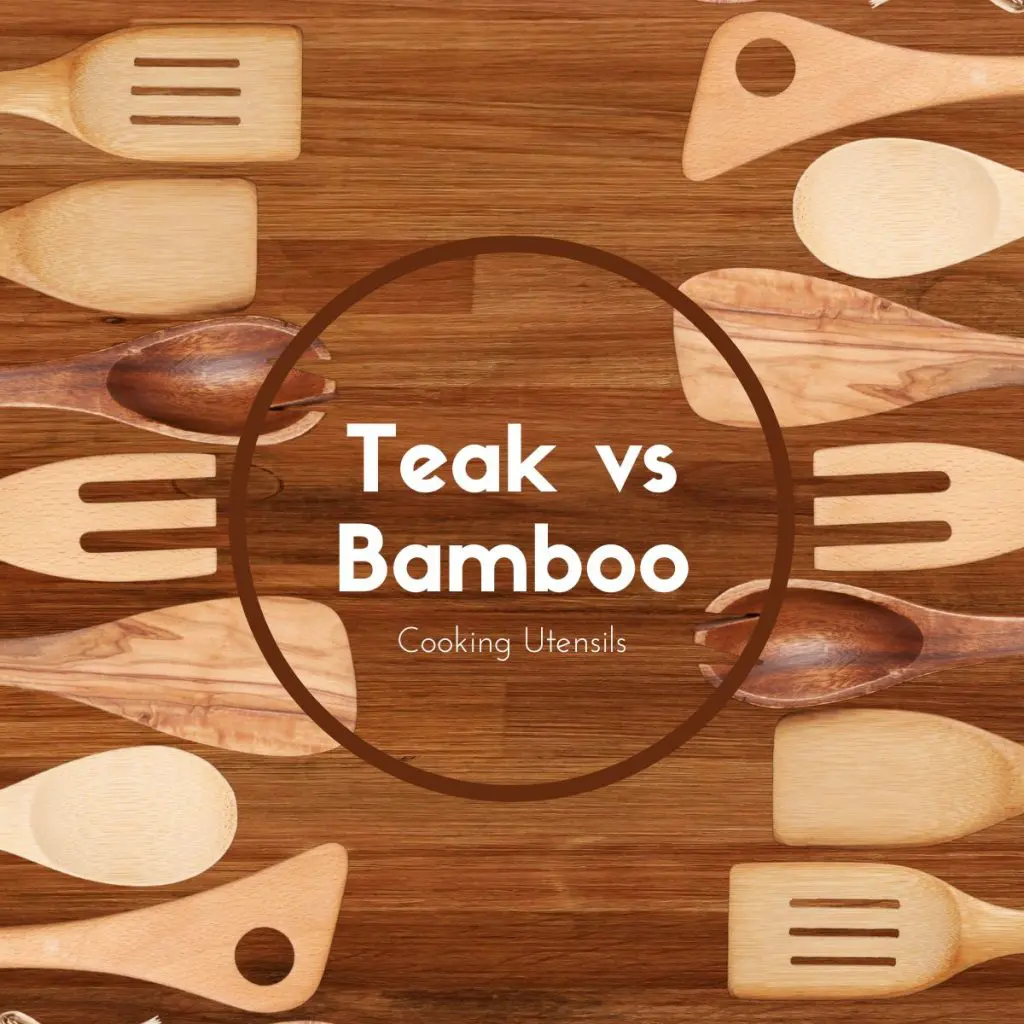
Bamboo is used in many products. Furniture made from bamboo is strong and stylish. Bamboo is also used in flooring. It looks nice and lasts long. People use bamboo for kitchen items like cutting boards. Bamboo fabric is soft and cool. It is used in clothing and bed sheets. These products show bamboo’s versatility.
Comparing Environmental Benefits
Bamboo grows very fast. This means it absorbs more carbon dioxide. Teak trees take many years to grow. They store less carbon in that time. Less carbon is better for our air.
Bamboo is very renewable. It can grow back after cutting. Teak takes a long time to grow. It is not as renewable. Fast growth helps the planet.
Bamboo forests provide homes for many animals. They help in protecting biodiversity. Teak plantations often replace natural forests. This can harm wildlife. More animals mean healthier ecosystems.

Credit: www.pinterest.com
Cost Analysis
Teak is usually more expensive at first. This is due to its natural durability. Bamboo costs less initially. It is often seen as a budget-friendly choice. Many choose bamboo for short-term projects. Cost can vary by region and supply.
Teak lasts longer than bamboo. It can resist weather and pests. This means less money on repairs. Bamboo needs more maintenance over time. It may not last as long as teak. Long-term, teak can be a better value. But, bamboo is great for temporary use.
Teak is always in demand. Many people like its classic look. Bamboo is becoming more popular now. It grows quickly and is eco-friendly. More people are choosing bamboo for green projects. Both materials have their fans. Each has its own market niche.
Aesthetic Appeal And Design Flexibility
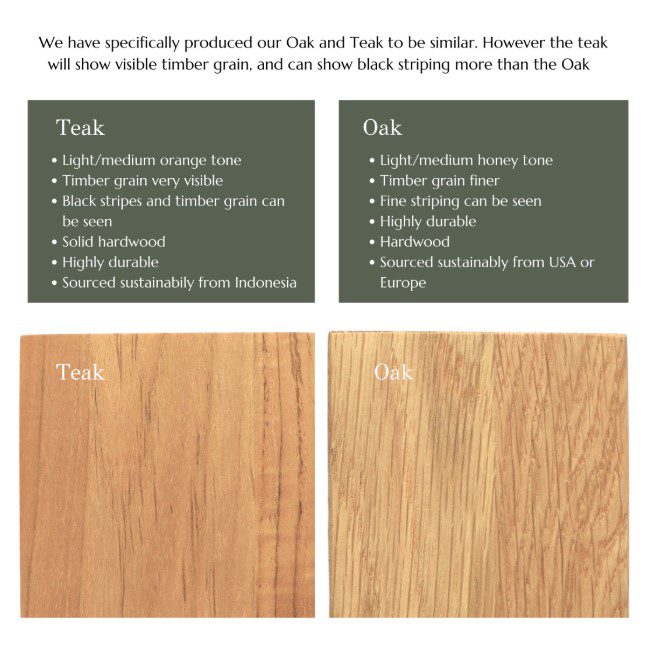
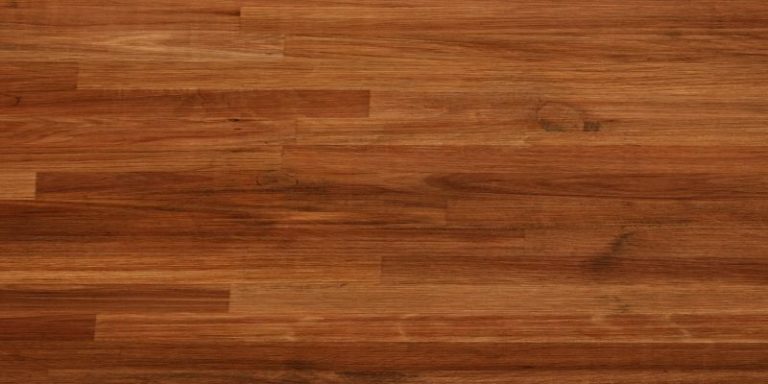
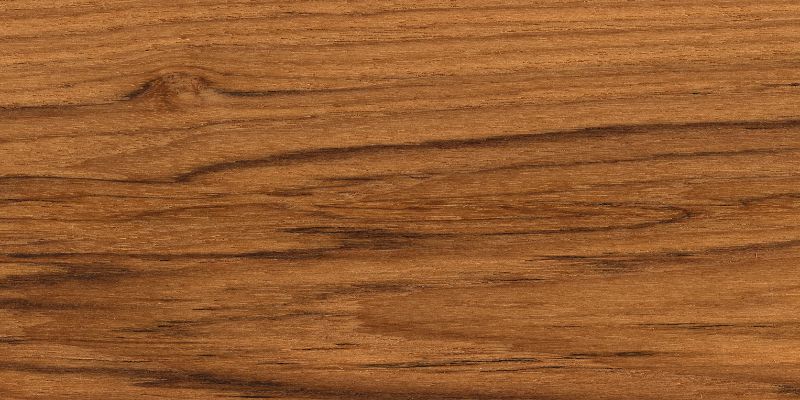
Teakhas a rich brown color with golden hues. This gives it a classic look. Bamboois lighter, with a pale yellow tone. It can brighten any room. Both materials have unique grain patterns. Teak’s grain is dense and oily. Bamboo’s grain is smooth and linear. The choice depends on your taste and home style.
Teak is great for both traditional and modern styles. It suits formal settings well. Bamboo offers a fresh and minimalistic feel. It works well in contemporary spaces. Both materials blend with various decors. They fit in living rooms, kitchens, and bedrooms. Each adds warmth and character to a home.
Teak is valued in many Asian cultures. It symbolizes strength and elegance. Bamboo is a symbol of flexibility and luck. It holds a special place in Asian traditions. Both materials have deep cultural roots. They are often used in art and furniture. Choosing them connects your home to these cultures.
Credit: www.guaduabamboo.com
Consumer Considerations
Some people love the look of teak. Others prefer bamboo. Both materials have unique textures and colors. Teak often has a rich, warm tone. Bamboo looks lighter and more modern. Your choice depends on your taste.
Teak is very durable and can handle rough use. It’s great for families with kids. Bamboo is lighter and can be more eco-friendly. It suits those who move often or love minimalist styles. Think about how you live. Choose what fits best.
Bamboo grows fast. It’s one of the most renewable resources. Teak takes longer to grow. It may not be as sustainable. If you care for the environment, bamboo might be a better pick. Your choice can help save the planet.
Credit: www.alldayieat.com
Frequently Asked Questions
What Are The Differences Between Teak And Bamboo?
Teak is a hardwood known for its durability and water resistance. Bamboo is a fast-growing grass that’s eco-friendly and lightweight. Teak is often used in outdoor furniture, while bamboo is popular for flooring and decorative items. Both materials offer unique benefits depending on your needs.
Which Is More Environmentally Friendly, Teak Or Bamboo?
Bamboo is more environmentally friendly due to its rapid growth rate and sustainability. It can be harvested without killing the plant. Teak takes decades to mature and involves deforestation. Choosing bamboo helps reduce environmental impact and promotes renewable resources.
Is Teak Or Bamboo Better For Outdoor Furniture?
Teak is better for outdoor furniture because of its natural oils and weather resistance. It withstands moisture and sunlight without degrading. Bamboo is not as durable outdoors, as it can absorb water and warp. Teak’s longevity makes it ideal for patio and garden furniture.
How Does Maintenance Differ For Teak And Bamboo?
Teak requires periodic oiling to maintain its color and resist weathering. Bamboo needs sealing to prevent moisture damage and staining. Regular cleaning is essential for both materials. Teak is generally easier to maintain due to its natural resilience to outdoor conditions.
Conclusion
Choosing between teak and bamboo depends on your needs. Teak is strong and lasts a long time. Perfect for outdoor use. Bamboo grows fast and is eco-friendly. It’s great for sustainable living. Teak costs more but offers durability. Bamboo is cheaper and lightweight.
Consider your budget and purpose before deciding. Both have unique benefits. Think about where and how you’ll use them. Balance your priorities. Make an informed choice for your home or project. Either way, you’re choosing a natural, beautiful material. Enjoy your selection!