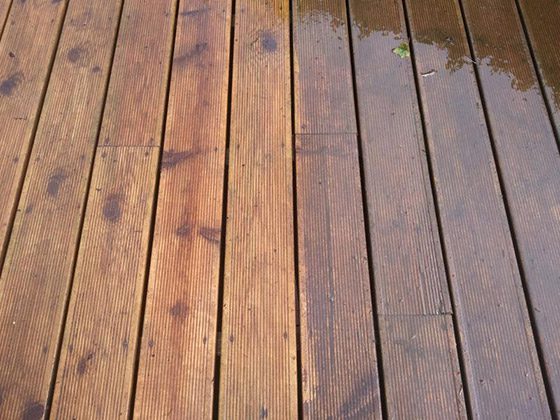
Timber Oil Vs Stain: Ultimate Guide to Wood Finish
Ever stood in the aisle of a hardware store, staring at rows of timber oils and stains, wondering which is right for your project? You’re not alone.
Whether you’re refreshing your deck, furniture, or any wooden surface, choosing between timber oil and stain can be a tricky decision. Both promise to protect and beautify your wood, but they do it in different ways. Understanding the key differences could save you time, money, and perhaps a few headaches down the road.
Stick around as we dive into the pros and cons of each, helping you make a choice that matches your needs perfectly. You deserve to feel confident in your decision, and we’re here to make that happen.

Credit: www.intergrain.com.au
Timber Oil Basics
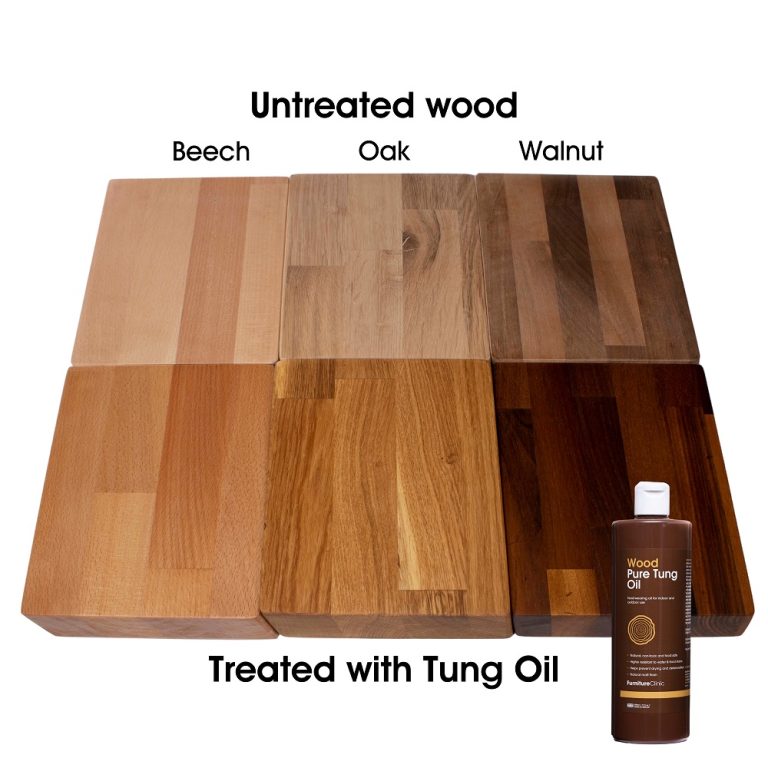
Timber oilhas natural oils and resins. These help protect wood. It soaks deep into the wood fibers. The oil enhances the wood’s natural look. Ingredients often include linseed oiland tung oil. These oils are safe and eco-friendly. They offer a rich, glossy finish. Some oils also have UV blockers. These protect the wood from sun damage. The natural formula makes it a good choice for decks and furniture.
There are different types of timber oils. Some are best for decks. Others work well for furniture. Clear oilslet the wood’s color shine. Tinted oilsadd color and style. Each type gives unique protection. Choose based on your wood’s needs. Some oils focus on weatherproofing. Others aim for a glossy finish. Pick the one that fits your project best.
Understanding Wood Stain
Choosing between timber oil and stain can be confusing. Timber oil enhances natural wood color, providing rich tones. Stain offers a wider range of colors and adds a protective layer. Each has unique benefits for different wood care needs.
Stain Varieties
Wood stain comes in many varieties. Each offers unique looks and benefits. Oil-based stains penetrate deeply into wood. They enhance the natural grain, giving a rich finish. Water-based stains dry faster. They are easier to clean up. They also produce fewer fumes. Gel stains are thick. They sit on top of wood, offering even coverage. Pigmented stains add color. They alter the wood’s appearance. Transparent stains preserve the wood’s natural look. Choose the right type based on your needs. Consider the wood’s use and location.
Application Methods
Applying wood stain can be simple. Brushes, cloths, or sprayers can be used. Brushes work well for even coverage. Cloths help in wiping excess stain. Sprayers are best for large areas. Test the stain on a small spot first. Ensure the wood is clean and dry. Stir the stain thoroughly before use. Apply in thin, even coats. Let each coat dry before adding another. Follow the instructions on the product label. Proper application ensures a beautiful finish.
Comparing Timber Oil And Stain
Timber oiland stainboth protect wood. But they do it differently. Timber oil soaks into wood. This gives deep protection. It helps wood stay strong. Stain stays on top of wood. It creates a strong cover. This helps protect against rain and sun. Both options last long. Yet, timber oil may require reapplication more often.
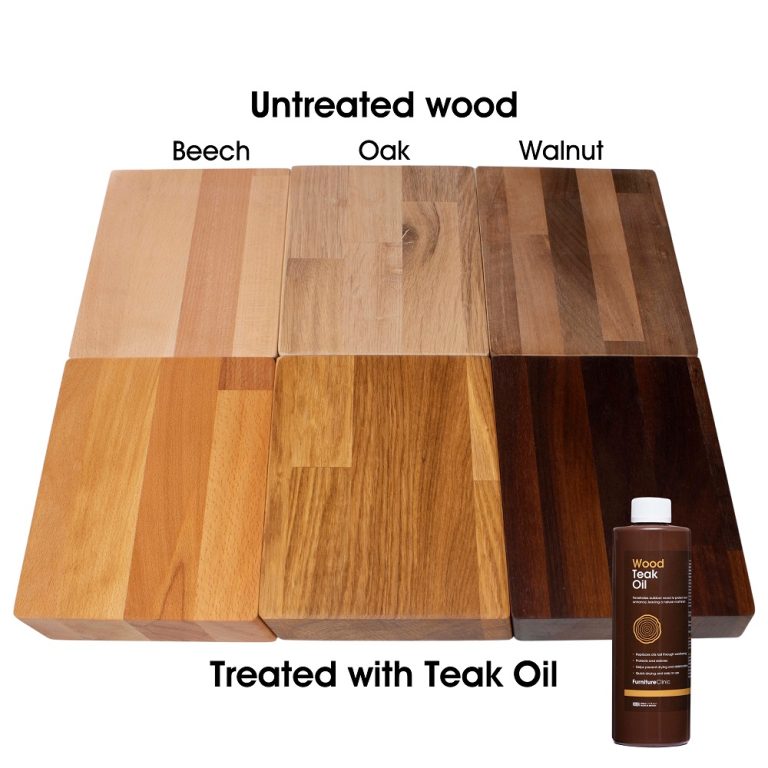
Timber oil offers a natural look. It enhances wood’s original color. Stain gives many color choices. It can change wood color a lot. Some stains offer a glossy finish. Others provide a matte look. Timber oil is best for those who love natural beauty. Stains are great for those who want color variety.

Credit: www.ibtmerchants.co.uk
Application Techniques
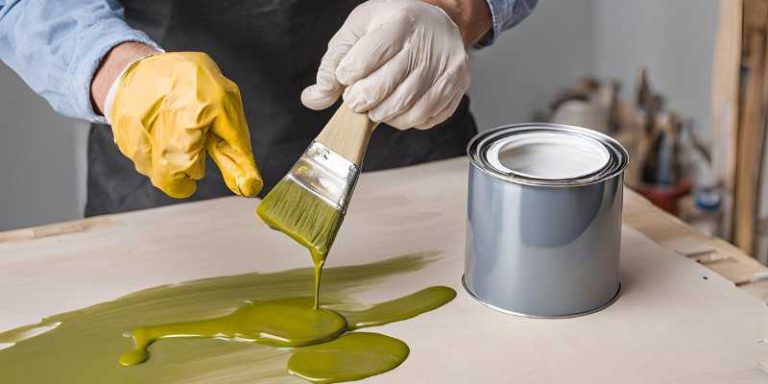
Painting wood needs some tools. A brushor rollerhelps to spread the stain. For big areas, use a sprayer. A clothor sponge can apply oil. Wear glovesto keep hands clean. A drop clothkeeps the ground tidy. Use a stir stickto mix the oil or stain well.
Start by cleaning the wood. No dirt should stay. Next, stir the oil or stain. Mix it well. Dip your brush or roller in it. Spread it on the wood. Cover all parts. Go with the wood grain. Let it dry. Check if it’s even. Add more coats if needed. Wait between coats. This makes it look better. Clean your tools after finishing. Store leftovers safely.
Maintenance Tips
Keep your wood surfaces clean and dry. Wipe spills right away. Dust regularly with a soft cloth. This keeps surfaces looking nice. Use a gentle cleaner for deep cleaning. Avoid harsh chemicals. They can damage wood. Every few months, apply a fresh coat of oil or stain. This helps protect the wood. Check for cracks or peeling regularly. A little care goes a long way.
Small scratches can be fixed easily. Use a wood repair marker. Match the color to your wood. For bigger damage, sand the area lightly. Apply new oil or stain. Let it dry completely. If the damage is large, consider redoing the whole surface. Take your time for best results. Protect your wood from future damage. Use mats and coasters. This prevents scratches and water rings. Regular checks help keep wood beautiful.
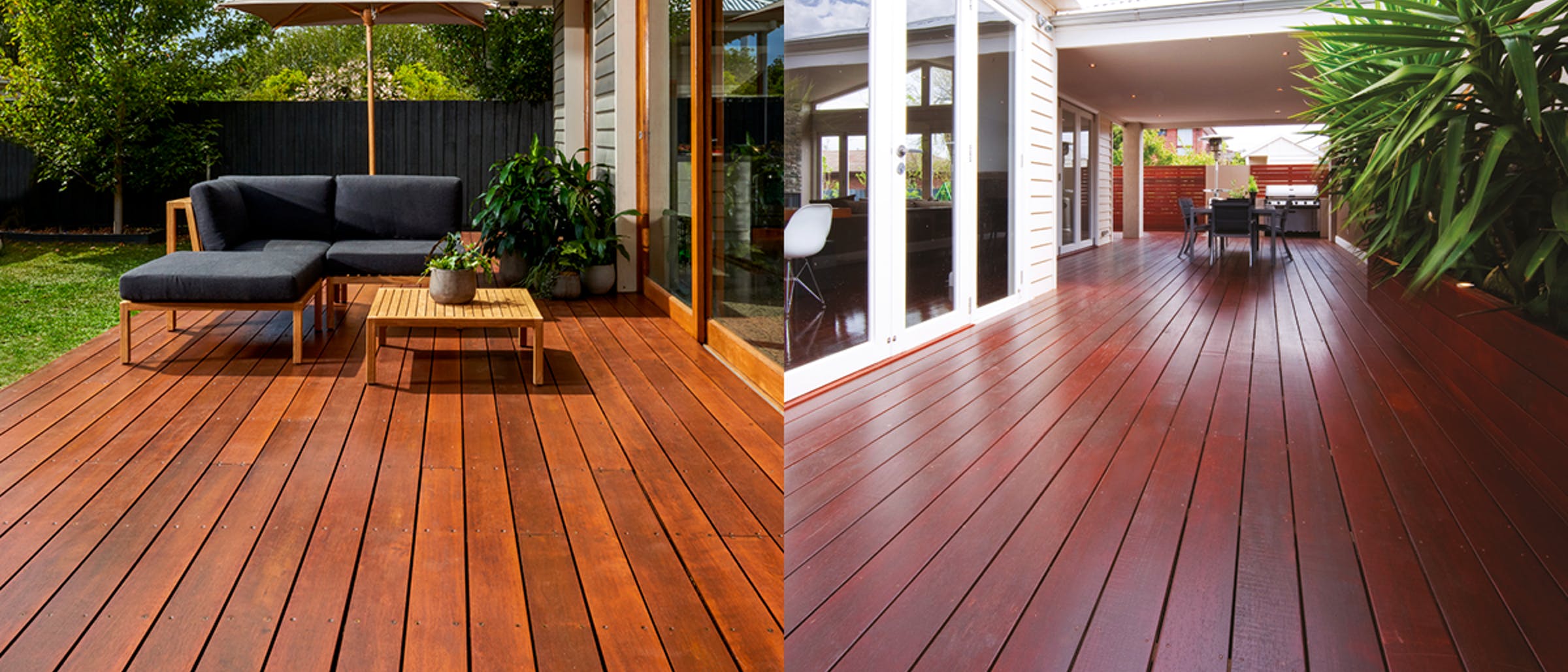
Credit: www.inspirationspaint.com.au
Environmental Impact
Timber oiland stainare used for wood protection. They have different impacts on nature. Timber oil is often made from natural oils. This makes it a more eco-friendly option. It breaks down easier in the environment. Some stains have harsh chemicals. These can harm nature.
Eco-friendly Options
Choosing eco-friendly products is good for the planet. Look for oils with natural ingredients. Avoid stains with strong chemicals. Read labels carefully. Some companies offer green products. They have fewer harmful effects. Eco-friendly optionssupport cleaner air and water.
Disposal Considerations
Proper disposal is important. Never dump oils or stains in drains. They can pollute water. Follow local disposal rules. Many places have special drop-off sites. They handle chemicals safely. This helps protect the earth. Safe disposal keeps nature clean.
Choosing The Right Finish
Wood typematters a lot. Softwoods need more care. Hardwoods might need less. Think about the weatherin your area. Rainy places need strong finishes. Sunny areas might need UV protection.
Coloris important. Do you want natural or dark? Timber oil keeps wood looking real. Stain offers many colors. Maintenanceis key. Some finishes need checking often. Others last longer without care.
Experts like timber oil for natural beauty. They say it goes deep into wood. Stain is great for color choices. Experts suggest it for vibrant looks.
Ask an expert before you choose. They know what works best. It can save time and money. Pick what suits your needs.
Frequently Asked Questions
What Is The Difference Between Timber Oil And Stain?
Timber oil and stain both protect wood, but they differ in composition. Timber oil penetrates deeper, enhancing natural wood grain, while stain sits on the surface, offering a wider range of colors. Timber oil is preferred for richer, more natural looks, while stain provides more uniform color coverage.
Which Lasts Longer, Timber Oil Or Stain?
Timber oil generally lasts longer than stain due to its deep penetration. It nourishes wood from within, offering better protection against the elements. Stain, however, may require more frequent reapplication as it tends to wear off the surface faster, especially under harsh weather conditions.
Can Timber Oil Be Applied Over Stain?
Applying timber oil over stain is not recommended. The stain creates a barrier on the wood’s surface, preventing proper oil penetration. This can lead to uneven finish and poor protection. For best results, remove the stain before applying timber oil to ensure optimal absorption and performance.
Is Timber Oil Better For Outdoor Furniture?
Timber oil is excellent for outdoor furniture as it deeply penetrates and nourishes the wood. It enhances natural beauty while providing superior protection against UV rays and moisture. This makes it a preferred choice for outdoor applications, ensuring durability and maintaining the wood’s appearance.
Conclusion
Choosing between timber oil and stain depends on your needs. Timber oil enhances wood’s natural beauty. Stain offers a variety of colors. Both protect and prolong wood life. Consider the look you want. Also, consider the level of maintenance you can manage.
Timber oil often requires reapplication sooner. Stain might last longer with less upkeep. Evaluate your specific wood type. Weather conditions also play a role. Think about your budget too. Each option has its own cost implications. In the end, either choice can beautifully preserve your wood surfaces.
Make an informed decision for best results.