Transition between Tile And Hardwood: Seamless Solutions
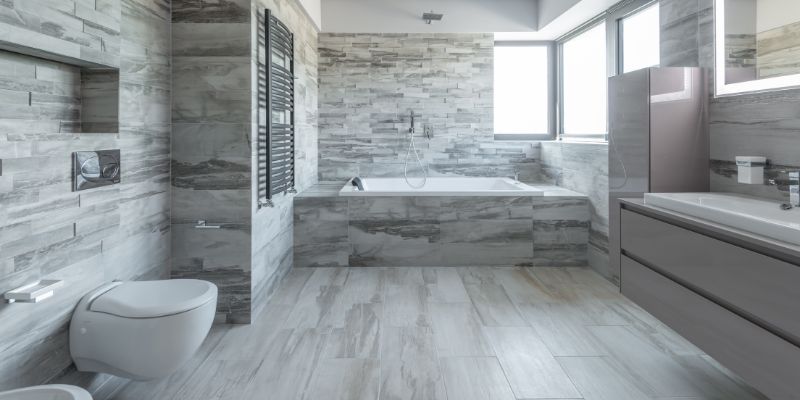
Imagine walking through your home and feeling the subtle shift beneath your feet as you transition from tile to hardwood. This seamless change not only elevates the aesthetic appeal of your space but also enhances its functionality.
If you’ve ever struggled with choosing the right materials or wondered how to create a cohesive flow between different flooring types, you’re not alone. The transition between tile and hardwood can be a game-changer for your interior design. But how do you achieve that perfect blend without compromising on style or practicality?
You’re about to discover the secrets that will transform your home into a harmonious haven. Get ready to unlock tips and tricks that will guide you every step of the way, ensuring your flooring choices leave a lasting impression.
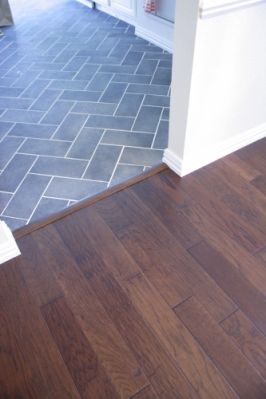
Credit: sandiegomarbletile.com
Benefits Of Transitioning From Tile To Hardwood
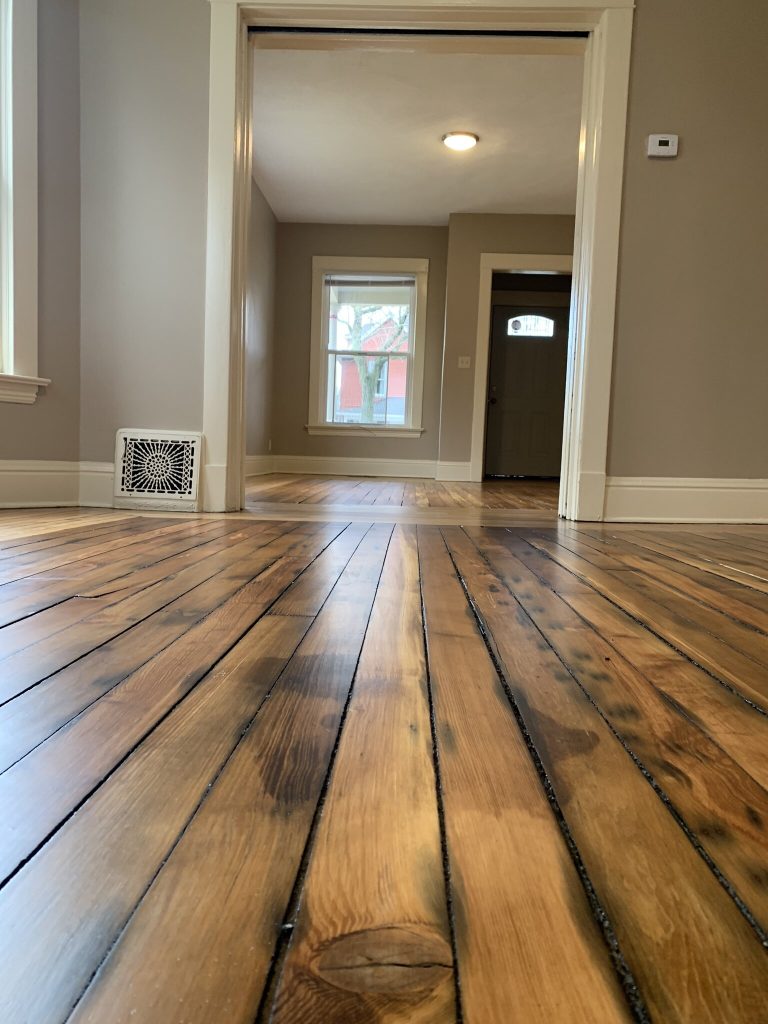
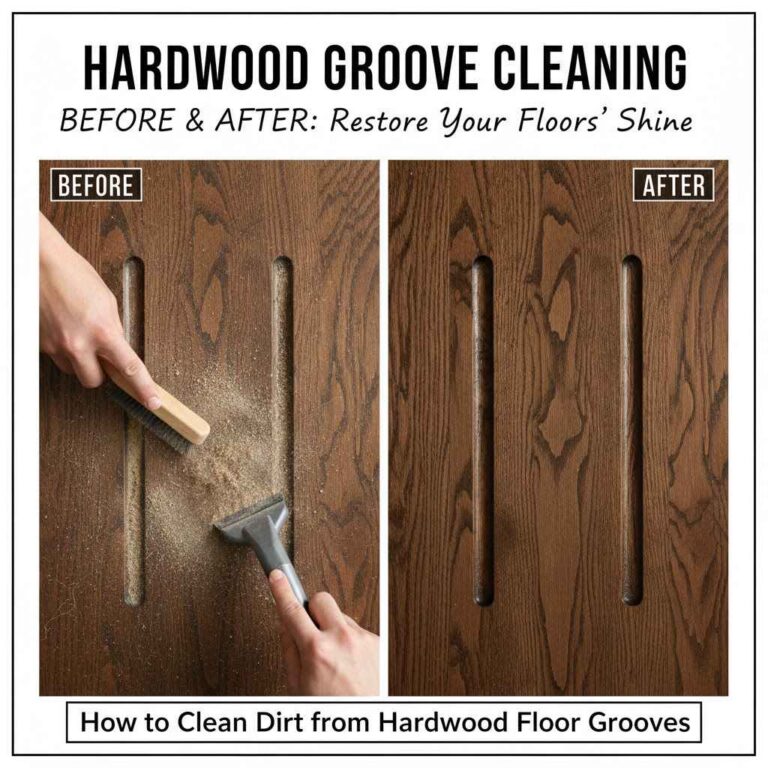
Hardwood floors add warmth to homes. They feel cozy underfoot. Tile floors are often cold. Hardwood is easier to clean. It doesn’t hold dirt like tile grout. This means less cleaning time. Hardwood increases house value. Buyers prefer its natural look. Tile can crack easily. Hardwood is more durable. It lasts many years. Tile is slippery when wet. Hardwood has better grip. Ideal for families with kids. Hardwood matches many decor styles. It looks good with rugs. Tile can limit style choices. Hardwood is a better choice for many homes.
Choosing The Right Transition Strip
Transition stripsconnect different floors. They help blend tilewith hardwood. Many materials and styles exist. Metal stripsare strong and shiny. They look modern. Wood stripsmatch hardwood. They offer a warm look. Vinyl stripsare flexible. They work well for uneven floors.
Think about floor heightdifferences. Some strips adjust for height. Durabilitymatters too. Strong materials last longer. Consider colorand design. They should match your home style. Ease of installationis key. Some strips snap into place. Others need glue or nails.
Installation Techniques
Surface cleaningis crucial. Make sure the area is dust-free. Remove any old flooring materials. Check the floor for damage. Fix cracks and holes. Level the floor for smooth installation. Use a leveling compound if needed. Allow the compound to dry completely.
Gather all necessary tools. Use a measuring tape for accuracy. A tile cutter is essential. Get a circular saw for hardwood. Have a notched trowel for adhesive. Use a hammer and nails for securing. Safety goggles protect your eyes. Gloves keep your hands safe. Keep all tools within reach.
Color And Texture Coordination
Color choicesset the mood. Tiles can be bright. Hardwood often is warm. Together, they need balance. Match colors to create flow. Avoid clashing shades. Light tileswith dark wood can pop. Or use similar tones. Texture matters too. Smooth tiles with rough wood add interest. Feel the difference. Eyes notice changes.
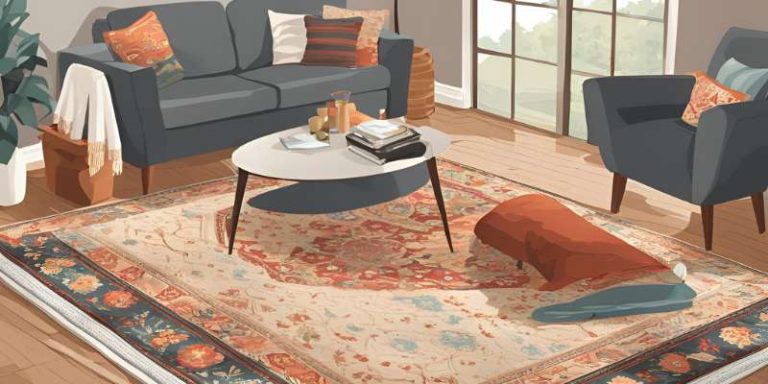
Visual harmony is key. Spaces should feel united. Connect tile and wood with patterns. Similar patterns tie them together. Use rugs to blend surfaces. Soft rugs can help. Rugs can soften transitions. Keep lines straight. Straight edges look neat. Curves can be tricky. Curves need careful planning.
DIY Vs Professional Installation
DIY projects can be fun. They save you money too. But they need time and effort. Mistakes can be costly. You might buy the wrong tools. Or use incorrect methods. Tile and hardwood needs skill. Uneven floors can be a problem. Sometimes, floors look bad. DIY gives satisfaction. Yet, it may not be perfect. Think twice before starting.
Some projects need experts. Professionals ensure quality. They have the right tools. Their work is fast and neat. Hiring them saves time. Costs can be high, though. But the finish is usually better. Experienced installers know tricks. They handle tricky areas well. If unsure, hire a pro. It may cost more. But results are often worth it.

Credit: www.oceansidepaintingnj.com
Maintaining A Seamless Transition
A clean floor looks nice and lasts longer. Use a soft broom or vacuum. This helps remove dirt and dust. Mop with a damp cloth weekly. Avoid too much water. Water can damage the floors. Choose a cleaner made for both tile and wood. This keeps them safe and shiny. Dry the floor after mopping. This prevents water spots and damage. A clean floor makes a home feel fresh.
Check your floors often. Look for cracks or gaps. Small problems can grow fast. Fix them early to save money. Use a flashlight to see better. Look for loose tiles or boards. Feel with your hand for rough spots. Call a professional if needed. Keeping an eye on your floor is smart.
Common Challenges And Solutions
Tiles and hardwood often don’t match in height. This can cause tripping hazards. You might use a transition stripto fix this. These strips help make the floor even. They come in wood, metal, or rubber. Choose the one that matches your decor. This small step can make your floor safe and nice to look at.
Floors can change with temperature. Wood expands in summer and contracts in winter. This can make the wood bend. Tiles don’t change much, but gaps can form between them. Use a flexible caulkto fill gaps. It allows the floor to move. This keeps your floor looking good. Checking gaps often can help keep your floor safe.

Credit: www.fireclaytile.com
Frequently Asked Questions
How Do You Transition Between Tile And Hardwood?
To transition between tile and hardwood, use a transition strip for a seamless look. Choose a strip that complements both flooring types. Ensure the strip is level with the floors to avoid tripping hazards. Installation may require adhesive or screws, depending on the material.
What Is The Best Transition Strip Material?
The best transition strip material depends on your aesthetic and durability needs. Common choices include wood, metal, and vinyl. Wood offers a natural look, while metal provides durability. Vinyl is versatile and budget-friendly. Match the strip to both flooring styles for a cohesive appearance.
Can I Install Transition Strips Myself?
Yes, you can install transition strips yourself with basic tools. Measure the space accurately before purchasing the strip. Follow manufacturer instructions for installation, which may involve cutting the strip to size. If unsure, consult a professional for assistance to ensure a secure fit.
Why Is A Transition Important Between Floors?
A transition between floors is important for safety and aesthetics. It prevents tripping by ensuring surfaces are level. Transitions also create a cohesive look between different flooring types. They protect edges from wear and tear, extending the lifespan of both the tile and hardwood.
Conclusion
Choosing the right transition between tile and hardwood enhances your space. It creates a seamless look and adds value. Consider style, color, and materials carefully. These elements ensure a harmonious design flow. Professional installation can make a big difference. It guarantees durability and proper alignment.
Don’t forget to measure the area accurately. This prevents potential issues later. Visit local stores for inspiration and samples. Visualizing options helps in making confident decisions. Ultimately, a well-executed transition increases both beauty and function in your home. Enjoy the timeless charm of combining these two popular flooring types.