Treated Lumber Vs Cedar: Which is Best for Your Project?
Are you planning a new outdoor project and can’t decide between treated lumber and cedar? Choosing the right material can make all the difference in durability, appearance, and cost.
You want your deck, fence, or patio to not only look stunning but also withstand the elements for years to come. Imagine enjoying your morning coffee on a beautiful deck that stays as fresh as the day it was built.
Or envision a fence that not only complements your garden but also stands strong against the test of time. By understanding the key differences between treated lumber and cedar, you’ll make a choice that brings peace of mind and enhances your home’s value. Dive into this guide to discover which option suits your needs, ensuring your next project is a resounding success.
Credit: cameroontimberexport.com
Treated Lumber Basics
Treated lumber resists decay and insects, making it ideal for outdoor projects. Cedar offers natural beauty and resistance without chemicals. Both have unique benefits, influencing choice based on budget and aesthetics.
What Is Treated Lumber?
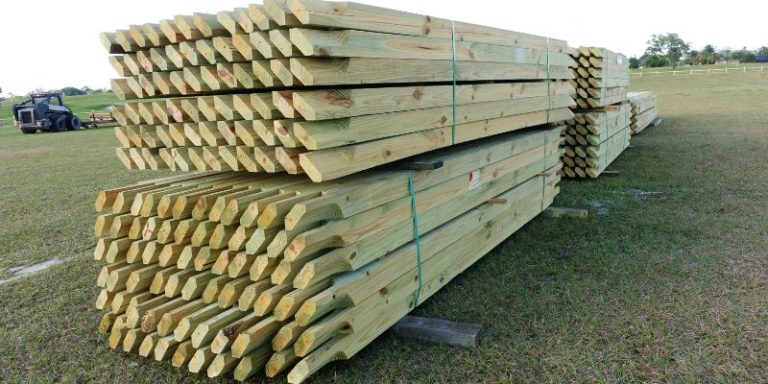
Treated lumber is wood that gets special chemicals. These chemicals help stop rot and bugs. Wood lasts longer with this treatment. Builders love it for outdoor projects. Rain and sun don’t hurt it much. Treated wood is strong and reliable.
Benefits Of Treated Lumber
Treated lumber resists water and pests. This means fewer repairs. Durability is a big plus. It stays strong for years. It is also less expensive than cedar. Cost-effective for big projects. Treated wood also comes in different shapes and sizes.
Common Uses For Treated Lumber
Fences and decks often use treated lumber. It is also good for playgrounds and outdoor furniture. Builders use it for bridges and docks too. Treated wood works well in wet areas. It can be used for posts in the ground.
Cedar Wood Characteristics
Cedar has a unique smell. It is fresh and pleasant. This wood is naturally resistant to bugs. Termites do not like it. Cedar does not rot easily. It lasts longer outdoors. Its color is warm and rich. Cedar can be red, brown, or white. Each type has its own beauty.
Cedar is light and easy to carry. It is simple to cut and shape. Builders love it for this. Cedar is also strong. It can hold weight well. It does not warp much. This wood stays straight. It is great for making decks and fences.
| Application | Reason |
|---|---|
| Outdoor furniture | Resists weather and bugs |
| Decking | Strong and durable |
| Fencing | Does not warp |
| Saunas | Pleasant aroma |
Durability And Longevity
Cedar naturally fights weather changes. It stays strong in rain. Treated lumber has chemicals. These help it resist moisture. Cedar is good for dry places. Treated lumber works best in wet areas. Both types can last long if cared for.
Cedar has oils. Bugs do not like these oils. Treated lumber has chemicals that stop pests. Cedar is safer for gardens. Treated lumber is better for places with many bugs. Both keep insects away.
Cedar can last 15 to 20 years. It needs care. Treated lumber can last even longer. Sometimes 30 years. Longevity depends on weather. Regular checks help both last longer. Both are strong choices for building.
Cost Considerations
Cedar often costs more than treated lumber. This might surprise some buyers. Treated lumber is usually cheaper. People on a budget may choose treated wood first. Cedar’s beauty may tempt others. Both have pros and cons. The choice depends on needs.
Cedar needs less upkeep over time. Treated lumber needs regular care. This means spending more money. Cedar stays strong without much help. Treated lumber needs more attention. Maintenance costs add up fast. Think about future expenses. Plan wisely.
Cedar offers great value. It lasts longer without much fuss. Treated lumber is affordable but needs care. Consider lifespan and durability. Cedar may save money long-term. Treated lumber may cost more with time. Choose based on priorities. Quality or savings.
Environmental Impact
Treated lumber is popular for building. It lasts longer than raw wood. Chemicals are used to make it strong. These chemicals can harm the environment. Sustainability is a big concern. Forests are cut down for this wood. New trees need time to grow. It’s important to find a balance.
Cedar is a natural wood. It grows back faster than other trees. Cedar does not need chemicals to last long. It is naturally resistant to bugs and rot. This makes it eco-friendly. Less harm to nature. Cedar forests can be managed well. This helps protect the environment.
Recycling treated lumber is hard. Chemicals make it unsafe for reuse. Disposal must be careful. It can pollute soil and water. Cedar can be recycled easily. It breaks down naturally. This is good for the earth. Proper disposal helps keep nature clean.
Credit: www.thehandymansdaughter.com
Aesthetic Appeal
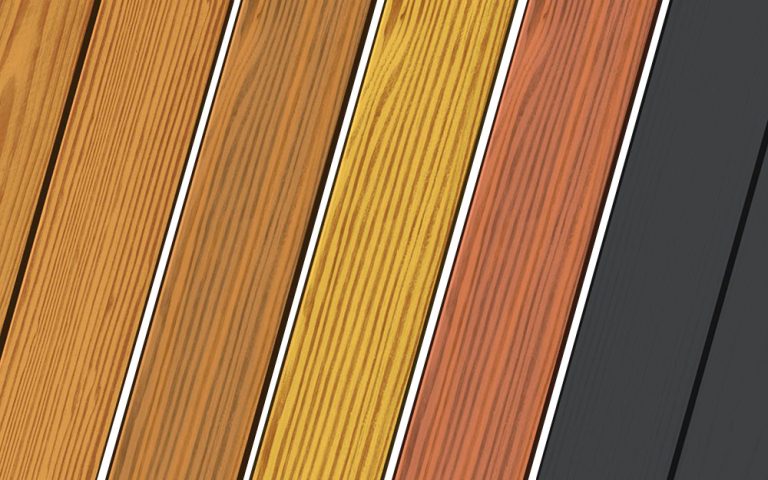
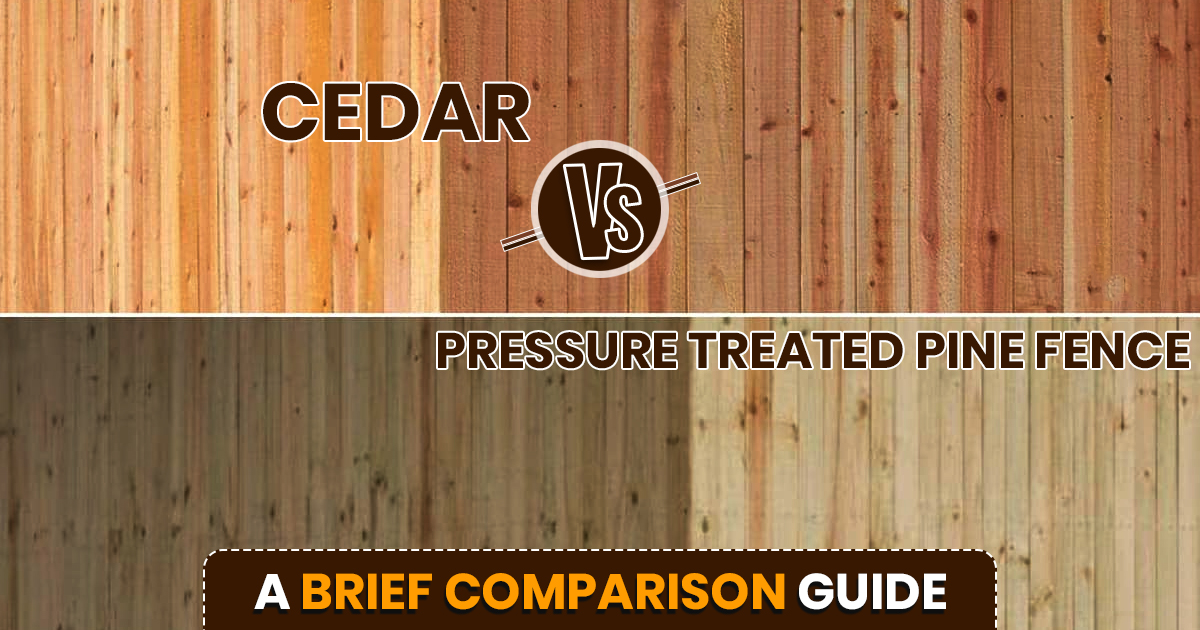
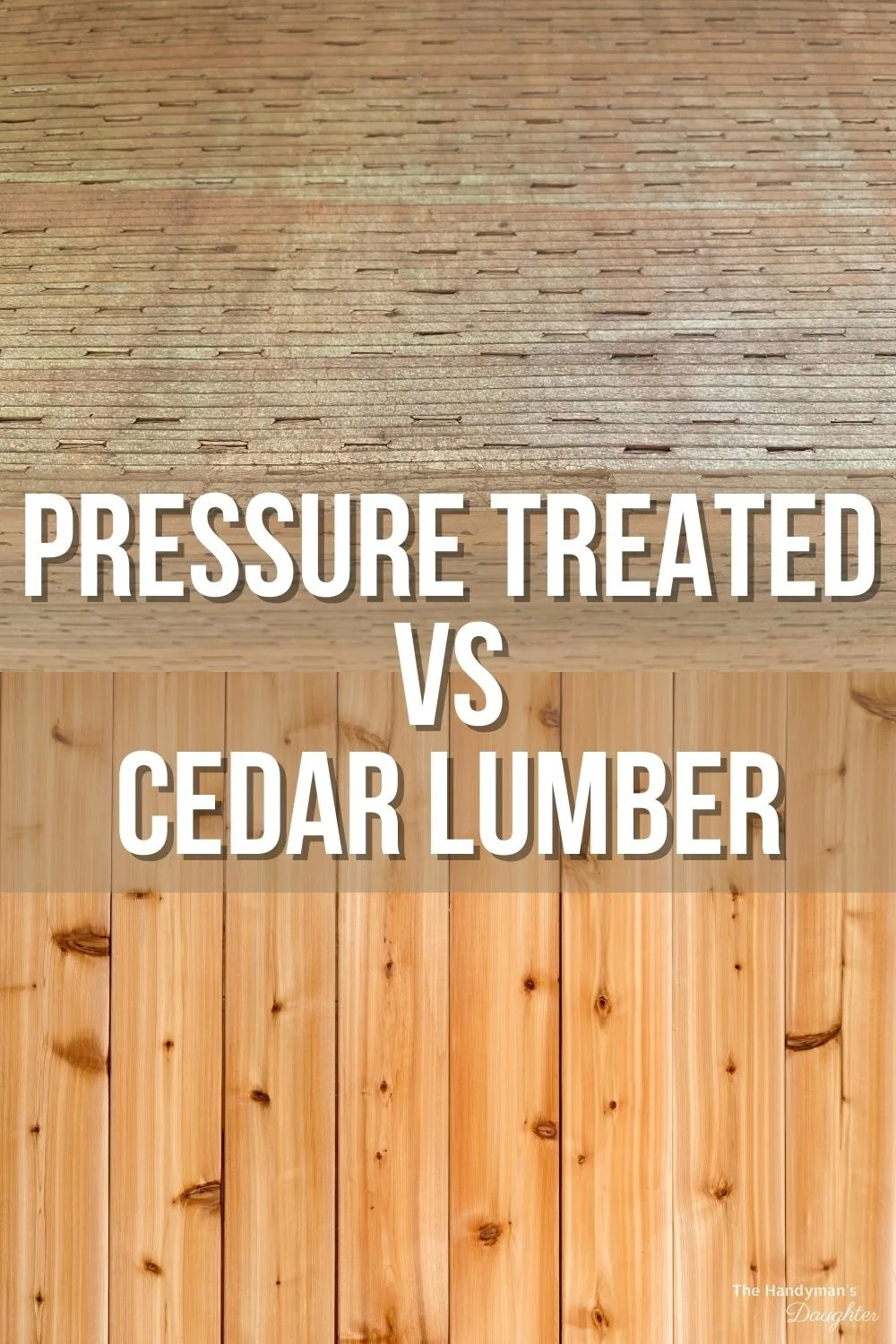
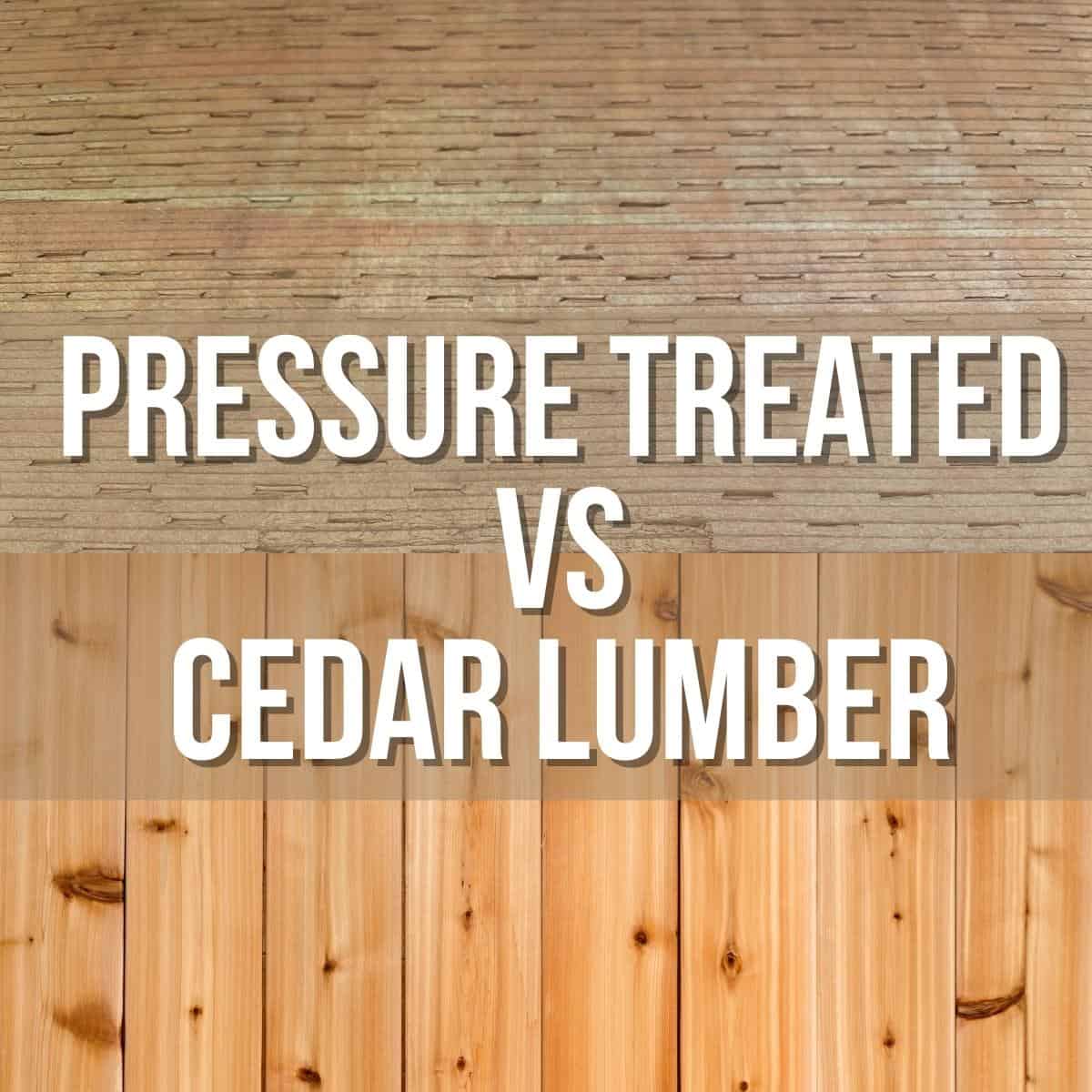
Treated lumber has a greenish or brownish tint. This is due to the chemicals. These chemicals help protect the wood. Over time, treated lumber can fade. It may become gray. The grain of treated lumber is visible. But it is less distinct than cedar. This gives a simple look.
Cedar is known for its rich color. It ranges from light amber to deep red. The grain is fine and straight. This makes it very appealing. Cedar has a natural, rustic look. It often has small knots. These add character to the wood. The color of cedar can change. This happens as it ages. It turns to a silver-gray patina.
Treated lumber can be painted. This helps match any decor. Staining is another option. But, it may not absorb evenly. Cedar is easy to stain or seal. It takes finishes well. This enhances its natural beauty. Clear finishes protect cedar. They keep its color vibrant. Both types of wood can be left unfinished. This allows them to age naturally.
Ease Of Use
Treated lumber is heavy. It takes more effort to install. Workers need protective gear. Gloves and masks are important. This protects from chemicals. Cutting treated lumber can be hard. It requires strong tools.
Working With Treated Lumber
Drilling and nailing need care. Nails may bend. Workers need patience. It is important to follow safety rules. This keeps everyone safe.
Handling Cedar Wood
Cedar wood is light. It is easy to handle. No special gear is needed. Cedar is soft. It cuts easily. Simple tools work well.
Cedar smells nice. People like the fresh scent. It makes work pleasant. Cedar is easy to nail. It holds nails well. This makes it a favorite for many.
Safety And Health Factors
Treated lumber has special chemicals. These chemicals help stop rot and bugs. Some chemicals can be harmful. They may cause skin or eye irritation. Always wear gloves and goggles. This keeps you safe while working. Avoid breathing dust from cutting treated wood. It can hurt your lungs.
Cedar wood has natural oils. These oils help keep bugs away. Cedar smells nice too. The scent is safe for people. No harmful chemicals are added. Cedar is gentle on skin. It is safe to touch and work with. No need for extra protection like gloves or masks.
Always stay safe when using wood. Wear gloves when handling treated lumber. Use a mask if cutting it. Cedar is safer, but still use care. Keep your work area clean. Wash hands after working with any wood. This keeps you safe and healthy.
Project Suitability
Treated lumberworks well for outdoor projects. It is resistant to rot and insects. Use it for decks and fences. Treated wood is also good for garden beds. It lasts long in wet areas. Builders often choose it for strong structures.
Cedaris popular for its beauty. It has a natural smell. People like it for siding. Cedar is great for outdoor furniture. It resists decay naturally. Cedar adds charm to any yard. It is lighter than treated wood.
Think about the weather in your area. Wet places need treated lumber. Dry areas suit cedar well. Check your budget too. Cedar can be more costly. Look at the style you want. Both options have unique looks. Choose based on needs and taste.
Credit: www.thehandymansdaughter.com
Frequently Asked Questions
What Is Treated Lumber?
Treated lumber is wood that has been chemically processed to resist decay, insects, and rot. It’s commonly used for outdoor projects like decks and fences. The treatment involves using preservatives that prolong the wood’s lifespan, making it suitable for areas exposed to moisture and harsh weather conditions.
Why Choose Cedar Over Treated Lumber?
Cedar is a natural wood that’s resistant to decay and insects without chemical treatments. It’s lightweight, easy to work with, and offers a distinct aesthetic appeal. Its natural oils and fibers provide durability and a pleasant aroma, making it a preferred choice for projects like siding and outdoor furniture.
Is Treated Lumber Cheaper Than Cedar?
Generally, treated lumber is cheaper than cedar. The chemical treatment process helps reduce costs, making it a budget-friendly option for large projects. However, cedar’s natural beauty and durability can justify its higher price for those seeking quality and longevity in their construction materials.
How Long Does Cedar Last Outdoors?
Cedar can last 15 to 30 years outdoors, depending on maintenance and exposure. Its natural oils help resist decay, ensuring longevity. Regular cleaning and sealing can extend its lifespan. Compared to untreated wood, cedar offers superior durability, making it ideal for outdoor applications like decking and siding.
Conclusion
Choosing between treated lumber and cedar depends on your needs. Treated lumber offers durability and resistance to insects. Cedar provides natural beauty and a pleasant aroma. Each option has unique benefits for different projects. Consider your budget, location, and maintenance preferences.
Treated lumber suits harsh weather conditions well. Cedar works best for aesthetic appeal and natural resistance. Both materials are excellent choices for outdoor projects. Make an informed decision that fits your specific requirements. Your choice will impact the longevity and appearance of your project.
Choose wisely for the best results.