Tung Oil Vs Danish Oil: Which is Best for Wood Finish?
Are you ready to transform your woodworking projects with a stunning finish? Choosing the right oil can make all the difference.
Tung oil and Danish oil are two popular choices, each offering unique benefits that can enhance the beauty and durability of your wood creations. But which one is right for you? Imagine unlocking the secret to a flawless finish that not only protects but also brings out the natural charm of the wood.
As you delve into the world of Tung oil and Danish oil, you’ll discover how each option aligns with your needs and preferences. Get ready to learn how to elevate your woodworking game and achieve the results you’ve always dreamed of. This article will guide you through the nuances of Tung oil and Danish oil, helping you make an informed choice that you’ll be proud of every time you admire your handiwork.
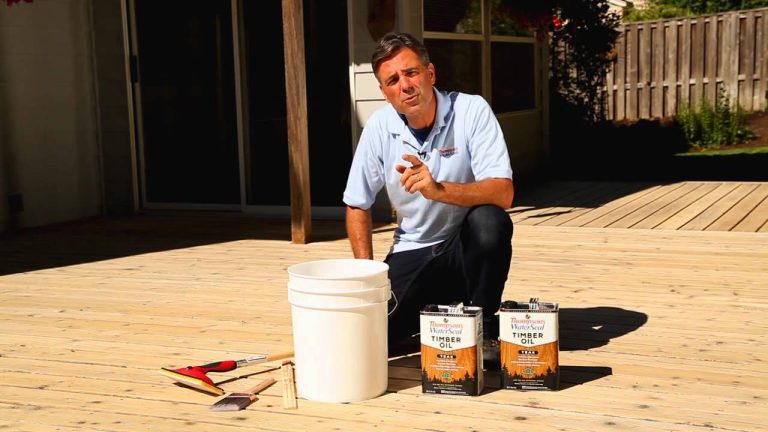
Credit: www.youtube.com
Tung Oil Characteristics
Tung oilcomes from the seeds of the tung tree. It is a naturaloil. Many people like it because it is eco-friendly. This oil has been used for hundreds of years. It is safe for wood and the environment.
Tung oil takes time to dry. It needs about 24 hours. Sometimes even longer. It is important to wait before touching the wood. Patience is key for a strong finish.
The finish of tung oil is smoothand shiny. It brings out the rich colorsof wood. It makes wood look alive and beautiful. Many people love its natural glow.
Tung oil makes wood strongand long-lasting. It protects wood from water and damage. This oil can make furniture last for many years. It keeps wood safe from scratchesand marks.

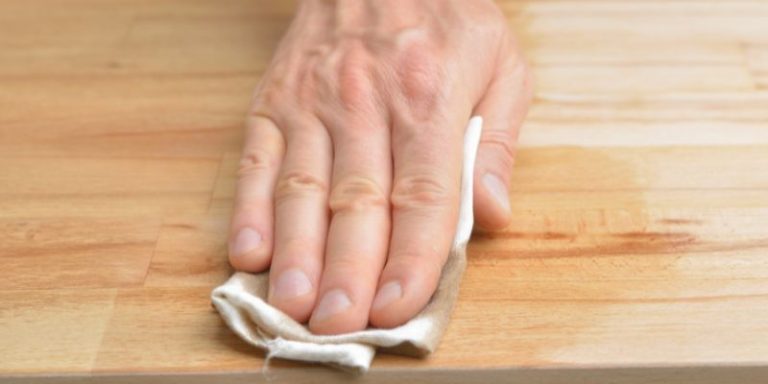
Credit: woodworkersinstitute.com
Danish Oil Features
Danish oil is a mix. It contains natural oils and synthetic resins. This blend makes it very versatile. It is good for many projects.
Applying Danish oil is simple. You can use a cloth or brush. Just wipe on and wipe off. It dries fast. Easy for beginners.
Danish oil gives a smooth and satin finish. It enhances the wood’s natural beauty. The look is warm and rich.
This oil offers good water and stain resistance. It protects wood from damage. Ideal for kitchen and bathroom woodwork.
Application Techniques
Start with clean wood. Remove dust and grime. Sand the surface smoothly. Use fine sandpaper. Ensure no rough spots remain. Wipe the wood with a damp cloth. Let it dry completely.
- Tung oil or Danish oil
- Clean rags
- Brush or sponge
- Fine sandpaper
- Safety gloves
- Ventilated workspace
Wear gloves to protect your skin. Pour tung oil into a small bowl. Use a brush or sponge. Apply a thin layer. Wait 30 minutes. Wipe excess oil with a clean rag. Let it dry for 24 hours.
Stir the Danish oil well. Apply with a clean rag. Rub into the wood grain. Use circular motions. Wipe off any excess. Let it dry for 6 hours. Repeat for a smooth finish.
Comparative Analysis
Tung oil is easy to apply. It dries slowly, giving time to adjust. Danish oil is simple too. It dries faster than tung oil. This can save time. Both are user-friendly for beginners.
Tung oil offers strong protection. It resists water and alcohol. Danish oil provides moderate protection. It is good for indoor use. Choose tung oil for outdoor items.
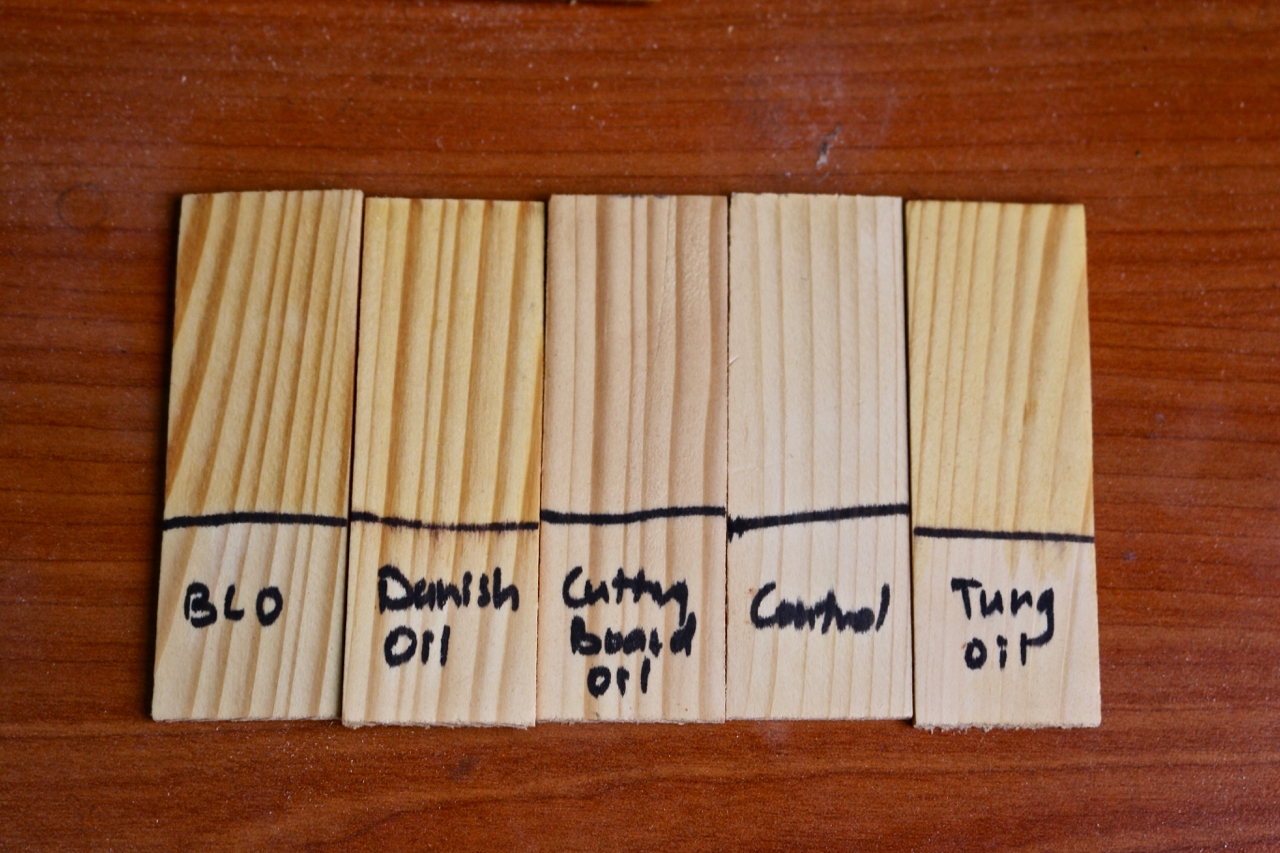
Tung oil gives a matte finish. It’s natural and warm. Danish oil has a glossy finish. It looks shiny and smooth. Both enhance wood grain beautifully. Pick based on your style.
Tung oil is often more expensive. It lasts longer, making it cost-effective. Danish oil is cheaper upfront. It’s a good choice for budget projects. Compare costs to decide.
Best Uses For Each Oil
Tung oil is great for kitchen counters. It makes them water-resistant. Danish oil is perfect for bookshelves. It gives a smooth finish. Both oils work well for wooden floors. They protect and enhance the look. Choose the oil based on your project needs. Tung oil lasts longer, but Danish oil dries faster.
Tung oilis best for outdoor furniture. It withstands harsh weather. Danish oil is suitable for garden benches. It offers a nice shine. Tung oil is ideal for decking. It provides excellent protection. Danish oil is good for birdhouses. It keeps them looking fresh.
Danish oilis superb for tablesand chairs. It brings out the wood’s grain. Tung oil is better for cabinets. It seals and protects well. Danish oil dries quickly. Tung oil offers deeper penetration. Both oils improve furniture appearance. Choose based on desired finish.
Tung oilworks well for sculptures. It enhances wood texture. Danish oil is ideal for wood carvings. It adds a gentle sheen. Tung oil is perfect for wood art. It offers lasting protection. Danish oil gives a warm glow. Both oils help art pieces shine.
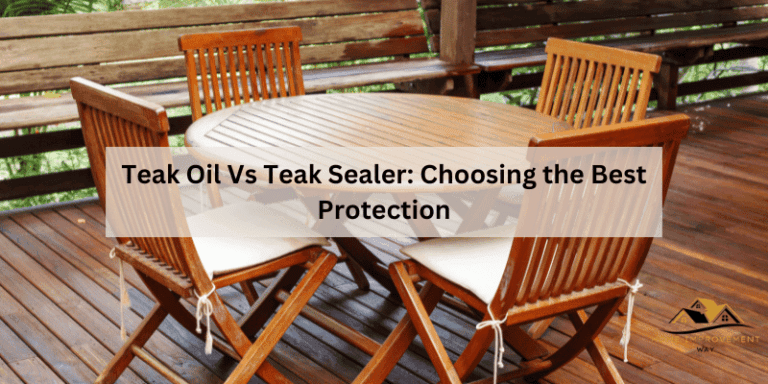
Credit: ettowoodworking.com
Environmental Impact
Tung oil comes from the seeds of the tung tree. It is a natural oil. Danish oil is a blend of oils and varnish. It has natural and synthetic parts. Tung oil is pure. Danish oil may contain chemicalsto improve its shine.
Tung oil has no added chemicals. It is safe for nature. Danish oil can have solventsand thinners. These can harm the environment. Tung oil is betterfor eco-friendly projects.
Tung oil is made from trees. These trees are renewable. Danish oil has synthetic parts. These are not always renewable. Tung oil supports green living. Danish oil may not.
Expert Tips
Tung oiloffers strong protection for wood. It seeps deep and lasts long. Danish oiladds flexibility to the wood surface. This helps resist cracks and peels. Choose Tung oil for outdoor furniture. It handles harsh weather well. Danish oil is great for indoor pieces. It gives a soft, warm touch.
Tung oil gives a rich, natural look. It enhances wood grain beautifully. Danish oil offers a satin finish. It blends well with wood colors. Tung oil needs more layers. This builds up a glossy shine. Danish oil needs fewer coats for a smooth feel.
Wood treated with Tung oil needs occasional re-oiling. This keeps it looking fresh and strong. Danish oil requires less upkeep. It keeps its charm with minimal effort. Always clean surfaces with a soft cloth. Avoid using harsh chemicals on the wood.
Common Misconceptions
Tung oil comes from the nuts of tung trees. It is a natural oil. Danish oil is a mix. It contains oils and varnish. People think they are the same. But they are not. Tung oil is pure. Danish oil is not pure. It has extra stuff. This affects how they look. And how they feel. Tung oil dries slowly. Danish oil dries faster.
Tung oil gives a glossy finish. It shines like glass. Danish oil gives a matte finish. It looks soft. Some expect tung oil to be fast. But it is slow. Danish oil is quicker. This surprises people. Tung oil can be sticky. Danish oil is smooth. People mistake them for each other. They get confused.
People often apply them wrong. Tung oil needs many coats. Danish oil needs less. Too much tung oil gets sticky. Danish oil needs careful spreading. Wrong tools cause errors. People use wrong brushes. This ruins finishes. Tung oil needs patience. Danish oil needs skill. Mistakes happen often. People hurry. They rush application. This leads to problems.
Frequently Asked Questions
What Is Tung Oil Used For?
Tung oil is popular for wood finishing, providing a durable, water-resistant finish. It’s ideal for indoor and outdoor furniture, enhancing the natural grain of wood. Known for its penetrating qualities, tung oil offers protection against moisture and scratches, making it a favorite choice for woodworking enthusiasts.
Is Danish Oil Water-resistant?
Yes, Danish oil is water-resistant but not waterproof. It provides a protective finish that repels moisture, ideal for indoor use. While it offers some protection, it is less durable than tung oil against prolonged exposure to water, making it better suited for furniture and woodwork inside the home.
How Does Tung Oil Differ From Danish Oil?
Tung oil is a natural product offering better water resistance and durability. Danish oil is a blend of oil and varnish, providing a softer finish. Tung oil penetrates deeper into wood, enhancing grain, while Danish oil adds sheen and color, making it suitable for decorative purposes.
Which Oil Is Better For Outdoor Furniture?
Tung oil is superior for outdoor furniture due to its excellent water-resistant properties. It provides a protective barrier against harsh weather conditions. Danish oil, while offering a good finish, lacks the durability needed for prolonged outdoor exposure, making tung oil the preferred choice for outdoor applications.
Conclusion
Choosing between Tung Oil and Danish Oil depends on your project needs. Tung Oil offers a natural finish, enhancing wood’s beauty. It’s ideal for those seeking an eco-friendly option. Danish Oil provides a durable and water-resistant coating. Great for furniture that gets daily use.
Both oils have their unique benefits. Consider the wood type and desired finish. Evaluate the level of protection required. Your choice will influence the final look. So, assess your priorities before deciding. Each option can beautifully transform your woodwork. Make an informed choice for the best results.