Wall and Wood Floor Harmony: Designing Cohesive Spaces
Wall and wood floors can create a harmonious and inviting atmosphere in any space. They complement each other beautifully, enhancing both aesthetics and warmth.
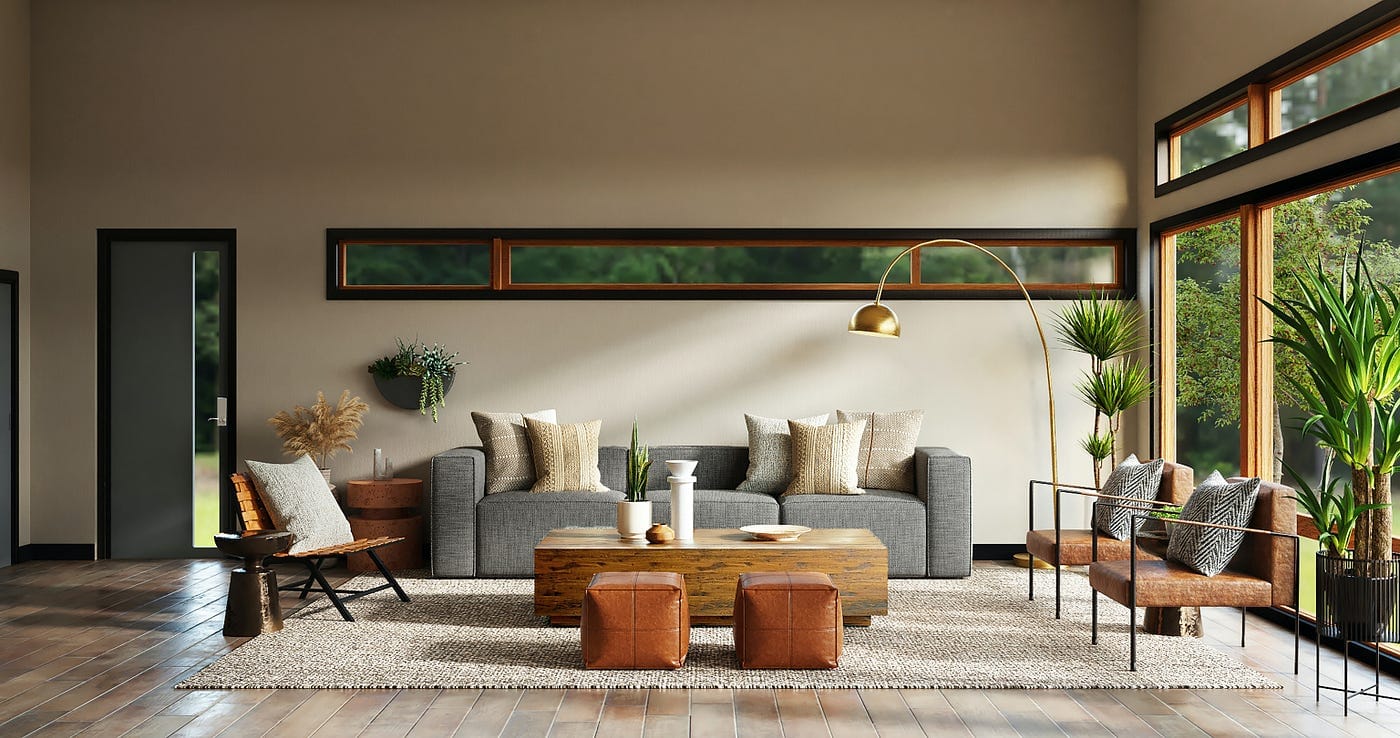
Combining wall and wood flooring can transform your interior design. Wood floors add a natural, timeless touch, while wall colors or textures can highlight this beauty. Choosing the right shades and finishes creates a seamless look, making your space feel cohesive.
Whether you prefer a modern or rustic vibe, wood floors serve as a versatile foundation. Pairing them with complementary wall treatments can elevate your décor. Consider how natural light interacts with both elements, as it can enhance the overall ambiance. Thoughtful choices in materials and colors will not only enhance visual appeal but also create a comfortable living environment.
Introduction To Wall And Wood Floor Aesthetics
Creating a harmonious space is key in interior design. Cohesion between walls and wood floors enhances beauty. Different colors and textures can work together to create a warm atmosphere.
Basic principles include balance, scale, and contrast. Balance ensures that no part of the room feels heavy. Scale involves choosing furniture that fits the room size well. Contrast helps highlight features in walls and floors.
Choosing the right wood type is also essential. Oak and maple are popular for their durability and beauty. Finishes can change the look, adding shine or a matte feel.
Choosing The Right Wood Floor Tone
Choosing the right wood floor tone can greatly affect your space. Warm tones create a cozy atmosphere. They include shades like honey and chestnut. These tones often make rooms feel inviting.
On the other hand, cool tones provide a modern and calm vibe. Colors like gray and ash belong to this group. They can make a room appear larger and brighter.
The role of lighting is crucial in selecting wood tones. Natural light can change how colors appear. Warm tones glow beautifully in sunlight, while cool tones can look sleek.
Consider the type of lighting in your room. Artificial lights can cast different hues. Always test wood samples under various lights for the best choice.
Wall Colors That Complement Wood Floors
Choosing the right wall colors enhances the beauty of wood floors. Neutral palettes work well with most wood types. Soft grays, beiges, and whites create a calm and inviting space. These shades let the floor shine without overwhelming it.
Bold and dramatic hues can also make a statement. Deep blues, rich greens, or vibrant reds add personality. These colors create contrast and excitement in the room. Balance bold walls with lighter decor for a harmonious look.
The Impact Of Texture And Pattern
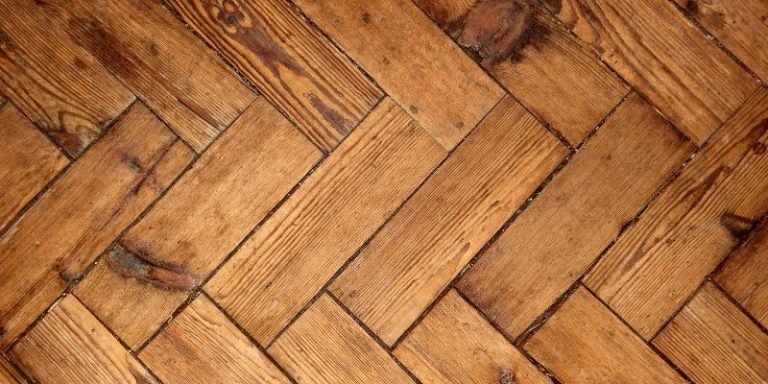
Wood grain adds a unique character to any space. Different types of wood have distinct grains. Oak, maple, and walnut are popular choices.
Choosing the right grain affects the overall look of your room. Fine grains give a smooth appearance, while coarse grains add texture. Consider the color of the wood as well.
Wall textures also play a vital role. Rough surfaces can create a cozy feel. Smooth walls often look more modern. Mixing textures can enhance the visual appeal of your space.
| Wood Type | Grain Type | Color |
|---|---|---|
| Oak | Open Grain | Light Brown |
| Maple | Fine Grain | Creamy White |
| Walnut | Straight Grain | Dark Brown |
Furniture And Decor Synergy
Creating a beautiful space involves choosing furniture that matches the wood types of your floors. Different woods have unique colors and textures. For a harmonious look, select pieces that complement your flooring. Oak, maple, and cherry are popular choices.
Accent pieces are essential. They can tie the room together. Think of using pillows, throws, or art that echoes the wood tones. A wooden coffee table can enhance the overall theme. Lighting also plays a key role. Choose fixtures that match the wood’s warmth or coolness.
| Wood Type | Best Furniture Match |
|---|---|
| Oak | Natural wood finishes |
| Maple | Light-colored fabrics |
| Cherry | Rich, dark tones |
Transitional Spaces And Flow
Creating smooth transitions between rooms helps improve overall design. Use similar materials for walls and floors to enhance flow. For instance, pair light-colored walls with wooden floors for a cohesive look.
Consider the style of each room. Use matching textures and patterns for a unified feel. Open spaces benefit from consistent colors and finishes. This approach ties everything together beautifully.
Choosing furniture that complements both wall and floor enhances the connection. Avoid abrupt changes in color or style. A seamless flow encourages movement and makes spaces feel larger.
Maintaining Balance With Rugs And Carpets
Choosing the right rug can enhance any room. Contrast and complementary colors play key roles. A rug that contrasts with the floor can create a striking look. For example, a dark rug on a light floor stands out.
On the other hand, a complementary rug blends well with the surroundings. This choice adds warmth and harmony. Think about the room’s color scheme when selecting a rug. Use colors that either pop or blend seamlessly.
Consider the room’s purpose too. A playful area might benefit from bright, contrasting colors. A calm space may need softer, complementary tones. Texture also matters; a soft rug invites relaxation.
The Role Of Accessories And Artwork
Selecting the right wall art can greatly impact your space. Choose pieces that reflect your style and personality. Bold colors can energize a room, while softer tones create calmness.
Consider the size and scale of your art. Large pieces can serve as focal points. Smaller items work well in groups for a gallery effect.
Textures and materials also matter. Mix canvas, framed prints, and metal art for visual interest. Incorporating natural elements like wood can enhance the warmth of your space.
Decorative elements like plants and shelves can enhance harmony. They add life and personality to walls. Choose accessories that complement your art for a cohesive look.
Case Studies: Successful Designs
Transforming spaces with wall and wood floors can create stunning results. Before and after images often show dramatic changes. A fresh coat of paint combined with new flooring can breathe life into any room.
Successful designs often feature light colors on walls. This choice makes rooms appear larger and brighter. Dark wood floors add warmth and contrast beautifully with light walls.
Choosing the right materials is key. For instance, durable wood can withstand high traffic areas. Consider using eco-friendly options for a sustainable choice.
| Before | After |
|---|---|
| Dark, outdated carpet | Bright, polished oak floors |
| Cracked, peeling paint | Fresh, soft pastel walls |
Incorporate textured accents to add depth. Use rugs to define spaces and provide comfort. Personal touches make any design feel like home.
Common Mistakes To Avoid
Choosing the right materials is vital. Overmatching materials can make a space feel dull. Use different textures to create interest.
Ignoring color undertones can lead to clashes. Always check the undertones of walls and floors. Warm tones pair well with other warm colors. Cool tones do the same with cool shades.
Test colors in the room’s light. Natural light changes how colors appear. Always sample materials together before making a choice.
Final Thoughts On Design Harmony
Creating a harmonious design requires careful thought. Professional advice can help achieve this balance. Experts understand how colors and textures interact. They can guide you in choosing the right wall and wood floor combinations.
Personalizing your space is essential. Your home should reflect your unique style. Consider using different materials for walls and floors. This adds depth and interest to any room.
Remember to focus on lighting. Good lighting enhances the beauty of your design. It highlights the features of both walls and floors. Always choose furniture that complements your overall look.
Frequently Asked Questions
What Are The Benefits Of Wall And Wood Floor Designs?
Wall and wood floor designs enhance aesthetic appeal and warmth in any space. They create a natural, inviting atmosphere and improve acoustic properties. Additionally, wood flooring is durable and sustainable, making it a smart choice for eco-conscious homeowners. The combination can elevate the overall interior design of your home.
How Do I Maintain Wood Floors And Walls?
Maintaining wood floors and walls requires regular cleaning and care. Use a soft broom or vacuum to remove dust and debris. For deeper cleaning, use a damp mop with a gentle cleaner. Avoid excessive water exposure to prevent damage. Regularly check for scratches and apply touch-up treatments as needed.
What Styles Work Best With Wood Floors And Walls?
Various styles complement wood floors and walls, such as rustic, modern, and traditional designs. Rustic styles often incorporate natural elements and earthy tones. Modern designs favor clean lines and minimalism, while traditional styles embrace rich colors and classic patterns. Choose a style that resonates with your personal taste and home decor.
Can I Install Wood Floors Over Existing Walls?
Yes, you can install wood floors over existing walls, but it requires careful planning. Ensure the wall surface is clean, dry, and structurally sound. Use appropriate adhesives and follow manufacturer guidelines for best results. Consult a professional if unsure about the installation process for optimal durability and aesthetic appeal.
Conclusion
Choosing the right wall and wood floor combination can transform your space. The harmony between textures adds warmth and character. Whether you prefer a rustic or modern look, thoughtful design enhances your home’s appeal. Invest time in selecting materials that reflect your style, and enjoy the beauty they bring to your environment.