Walnut Vs Maple Cutting Board: Which is Best for You?
Choosing the right cutting board is more than just a kitchen decision; it’s about enhancing your cooking experience and ensuring your meals are prepared safely. When it comes to selecting a cutting board, the debate often narrows down to two popular choices: walnut and maple.
Each has its own unique qualities, and understanding these can help you make the best decision for your kitchen needs. Are you wondering which type of cutting board could be the perfect fit for your culinary adventures? By the end of this article, you’ll have a clear idea of whether the rich elegance of walnut or the sturdy reliability of maple suits your cooking style and aesthetic preferences best.
Let’s dive into the details and find out which wood will make your kitchen happier and your meals tastier.
Material Differences
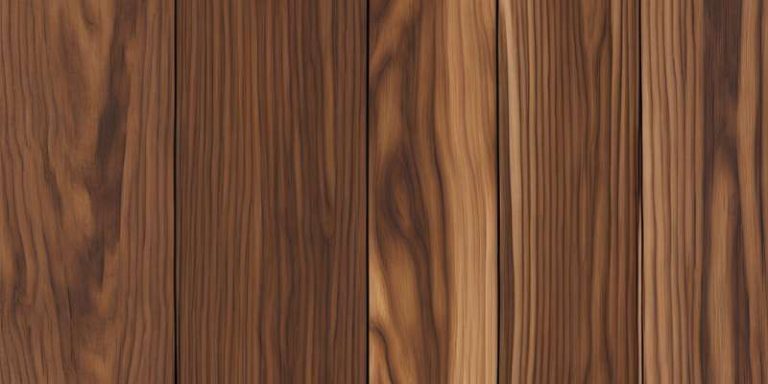
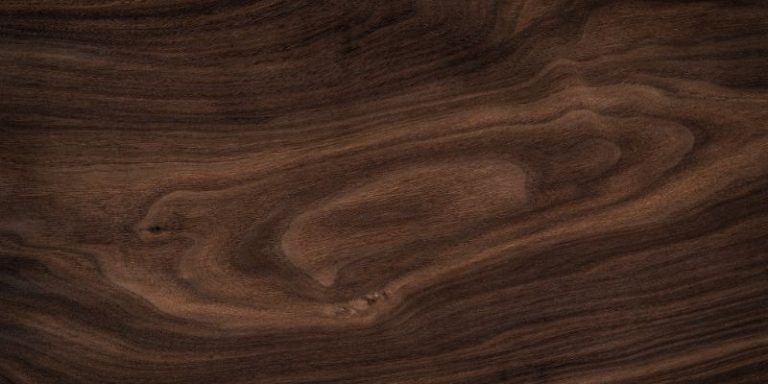
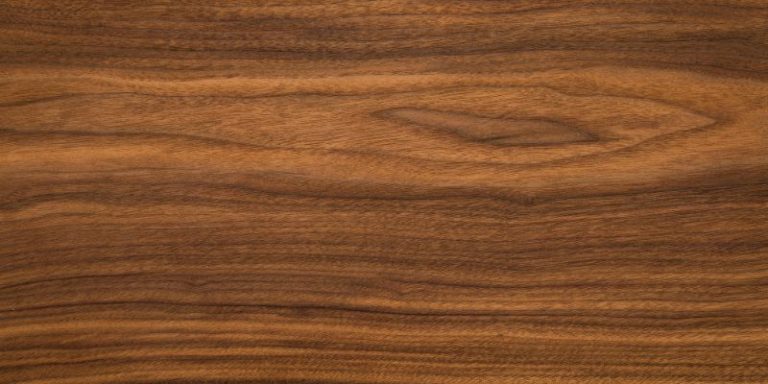
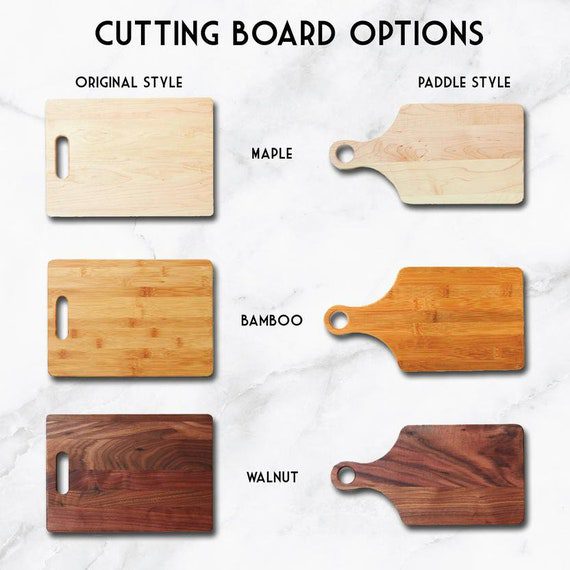
Walnut woodis dark and rich. It has a smooth texture. It feels soft under the knife. Maple woodis light-colored. It is dense and hard. It has a fine grain pattern. This makes it look elegant. Maple doesn’t stain easily.
Walnut boardsresist scratches well. They are long-lasting. But they may dent with heavy use. Maple boardsare stronger. They can withstand heavy chopping. Maple is more durable than walnut. It lasts longer in busy kitchens.

Credit: www.woodcuttingboardstore.com
Appearance And Aesthetics
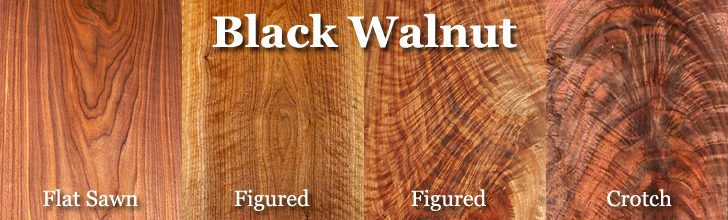
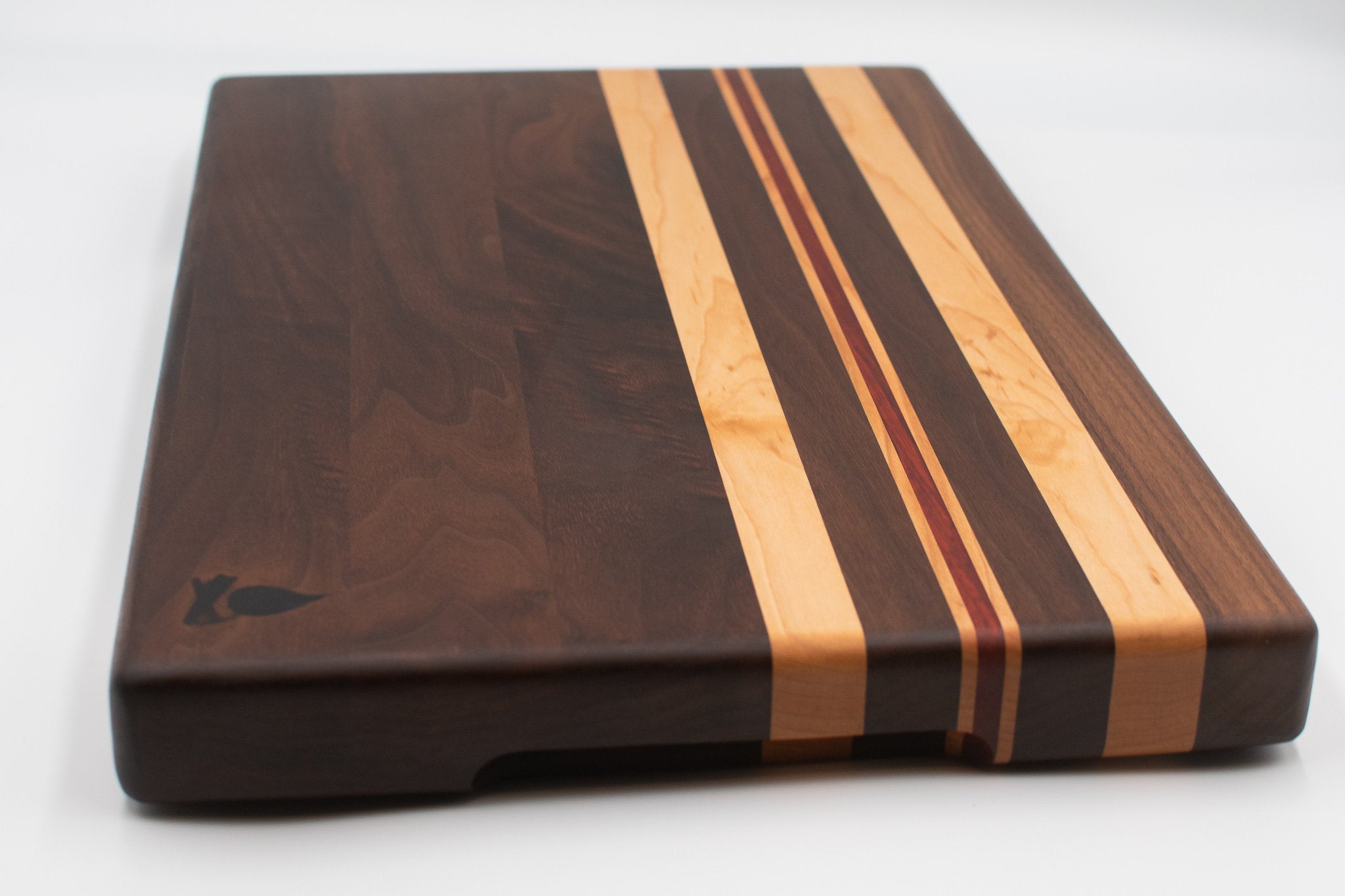
Walnut boards have a dark, rich color. They often show deep browns and chocolate hues. Maple boards are lighter. Their color ranges from white to pale yellow. Walnut has complex grain patterns. These patterns can swirl and twist. Maple grain is more straight and uniform. It looks clean and simple. Both woods have unique beauty. Each suits different tastes.
Walnut boards add warmthto kitchens. They suit rustic or traditional styles. Maple boards fit modern and minimalistkitchens. Their light color brightens spaces. Choose walnut for classic charm. Choose maple for a fresh look. Both enhance kitchen beauty. Pick based on your style.
Maintenance And Care
Clean cutting boards with warm, soapy water. Use a soft sponge for scrubbing. Avoid soaking the board in water. This causes damage. Dry it completely after cleaning. Oil the board regularly. Use mineral oil for best results. Spread oil with a clean cloth. Let the board absorb oil overnight. This keeps the board strong and shiny. Oil treatment helps prevent cracks. It also stops bacteria growth. Repeat oiling once a month.
Walnut and maple boards wear differently. Walnut boards are softer. They show knife marks easily. Maple boards are harder. They resist marks better. Both boards can last years. Proper care is needed for longevity. Regular oiling extends board life. Avoid cutting hard items on them. This prevents deep cuts. Deep cuts can hold bacteria. Keep the board dry always. Store boards upright to avoid warping.
Performance In The Kitchen
Walnut boards are gentle on knives. Their surface is softer. Knives stay sharper for longer. Maple boards are harder. They may dull knives quicker. Walnut boards offer better knife protection. Maple is strong but less gentle. Chefs love walnut for knife care.
Maple boards are tough. They resist scratches well. Walnut boards are softer. Scratches may appear faster. Maple is durable and long-lasting. Walnut has a softer touch. Both are good choices. Choose based on your need. Strong or gentle? Each has benefits.
Environmental Impact
Walnut woodgrows slowly and is often sourced from mature trees. This can affect long-term sustainability. Cutting boards from walnut can last for many years. They have a rich, dark color. Maple woodgrows faster and is more common. This makes it a popular choice for cutting boards. Maple boards are lighter in color and are often easier to find. Choosing maple helps with forest management.
Both walnut and maple boards can be eco-friendly. Many companies use sustainable practiceswhen making boards. They plant trees to replace those used. Some boards are made from recycled wood. This reduces waste. Look for boards with certifications. This shows they are made responsibly.
Credit: www.campfirewoodworks.com
Cost Considerations
Walnut cutting boardsusually cost more than maple ones. This is because walnut is a more expensive wood. The price for walnut boards can start at $50 and go higher. Maple cutting boardsare often cheaper. You can find them for around $30. Prices may vary based on size and brand.
Walnut boards offer a luxurious feel. They are durable and last longer. This makes them a good investment. Maple boards are cost-effective. They give good quality for less money. Both types of boards are great options. It depends on your budget and needs.
Personal Preferences
Choosing between walnut and maple cutting boards depends on personal taste. Walnut offers a rich, dark finish and is gentle on knives. Maple, with its lighter tone, provides a durable and classic look. Both offer unique benefits for kitchen use.
Cooking Habits
Choosing a cutting board affects cooking habits. Walnut boards are strong. They resist knife cuts. Maple boards are also strong. They are less prone to scratches. Maple is a hard wood. This makes it durable. Walnut is softer. It is gentle on knives. Walnut boards need more care. Maple boards are easy to clean. Both woods are safe for food. Chefs might prefer walnut. Home cooks might pick maple. Each board has unique benefits. Decide based on cooking style.
Aesthetic Preferences
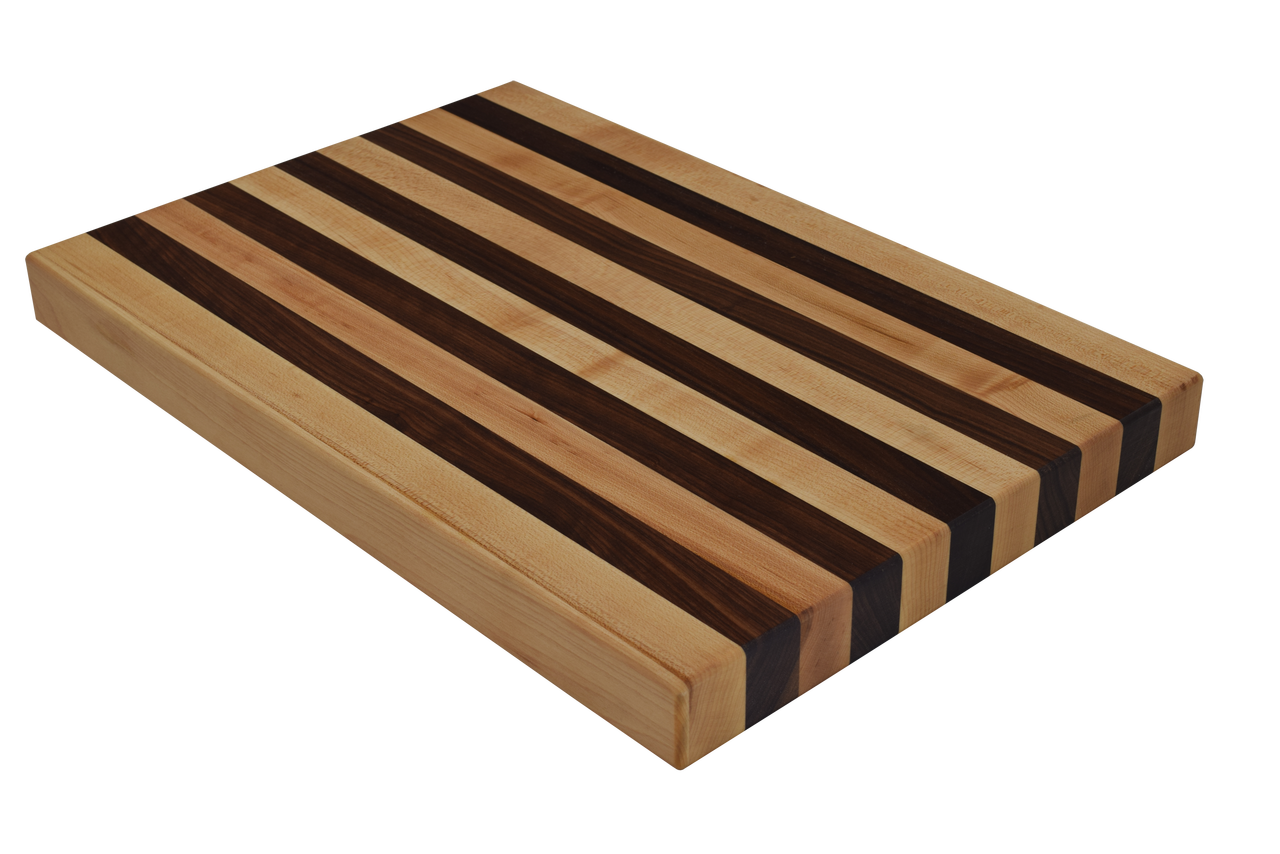
Walnut boards have rich, dark colors. They add elegance to kitchens. Maple boards are lighter. They offer a clean, simple look. Some people like dark wood. Others prefer light wood. Walnut’s grain patterns are unique. Maple has smoother lines. Both woods are beautiful. Kitchen design can guide choices. Dark wood suits modern spaces. Light wood fits traditional kitchens. Pick based on kitchen style. Personal taste matters too. Both options can enhance kitchen beauty.
Credit: hardwood-lumber.com
Frequently Asked Questions
Which Cutting Board Is More Durable, Walnut Or Maple?
Walnut cutting boards are slightly softer but highly durable. Maple boards are harder and resist scratches well. Both offer excellent longevity. Choose walnut for a gentler surface on knives and maple for extra toughness against wear.
Are Walnut Cutting Boards Better For Knives?
Walnut boards are softer than maple, reducing knife wear. They provide a gentler surface, preserving sharpness longer. This makes walnut an excellent choice for those prioritizing knife maintenance while still offering durability.
Does Maple Cutting Board Resist Stains Better?
Maple’s dense grain structure resists stains effectively. Its hard surface minimizes absorption, keeping it looking clean longer. Regular maintenance like oiling enhances its resistance, making maple a top choice for stain prevention.
Is Walnut Cutting Board More Expensive Than Maple?
Generally, walnut cutting boards are pricier due to their luxurious appearance and quality. Maple boards are more affordable but still offer excellent performance. Choose based on budget and aesthetic preferences without compromising quality.
Conclusion
Choosing between walnut and maple cutting boards is tough. Both offer unique benefits. Walnut boards provide dark, rich tones. Perfect for elegant kitchens. They resist stains well. Maple boards are lighter. They blend well with any decor. They are durable and easy to maintain.
Consider your needs. Style, function, and maintenance matter. Walnut suits a sophisticated look. Maple fits a classic and versatile design. Each option has its own charm. Decide based on your preference and kitchen needs. Whether walnut or maple, both are excellent choices.
Enjoy cooking with your new cutting board!