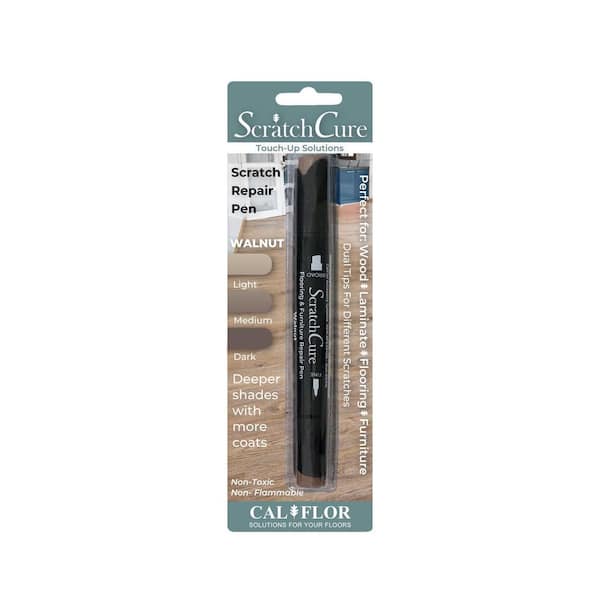
Walnut Wood Scratch Repair: Quick & Easy Solutions
Walnut wood scratches can be addressed using a few simple methods. Quick fixes include using a wood polish or a mixture of olive oil and vinegar.
Walnut wood is prized for its rich color and unique grain patterns, making it a popular choice for furniture and cabinetry. However, its softness can make it susceptible to scratches. Understanding how to care for walnut wood is essential to maintaining its beauty and longevity.
Regular maintenance can help prevent damage, while quick repair methods can restore its appearance. Whether you’re a homeowner or a woodworking enthusiast, knowing how to deal with scratches will keep your walnut pieces looking their best. Explore effective techniques and tips to protect and enhance your walnut wood surfaces, ensuring they remain stunning for years to come.
Introduction To Walnut Wood
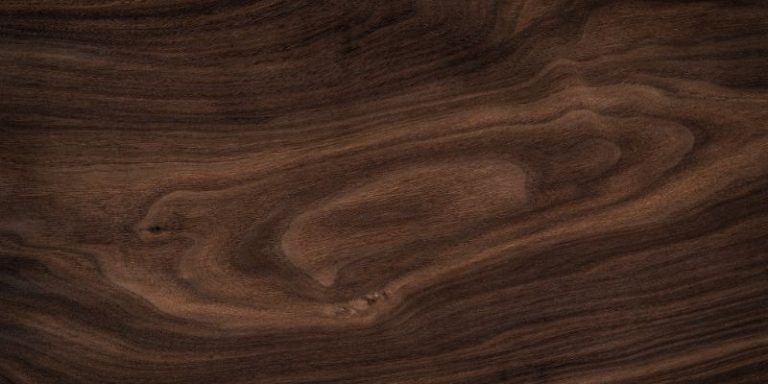
Walnut wood is famous for its rich color and smooth texture. Its deep brown hues add warmth to any space. Many people love walnut for its unique grain patterns. This wood type looks beautiful in furniture and cabinetry.
Common uses of walnut wood include:
- Furniture: Tables, chairs, and cabinets.
- Cabinetry: Kitchen and bathroom cabinets.
- Flooring: Durable and attractive flooring options.
- Decorative items: Bowls, cutting boards, and art pieces.
Walnut wood is not only beautiful but also very strong. This makes it a popular choice for many projects.
Initial Assessment Of Scratches
To assess scratches on walnut wood, start by identifying the scratch depth. Light scratches usually affect only the finish. They can often be repaired easily. Deeper scratches penetrate the wood itself, needing more attention.
Different walnut wood finishes can also affect how scratches appear. Here are some common types:
| Finish Type | Characteristics |
|---|---|
| Oil Finish | Enhances wood grain; easy to repair. |
| Lacquer Finish | Hard and durable; may chip or crack. |
| Polyurethane Finish | Strong and water-resistant; hard to repair. |
Identifying the type of finish helps determine repair methods. Always consider the wood’s natural beauty when fixing scratches.
Cleaning The Surface
To clean walnut wood surfaces, gather these materials:
- Soft cloth
- Warm water
- Wood cleaner
- Olive oil
- White vinegar
Follow this simple process to clean your walnut wood:
- Mix warm water with a few drops of wood cleaner.
- Dampen the soft cloth in the solution.
- Gently wipe the surface in the direction of the grain.
- For tough spots, use a mix of olive oil and white vinegar.
- Buff the surface with a dry cloth for shine.
Minor Scratch Repair Techniques
Minor scratches on walnut wood can be fixed easily. Using walnut meat is a simple method. Rub the fresh walnut meat on the scratch. The natural oils help fill in the scratch. Wipe away any excess with a soft cloth.
Another option is applying oil-based products. Use a suitable wood oil or polish. Apply a small amount to the scratched area. Gently rub it in using a soft cloth. This will enhance the wood’s appearance and protect it.
Both methods are effective and easy to do. They help restore the beauty of walnut wood.
Dealing With Deeper Scratches
Sanding is crucial for fixing deeper scratches in walnut wood. Start with coarse sandpaper to remove the scratch. Use a sander or sand by hand in the direction of the grain. Move to finer sandpaper for a smooth finish. Clean the area well after sanding.
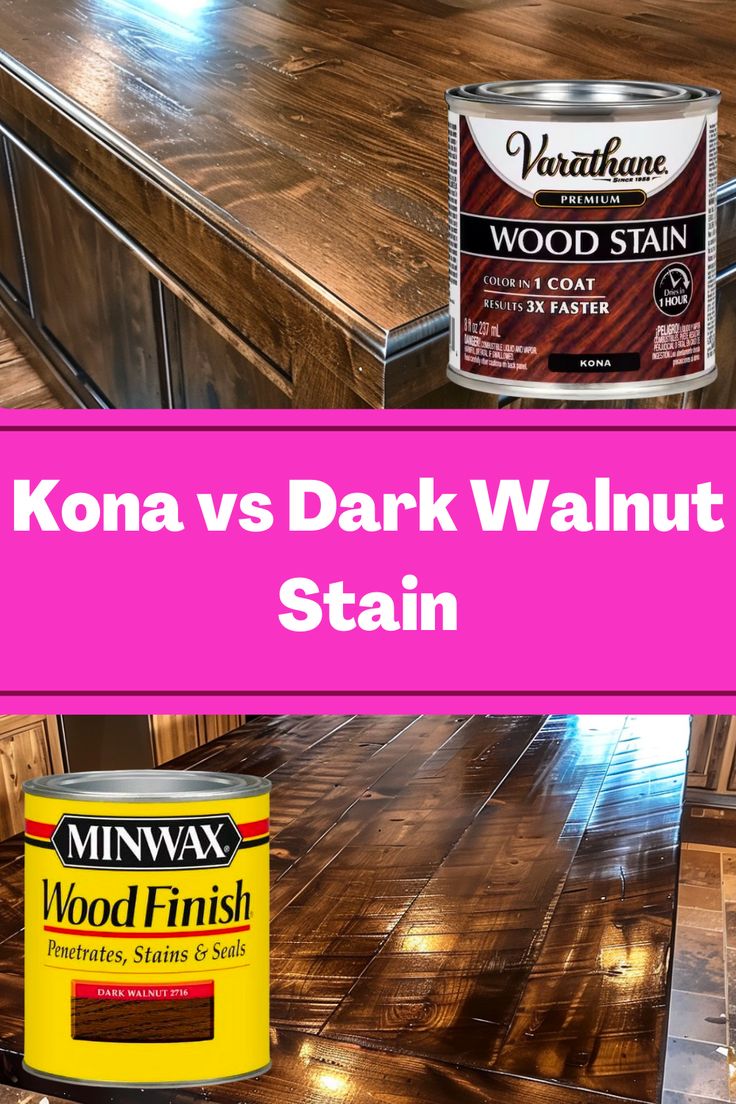
Stain matching can be tricky. Choose a stain that closely resembles the wood’s original color. Test the stain on a hidden area first. Apply the stain evenly with a cloth or brush. Allow it to dry completely before adding a finish.
Finishing After Scratch Repair
Choosing the right finish for your walnut wood after a scratch repair is essential. A suitable finish enhances the wood’s natural beauty. Popular options include polyurethane, oil-based, and water-based finishes.
Apply the finish carefully for the best results. Start by cleaning the surface to remove dust. Use a soft cloth or brush for application. Always follow the manufacturer’s instructions for drying times. Sand lightly between coats for a smooth finish.
Test the finish on a small area first. This ensures it matches your desired look. Proper ventilation is important during application. Wear a mask for safety to avoid inhaling fumes.
Preventing Future Scratches
Regular maintenance keeps walnut wood looking great. Clean the surface often with a soft cloth. Avoid using harsh cleaners that can damage the wood. Apply a wood conditioner every few months to protect its finish.
Protective measures help prevent future scratches. Use coasters under drinks to avoid moisture rings. Place felt pads under furniture legs to stop scratches on the floor. Avoid dragging items across the surface, as this can cause damage.
Store heavy items carefully. A well-placed mat or rug can help protect the wood. Regularly check for any signs of wear or damage. Address issues quickly to maintain the beauty of your walnut wood.
Professional Repair Vs. Diy
Professional repair is often the best choice for serious damage. Experts can restore your walnut wood to its original beauty. They use special tools and techniques that DIY methods may lack.
Consider the cost-benefit analysis before deciding. Hiring a professional might seem expensive. Yet, it can save money on future repairs. A professional ensures quality work, which prevents further issues.
Assess the severity of the scratch. Small, shallow scratches can often be fixed at home. For deep scratches or significant damage, professionals provide the best results.
| Situation | Recommendation |
|---|---|
| Minor scratches | DIY repair |
| Deep scratches | Call a professional |
| Extensive damage | Professional repair |
Frequently Asked Questions
What Causes Scratches On Walnut Wood?
Scratches on walnut wood typically occur due to friction from objects or pets. Dirt and debris can also contribute to scratches. Regular maintenance, like dusting, can help prevent this. Using coasters and protective pads is advisable to minimize damage.
How Can I Repair Scratches On Walnut Wood?
To repair scratches on walnut wood, start by cleaning the area with a soft cloth. You can use a walnut stain marker or a wood repair kit. For deeper scratches, consider using wood filler that matches the wood’s color. Sand lightly and apply a finish for a seamless look.
Can I Prevent Scratches On Walnut Furniture?
Yes, you can prevent scratches on walnut furniture by using coasters and placemats. Avoid dragging items across the surface. Regularly polish your furniture with a suitable wood conditioner. Keeping pets’ nails trimmed can also help reduce scratches significantly.
Is Walnut Wood Durable Against Scratches?
Walnut wood is relatively durable but not scratch-proof. It has a strong grain that resists minor wear. However, sharp objects can still cause scratches. Regular care and maintenance can enhance its longevity and appearance. Use protective measures to keep your walnut wood looking pristine.
Conclusion
Walnut wood is prized for its beauty and durability. Yet, scratches can detract from its appeal. Regular maintenance and protective measures can help preserve its stunning finish. Embrace the natural elegance of walnut wood while ensuring it remains scratch-free. With care, your walnut surfaces will shine for years to come.