Wax Vs Polyurethane Furniture: Which is Best for You?
Are you struggling to choose the right finish for your beloved furniture? You’re not alone.
The choice between wax and polyurethane can be overwhelming, especially when you want to protect your investment and keep it looking fabulous for years to come. You might wonder which one will give your furniture that perfect touch of elegance while ensuring durability.
By the end of this article, you’ll discover the secrets behind these two popular finishes, helping you make an informed decision with confidence. Whether you’re a DIY enthusiast or simply looking to refresh your home’s look, understanding the pros and cons of wax and polyurethane can transform your furniture from mundane to magnificent. Stick with us as we unravel the mystery and guide you to the perfect finish for your furniture.
Wax Finish
Wax gives furniture a soft and natural look. It has a warm feel. Wax is often used for antique pieces. It is easy to apply. Wax can be buffed for a nice shine. It is not very durable. Regular maintenance is needed. It can be sensitive to heat.
Wax makes wood look rich and warm. It is easy to apply. You can do it yourself. It is cost-effective. Wax is great for small projects. It adds a natural shine. It enhances wood grain beautifully.
Wax is not durable. It needs frequent reapplication. It can be damaged by water. It is not good for high-traffic areas. It can get scratched easily. Heat can ruin the finish. It does not protect well against stains.
Wax is perfect for antique furniture. Use it for small wooden items. Great for pieces that won’t see much use. It is ideal for decorative woodwork. Wax is best for indoor furniture. Avoid using it on tables used for eating.
Polyurethane Finish
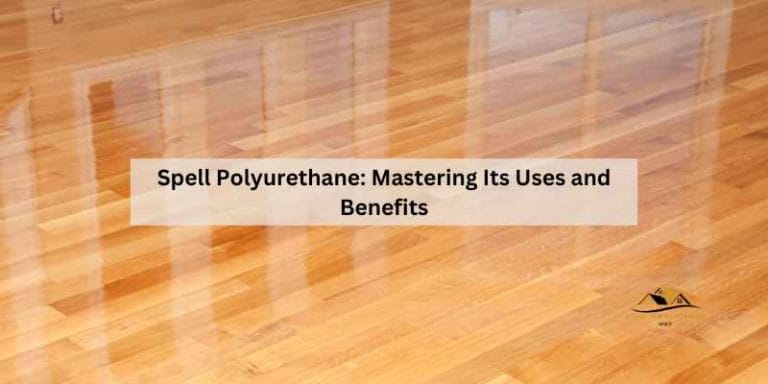
Polyurethane finish offers a robust layer of protection for furniture surfaces, ideal for high-traffic areas. Compared to wax, it provides longer-lasting durability and a glossy sheen, enhancing the wood’s natural beauty. Perfect for those seeking a low-maintenance solution that withstands wear and tear over time.
Characteristics Of Polyurethane
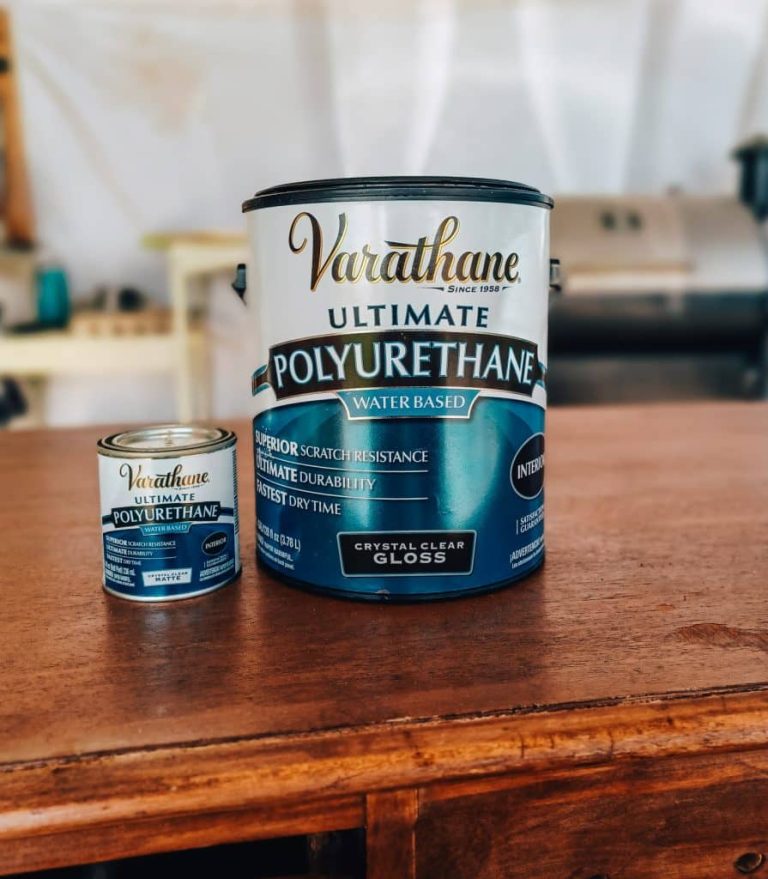
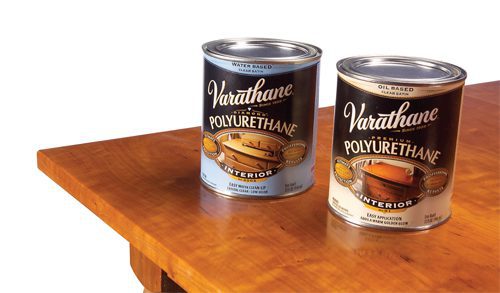
Polyurethane is a tough and durablefinish. It is often used on furniture. It gives a clear, shiny look. It can resist water and scratches. This makes furniture last longer. Polyurethane comes in two types: oil-based and water-based. Oil-based is thicker and more durable. Water-based dries faster and has less smell. Both types protect furniture well.
Pros Of Using Polyurethane
- Very durableand long-lasting.
- Gives a shiny and clearfinish.
- Protects from water and scratches.
- Available in different finishes: glossy, semi-gloss, and satin.
Cons Of Using Polyurethane
- Can yellowover time.
- Oil-based has a strong smell.
- Requires careful applicationto avoid bubbles.
- Needs time to dry completely.
Best Uses For Polyurethane
Polyurethane is great for tables and chairs. It works well on floors too. Use it on wood that needs strong protection. It is ideal for kitchen cabinets. It makes surfaces smooth and shiny. Polyurethane is perfect for outdoor furniture. It helps furniture last in rain and sun.
Comparing Durability
Waxgives furniture a soft glow. It looks natural and warm. But in busy places, it can wear off fast. You may need to reapply it often. This can be a hassle.
Polyurethaneis very strong. It stays on furniture for a long time. Busy areas are not a problem. It keeps furniture looking nice and clean. It requires less upkeep.
Wax can scratch easily. It also lets stains stick. This can make furniture look bad. You might have to fix it often.
Polyurethane is tough. It helps furniture resist scratches. It also keeps stains away. Your furniture stays neat and clean for longer. This means less worry for you.
Ease Of Application
Wax is easy to apply on furniture. First, clean the surface well. Then, use a soft cloth to spread the wax. Rub it in small circles. Wax can be a bit sticky. So, take your time. Let it dry for a short while. Finally, buff the surface with a clean cloth. Wax gives a soft shine. It’s perfect for a quick makeover.
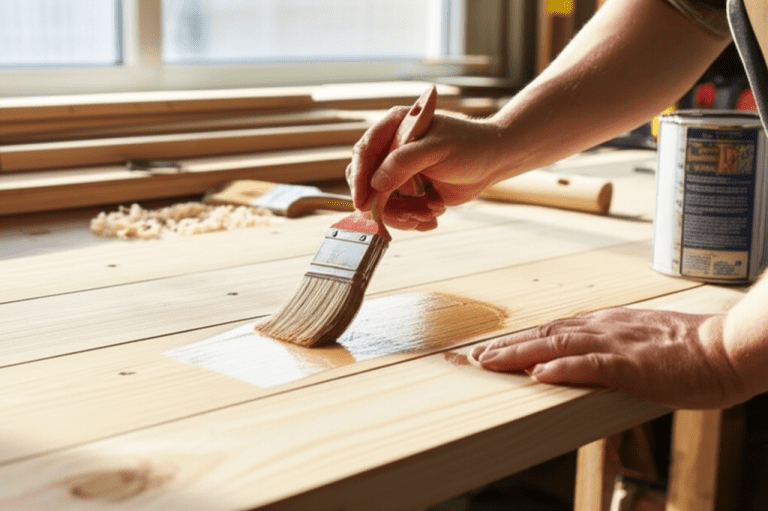
Polyurethane takes a bit more work. You need a brush or spray. Always work in a clean area. Apply a thin coat first. Let it dry completely. Sand lightly between coats. This helps in making it smooth. Usually, two or three coats are good. Polyurethane gives a shiny, strong finish. It can protect well against scratches.
Wax needs less time and effort. It is quick to apply. Great for small projects. Polyurethane needs more time. You must wait for each coat to dry. Sanding adds more time too. Effort is higher with polyurethane. It lasts longer, so it might be worth it. Choose based on your need and time.
Maintenance And Care
Dust the furniture often. Use a soft cloth for best results. Wax finishes need regular reapplication. Apply wax every 6 to 12 months. This keeps the surface smooth and shiny. Avoid using water on waxed surfaces. Water can damage the finish. If spills occur, wipe them quickly. Never use harsh chemicals on waxed furniture.
Clean polyurethane furniture with a damp cloth. This helps remove dust and dirt. Use mild soap if needed. Avoid using abrasive cleaners. These can scratch the surface. Dry the furniture with a soft towel. This prevents water spots. Polyurethane is durable, but still needs care.
For wax finishes, rub a matching wax stick on scratches. Buff the area with a soft cloth. This can hide minor scratches. Polyurethane finishes need a different approach. Lightly sand the damaged area. Apply a thin layer of polyurethane. Let it dry. Sand again if needed for a smooth finish.

Credit: entriways.com
Environmental Impact
Wax is a natural product. It comes from bees or plants. People use it for many years. Biodegradable and non-toxic, it is safe for the environment. Wax does not release harmful chemicals. It breaks down easily in nature. This makes it a great choice for eco-friendly furniture. Renewable and sustainable, wax supports a cleaner planet.
Polyurethane is a man-made product. It comes from chemicals. Not biodegradable, it stays in the environment. This makes it less eco-friendly. Polyurethane can release harmful fumes over time. It is not the best for nature. But it protects furniture well. People still choose it for its durability.
Cost Comparison
Comparing costs reveals that wax finishes are typically more affordable than polyurethane for furniture. While polyurethane offers durability, wax provides a natural look and easy application, often at a lower price. Consider your budget and desired finish when deciding.
Initial Costs
Wax is often cheaper than polyurethane. Polyurethane costs more because it lasts longer. Wax is a good choice for small budgets. Polyurethane needs more money upfront. Wax doesn’t need special tools for use. Polyurethane may need brushes or sprayers. Wax has fewer steps in its use. Polyurethane can take more time to apply. Wax is easy for new users. Polyurethane needs careful use.
Long-term Value
Polyurethane furniture stays strong for years. Wax may need more care and reapplication. Polyurethane protects against scratches and spills. Wax is less resistant to damage. Polyurethane makes furniture look new longer. Wax may dull over time. Polyurethane needs less frequent attention. Wax needs regular upkeep for best shine. Polyurethane is ideal for busy homes. Wax suits those who enjoy frequent care.
Credit: www.youtube.com
Choosing The Right Finish
Choosing between waxand polyurethanedepends on your needs. Wax offers a soft shine. It feels warm and natural. Polyurethane is strong and durable. It protects well against scratches.
Think about where the furniture will be. High-use areas need more protection. Polyurethane is good for this. Less-used pieces do well with wax. Wax is easy to apply but needs redoing. Polyurethane lasts longer and needs less care.
Personal style matters in choosing a finish. Wax gives a classic look. It fits well with vintage styles. Polyurethane offers a modern feel. It suits sleek, new furniture. Your style choice can affect the look of the room.
Some people like the soft feel of wax. Others prefer the hard surface of polyurethane. Both finishes have their unique charm.
Credit: quicksandsupplies.com.au
Frequently Asked Questions
What Is Better For Furniture, Wax Or Polyurethane?
Polyurethane provides a durable finish, protecting against scratches and moisture. Wax offers a more natural look and is easier to repair. Choose polyurethane for high-traffic areas and wax for a softer, vintage appearance.
How Long Does Wax Finish Last On Furniture?
Wax finishes last about 6 months to a year, depending on use and environmental conditions. Regular maintenance and reapplication are necessary to maintain the furniture’s appearance and protection.
Can You Apply Wax Over Polyurethane?
Yes, you can apply wax over polyurethane for added sheen and protection. Ensure the polyurethane is fully cured before applying wax. It enhances the look and provides a softer feel.
Is Polyurethane Safe For Indoor Furniture?
Polyurethane is safe for indoor furniture once fully cured. It provides strong protection and is resistant to water and chemicals. Ensure proper ventilation during application and curing.
Conclusion
Choosing between wax and polyurethane depends on your needs. Wax provides a natural look. It’s easy to apply. Polyurethane offers strong protection. It lasts longer. Consider your furniture’s usage. Think about the environment too. Wax is ideal for vintage pieces.
Polyurethane suits modern furniture. Evaluate maintenance requirements. Wax needs regular reapplication. Polyurethane requires less upkeep. Budget can also influence your decision. Wax is generally cheaper. Polyurethane costs more but offers durability. Both options have pros and cons. Your choice reflects your style and practical needs.
Make an informed decision for your furniture’s best finish.