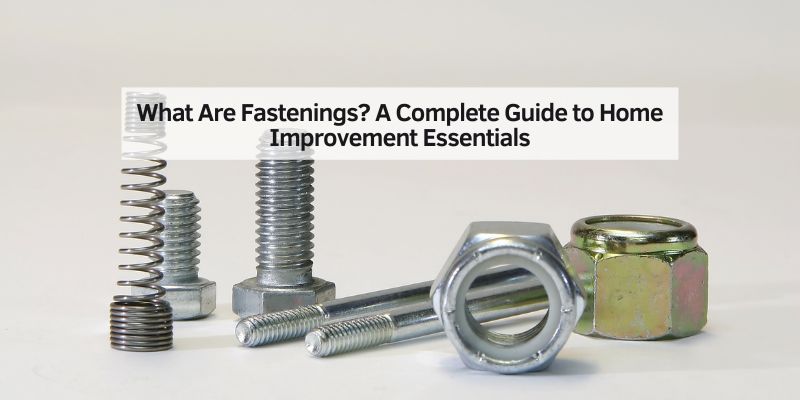
What Are Fastenings? A Complete Guide to Home Improvement Essentials
Hey there! If you’ve ever tackled a home improvement project, you’ve probably come across fastenings. But what are fastenings, exactly? They’re the unsung heroes that hold our furniture, walls, and DIY dreams together. Think of them as the glue—well, more like the screws, bolts, or nails—that keep everything sturdy and secure. As someone who’s spent countless weekends building shelves and fixing cabinets, I’m excited to share everything I’ve learned about fastenings with you. Let’s dive into this world of tiny but mighty tools and explore how they can make your projects shine.
Understanding the Basics of Fastenings
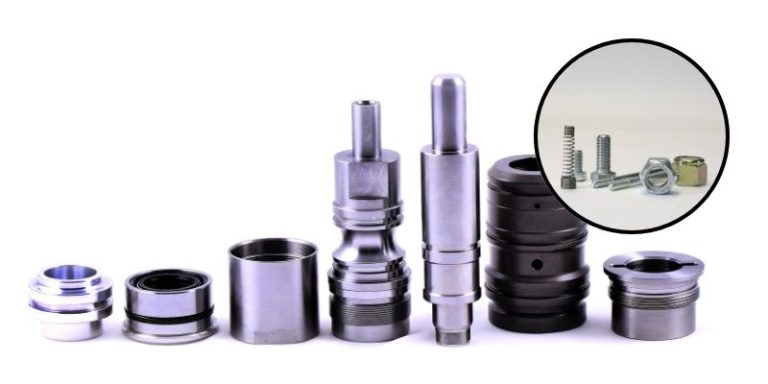
When I first started my home improvement journey, I thought fastenings were just screws or nails. But oh, was I wrong! Fastenings are any hardware used to join or secure materials together. They’re the backbone of construction, woodworking, and even simple household repairs. Whether you’re assembling a bookshelf or fixing a loose door hinge, fastenings make it happen.
So, what makes fastenings so special? They come in all shapes and sizes, each designed for a specific job. Some grip tightly, others allow movement, and some are purely decorative. Over the years, I’ve learned that choosing the right fastening can make or break a project. Let’s break down the most common types to help you understand what’s out there.
Types of Fastenings: What’s in Your Toolbox?
There’s a whole world of fastenings out there, and I’ve spent plenty of time rummaging through hardware store aisles to figure them out. Here are the main types you’ll encounter in home improvement:
- Nails: These are simple metal pins driven into materials with a hammer. I use nails for quick jobs like hanging picture frames or securing baseboards. They’re great for wood but not ideal for heavy loads.
- Screws: Oh, screws are my go-to! They have threads that grip materials tightly when turned with a screwdriver. I’ve used them for everything from building decks to assembling furniture. They’re stronger than nails and easier to remove.
- Bolts: When I need serious strength, I reach for bolts. These are like screws but need a nut to secure them. I used bolts when I built a pergola in my backyard—they’re perfect for heavy-duty projects.
- Anchors: These are lifesavers for drywall or masonry. I learned this the hard way when I tried hanging a heavy mirror without one. Anchors expand inside walls to hold screws securely.
- Rivets: These are permanent fastenings used in metalwork. I’ve seen them in HVAC ducts and even used them for a custom metal gate project.
- Clips and Clamps: These hold things together without penetrating the material. I use clamps when gluing wood pieces—they’re like an extra pair of hands.
To make it easier, here’s a quick table summarizing these fastenings:
| Fastening Type | Best For | Strength | Ease of Use |
|---|---|---|---|
| Nails | Wood, light framing | Moderate | Easy |
| Screws | Wood, metal, furniture | High | Moderate |
| Bolts | Heavy-duty construction | Very High | Moderate |
| Anchors | Drywall, masonry | High | Moderate |
| Rivets | Metal, permanent joints | High | Hard |
| Clips/Clamps | Temporary holds, gluing | Varies | Easy |
Each type has its place, and I’ve learned to keep a variety in my toolbox. Knowing which one to use comes with experience—and a few mistakes along the way!
Why Choosing the Right Fastening Matters
I can’t tell you how many times I’ve picked the wrong fastening and ended up with a wobbly shelf or a stripped screw. Choosing the right fastening is like picking the perfect ingredient for a recipe—it affects the whole outcome. Here’s why it’s so important:
First, the material you’re working with makes a big difference. Wood loves screws and nails, but metal might need bolts or rivets. I once tried using regular screws in drywall without anchors, and let’s just say my TV mount didn’t stay up for long.
Second, consider the load. Lightweight projects, like a picture frame, can handle nails. But for something heavy, like a porch swing, you’ll need bolts or heavy-duty screws. I learned this when my first attempt at a swing collapsed—thankfully, no one was sitting on it!
Finally, think about whether you want the fastening to be permanent or removable. Screws and bolts can be taken out, but rivets are there for good. I love screws for furniture because I can disassemble things if I move.
How to Use Fastenings Like a Pro
Using fastenings isn’t just about hammering or screwing things in. There’s a bit of an art to it. Here’s what I’ve picked up over the years:
- Pre-drill holes: For screws, I always drill a pilot hole slightly smaller than the screw size. It prevents wood from splitting and makes screwing easier. I skipped this step once, and my oak board cracked—lesson learned!
- Use the right tools: A good screwdriver or drill is your best friend. I invested in a cordless drill, and it’s saved me so much time. For bolts, keep a wrench handy for the nuts.
- Check for rust resistance: If you’re working outside, like on a deck, use fastenings made of stainless steel or coated for weather resistance. I had to replace rusty screws on my fence after just one winter.
- Don’t overtighten: I’ve stripped plenty of screws by going too hard with my drill. Tighten just enough to secure the joint—don’t go Hulk mode!
One tip I swear by: always have extras. Fastenings are tiny, and they love to roll under furniture or disappear into the carpet. Keep a stash of different sizes for emergencies.
Common Mistakes to Avoid with Fastenings
I’ve made my fair share of blunders with fastenings, and I want to save you the headache. Here are some common mistakes I’ve learned to avoid:
- Using the wrong size: A screw that’s too short won’t hold, and one that’s too long can poke through. I measure twice now after ruining a cabinet door.
- Mixing metals: Combining different metals, like aluminum and steel, can cause corrosion. I stick to matching materials for outdoor projects.
- Ignoring the surface: Anchors are a must for drywall or concrete. I learned this after a shelf pulled right out of my wall.
- Skipping safety gear: Drilling or hammering can send bits flying. I always wear safety glasses now after a close call with a metal splinter.
Trust me, taking a little extra time to plan saves a lot of frustration later.
Fastenings for Different Home Improvement Projects
Every project has its own needs, and I’ve tackled enough to know which fastenings work best. Here’s a rundown of what I use for common tasks:
- Furniture Assembly: Screws and dowel pins are perfect for flat-pack furniture. I used cam bolts for an IKEA dresser, and it’s still standing strong.
- Decking and Fencing: Stainless steel screws or bolts are my choice for outdoor projects. They resist rust and hold up against the elements.
- Drywall Repairs: Anchors paired with screws are essential for hanging shelves or TVs. I use toggle bolts for extra-heavy items.
- Woodworking: For fine woodworking, I love wood screws with a countersink head for a flush finish. They give a polished look to cabinets and tables.
Each project is a chance to learn what works. I keep a notebook with notes on which fastenings I used for each job—it’s like my DIY diary!
Where to Buy Quality Fastenings
Finding good fastenings can feel overwhelming with so many options. I usually head to my local hardware store, but online retailers are great too. Here’s where I shop:
- Home Depot or Lowe’s: These stores have huge selections of screws, bolts, and anchors. I love browsing the aisles and chatting with staff for advice.
- Online Retailers: Amazon and specialty sites like Bolt Depot have every size and type imaginable. I order in bulk online to save money.
- Local Hardware Stores: Smaller shops often have unique fastenings and better customer service. I found rare brass screws at a local store for a vintage project.
Pro tip: Check the packaging for details like material and load capacity. It’s worth spending a bit more for quality fastenings that won’t fail you.
Eco-Friendly and Sustainable Fastenings
As someone who cares about the planet, I’ve started looking for sustainable fastenings. Some companies now make screws and bolts from recycled metals. They’re just as strong but better for the environment. I also reuse fastenings when I can—like taking apart old furniture to salvage screws.
Another tip: choose fastenings that last. Stainless steel or galvanized bolts resist rust, so you won’t need to replace them as often. It’s a small way to reduce waste and save money.
Conclusion
After years of hammering, screwing, and bolting my way through home improvement projects, I can tell you that fastenings are more than just hardware—they’re the key to bringing your ideas to life. From nails for quick fixes to bolts for heavy-duty builds, these tiny tools pack a big punch. I hope this guide has shown you how versatile and essential fastenings are. Next time you’re at the hardware store, grab a few extras and experiment with different types. You’ll be amazed at how much easier your projects become with the right fastening in hand. Happy building!
FAQs About Fastenings
What’s the difference between a screw and a bolt?
A screw has threads that grip directly into a material, like wood or metal, and you drive it in with a screwdriver. A bolt, on the other hand, goes through a hole and needs a nut to secure it. I use screws for most furniture projects and bolts for heavy structures like pergolas.
Can I use nails instead of screws?
Sometimes, but it depends on the job. Nails are great for light tasks like hanging trim, but screws offer more strength and are easier to remove. I switched to screws for shelving after nails loosened over time.
How do I choose the right fastening for drywall?
For drywall, anchors are your best friend. Pair them with screws for hanging shelves or heavy decor. I use plastic anchors for light items and toggle bolts for heavier ones like TVs.
Are there fastenings for outdoor projects?
Yes! Look for fastenings made of stainless steel or galvanized metal to resist rust. I use these for decks and fences because they hold up in rain and snow.
How do I avoid stripping screws?
To avoid stripping screws, use a pilot hole and don’t overtighten. I also match the screwdriver to the screw head—Phillips or flathead—and use a drill with adjustable torque. It’s saved me a lot of frustration!