What Are Furniture Sliders? A Game-Changer for Easy Moving
Hey there! Have you ever struggled to move a heavy couch or a bulky dresser across your living room? I know I have. It’s exhausting, and sometimes it feels like you’re wrestling a bear! That’s where furniture sliders come in. These little tools are like magic for anyone who needs to rearrange their home without breaking their back or scratching their floors. If you’re wondering, “What are furniture sliders?” don’t worry—I’ve explored this topic inside and out, and I’m excited to share everything I’ve learned with you. Let’s dive into why these handy gadgets are a must-have for every homeowner.
My First Encounter with Furniture Sliders
A few years ago, I was redecorating my apartment. I wanted to move my heavy oak bookshelf to the other side of the room. I pushed, I pulled, and I even tried bribing my brother to help. Nothing worked, and I was worried about scratching my hardwood floors. Then, a friend mentioned furniture sliders. I was skeptical at first—how could a small disc make such a big difference? But after trying them, I was hooked. They made moving that bookshelf feel like sliding a puck on ice. Since then, I’ve used them for everything from rearranging my living room to helping friends move into new homes. So, let’s break down what furniture sliders are and why they’re so awesome.
What Exactly Are Furniture Sliders?
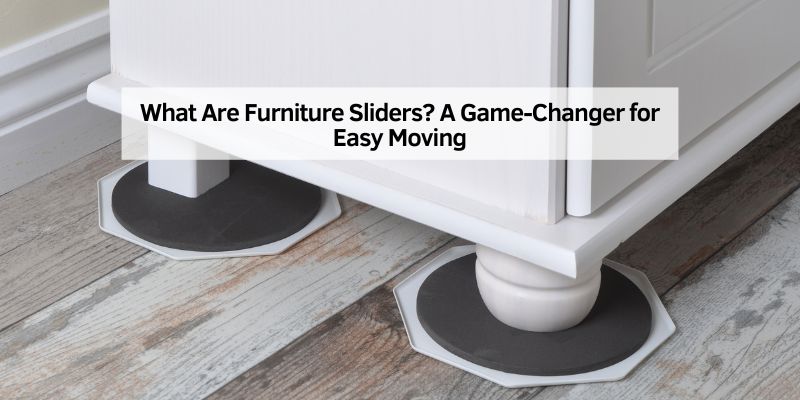
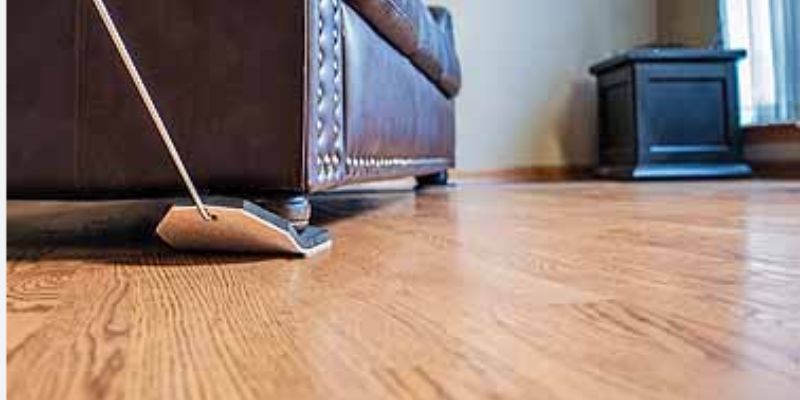
Furniture sliders are small, flat devices you place under the legs or corners of heavy furniture to make it easier to move. Think of them as tiny skateboards for your couch or bed. They reduce friction between the furniture and the floor, letting you glide heavy items across the room with minimal effort. They come in different shapes, sizes, and materials, depending on the type of floor you have and the furniture you’re moving.
I remember the first time I saw one—it was a small, round plastic disc with a smooth bottom. I thought, “This can’t possibly work for my giant dining table.” But it did! Whether you’re moving a chair, a refrigerator, or even a piano, there’s a furniture slider designed to help.
Why Should You Use Furniture Sliders?
Let me tell you, furniture sliders aren’t just about making moving easier (though they do that amazingly well). They have a bunch of other benefits that make them a game-changer. Here’s why I love them:
- Protect Your Floors: I’ve got hardwood floors in my home, and the thought of scratches makes me cringe. Sliders create a smooth barrier, so your furniture doesn’t scrape or dent your floors.
- Save Your Back: Before sliders, I’d end up sore for days after moving furniture. With sliders, you use less force, which means less strain on your muscles.
- Save Time: Rearranging a room used to take hours. Now, I can slide my couch or table into place in minutes.
- Versatile for All Surfaces: Whether you have carpet, hardwood, tile, or laminate, there’s a slider that works for your floor type.
- Affordable: Most sliders cost less than $20 for a set. Compare that to hiring movers or replacing scratched floors!
When I helped my sister move her heavy armoire last month, we used sliders and finished the job in half the time. Plus, her floors stayed spotless. It felt like a small victory!
Types of Furniture Sliders
Not all furniture sliders are the same. Over the years, I’ve tried a bunch of different types, and each has its own strengths. Here’s a rundown of the most common ones:
Plastic Sliders
These are the ones I started with. They’re usually made of hard plastic with a smooth surface, perfect for carpeted floors. They’re super affordable and work great for lighter furniture like chairs or small tables. But I learned the hard way that they’re not ideal for hardwood—sometimes they can slip too much.
Felt Sliders
Felt sliders are my go-to for hardwood, tile, or laminate floors. The soft felt bottom glides smoothly and protects delicate surfaces from scratches. I use these under my dining chairs, and they’ve been a lifesaver for keeping my floors pristine.
Rubber or Foam Sliders
These are heavier-duty sliders, often used for appliances or really bulky furniture. The rubber or foam grips the furniture leg tightly, so it doesn’t slip off while you’re moving. I used rubber sliders when I moved my fridge last year, and they handled the weight like champs.
Reusable vs. Disposable Sliders
Some sliders are designed for one-time use, like during a big move. Others are reusable and can stick around for years. I prefer reusable ones because they’re more cost-effective and eco-friendly. Plus, I can keep them handy for whenever I feel like rearranging.
Here’s a quick comparison of the main types of sliders:
| Type | Best For | Pros | Cons |
|---|---|---|---|
| Plastic Sliders | Carpeted floors | Affordable, great for light furniture | Not ideal for hardwood or heavy items |
| Felt Sliders | Hardwood, tile, laminate | Protects floors, smooth gliding | May wear out over time |
| Rubber/Foam Sliders | Appliances, heavy furniture | Strong grip, durable | Can be pricier, less versatile |
How to Use Furniture Sliders Like a Pro
Using furniture sliders is super easy, but I’ve picked up a few tricks to make the process even smoother. Here’s how I do it:
- Clean the Floor: Before you start, sweep or vacuum the area. Dirt or small pebbles can scratch your floor or make the sliders less effective.
- Choose the Right Slider: Make sure you pick sliders that match your floor type and furniture weight. I once used plastic sliders on hardwood, and they slid too fast—lesson learned!
- Lift and Place: Lift one corner of the furniture (get a friend to help if it’s heavy) and place a slider under each leg or corner. If the furniture has uneven legs, make sure the sliders are secure.
- Push Gently: Start pushing the furniture slowly. You’ll be amazed at how easily it moves! I like to have someone guide the furniture to avoid bumping into walls.
- Remove and Store: Once the furniture is in place, remove the sliders and store them for next time. Reusable sliders can be kept in a drawer for quick access.
The first time I used sliders, I was nervous about my couch tipping over. But as long as you move slowly and keep the sliders secure, it’s a breeze.
Where to Use Furniture Sliders
One thing I love about furniture sliders is how versatile they are. You can use them in so many situations. Here are a few places where they’ve saved the day for me:
- Rearranging Rooms: Whether it’s moving a sofa to face the TV or shifting a bed for a new layout, sliders make it quick and easy.
- Moving Homes: When I moved to my current house, sliders helped me get heavy furniture into place without hiring movers.
- Protecting Floors During Parties: I hosted a big holiday party last year and used sliders to move furniture out of the way. No scratches, no stress!
- Appliance Maintenance: Need to clean behind your fridge or washer? Sliders make it easy to pull them out and push them back.
I even used sliders to help my neighbor move a piano across her living room. It was a two-person job, but the sliders made it feel like we were moving a lightweight chair.
Choosing the Right Furniture Sliders
With so many options out there, picking the right sliders can feel overwhelming. Here’s what I’ve learned to look for:
- Size and Weight Capacity: Check the weight limit on the sliders. Most can handle up to 100-200 pounds per slider, but heavy items like pianos need stronger ones.
- Floor Type: Match the slider to your floor. Felt for hardwood, plastic for carpet, and rubber for heavy appliances.
- Shape: Round sliders are great for most furniture, but square or rectangular ones work better for appliances or furniture with flat bases.
- Durability: If you plan to reuse them, invest in high-quality sliders. Cheap ones can crack or wear out quickly.
- Brand: I’ve had good luck with brands like SuperSliders and EZ Moves. They’re reliable and widely available at hardware stores or online.
Pro tip: If you’re unsure, buy a variety pack. They come in different sizes and materials, so you can test what works best.
Common Mistakes to Avoid
I’ve made my fair share of mistakes with furniture sliders, so let me save you some trouble. Here are things to watch out for:
- Using the Wrong Slider: Putting plastic sliders on hardwood can cause slips or scratches. Always double-check your floor type.
- Not Securing the Sliders: If the sliders aren’t snug under the furniture legs, they can pop out mid-move. I’ve had this happen, and it’s annoying!
- Moving Too Fast: It’s tempting to push furniture quickly, but slow and steady prevents accidents.
- Skipping Floor Prep: Dirt or debris can get trapped under sliders, so always clean the floor first.
Once, I tried moving a dresser without cleaning the floor, and a tiny piece of grit left a small scratch. I was so mad at myself! Now, I always sweep first.
Furniture Sliders vs. Other Moving Tools
You might be wondering how sliders stack up against other moving tools, like dollies or lifting straps. Here’s my take based on my experiences:
- Sliders vs. Dollies: Dollies are great for transporting furniture long distances, like during a move. But for small adjustments in a room, sliders are easier and don’t require as much setup.
- Sliders vs. Lifting Straps: Straps help you lift heavy items, but they don’t protect floors or make sliding easier. I use sliders for floor-level movement and straps for carrying furniture upstairs.
- Sliders vs. Nothing: Before sliders, I’d just push furniture and hope for the best. That led to sore muscles and scratched floors. Sliders are a clear winner!
For most home rearranging, sliders are my go-to because they’re simple, affordable, and effective.
Where to Buy Furniture Sliders
You can find furniture sliders at most hardware stores, big-box retailers, or online. I’ve bought mine from places like Home Depot, Lowe’s, and Amazon. Prices usually range from $5 for a basic set to $30 for heavy-duty or reusable ones. If you’re on a budget, check dollar stores or discount retailers—sometimes they have decent options for cheap.
Online, I like to read reviews to make sure I’m getting durable sliders. Look for sets with at least a 4-star rating and comments about how well they work on your floor type.
Tips for Long-Term Use
To get the most out of your furniture sliders, here are some tips I’ve picked up:
- Store Them Properly: Keep sliders in a dry place to prevent damage. I toss mine in a labeled ziplock bag so they’re easy to find.
- Clean Them Regularly: Dust or dirt can stick to sliders, especially felt ones. Wipe them down with a damp cloth to keep them in top shape.
- Check for Wear: Felt sliders can wear out over time, so inspect them before each use. Replace them if they look thin or frayed.
- Use for Temporary Moves: If you’re rearranging for a party or cleaning, leave sliders under furniture for easy adjustments later.
I keep a set of sliders in my toolbox now. They’re as essential as a hammer or screwdriver for me!
My Favorite Furniture Slider Success Story
One of my favorite moments with furniture sliders was when I helped my parents rearrange their living room for a family reunion. They wanted to move a massive sectional sofa to open up space. Without sliders, it would’ve taken hours and probably a few arguments. But with a set of heavy-duty rubber sliders, we had the sofa in place in under 10 minutes. My dad was so impressed he went out and bought his own set the next day. It’s moments like that that make me a furniture slider fan for life.
Wrapping It All Up
So, what are furniture sliders? They’re simple, affordable tools that make moving heavy furniture a breeze while protecting your floors and saving your energy. Whether you’re rearranging your home, moving to a new place, or just need to clean behind the fridge, sliders are a lifesaver. I’ve used them for years, and they’ve never let me down. From plastic sliders for carpets to felt ones for hardwood, there’s a slider for every job. They’re easy to use, versatile, and worth every penny.
If you haven’t tried furniture sliders yet, I can’t recommend them enough. Grab a set, and you’ll wonder how you ever lived without them. They’ve made my home projects so much easier, and I’m sure they’ll do the same for you. Happy sliding!
Frequently Asked Questions
What are furniture sliders made of?
Furniture sliders are usually made of plastic, felt, rubber, or foam. The material depends on the floor type and furniture weight. Plastic works best for carpets, while felt is great for hardwood or tile. Rubber or foam sliders are ideal for heavy items like appliances.
Can furniture sliders damage my floors?
When used correctly, furniture sliders protect your floors by reducing friction. However, using the wrong type (like plastic on hardwood) or moving over a dirty floor can cause scratches. Always clean the floor first and choose sliders designed for your floor type.
How much weight can furniture sliders handle?
Most sliders can handle 100-200 pounds per slider, but heavy-duty ones can support more. Check the weight capacity on the package, especially for large items like pianos or refrigerators.
Are furniture sliders reusable?
Yes, many furniture sliders are reusable, especially high-quality felt or rubber ones. Clean and store them properly to make them last longer. Disposable sliders are also available for one-time moves.
Can I leave furniture sliders under furniture permanently?
You can, but I don’t recommend it for heavy furniture, as constant pressure might damage the sliders or floor over time. For lightweight items like chairs, reusable felt sliders are fine for long-term use.