What Are Ratchets: Your Ultimate Guide to This Essential Tool
Hey there, fellow car enthusiast! If you’ve ever popped the hood of your car or tackled a DIY project, you’ve probably come across a ratchet. I remember the first time I held one in my hand, feeling that satisfying click as I tightened a bolt—it was love at first turn! As someone who’s spent countless hours in the garage and explored every nook and cranny of automotive tools, I’m thrilled to dive into the question, “What are ratchets?”
In this article, I’ll share everything I’ve learned about these handy tools, from how they work to why they’re a must-have for any mechanic or car lover in the USA. So, grab a wrench—or better yet, a ratchet—and let’s get started on this journey through the world of ratchets!
What Is a Ratchet?
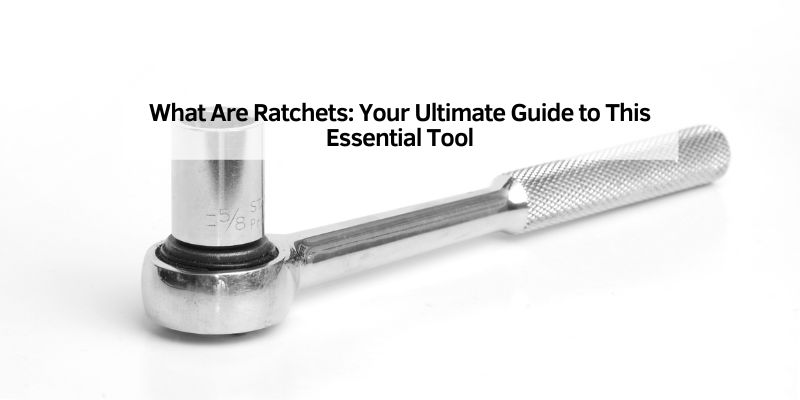
Let’s kick things off with the basics. A ratchet is a hand tool that lets you turn bolts or nuts without having to lift and reposition it after each turn. It’s got a special mechanism inside that allows it to rotate in one direction to tighten or loosen, while “ratcheting” back in the opposite direction without moving the fastener. That clicking sound you hear? That’s the ratchet doing its magic.
I first used a ratchet when I was helping my dad swap out a car battery. The tight space made it tough to use a regular wrench, but the ratchet made it a breeze. It’s like having a superpower in your toolbox—fast, efficient, and perfect for getting the job done.
How Does a Ratchet Work?
Now, let’s peek inside to see what makes a ratchet tick. The heart of a ratchet is its gear mechanism. Inside the head, there’s a gear with teeth that meshes with a pawl—a small piece that locks the gear in one direction. When you turn the handle, the pawl engages the gear, driving the socket or fastener. When you swing it back, the pawl slips over the teeth, making that familiar clicking sound, and the fastener stays put.
I’ve taken apart an old ratchet just to see how it works, and it’s pretty cool. Most ratchets have a switch or lever to change the direction, so you can tighten or loosen with the same tool. The number of teeth in the gear matters too—more teeth mean smoother action. It’s simple but genius!
Types of Ratchets
Not all ratchets are the same, and I’ve tried a bunch to figure out what’s what. Here’s a breakdown of the main types you’ll find:
- Standard Ratchet: The classic model with a fixed head. It’s great for most automotive jobs, like changing spark plugs.
- Quick-Release Ratchet: Has a button to pop off sockets easily. I love this one for jobs where I’m switching socket sizes a lot.
- Flex-Head Ratchet: The head pivots, so you can work at tricky angles. It’s a lifesaver under the dashboard.
- Fine-Tooth Ratchet: More teeth (like 80 or 100) for smoother, tighter turns. Perfect for precision work.
- Extendable Ratchet: The handle extends for extra leverage. I use mine for stubborn bolts that won’t budge.
Each type has its place in my toolbox. I started with a standard ratchet but added a flex-head and quick-release over time. Here’s a table to compare them:
| Type | Key Feature | Best For |
|---|---|---|
| Standard Ratchet | Fixed head, simple design | General car repairs, DIY projects |
| Quick-Release Ratchet | Button to release sockets | Fast socket changes, busy jobs |
| Flex-Head Ratchet | Pivoting head for angles | Tight spaces, awkward bolts |
| Fine-Tooth Ratchet | High tooth count for smooth action | Precision tasks, delicate fasteners |
| Extendable Ratchet | Adjustable handle length | Heavy-duty tasks, stubborn bolts |
Why Are Ratchets So Useful?
You might be wondering why ratchets are such a big deal. For me, it’s all about how they make work easier. Here’s why I can’t live without them:
- Speed: You don’t have to reset the tool after each turn, so you get the job done faster. I timed myself once, and a ratchet cut my bolt-tightening time in half compared to a regular wrench.
- Tight Spaces: Ratchets shine in cramped spots, like under a car’s engine. I’ve squeezed mine into places a regular wrench couldn’t dream of reaching.
- Versatility: With different sockets, one ratchet can handle tons of bolt sizes. It’s like having a whole set of wrenches in one tool.
- Comfort: The handle is easy to grip, and the ratcheting action means less strain on your wrist. My hands thank me after a long day in the garage.
I remember using a ratchet to fix a loose exhaust on my old truck. The job was in a super tight spot, but the ratchet made it feel like a walk in the park.
Common Drive Sizes for Ratchets
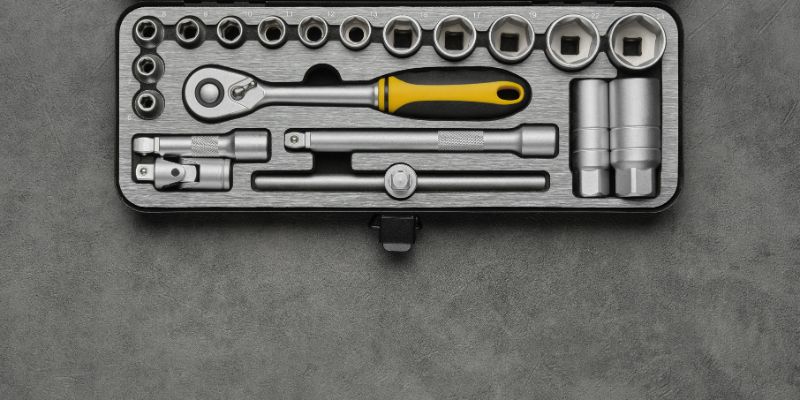
Ratchets come in different drive sizes, which is the size of the square that connects to the socket. I’ve learned to pick the right one for the job. Here’s what you need to know:
- 1/4-Inch Drive: Small and lightweight, great for small bolts, like on interior car parts. I use this for delicate jobs, like installing a new stereo.
- 3/8-Inch Drive: The most versatile size. It’s my go-to for most car repairs, like brake jobs or suspension work.
- 1/2-Inch Drive: Heavy-duty for big bolts, like on wheels or engine mounts. I pull this out when I need serious torque.
- 3/4-Inch and 1-Inch Drives: These are for industrial jobs, like working on big rigs. I’ve never needed these for my cars, but they’re out there.
I keep a 3/8-inch and a 1/2-inch ratchet in my toolbox. They cover 90% of what I do, from oil changes to swapping out alternators.
Choosing the Right Ratchet
Picking a ratchet can feel overwhelming with so many options. I’ve bought a few duds, so here’s what I look for now:
- Tooth Count: More teeth mean smoother action. I love my 80-tooth ratchet for tight spaces, but 60 teeth is fine for most jobs.
- Material: Chrome-vanadium steel is tough and resists rust. I avoid cheap ones—they break under pressure.
- Grip: A comfy handle makes a difference. I like rubberized grips for long sessions.
- Brand: Snap-on, Craftsman, and GearWrench are my favorites. Snap-on is pricey but worth it; Craftsman is great for budget buys.
- Size: Match the drive size to your needs. A 3/8-inch is a solid starter.
My first ratchet was a no-name brand, and it stripped after a month. Now I stick to quality, and it’s saved me time and frustration.
How to Use a Ratchet Properly
Using a ratchet is easy, but there are tricks to get it right. I’ve learned these from trial and error:
- Pick the Right Socket: Make sure it fits the bolt snugly. A loose socket can slip and round off the bolt.
- Set the Direction: Flip the switch to tighten (clockwise) or loosen (counterclockwise). I always double-check to avoid stripping threads.
- Apply Steady Pressure: Don’t jerk the handle—smooth turns work best. I let the ratchet do the work, not my muscles.
- Work in Tight Spots: Use short swings if space is limited. My flex-head ratchet is perfect for this.
- Release Sockets: If it’s a quick-release, push the button to pop the socket off. It’s so satisfying!
I once stripped a bolt because I used the wrong socket size—big mistake. Now I take my time to set up right, and it’s smooth sailing.
Caring for Your Ratchet
A good ratchet can last a lifetime if you treat it well. My dad’s old Craftsman ratchet is still kicking after 30 years. Here’s how I keep mine in shape:
- Clean It: Wipe off grease and dirt after use. I use a rag and some degreaser to keep it shiny.
- Lubricate: A drop of oil in the ratchet head every few months keeps it smooth. I do this while watching a car race on TV.
- Store Properly: Keep it in a toolbox or on a rack. I used to toss mine in a drawer, and it got scratched up.
- Don’t Abuse It: Avoid using it as a hammer or for super heavy jobs it’s not built for. I broke a cheap one doing that.
Taking care of your ratchet is like maintaining your car—a little effort keeps it running forever.
Ratchets vs. Other Wrenches
You might wonder how ratchets compare to other wrenches. I’ve used them all, and here’s the deal:
- Open-End Wrench: Great for quick jobs, but needs repositioning. I use these for simple tasks, but grab a ratchet for speed.
- Box-End Wrench: Stronger than open-end but still slow. Good for high-torque jobs, but not as fast as a ratchet.
- Adjustable Wrench: Versatile, but can slip. I avoid these for critical bolts—ratchets are more reliable.
- Torque Wrench: For precise tightening, like on wheel lugs. I use a torque wrench to finish what my ratchet starts.
For most car work, a ratchet wins for speed and ease. I only pull out other wrenches for specific tasks.
Why Ratchets Are a Must for Car Enthusiasts
If you’re into cars, a ratchet is your best friend. It’s perfect for everything from oil changes to suspension upgrades. I’ve used mine to rebuild a carburetor, swap out brakes, and even fix a loose bumper. The speed and precision save time, and the ability to work in tight spots is a game-changer.
I remember helping a buddy restore a classic Mustang. We spent hours under the hood, and our ratchets were the MVPs. That clicking sound is like music when you’re deep in a project. Whether you’re a pro mechanic or a weekend tinkerer, a ratchet makes you feel unstoppable.
Electric and Pneumatic Ratchets
While I love my manual ratchets, there are powered options too. I’ve tried both, and they’re awesome for certain jobs:
- Electric Ratchet: Battery-powered for speed. I used one for a tire rotation, and it was crazy fast. Great for repetitive tasks but pricey.
- Pneumatic Ratchet: Air-powered for pro shops. I borrowed one at a friend’s garage, and it’s a beast for heavy-duty work.
I still prefer my manual ratchet for most jobs—it’s reliable and doesn’t need charging or an air compressor. But if you do a lot of high-volume work, a powered ratchet is worth a look.
Where to Buy a Ratchet
Ready to get your own ratchet? I’ve shopped around a lot, and here are my go-to spots:
- Auto Parts Stores: AutoZone and Advance Auto have solid selections. I grabbed a Craftsman ratchet at AutoZone for a great price.
- Online: Amazon and Home Depot have tons of options. I read reviews to avoid duds.
- Tool Trucks: Snap-on and Matco trucks visit shops and car shows. I got my Snap-on ratchet from a tool truck guy who let me try it first.
- Big Box Stores: Lowe’s and Walmart have budget-friendly brands like Kobalt. Good for starters.
Prices range from $20 for a basic ratchet to $100+ for premium ones. I say invest in a good one—it’ll pay off in the long run.
Common Mistakes to Avoid
I’ve made my share of ratchet rookie errors, so let me save you some grief:
- Wrong Socket Size: Always double-check. I rounded off a bolt once because I was rushing.
- Over-Torquing: Don’t use a ratchet for final tightening on sensitive parts. I use a torque wrench for that.
- Forcing It: If it’s stuck, don’t muscle through. I broke a ratchet trying to loosen a rusted bolt—use a breaker bar instead.
- Cheap Tools: Low-quality ratchets strip or jam. I learned to spend a bit more for reliability.
Take your time and use the right tool for the job. Your ratchet will thank you!
Ratchets in Automotive Culture
As a car guy, I love how ratchets are part of automotive culture. They’re a symbol of getting your hands dirty and making things work. At car shows, you’ll hear mechanics swapping stories about their favorite ratchets, like they’re old friends. I’ve got a Snap-on ratchet that’s practically a trophy in my garage.
Ratchets also show up in car-themed gear, like keychains and T-shirts. I even saw a custom ratchet-shaped shift knob once—talk about gearhead style! For anyone who loves cars, a ratchet is more than a tool; it’s a badge of honor.
Conclusion
After diving deep into the world of ratchets, I’m more in love with these tools than ever. From their clever gear mechanism to their unbeatable speed and versatility, ratchets are a must-have for any car enthusiast or mechanic. Whether you’re tightening bolts on a classic car, swapping out parts on your daily driver, or just tinkering in the garage, a ratchet makes every job easier and more fun. I’ve shared my journey with these tools, from my first click to my current toolbox full of them, and I hope you’re inspired to grab one and get to work.
So, next time you’re under the hood, listen to that satisfying click and know you’re part of a long tradition of gearheads who rely on ratchets to keep the wheels turning. Here’s to more projects, more clicks, and more time in the garage!
Frequently Asked Questions
What’s the difference between a ratchet and a regular wrench?
A ratchet lets you turn bolts without repositioning, thanks to its ratcheting mechanism. A regular wrench needs to be lifted and reset after each turn.
What drive size should I get for car repairs?
A 3/8-inch drive is the most versatile for car work, like brakes or engine repairs. A 1/2-inch is great for heavier tasks, like wheel lugs.
How many teeth should a good ratchet have?
Look for at least 60 teeth for general use. An 80-tooth or higher is smoother and better for tight spaces.
Can I use a ratchet for everything?
Not quite. Use a torque wrench for precise tightening and a breaker bar for super-stuck bolts. Ratchets are best for speed and general tasks.
How do I clean my ratchet?
Wipe it with a rag and degreaser after use. Add a drop of oil to the head every few months to keep it smooth.
Are expensive ratchets worth it?
Yes, for frequent use. Brands like Snap-on last forever, but budget brands like Craftsman are great for casual mechanics.
What’s a quick-release ratchet?
It has a button to easily pop off sockets, saving time when you’re switching sizes. It’s my favorite for busyjobs.