What Are Tarps Considered in Chart of Accounts? A Guide for Automotive Businesses
Hey there, friend! So, you’re curious about what tarps are considered in the chart of accounts? I’m really glad you brought this up because it’s a topic that’s super relevant for us automotive folks who run shops, haul parts, or manage car-related businesses. I remember when I first started tracking expenses for my auto repair shop—tarps were a lifesaver for protecting car parts, but figuring out where they fit in my books was a bit of a puzzle.
After digging into accounting and chatting with my bookkeeper, I got the hang of it, and now I’m excited to share what I’ve learned. Whether you’re a mechanic, a car hauler, or running a detailing business, knowing how to categorize tarps in your chart of accounts keeps your finances tidy and your business humming. Let’s sit down, like we’re chatting over a workbench in your garage, and I’ll break it all down in simple steps. This guide is packed with practical tips for anyone in the USA running an automotive business. Ready to clear up the confusion? Let’s dive in!
What Is a Chart of Accounts?
A chart of accounts is like a roadmap for your business’s money. It’s a list of all the categories you use to track what comes in and goes out. Think of it as labeled buckets where you put every dollar, whether it’s for parts, rent, or tarps. I set one up for my shop years ago, and it made tax time way less stressful.
The chart splits into five main groups: assets, liabilities, equity, revenue, and expenses. For tarps, we’re mostly looking at expenses or assets, depending on how you use them. Each category gets a name and number, like “5000 – Supplies Expense,” so you can track things easily. I use QuickBooks, and it organizes my chart so I know exactly where every penny goes.
Why Tarps Matter in Automotive Businesses
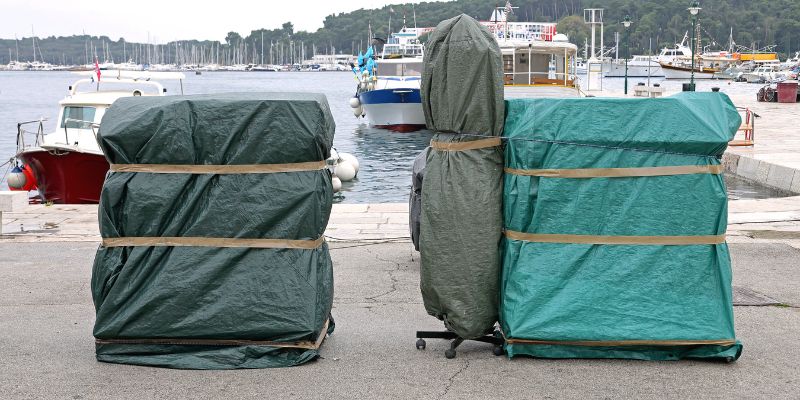
Tarps are a big deal in our world. I use them all the time in my shop to cover cars during painting, protect parts from dust, or shield tools from rain. If you haul cars or parts, you probably use heavy-duty tarps to secure loads on your flatbed. They’re cheap, versatile, and save you from costly damage.
But here’s the thing—tarps aren’t just a random purchase. They’re an expense or asset you need to track properly. I learned this when my accountant asked why I had a pile of tarp receipts under “Miscellaneous.” Sorting them into the right account helps you see what you’re spending, plan your budget, and claim tax deductions. Plus, it keeps your books clean if the IRS ever comes knocking.
How Are Tarps Classified in a Chart of Accounts?
This is the big question, and it depends on how you use the tarps. I’ve bought tarps for different reasons, and each gets recorded differently. Here’s how it usually shakes out:
- Supplies Expense: Most tarps in automotive businesses count as supplies. These are small, everyday items you use up quickly, like 10-mil poly tarps for covering cars. I record these under “5000 – Supplies Expense” because they’re gone in a few months.
- Cost of Goods Sold (COGS): If you sell tarps—like a parts store might—or use them in a service that customers pay for, they go under COGS. For example, if I include a tarp in a car detailing package, it’s part of “4000 – Cost of Goods Sold.”
- Fixed Assets: Heavy-duty tarps, like 18-oz vinyl ones for long-term use on a flatbed, might count as assets if they last years. I’d record these under “1000 – Fixed Assets” and depreciate them over time.
- Inventory: If you stock tarps to sell later, like in a retail auto parts shop, they’re inventory. I’d put them in “1200 – Inventory” until sold, then move them to COGS.
I usually stick with Supplies Expense for my shop’s tarps because they’re cheap and don’t last long. But my buddy who hauls cars uses Fixed Assets for his vinyl tarps since they’re pricey and durable.
Supplies Expense: The Most Common Category for Tarps
Let’s talk about Supplies Expense since it’s where most tarps land. This account tracks stuff you buy for daily operations that gets used up fast. In my shop, I buy $15 poly tarps to cover engines or floors during oil changes. They tear or get dirty, so I replace them often.
I record these under “5100 – Shop Supplies” in my chart of accounts. It’s a subcategory of expenses, and it includes things like rags, gloves, and tarps. Every month, I tally up my tarp receipts—usually $50-$100—and enter them in QuickBooks. This keeps my spending clear and lets me deduct them as business expenses at tax time. I love seeing those deductions add up!
When Are Tarps Considered Cost of Goods Sold?
If your business involves selling tarps or using them in a service, they might go under Cost of Goods Sold. COGS tracks costs tied directly to what you sell. I have a friend who runs a car parts store, and he sells heavy-duty tarps to truckers. He records those tarps as COGS when they’re sold.
In my shop, I sometimes use tarps for customer jobs. For example, I might drape a tarp over a car during a paint job and charge the client for materials. That tarp’s cost goes to “4100 – Materials COGS” because it’s part of the service. This keeps my profit margins clear, so I know how much I’m really earning.
Tarps as Fixed Assets: When Does This Apply?
Sometimes, tarps are more than a throwaway item. If you buy a high-quality tarp that lasts years, it might be a fixed asset. My car-hauling buddy spent $200 on an 18-oz vinyl tarp for his flatbed. It’s tough, waterproof, and he’ll use it for five years. That’s an asset, not a one-time expense.
In this case, you record the tarp under “1500 – Equipment” or “1600 – Fixed Assets.” You also depreciate it, spreading the cost over its useful life. I helped my buddy set this up in his books, and we estimated a five-year lifespan, so he deducts $40 a year. This saves taxes and matches the tarps’ cost to their use. But honestly, most shop tarps don’t qualify—only pricey, long-lasting ones do.
Tarps as Inventory: For Retail Automotive Businesses
If you sell tarps, like in an auto parts store, they start as inventory. Inventory tracks goods you hold for sale. I visited a store that stocks poly and vinyl tarps for truckers and campers. They record these in “1200 – Inventory” when bought.
When a tarp sells, its cost moves to COGS. For example, if they buy a $20 tarp and sell it for $40, the $20 goes to “4100 – COGS,” and the $20 profit shows as revenue. I learned this when I considered selling tarps in my shop but stuck to repairs instead. Keeping inventory separate helps track stock and avoid overbuying.
Setting Up Your Chart of Accounts for Tarps
Setting up a chart of accounts sounds fancy, but it’s just organizing your money. I did this with my bookkeeper, and it’s straightforward. Here’s how I’d set it up for tarps:
- Create Subcategories: Add specific accounts like “5100 – Shop Supplies” for tarps under Expenses. For COGS, use “4100 – Materials COGS.” For assets, try “1500 – Equipment.”
- Use Numbers: Assign numbers to each account, like 1000 for Assets, 4000 for COGS, and 5000 for Expenses. My QuickBooks does this automatically.
- Name Clearly: Use names like “Shop Supplies – Tarps” so you know what’s what. I label mine to avoid mixing with other supplies.
- Track Separately: Don’t lump tarps into “Miscellaneous.” I made this mistake early on, and it messed up my reports.
I keep my chart simple—about 30 accounts total—but big businesses might have hundreds. For tarps, one or two subaccounts usually do the trick.
Why Proper Classification Matters
Getting tarps in the right account isn’t just busywork—it saves you headaches. I learned this when I filed taxes, and my messy books cost me hours with my accountant. Here’s why it’s worth doing right:
- Tax Deductions: Supplies and COGS are deductible, reducing your taxable income. I saved hundreds by tracking tarps properly.
- Budgeting: Knowing your tarp spending helps you plan. I noticed I spent $600 a year on tarps and switched to bulk buying to save.
- Financial Clarity: Clear accounts show your business’s health. My bank loved my organized books when I applied for a loan.
- Audit Protection: The IRS wants clean records. I sleep better knowing my tarp expenses are documented.
- Profit Tracking: COGS accounts show your true margins. I use this to price my services fairly.
Messy books can hide profits or inflate expenses. I fixed mine, and now I see exactly how my shop’s doing.
Common Mistakes When Accounting for Tarps
I’ve goofed up my books before, so let’s avoid these pitfalls:
- Lumping into Miscellaneous: I used to toss tarp receipts into “Miscellaneous Expense.” It hid my spending and annoyed my accountant.
- Forgetting Depreciation: If you treat a durable tarp as an expense instead of an asset, you miss depreciation deductions. I almost did this with a $150 tarp.
- Mixing COGS and Supplies: Using tarps for jobs but recording them as supplies messes up your margins. I caught this when my profits looked off.
- Not Tracking Inventory: If you sell tarps, track them separately. A friend overstocked because he didn’t use an inventory account.
- Ignoring Receipts: Small purchases like tarps add up. I save every receipt in a folder for easy entry.
Now I double-check my entries monthly. It takes 10 minutes and keeps my books clean.
How to Track Tarp Purchases
Tracking tarps is easy once you have a system. Here’s how I do it:
- Save Receipts: I snap photos of tarp receipts with my phone and upload them to QuickBooks. No more lost papers!
- Enter Transactions: Log each purchase in your accounting software under the right account. I do this weekly for supplies.
- Use Subaccounts: Create a “Tarps” subaccount under Supplies or COGS for clarity. I track mine separately from rags.
- Reconcile Monthly: Match your bank statements to your books. I caught a $30 tarp charge I forgot to record this way.
- Review Annually: Check if your tarp spending makes sense. I cut costs by buying in bulk after reviewing my books.
I spend maybe 30 minutes a month on this, and it keeps my finances tight.
Software Tools for Managing Your Chart of Accounts
Good software makes accounting a breeze. I’ve tried a few, and here’s what works:
- QuickBooks: My go-to for small businesses. It sets up a chart of accounts and tracks tarps easily. Costs $30-$60/month.
- Xero: Great for cloud-based accounting. It’s user-friendly for categorizing supplies. About $20-$40/month.
- Wave: Free for basic needs, perfect if you’re starting out. I used it early on for simple expense tracking.
- Excel: If you’re on a budget, a spreadsheet works. I used one before QuickBooks but found it time-consuming.
QuickBooks syncs with my bank, so tarp purchases pop up automatically. I just assign them to “Shop Supplies” and move on. Pick software that fits your budget and business size.
Tarps in Different Automotive Businesses
Tarps get used differently depending on your business. I’ve talked to folks in various auto niches, and here’s how they handle tarps:
- Repair Shops: Like mine, we use poly tarps for paint jobs or floor protection. These are Supplies Expense.
- Car Haulers: They use vinyl tarps to secure loads. These are often Fixed Assets due to durability.
- Detailing Services: Detailers use tarps to cover interiors during cleaning. These go to COGS if billed to clients.
- Parts Stores: Retailers stock tarps for sale, so they’re Inventory until sold, then COGS.
- Race Teams: Teams use tarps to cover cars or equipment at tracks. These are Supplies or Equipment, depending on use.
Knowing your business type helps you pick the right account. I stick to Supplies, but my hauler buddy needs Assets.
Tax Implications of Tarps
Tarps can save you money at tax time if you track them right. I love deductions, and here’s how tarps help:
- Supplies Expense: Fully deductible in the year you buy them. My $600 in tarps last year lowered my taxes.
- COGS: Deductible as part of your sales costs. My friend’s parts store deducts tarp costs from sales revenue.
- Depreciation: Assets like vinyl tarps spread deductions over years. My buddy deducts $40 a year for his $200 tarp.
- Inventory: Only deduct when sold. Retailers write off tarp costs as they sell stock.
I work with my accountant to maximize deductions. He checks my tarp entries to ensure I’m not missing anything. Always keep receipts—my accountant says they’re gold for audits.
Comparing Tarp Classifications
Here’s a table to show how tarps fit into different accounts:
| Account Type | Best For | Examples | Tax Benefit | Tracking Tip |
|---|---|---|---|---|
| Supplies Expense | Short-term tarps in shops | Poly tarps for paint jobs | Fully deductible | Log receipts monthly |
| Cost of Goods Sold | Tarps used in services or sold | Tarps in detailing or retail | Deductible from sales | Tie to customer jobs |
| Fixed Assets | Durable tarps | Vinyl tarps for hauling | Depreciation | Track lifespan |
| Inventory | Tarps for sale | Retail stock | Deduct when sold | Monitor stock levels |
This table helps me decide where to put my tarp purchases. Most of mine are Supplies, but I check each receipt.

Scaling Your Chart of Accounts as Your Business Grows
As your business grows, your chart of accounts evolves. My shop started small, with 15 accounts, but now I have 35. Here’s how to scale for tarps:
- Add Subaccounts: Create “Tarps – Shop” and “Tarps – Hauling” for clarity. I did this when I started hauling parts.
- Split by Job: Big shops might track tarps per project. I use “Tarps – Paint Jobs” for specific services.
- Update Annually: Review accounts to add or remove categories. I dropped “Miscellaneous” after organizing the tarps.
- Hire Help: A bookkeeper saves time as you grow. Mine handles my tarp entries now.
Keep your chart detailed but not overwhelming. I aim for enough accounts to track spending without drowning in paperwork.
Working with Your Accountant
A good accountant is your best friend for the charts of accounts. I meet mine twice a year, and here’s how we handle tarps:
- Review Purchases: We go over tarp receipts to ensure they’re in the right account. He caught a $100 tarp I mislabeled.
- Plan Deductions: He helps me maximize tarp deductions, like depreciation for assets.
- Set Up Software: He configured QuickBooks to auto-categorize tarp purchases.
- Audit Prep: He keeps my tarp records IRS-ready. I’ve never been audited, but I’m prepared.
If you’re new, find a CPA who knows automotive businesses. I found mine through a car club buddy, and he’s saved me thousands.
Why I Love a Clean Chart of Accounts
A tidy chart of accounts makes my shop run smoother. Tracking tarps properly shows me where my money’s going and saves me at tax time. I feel like a pro when I pull up my QuickBooks reports and see every tarp purchase neatly categorized. It’s a small thing, but it gives me peace of mind so I can focus on fixing cars.
Wrapping It Up with a Tidy Ledger
Hey, friend, you’re now a pro at figuring out what tarps are considered in a chart of accounts! From Supplies Expense for shop tarps to Fixed Assets for heavy-duty haulers, you’ve got the tools to keep your books clean and your business thriving. I remember my early days of messy receipts, but now I smile every time I log a tarp purchase correctly.
Head to your office, set up those accounts, and track your tarps like a champ. Whether you’re shielding a classic car or hauling parts cross-country, your chart of accounts will keep your finances in gear. So, grab your receipts, fire up your software, and steer your automotive business to success—I’m rooting for you!
FAQ: Your Questions Answered
What are tarps considered in a chart of accounts?
Most tarps are Supplies Expense, but they can be Cost of Goods Sold, Fixed Assets, or Inventory, depending on use.
Are shop tarps deductible?
Yes, tarps under Supplies Expense are fully deductible in the year you buy them. I deduct mine every year.
How do I record a tarp I sell?
Track it as Inventory when bought, then move to Cost of Goods Sold when sold. My friend’s parts store does this.
When are tarps a fixed asset?
If they’re durable and last years, like vinyl tarps for hauling, record them as Fixed Assets and depreciate.
Can I use “Miscellaneous” for tarps?
Avoid it—it hides spending. I use “Shop Supplies – Tarps” for clarity and better tracking.
What software is best for tracking tarps?
QuickBooks or Xero are great. I use QuickBooks to auto-categorize my tarp purchases.
Do I need an accountant for this?
Not always, but one helps with complex setups or audits. My CPA keeps my tax-ready tarp accounts.