What Are the Standard Plywood Sheet Dimensions
When you start a DIY project or a building task, knowing the exact size of the materials you need is super important. For many people, especially beginners, figuring out What Are the Standard Plywood Sheet Dimensions? can feel a bit tricky. There are different types of plywood, and they don’t all come in the same sizes.
But don’t worry! We’re going to make this super simple. We’ll walk you through exactly what you need to know, step by step.
Get ready to learn about plywood sizes so you can confidently grab the right sheets for your next job.
Understanding Plywood Sheet Sizes
This section will clear up the common questions about plywood sheet sizes. It’s the first step to making sure you buy the right amount of material for any project, big or small. We’ll break down the typical measurements you’ll see when shopping for plywood.
This knowledge helps prevent waste and saves you money.
Standard Plywood Sheet Measurements
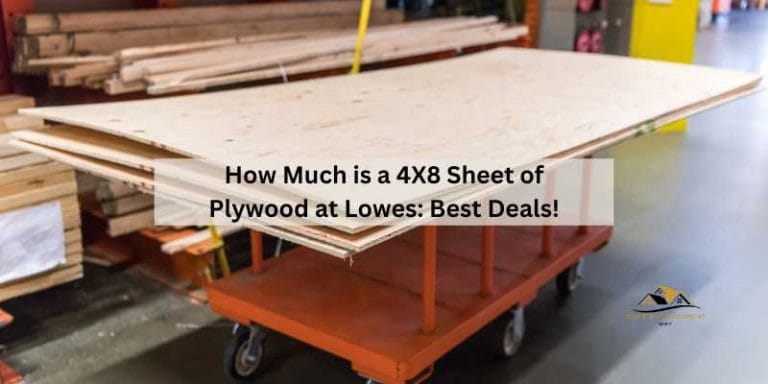
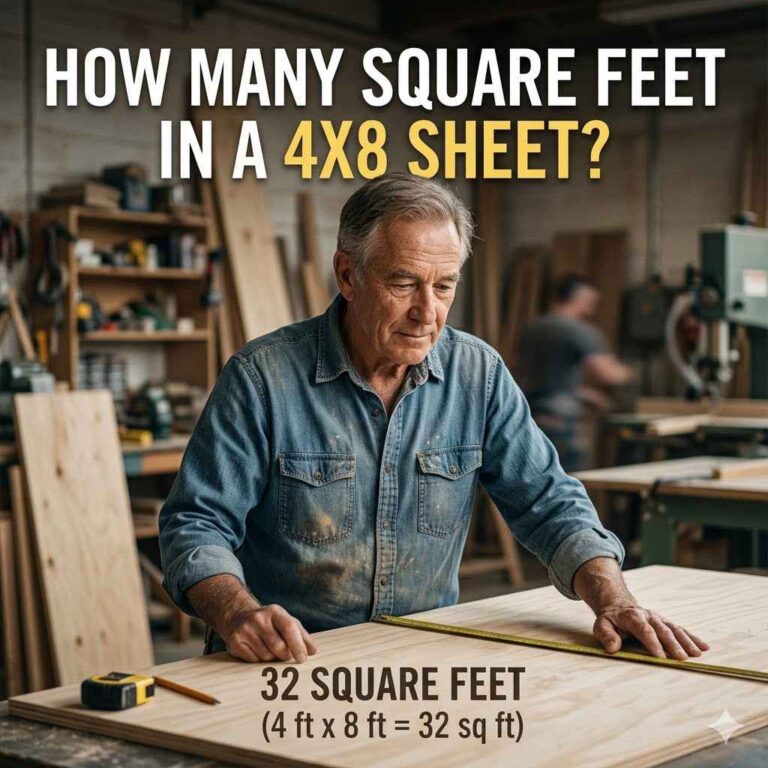
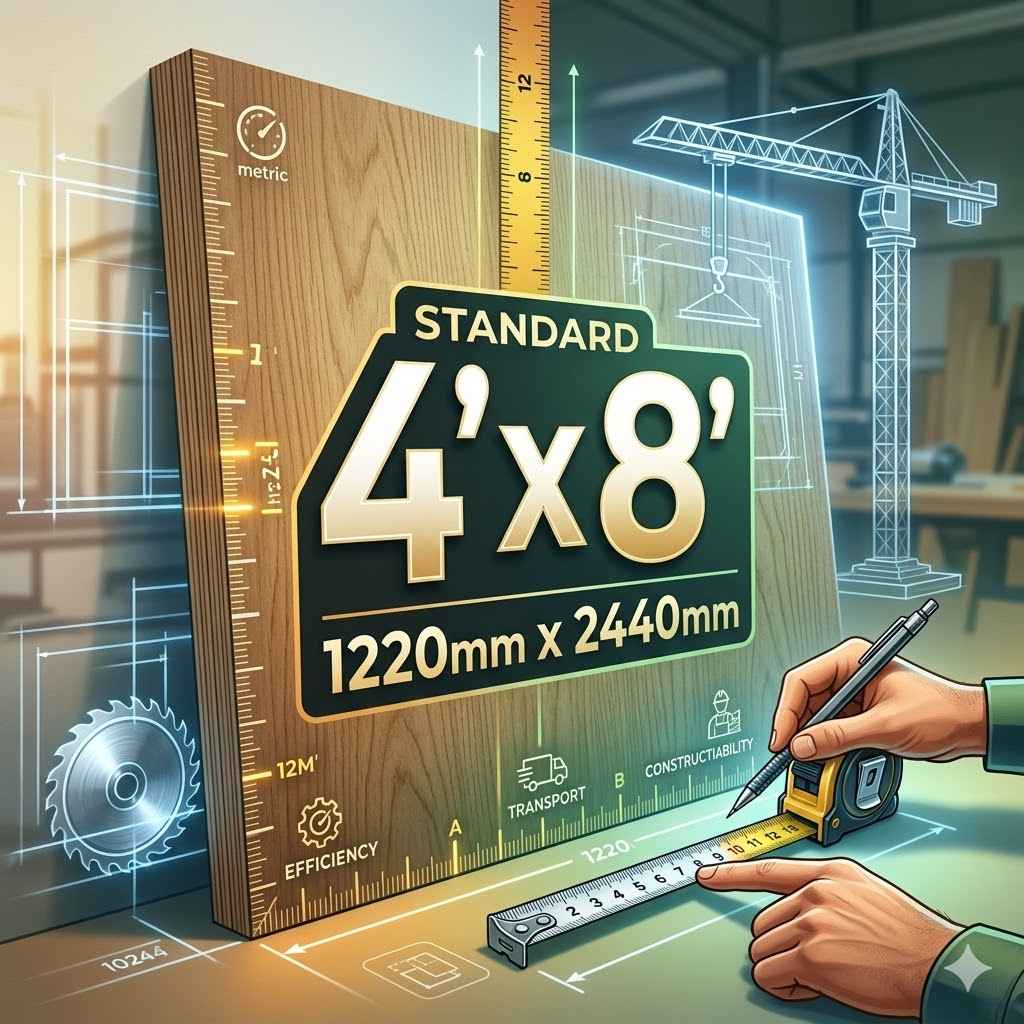
Most people think of plywood in terms of its width and length. The most common dimensions you will find are 4 feet wide by 8 feet long. This is often referred to as a 4×8 sheet.
This standard size makes it easy for manufacturers to produce and for builders to transport and work with. Imagine cutting this large sheet into smaller pieces; you can get many usable parts from one standard sheet.
However, it’s not just about length and width. The thickness, or “ply,” of the plywood is also a key dimension. Plywood comes in various thicknesses, usually measured in inches.
You’ll see thicknesses like 1/4 inch, 1/2 inch, and 3/4 inch very frequently. The number of plies (layers of wood veneer glued together) also affects the strength and appearance of the plywood. Thicker plywood with more plies is stronger and more rigid.
Sometimes, you might find plywood sold in smaller, more convenient sizes, especially at home improvement stores for smaller projects. These can include 2×2 feet, 2×4 feet, or 4×4 feet sheets. These pre-cut sizes are great when you don’t need a full 4×8 sheet and want to avoid cutting down a larger piece.
The nominal size refers to the size before any finishing. For example, a “3/4 inch” sheet might be slightly thinner in reality after sanding and finishing. This is important to remember for projects where precise measurements are critical, like furniture making.
Why the 4×8 Standard is So Common
The 4×8 foot sheet size has been a standard in the industry for many decades. This consistency is a huge advantage for everyone involved, from the lumber mill to the person building a birdhouse. It allows for efficient manufacturing processes because machines can be set up to handle this specific size easily.
Transportation is also simplified. Trucks and shipping containers are designed to accommodate these dimensions, making it cost-effective to move large quantities of plywood. This efficiency translates into lower costs for consumers.
When you know a standard size exists, you can plan your projects more effectively, estimating material needs with greater accuracy.
Think about construction sites. Having uniform sheet sizes makes it quick and easy for crews to measure, cut, and install materials like walls, floors, and roofs. This predictability is invaluable in large-scale building.
Even for smaller jobs, the 4×8 sheet is useful because it can be cut into many different sizes. If you need two pieces that are 2×4 feet, you can easily get those from one 4×8 sheet. This means less waste and more value from your purchase.
Key Plywood Measurements to Remember
- Length and Width: The most common size is 4 feet by 8 feet.
- Thickness: Varies, with common sizes like 1/4 inch, 1/2 inch, and 3/4 inch.
- Nominal vs. Actual Size: The listed size might differ slightly from the exact measurement.
Knowing these basic measurements will help you immensely when you’re out shopping for your next woodworking project. It’s the foundation of planning and purchasing correctly.

Plywood Thickness and Its Impact
The thickness of plywood is just as important as its length and width. It determines the strength, rigidity, and suitability of the plywood for different uses. This section will explain why thickness matters and what common thicknesses are used for.
Common Plywood Thicknesses
Plywood thickness is measured in inches. The most frequently encountered thicknesses in hardware stores and lumber yards are:
1/4 inch (approx. 6mm): This is a thinner type of plywood, often used for backings of cabinets, drawer bottoms, or decorative paneling where strength isn’t the primary concern. It’s flexible and easy to cut.
3/8 inch (approx. 9.5mm): A good middle ground, often used for subflooring in some applications or for shelving that doesn’t need to hold extremely heavy loads.
1/2 inch (approx. 12mm): This is a very popular thickness for a wide range of projects. It’s commonly used for cabinet carcasses, partitions, and general-purpose shelving. It offers a good balance of strength and weight.
5/8 inch (approx. 16mm): Slightly thicker and stronger than 1/2 inch, it’s suitable for shelves that need to support more weight or for applications where a bit more rigidity is desired.
3/4 inch (approx. 19mm): This is the thickest and strongest of the common thicknesses. It’s ideal for subflooring, countertops, workbenches, and any project that requires significant structural support.
Beyond these, you can sometimes find plywood that is 1 inch or even thicker, but these are less common for general DIY use. Always check the product details to confirm the exact thickness.
How Thickness Affects Plywood Performance
The thickness of a plywood sheet directly influences its structural integrity. Thicker sheets are generally stronger and can bear more weight. For example, using 3/4 inch plywood for a subfloor will provide a much sturdier base than 1/2 inch plywood.
This is because the thicker material has more wood layers (plies) and greater overall stiffness.
Rigidity is another factor. A thicker sheet will bend or flex less under stress. If you are building shelves for a library, you would want to use a thicker plywood to prevent the shelves from sagging over time, especially with heavy books.
A 1/4 inch sheet would likely sag considerably under such a load.
Thickness also affects how well the plywood holds fasteners like screws and nails. Thicker plywood provides more material for fasteners to grip onto, leading to stronger connections. When working with thinner plywood, you might need to use shorter screws or be more careful about how much force you apply to avoid splitting the wood.
Finally, thickness can impact the appearance and workability of plywood. Thicker sheets can sometimes be heavier and harder to cut with basic tools. However, for many structural applications, this slight increase in difficulty is well worth the added strength and durability.
Choosing the Right Thickness
When deciding on plywood thickness, consider the primary function of the piece you are building.
- For decorative panels or thin tabletops: 1/4 inch or 3/8 inch might suffice.
- For general shelving and cabinet construction: 1/2 inch is often a good choice.
- For structural components like subflooring or heavy-duty workbenches: 3/4 inch is usually recommended.
It’s always better to err on the side of caution and choose a slightly thicker material if you’re unsure about the load requirements. This ensures your project is safe and lasts longer.
Types of Plywood and Their Standard Sizes
Not all plywood is made the same. Different types of plywood are designed for specific purposes, and while the standard sheet size remains largely consistent, the quality and construction can vary significantly. Understanding these differences helps in selecting the right material for your project.
Common Plywood Grades
Plywood is graded based on the quality of its face and back veneers, as well as its intended use. The most common grading system uses letters:
A-Grade: This is the highest quality face veneer. It’s smooth, sanded, and free of defects like knots or patches. Ideal for visible surfaces like furniture or cabinetry where appearance is key.
B-Grade: This grade has a solid surface but may have some small, well-matched patches or minor imperfections. It’s still good for visible surfaces, but less perfect than A.
C-Grade: This grade allows for more defects, including knots, voids (gaps in the veneer), and repairs. It’s typically used for less visible applications or where it will be covered.
D-Grade: This is the lowest grade and contains many defects, large knots, and significant imperfections. It’s generally used for utility purposes where appearance is not a factor.
Plywood is often described using a combination of these grades, for example, AC, BC, or CDX. CDX stands for “C-D Exposure,” meaning it has a C-grade face and D-grade back and is designed for exterior use (resistant to moisture).
Plywood Types and Their Typical Uses
Different types of plywood are engineered for specific environments and functions.
Construction/Sheathing Grade Plywood: This is often the most common type found in large quantities. It’s typically graded as CDX. It’s strong and durable, designed for structural applications like walls, roofs, and subflooring. The standard size is 4×8 feet, with thicknesses commonly ranging from 3/8 inch to 3/4 inch.
Cabinet-Grade Plywood: This plywood has a higher quality face veneer (often A or B grade) and a more stable core, making it suitable for furniture and cabinetry. It comes in standard 4×8 sheets and also in smaller, more manageable sizes like 4×4 feet or 2×4 feet. Thicknesses are typically 1/4 inch, 1/2 inch, and 3/4 inch.
Hardwood Plywood: This is made with a hardwood veneer (like oak, maple, or birch) on the face. It’s used for fine furniture, decorative wall paneling, and high-end cabinetry. It’s available in standard 4×8 sheets and various thicknesses.
Exterior/Marine Plywood: Designed to withstand moisture and weather. Exterior plywood uses waterproof glue and has a higher-grade veneer. Marine plywood is even more durable and is used in boat building and other harsh environments. These also come in standard 4×8 sheets and common thicknesses.
The standard 4×8 sheet dimension is crucial across all these types, simplifying production and logistics. However, always check the specific grade and type to ensure it meets the demands of your project.
Example Scenario: Building Shelves
Let’s say you want to build a set of sturdy shelves for your garage. You’ll likely need plywood that can support significant weight. A common choice would be construction-grade plywood, perhaps 3/4 inch thick.
You’d buy a standard 4×8 sheet and cut it to size. For a shelf that is 4 feet long and 1 foot deep, you could get four such shelves from one 4×8 sheet. The uniform size makes planning these cuts straightforward.
Understanding Plywood Thickness Variations
When you see plywood labeled with a thickness, like “3/4 inch,” remember that this is the nominal size. The actual thickness might be slightly less, perhaps 23/32 inch or 25/32 inch. This difference is usually minimal and doesn’t impact most general construction projects.
For projects that require very precise measurements, like joinery or fitting panels snugly into grooves, it’s a good idea to measure the actual thickness of the plywood before you start cutting. This accounts for any variations and ensures a perfect fit.
The number of plies also contributes to the plywood’s strength and stability. A 3/4 inch sheet might have 5 or more plies, while a 1/4 inch sheet might have only 3. More plies generally mean a stronger, more stable panel.
This is why selecting plywood based not just on dimensions but also on construction quality is important.
Where to Find Standard Plywood Sheets
Knowing What Are the Standard Plywood Sheet Dimensions? is the first step, but finding them is the next. Fortunately, standard plywood sheets are widely available at various retail locations. This section covers where you can typically purchase these essential building materials.
Home Improvement Stores
Large chain home improvement stores are the most common places to buy plywood. Stores like Home Depot, Lowe’s, and similar retailers carry a wide selection of plywood types, thicknesses, and grades. They usually stock the standard 4×8 sheets in thicknesses ranging from 1/4 inch to 3/4 inch, and often offer construction grades (like CDX) as well as cabinet-grade options.
These stores often have on-site cutting services, which can be very helpful if you need your large 4×8 sheets cut into smaller, more manageable pieces. Just be aware that there might be a small fee for this service, and the precision of the cuts can sometimes vary. It’s a good option for those who don’t have access to a table saw or other cutting tools.
You can also find smaller, pre-cut sheets at these stores, which are convenient for smaller DIY projects. These might include 2×2, 2×4, or 4×4 foot panels.
Lumber Yards
For more specialized or larger quantities of plywood, lumber yards are an excellent resource. These businesses often cater to professional contractors but are also open to the public. They typically have a wider variety of plywood types, including industrial grades, hardwood plywood, and larger sheet sizes if needed.
The staff at lumber yards are usually very knowledgeable about wood products and can offer expert advice on the best type of plywood for your specific project. They are also more likely to have specific grades or thicknesses that might be harder to find in big box stores.
Purchasing from a lumber yard can sometimes be more cost-effective, especially when buying in bulk. They are also more likely to offer custom cutting services.
Online Retailers
While less common for full sheets due to shipping costs and logistical challenges, some online retailers do sell plywood. You might find smaller panels or specialty plywood sold online. For standard 4×8 sheets, local availability is usually the most practical option.
However, for specialized plywood like baltic birch or specific hardwood veneers, online sources can be very useful. Always compare prices and shipping costs carefully when buying materials online.
Example Scenario: Weekend DIY Project
Imagine you want to build a simple bookshelf for your living room over the weekend. You’ll need a couple of shelves and sides. You can head to your local home improvement store, pick up a 4×8 sheet of 1/2 inch cabinet-grade plywood, and have them cut it into the pieces you need for your shelves and sides.
This saves you from having to buy a whole sheet and only use a small portion.
When to Buy Pre-Cut Plywood
Pre-cut plywood sheets are incredibly convenient for several reasons. If you’re working on a small project, like a small cabinet, a doghouse, or a craft project, buying a full 4×8 sheet might be wasteful. Pre-cut options like 2×4 or 4×4 feet can be purchased, and you’ll use almost all of the material you buy.
These smaller sheets are also easier to transport. You can often fit them into a standard car trunk or back seat without needing a truck or trailer. This makes them ideal for beginner DIYers or those with limited transportation options.
While pre-cut options offer convenience, they might come at a slightly higher cost per square foot compared to full 4×8 sheets. It’s a trade-off between convenience and economy.

Frequently Asked Questions
Question: What is the most common size of a plywood sheet
Answer: The most common size for a plywood sheet is 4 feet wide by 8 feet long, often referred to as a 4×8 sheet.
Question: Are all plywood sheets the same thickness
Answer: No, plywood comes in various thicknesses, with common sizes including 1/4 inch, 3/8 inch, 1/2 inch, and 3/4 inch, depending on its intended use.
Question: Can I get plywood cut to smaller sizes
Answer: Yes, many home improvement stores and lumber yards offer cutting services, and pre-cut smaller sizes like 2×4 or 4×4 feet are also available.
Question: What does CDX mean for plywood
Answer: CDX refers to a construction grade plywood where ‘C’ and ‘D’ are the veneer grades, and ‘X’ indicates it is rated for exposure to moisture, making it suitable for exterior use.
Question: Is the stated thickness of plywood always the actual thickness
Answer: No, the stated thickness is nominal. Actual measurements might be slightly less, which can be important for precise projects.
Summary
You now know What Are the Standard Plywood Sheet Dimensions?. The common 4×8 foot size is easy to find. Thicknesses vary, with 1/4, 1/2, and 3/4 inch being popular.
Different grades and types suit specific jobs. Home improvement stores and lumber yards are your go-to places. This knowledge helps you choose wisely and complete your projects successfully.