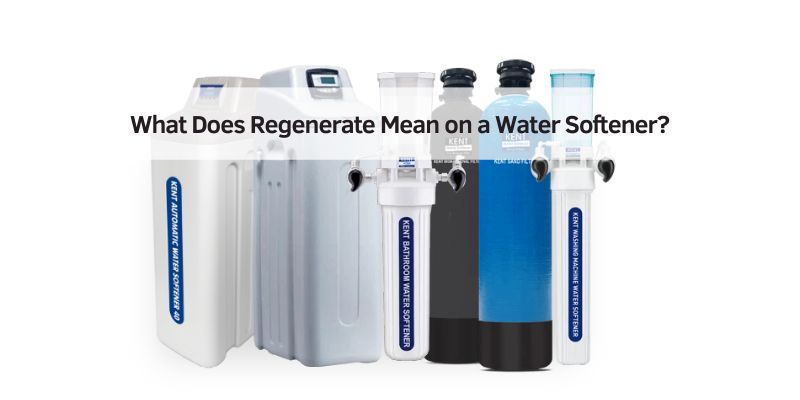
What Does Regenerate Mean on a Water Softener?
My first water softener was a noisy beast! I’d hear it gurgle in the middle of the night, and I wondered, “What does regenerate mean on a water softener?” It sounded like my machine was doing something important, but I had no clue what. If you’re curious about that “regen” mode on your water softener, you’re in the right place! This article breaks it down in simple terms. I’ll explain what regeneration is, why it matters, and how it keeps your water soft and your dishes spot-free. You’ll get easy tips, fun examples, and answers to common questions. Whether you’re new to water softeners or a pro, let’s dive in and make sense of this process together!
What Is Regeneration on a Water Softener?
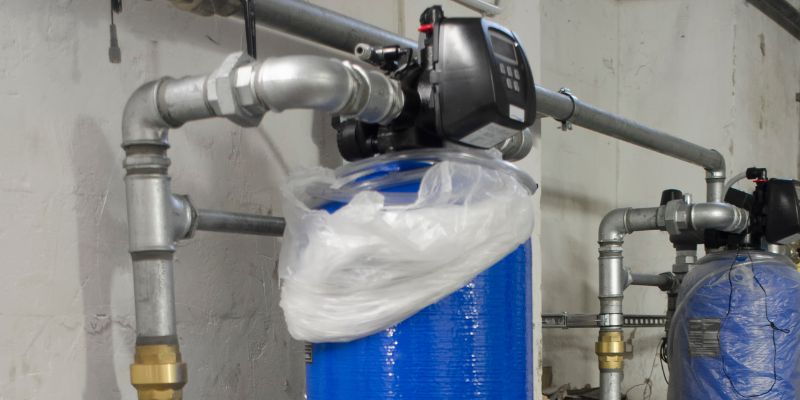
Regeneration is like a spa day for your water softener. It’s the process where the system cleans itself to keep working like a champ. Hard water, full of calcium and magnesium, can make your dishes spotty and your showers less sudsy. A water softener fixes this by using tiny resin beads to trap those minerals. But those beads get “tired” after grabbing too many minerals. That’s where regeneration comes in—it flushes out the gunk and recharges the beads with sodium or potassium.
Think of it like cleaning a sponge. After scrubbing dishes, the sponge gets grimy and needs a rinse. Regeneration uses a salty water mix (called brine) to wash the beads clean, so they’re ready to soften water again. Without this step, your softener would stop working, and hard water would sneak back into your pipes.
Why Does Regeneration Matter?
Regeneration keeps your water softener running smoothly. Soft water feels better on your skin, makes soap lather like a dream, and protects your pipes from scale buildup. If your softener skips regeneration, you’ll notice hard water signs—like chalky spots on glasses or stiff laundry. Regular regeneration also saves you money by extending your system’s life. According to the Water Quality Association, a well-maintained softener can last 10-15 years!
Common Signs Your Softener Needs to Regenerate
- Spotty dishes: Glasses look cloudy after washing.
- Weak soap lather: Shampoo or dish soap doesn’t foam well.
- Scale buildup: White, chalky spots on faucets or appliances.
How Does the Regeneration Process Work?
The regeneration process is a bit like a car wash for your water softener’s resin beads. It happens in five main steps, and most systems do it automatically. Here’s how it goes, explained as if I’m showing my kid cousin how it works:
- Fill: Water flows into the brine tank, mixing with salt to make a salty solution called brine. This takes a few minutes.
- Brine Draw: The brine moves into the resin tank, where it washes over the beads to kick off the calcium and magnesium.
- Slow Rinse: Fresh water slowly rinses the beads, pushing out leftover brine and minerals. This step can take about an hour.
- Backwash: Water flows upward through the resin tank to flush out dirt and debris. This lasts about 10 minutes.
- Fast Rinse: A quick blast of water clears out any remaining brine and settles the beads back in place. This takes 3-10 minutes.
The whole process usually takes 60-90 minutes, often at night when you’re not using water. Most systems, like those from Culligan, have smart valves that decide when to regenerate based on water use or a timer.
Visual Ideas
- Diagram of a water softener: Show the resin tank, brine tank, and water flow during regeneration.
- Step-by-step infographic: Illustrate the five stages with simple icons (e.g., a salt shaker for the fill stage).
- Before-and-after photo: Display dishes with and without hard water spots to show regeneration’s impact.
Types of Water Softeners and Regeneration
Not all water softeners regenerate the same way. I learned this the hard way when my old timer-based softener kept running at odd hours! Here’s a quick look at the two main types:
- Timer-Based Softeners: These regenerate on a set schedule, like every three days, no matter how much water you use. They’re simple but can waste salt if you don’t use much water.
- Demand-Based Softeners: These smart systems track your water use and only regenerate when the resin beads are full. They save salt and water, making them more efficient.
Comparison Table: Timer vs. Demand Softeners
| Feature | Timer-Based Softeners | Demand-Based Softeners |
|---|---|---|
| Regeneration Trigger | Fixed schedule (e.g., every 3 days) | Based on water usage |
| Salt Efficiency | Moderate (may overuse) | High (uses only what’s needed) |
| Best For | Consistent water use | Varying water use |
| Cost | $400-$800 | $600-$1,200 |
Caption: Compare timer-based and demand-based water softeners to pick the best for your home.
Benefits and Drawbacks of Regeneration
Regeneration is a game-changer, but it’s not perfect. Here’s the good and the not-so-good:
Benefits
- Soft water all the time: Keeps your showers and laundry feeling great.
- Longer appliance life: Protects dishwashers and washing machines from scale.
- Saves money: Soft water reduces soap use by up to 50%, per the EPA.
Drawbacks
- Water use: Regeneration can use 20-25 gallons per cycle, which might feel wasteful.
- Salt costs: You’ll need to buy salt regularly (about $5-$10 per 40-pound bag).
- Timing: Single-tank systems bypass soft water during regeneration, so you might get hard water for an hour.
Tip: Save on Salt
Buy salt in bulk from stores like Home Depot to cut costs. Check your brine tank monthly to avoid running out—my first softener stopped working because I forgot to refill it!
My Top Tips for Water Softener Regeneration
After years of tinkering with my water softener, here are my go-to tips to make regeneration a breeze:
- Check salt levels weekly: Pop open the brine tank and make sure it’s at least one-third full. No salt, no regeneration!
- Use high-quality salt: Pellet or crystal salt works better than rock salt, which can clog the system.
- Set regeneration for nighttime: Schedule it for 2 a.m. to avoid hard water during showers or dishwashing.
- Clean the brine tank yearly: Scoop out any sludge to keep things running smoothly. It’s a quick job!
Common Mistakes to Avoid
- Forgetting salt refills: An empty brine tank stops regeneration, letting hard water through.
- Ignoring odd noises: Gurgling is normal, but loud clunks might mean a problem. Call a pro if you hear weird sounds.
- Skipping maintenance: Annual checkups prevent costly repairs. Trust me, I learned this after a $200 fix!
Cost-Saving Table: Maintaining Your Softener
| Task | Frequency | Estimated Cost | Why It Saves Money |
|---|---|---|---|
| Refill salt | Monthly | $5-$10 | Prevents system failure |
| Clean brine tank | Yearly | $0 (DIY) | Avoids clogs and repairs |
| Professional service | Every 1-2 years | $100-$200 | Extends system life |
Caption: Simple maintenance tasks keep your water softener running and save you money.
Can You Use Water During Regeneration?
You can use water while your softener regenerates, but it’s not ideal. During the process, your system might bypass the resin tank, sending hard water to your taps. This means spotty dishes or less foamy soap for an hour or so. If you have a dual-tank softener, you’re in luck—one tank softens while the other regenerates, so you always get soft water. For single-tank systems, try to avoid using water during regeneration. Set it for late at night to dodge the issue altogether.
Visual Idea
- Flowchart: Show when to use water (dual-tank systems) vs. when to wait (single-tank systems) during regeneration.
Troubleshooting Regeneration Problems
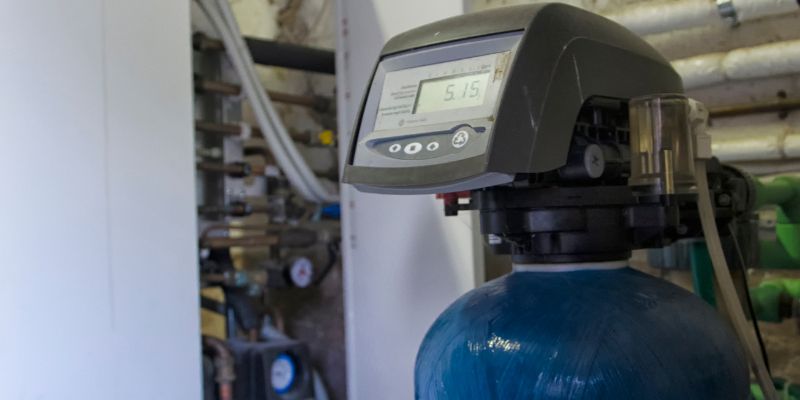
Sometimes, regeneration doesn’t go as planned. My softener once stopped regenerating, and I was stuck with hard water for a week! Here’s how to spot and fix common issues:
-
Problem: Hard water signs (spots, poor lather).
Fix: Check the brine tank for salt. If it’s empty, refill it. Also, ensure the system has power. -
Problem: Softener regenerates too often.
Fix: For timer-based systems, adjust the schedule to every 3-5 days. For demand-based, test water hardness—high mineral levels might trigger frequent cycles. -
Problem: Strange noises or long cycles.
Fix: Inspect the drain line for kinks. If the issue persists, contact a pro via Water Quality Association.
Frequently Asked Questions
What Does Regenerate Mean on a Water Softener?
Regeneration is when your water softener cleans its resin beads with a salty brine solution to remove hard minerals like calcium and magnesium. This keeps your water soft and your system working well.
How Often Should My Water Softener Regenerate?
Most softeners regenerate every 2-3 days, but it depends on water use and hardness. Demand-based systems adjust automatically, while timer-based ones follow a set schedule, like weekly.
Can I Use Water During Regeneration?
Yes, but you might get hard water for 60-90 minutes with single-tank systems. Dual-tank softeners provide soft water nonstop. Schedule regeneration at night to avoid issues.
How Much Salt Does Regeneration Use?
A typical cycle uses about 300 grams of salt per liter of water in the brine tank. Check your manual for exact amounts, and keep the tank one-third full.
Why Is My Softener Not Regenerating?
Check for an empty brine tank, power issues, or a kinked drain line. Refill salt, ensure the system is plugged in, or call a pro if problems continue.
How Much Water Does Regeneration Use?
Regeneration uses about 20-25 gallons per cycle. Demand-based systems save water by only regenerating when needed, unlike timer-based ones that run on a schedule.
Can I Manually Trigger Regeneration?
Yes, most softeners have a manual regeneration button. Use it after a vacation or if you notice hard water signs, but check your manual for instructions.
Conclusion
Regeneration is the secret sauce that keeps your water softener humming. It cleans the resin beads, flushes out hard minerals, and ensures your water stays silky for showers and dishes. With simple tips like checking salt levels and scheduling nighttime cycles, you can keep your system in top shape. Try peeking at your brine tank this week—it’s a quick way to avoid hard water woes! Got a regeneration tip or funny softener story? Share it in the comments or reach out to a water treatment pro. Let’s keep our water soft and our homes happy!