What Does Rough In Size Mean For A Toilet? A Simple Guide
My first attempt at replacing a toilet was a total flop! I bought a shiny new model, only to find it didn’t fit my bathroom’s plumbing. That’s when I learned about “rough in size” the hard way. If you’re new to toilets or planning a bathroom upgrade, don’t worry—this article will explain what rough in size means for a toilet in simple terms. I’ll share easy steps to measure it, practical tips to avoid mistakes, and fun examples to make it clear. Whether you’re a beginner or a DIY pro, you’ll find everything you need to pick the perfect toilet.
What Is Rough In Size?
Rough in size is the distance from the wall behind your toilet to the center of the drainpipe under it. This drainpipe, called the toilet flange, connects your toilet to the plumbing system. Think of it like fitting a puzzle piece— the toilet’s rough in size must match your bathroom’s setup, or it won’t sit right. Getting this measurement wrong can leave you with a toilet that’s too far from the wall or won’t fit at all.
Why does this matter? A mismatched toilet can mean extra plumbing costs or an awkward gap behind the tank. Most toilets in the USA have a standard 12-inch rough in, but older homes might have 10-inch or 14-inch sizes. Knowing your rough in size saves time, money, and headaches.
Why Rough In Size Is a Big Deal
Imagine you buy a new toilet, unpack it, and realize it doesn’t line up with the drainpipe. Yikes! That’s what happened to me when I ignored the rough in size. Here’s why it’s key:
- Fit: The toilet must align with the flange for a secure connection.
- Comfort: A wrong size can make the toilet stick out too far or leave a gap.
- Cost: Fixing a mismatch might need a plumber, costing $100-$500 extra.
In my small bathroom, a 10-inch rough in toilet saved space, while my friend’s larger bathroom needed a 14-inch model for a better fit. Always measure first!
How to Measure Your Toilet’s Rough In Size
Measuring the rough in size is a piece of cake with the right steps. You don’t need to be a plumber—just grab a tape measure and follow along. Here’s how I do it:
Step-by-Step Guide to Measure Rough In Size
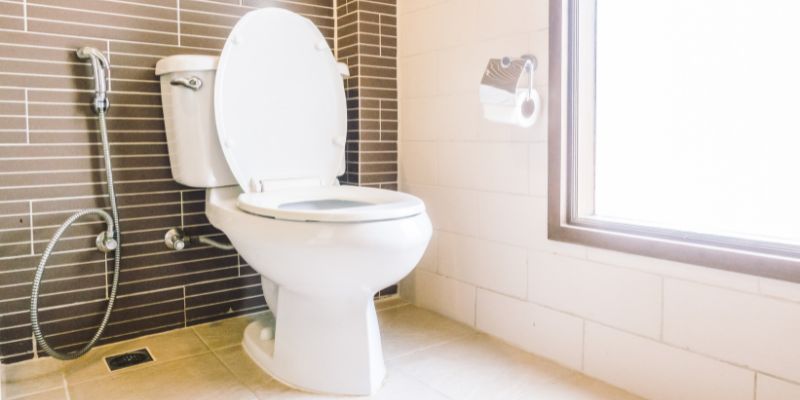
- Find the Bolts: Look at the base of your toilet. You’ll see two bolts (sometimes covered by caps) holding it to the floor. These are near the back, on the left and right.
- Measure from the Wall: Place the end of your tape measure against the wall behind the toilet. Don’t include baseboards or trim—just the bare wall.
- Find the Center: Stretch the tape to the center of one bolt. If the bolts are even, either works. This distance is your rough in size.
- Check Again: Measure twice to be sure. Common sizes are 10, 12, or 14 inches. If you get an odd number like 11 inches, measure again or consider an offset flange.
Pro Tip: If your toilet is already removed, measure from the wall to the center of the drainpipe (the round hole in the floor). It’s even easier!
Tools You Need
You don’t need fancy gear. Here’s what I use:
- Tape Measure: A basic one with a metal hook works great. I like a 16-foot model for easy handling.
- Flashlight: Helps if the bathroom is dim.
- Pencil and Paper: Write down your measurement to avoid forgetting.
Table 1: Tools for Measuring Rough In Size
| Tool | Why It’s Needed | Cost Estimate |
|---|---|---|
| Tape Measure | Measures distance accurately | $5-$15 |
| Flashlight | Lights up dark corners | $5-$10 |
| Pencil & Paper | Records your measurement | $1-$2 |
Caption: Simple tools make measuring your toilet’s rough in size quick and easy.
Common Rough In Sizes and What They Mean
Toilets come in three main rough in sizes in the USA. Here’s a quick breakdown:
- 10-Inch Rough In: Common in older homes or small bathrooms like powder rooms. Saves space but limits toilet options.
- 12-Inch Rough In: The standard size in most modern homes. Most toilets are made for this, so you’ll have lots of choices.
- 14-Inch Rough In: Rare, found in custom or older homes. Gives more space behind the toilet but may need special ordering.
Table 2: Comparing Rough In Sizes
| Rough In Size | Best For | Pros | Cons |
|---|---|---|---|
| 10-Inch | Small bathrooms, older homes | Saves space | Fewer toilet options |
| 12-Inch | Most modern homes | Many choices, easy to find | None |
| 14-Inch | Large bathrooms, custom homes | More room behind toilet | Hard to find, costly |
Caption: Choose the right rough in size to match your bathroom’s needs.
Tips to Avoid Common Mistakes
I’ve made plenty of mistakes with toilets, so here are my top tips to keep you on track:
- Don’t Guess the Size: Always measure, even if you think it’s standard. My friend assumed a 12-inch rough in and ended up with a toilet that didn’t fit.
- Ignore Baseboards: Measure from the bare wall, not the trim. Baseboards can add an inch and mess up your number.
- Check Twice: If your measurement isn’t 10, 12, or 14 inches, re-measure. Odd sizes like 11 inches might mean a mistake or a need for an offset flange.
Safety Tip: If you’re removing a toilet to measure the flange, turn off the water supply first to avoid spills. Trust me, wet floors are no fun!
Creative Solutions for Odd Rough In Sizes
What if your rough in size isn’t standard? Don’t panic—there are fixes. In my old apartment, I had a weird 11-inch rough in. Here’s what you can do:
- Offset Flange: This adapter shifts the drainpipe slightly to fit a standard toilet. It costs $10-$30 but can reduce flushing power, so use it as a last resort.
- Adjustable Toilets: Some brands, like TOTO, offer models like the Unifit that adjust to 10, 12, or 14 inches. They’re pricier but worth it.
- Custom Order: For rare sizes, order a toilet made for your rough in. It takes longer but ensures a perfect fit.
Visual Idea: A simple diagram showing a side view of a toilet with the rough in measurement (wall to flange center) would make this crystal clear. Another idea is a top-down sketch of a bathroom layout with 10, 12, and 14-inch rough in examples.
Benefits and Drawbacks of Different Rough In Sizes
Each rough in size has its perks and pitfalls. Here’s what I’ve learned:
- 10-Inch: Great for tiny bathrooms. I used one in my powder room, and it gave me extra floor space. But, finding models can be tricky.
- 12-Inch: The go-to for most homes. You’ll find tons of styles and prices. It’s what I used in my main bathroom—no complaints!
- 14-Inch: Perfect for spacious bathrooms. My neighbor loves the extra room behind her toilet for a shelf. But, these toilets are harder to find and cost more.
Table 3: Benefits vs. Drawbacks of Rough In Sizes
| Rough In Size | Benefits | Drawbacks |
|---|---|---|
| 10-Inch | Fits small spaces | Limited styles, special order |
| 12-Inch | Wide variety, affordable | May not fit older homes |
| 14-Inch | Extra room, comfortable | Rare, expensive |
Caption: Weigh the pros and cons to pick the best toilet for your space.
My Personal Story: A Toilet Triumph
After my first toilet-buying disaster, I got smart. I measured my bathroom’s rough in size (12 inches, thankfully!) and picked a sleek two-piece toilet. It fit like a glove, and I even saved $50 by shopping during a sale. Now, I always tell friends to measure first—it’s a game-changer. If I can do it, so can you!
Frequently Asked Questions
What Does Rough In Size Mean for a Toilet?
It’s the distance from the wall behind the toilet to the center of the drainpipe (flange) on the floor. This measurement ensures your toilet fits the plumbing. Standard sizes are 10, 12, or 14 inches.
Can I Use a 12-Inch Toilet in a 10-Inch Rough In?
No, a 12-inch toilet won’t fit a 10-inch rough in without an offset flange. It could cause leaks or poor flushing. Choose a 10-inch model or consult a plumber.
How Do I Know If My Rough In Is 10, 12, or 14 Inches?
Measure from the wall to the center of the toilet’s base bolts. Double-check to confirm 10, 12, or 14 inches. If it’s off, re-measure or check the flange directly.
What If My Rough In Size Isn’t Standard?
Use an offset flange or an adjustable toilet like TOTO’s Unifit. These adapt to odd sizes like 11 inches, but they may cost more or affect flushing.
Do I Need a Plumber to Measure Rough In Size?
No, you can measure it yourself with a tape measure. It’s simple—just follow the steps above. Call a plumber if you’re unsure or need an offset flange.
Can a Wrong Rough In Size Cause Problems?
Yes, it can lead to leaks, poor flushing, or an awkward fit. A mismatch might leave a gap or make the toilet stick out too far.
Where Can I Find Toilets for Non-Standard Rough Ins?
Check brands like Kohler or TOTO at Home Depot or online. They offer 10-inch and 14-inch models, but you may need to special order.
Conclusion
Understanding what rough in size means for a toilet is your ticket to a stress-free bathroom upgrade. It’s just the distance from the wall to the drainpipe, but it makes all the difference. Measure carefully, pick the right size, and you’ll have a toilet that fits perfectly. Try measuring your rough in this weekend—it’s easier than you think! Share your project in the comments or ask me for more tips. Happy plumbing!