What Helps Unclog Toilets: Effective Solutions
Picture this: you rush to the bathroom only to find your toilet clogged. Panic sets in, and you wonder what to do next.
You’re not alone. This situation happens to everyone, and it always seems to occur at the worst possible moment. But fear not! You’ve stumbled upon the right place to discover simple and effective solutions to unclog your toilet. In this guide, you’ll learn the best methods to tackle this pesky problem.
Imagine the relief of knowing exactly how to handle it without stress or mess. From household items you already own to clever techniques, we’ll explore all the options that will get your toilet flowing smoothly again. So, let’s dive in and find out what helps unclog toilets, ensuring your bathroom remains a place of comfort and ease. Keep reading to transform a potential disaster into a quick fix you can manage with confidence.
Common Causes Of Clogs
Toilets often clog because of flushing improper items. Items like wipes, paper towels, and sanitary products can cause blockages. These items do not break down like toilet paper. They stay in pipes and cause serious clogs. Always use the trash for items that are not toilet paper. This simple habit can prevent many clogs.
Over time, buildup can occur in pipes. Minerals and grease stick to pipe walls. They narrow the space for water flow. This leads to slow draining and eventually clogs. Regular cleaning helps remove buildup. Vinegar and baking soda can help clean pipes. Simple solutions for a common problem.
Low water pressure can cause clogs. Water needs enough force to push waste down. Without it, waste stays in pipes. Toilets need the right amount of water for flushing. Check valves and pipes to ensure good water pressure. Fixing these can make a big difference.
:max_bytes(150000):strip_icc()/hard-water-stains-in-the-toilet-2719033-04-9816f1ae81b84549a2a723ea85debd53.jpg)
Credit: www.thespruce.com
Simple Tools For Unclogging
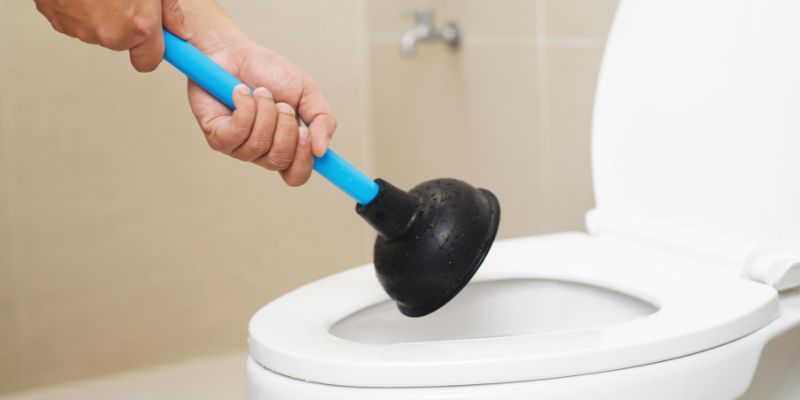
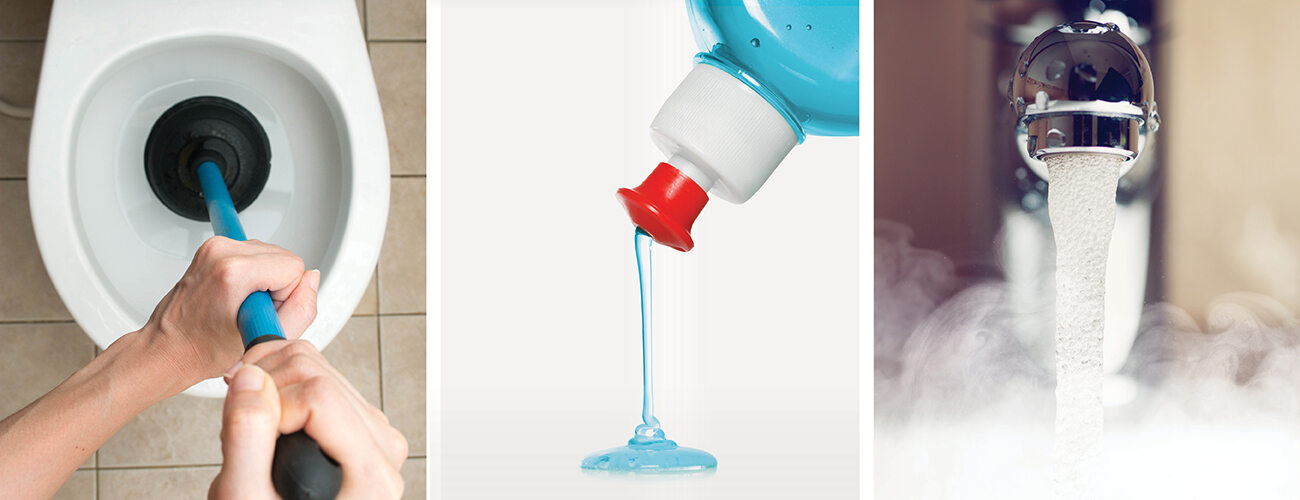
A plungeris a handy tool for unclogging toilets. First, place the plunger over the toilet hole. Make sure it covers the hole completely. Push down gently and pull up quickly. Repeat this action several times. The pressure can help clear the clog. Always use a plunger with a rubber flange. This type works best for toilets. Remember to keep a good grip on the handle. Plunging is all about rhythm. Stay steady and patient.
A toilet auger can reach deeper clogs. It looks like a long metal snake. Insert the auger into the toilet bowl. Turn the handle gently to push it through the clog. Avoid using too much force. This tool can break apart clogs. Be careful not to scratch the toilet bowl. After breaking the clog, pull out the auger. Flush the toilet to check if it’s clear. Always clean the auger after use.
Homemade Solutions
Pour hot water into the toilet bowl. Use a kettle or pot for this. Add a few squirts of dish soap. Let it sit for 15 minutes. The soap helps break up the clog. The hot water helps melt any grease. Flush the toilet. This simple method often works wonders.
Pour one cup of baking soda into the toilet. Add two cups of vinegar slowly. The mixture will fizz and bubble. Wait 30 minutes for the reaction. This process helps dissolve the blockage. Flush the toilet to see results. This method is safe and natural.

Credit: www.familyhandyman.com
Commercial Products
Chemical drain cleaners can help clear tough clogs. They contain strong chemicals that break down waste. Always follow the instructions on the bottle. Use gloves to protect hands. Ventilate the room well. These cleaners are fast-acting. They can clear clogs in minutes. Not safe for all pipes, though. Older pipes might get damaged.
Enzyme-based cleaners use natural enzymes to eat away at clogs. They are safer for pipes and the environment. These cleaners work slowly. They take hours or days to clear clogs. Best for routine maintenance. Keep pipes clear and healthy. No harsh smells or fumes. Eco-friendly choice for homes.
Professional Help
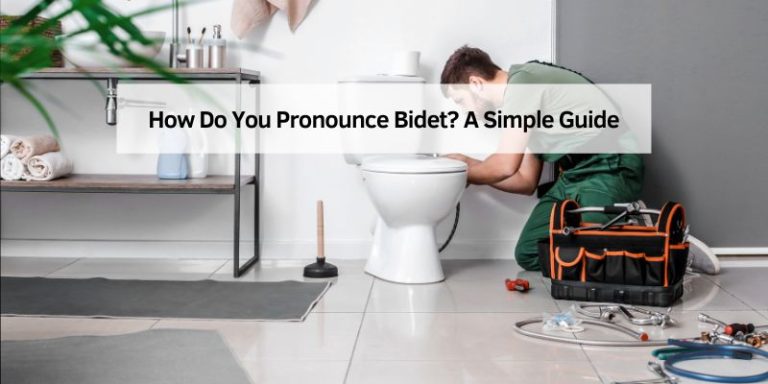
Water doesn’t drain after flushing? Plumber might be needed. If the toilet overflows often, it’s a problem. Strange noises from the pipes mean trouble. Plumbers have special tools for big clogs. Home remedies don’t always work. Call a plumber for persistent issues.
Plumbers come with expertise. They use advanced tools to fix clogs. Expect them to inspect pipes first. Identify the problem. They will fix the clog safely. Plumbers might suggest pipe replacements if needed. They ensure proper drainage after repair. Expect a clean bathroom post-service.
Credit: www.toiletseats.com
Preventive Measures
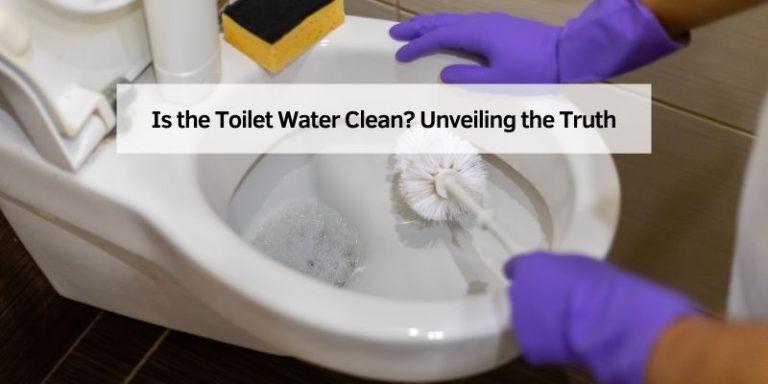
Check your toilet for leaks often. Fix small leaks quickly to avoid problems. Use a plunger monthly to keep pipes clear. Pour hot water and dish soap into the bowl to help break down debris. Clean the toilet bowl weekly with a toilet brush. This helps prevent clogs and keeps it fresh.
Avoid flushing wipes, even if they say flushable. Never flush paper towels or tissues. These can cause blockages. Do not flush hair or cotton balls. They can clog pipes easily. Keep toys and small objects out of the toilet. Flushing them can lead to severe clogs.
Frequently Asked Questions
What Household Items Can Unclog A Toilet?
Household items like baking soda and vinegar can help unclog toilets. Pour a cup of baking soda followed by two cups of vinegar into the toilet. Let it sit for about 30 minutes, then flush. This natural solution can effectively break down minor clogs and is safe for plumbing systems.
Is Hot Water Effective For Unclogging Toilets?
Yes, hot water can help unclog toilets. Pour a pot of hot (not boiling) water into the toilet. The heat can loosen the clog, making it easier to flush. Always use caution to prevent cracking the porcelain. This method is most effective for minor clogs.
Can Dish Soap Unclog A Toilet?
Dish soap can help unclog a toilet by lubricating the pipes. Pour about a half cup of dish soap into the toilet bowl. Let it sit for about 10 minutes. Then, pour hot water into the bowl and flush. This combination can help break down and slide the clog through the pipes.
How Does A Plunger Help Unclog Toilets?
A plunger creates suction to dislodge clogs in toilets. Seal the plunger over the toilet drain and push down gently, then pull up sharply. Repeat several times to create pressure that can break up the clog. This traditional method is effective for most types of toilet clogs.
Conclusion
Dealing with a clogged toilet can be frustrating. With simple tools like plungers, you can often resolve the issue quickly. Baking soda and vinegar may offer a chemical-free solution. Hot water can also be effective. Consider using drain snakes for stubborn clogs.
Remember to act promptly to avoid bigger problems. Regular maintenance helps keep toilets running smoothly. Practice good habits to prevent future blockages. Dispose of waste properly and be mindful of what you flush. Keep these tips handy for a hassle-free bathroom experience.