What Is a Patina Finish? Vinegar and Salt DIY Method
A patina finish is natural or applied oxidation that ages metal or wood with color and texture, and a vinegar-and-salt solution can create one at home in hours instead of years. Copper turns green and iron rusts through the same reaction, and the wrong technique can leave blotchy color instead of an even, deliberate look. This guide covers metal and wood techniques, the chemistry behind it, and color variations you can control.
Patina Finishing Techniques
Our Pick: Best Patina Solution
 |
JAX Green Patina Metal Finishing Solution – $15.50 A chemical treatment that creates the same green oxidized look this guide describes forming naturally on copper over years, without heat or electricity. Check on Amazon |
More Patina Options
 Modern Masters Aging Solution – $20.41 Works with Modern Masters’ Metal Effects paints to speed up the color-variation patina process this guide’s Applying Patina section covers. Check on Amazon |
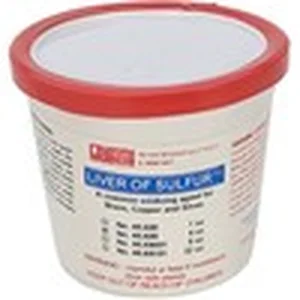 Liver of Sulfur, 4oz Jar – $18.00 A classic chemical treatment for darkening silver, brass, and copper, giving the rustic oxidized tones this guide’s color-variation section describes. Check on Amazon |
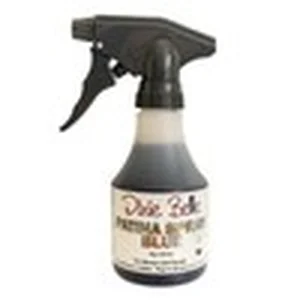 Dixie Belle Blue Patina Spray – $26.45 A spray-on option for the blue color variation this guide notes patina can take, no chemical mixing required. Check on Amazon |
Patina finishing techniques involve the application of various methods to create unique and attractive finishes on different surfaces. Patina finishes can be applied to metal surfaces, wood, and other materials, resulting in a weathered, aged, or antique appearance. There are different patina finishing techniques for various surfaces, each offering distinct results.
Applying Patina On Metal Surfaces
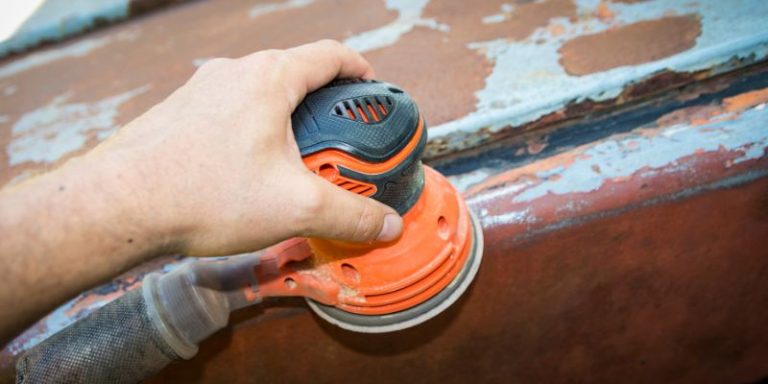
When applying a patina finish to metal surfaces, several methods can be used, including chemical treatments, heat application, and natural oxidation. Chemical treatments involve the application of specific solutions to the metal, resulting in color variations and texture changes. Heat application, such as torch drying, can also create unique patina effects on metal surfaces. Additionally, natural oxidation over time can produce a beautiful patina finish on metal.
Creating Patina Finish On Wood
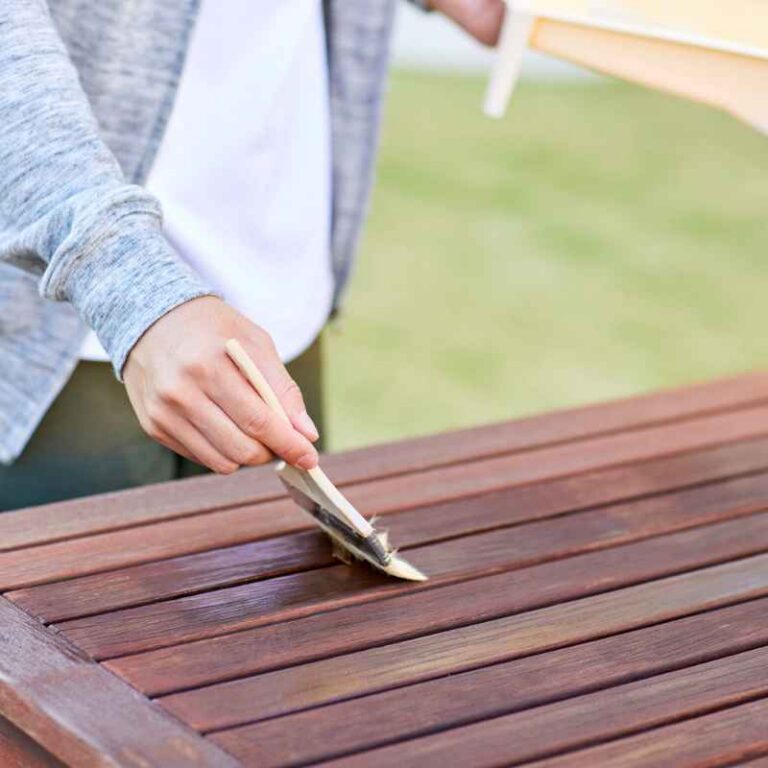
For wood surfaces, the creation of a patina finish involves exposing the wood to natural elements such as sunlight, moisture, and air. Over time, the wood develops a rich, deep color and enhances the natural grain and patterns. This natural aging process creates a unique patina finish on wood, adding character and visual interest to the material.
Color Variations In Patina Finish
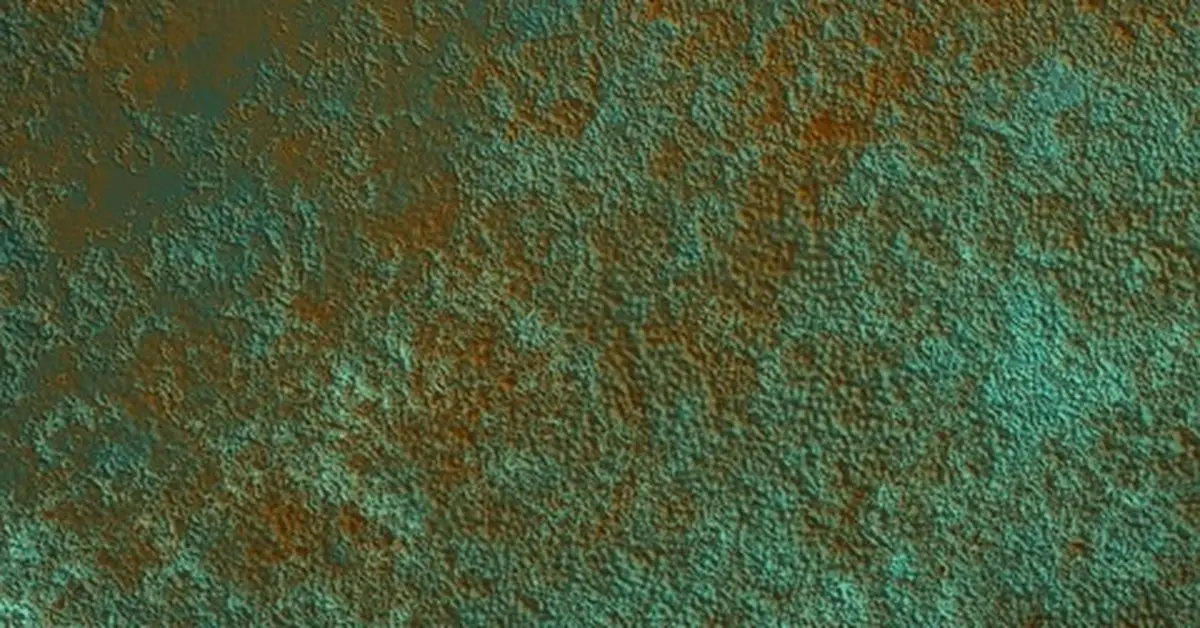
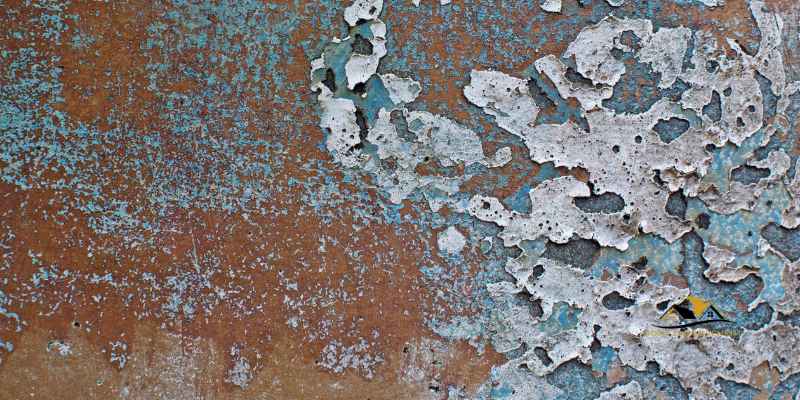
Patina finishes offer a wide range of color variations, including matte sandstone yellow, deep blues, greens, whites, reds, and various blacks. These colors are achieved through the reaction with the metal surface and the addition of pigments to the chemicals. The color variations in patina finishes allow for customization and creativity in achieving the desired aesthetic for different surfaces.
The Science Of Patina
Patina finish is a natural chemical process that occurs when metal is exposed to the elements over time.
Natural Chemical Process
The formation of patina is a result of the metal’s oxidation when in contact with air and moisture.
Protective Qualities Of Patina
Patina acts as a protective layer for the metal, preventing further oxidation and enhancing its visual appeal.
Historical And Cultural Significance
Patina finishes hold significant historical and cultural value, representing the passage of time and the stories embedded in objects. They are more than just a surface treatment; they are a reflection of the journey an item has taken through the years.
Evolution Of Patina In Design
The evolution of patina in design showcases a shift towards embracing imperfections and celebrating the unique character of aged surfaces. It highlights a departure from the pristine and sterile towards the warmth and depth that patina brings to modern aesthetics.
Patina In Antiques And Art
In antiques and art, patina adds a layer of authenticity and charm, enhancing the visual appeal and value of objects. It serves as a testament to the craftsmanship and history behind each piece, creating a sense of nostalgia and admiration for the past.
Practical Applications
Patina In Architecture And Design
Patina finishes are widely used in architecture and design to create an aged and weathered appearance, adding character and depth to surfaces. In architecture, patina finishes are commonly applied to exterior facades, roofing, and decorative elements to evoke a sense of history and timelessness. The use of patina in design extends to interior spaces, where it is utilized on furniture, fixtures, and decorative elements to impart a sense of elegance and antiquity.
Patina In Metalwork And Sculptures
When it comes to metalwork and sculptures, patina finishes are employed to enhance the visual appeal and texture of the metal surfaces. Metalworkers and sculptors utilize various patination techniques to achieve unique color variations and textures, adding visual interest and artistic value to their creations. From bronze sculptures to architectural metalwork, the application of patina finishes offers a timeless and distinctive aesthetic that complements both traditional and contemporary designs.
DIY Patina
Creating a patina finish at home can add character and depth to metal surfaces, creating a weathered and aged appearance. With the right techniques and materials, you can achieve stunning results that mimic the natural patina process. In this section, we will explore how to create organic patina mixes and apply patina coating at home, allowing you to unleash your creativity and transform ordinary objects into unique pieces with a beautiful patina finish.
Creating Organic Patina Mixes
Organic patina mixes can be created using common household ingredients and simple techniques. Here are some steps to create your own organic patina mix:
- Prepare a solution of vinegar and salt in a spray bottle.
- Apply the solution to the metal surface and let it sit for a few minutes.
- Use a fine misting spray of hydrogen peroxide to further enhance the patina effect.
- Allow the metal to dry naturally, and the patina will continue to develop over time.
Applying Patina Coating At Home
Applying patina coating at home can be a rewarding and creative process. Here’s a basic guide to applying patina coating:
- Clean the metal surface thoroughly to remove any dirt or debris.
- Apply a patina solution using a brush or sponge, ensuring even coverage.
- Allow the patina to develop according to the instructions provided with the solution.
- Once the desired patina effect is achieved, seal the surface with a clear coat to protect the finish.
Preserving Patina
A patina finish adds character and depth to metal surfaces, enhancing their aesthetic appeal. Preserving this unique finish requires proper care and maintenance to ensure its longevity.
Maintaining And Cleaning Patina Finish
- Regularly dust the patina surface with a soft, dry cloth to prevent dirt buildup.
- Avoid harsh cleaning agents that can strip away the patina layer.
- Gently clean the surface with a mild soap and water solution when needed.
- Pat dry with a soft cloth to prevent water spots.
Repatination Techniques
- If the patina finish starts to fade or wear off, consider reapplying a patina solution to rejuvenate the look.
- Use a patina-specific product or consult a professional for expert repatination services.
- Follow the manufacturer’s instructions carefully to ensure proper application and adherence to the surface.
Frequently Asked Questions
What Does Patina Look Like?
Patina looks like colors ranging from matte sandstone yellow to deep blues, greens, whites, reds, and various blacks. It is achieved through the reaction with the metal surface and pigments added to the chemicals.
What Is The Purpose Of Patina?
Patina is a natural layer on metal that protects from oxidation and gives a rustic look.
What Is A Patina Finish On Wood?
A patina finish on wood is a natural process that occurs when unpainted and unsealed wood is exposed to the elements. As the wood ages, it takes on a rich, deep color, and the natural grain and patterns become more prominent.
Patina is a chemical process that also happens naturally to metal when it’s exposed to the elements, and it can provide a protective covering to materials.
How To Make A Patina Finish?
To make a patina finish, you can use chemicals and pigments to create a unique, aged look on metal or wood surfaces. Clean the surface thoroughly, then apply the patina solution with a brush or swabbing motion. The colors range from sandstone yellow to blues, greens, whites, reds, and blacks.
Patina develops naturally on metal over time, but a patina coating can be applied for visual appeal in design projects.
Conclusion
In essence, patina finishes offer a unique and visually appealing touch to various surfaces. The colors range from earthy tones to vibrant hues, enhancing the natural beauty of materials. This weathered look is not only aesthetically pleasing but also provides a protective layer against further oxidation.
Explore the art of patina finishes to add character and charm to your projects.
Sponsored / affiliate links. As an Amazon Associate I earn from qualifying purchases. I may earn additional commission from eligible campaigns.