What Is a Pendant Light? A Complete Guide to Stylish Lighting
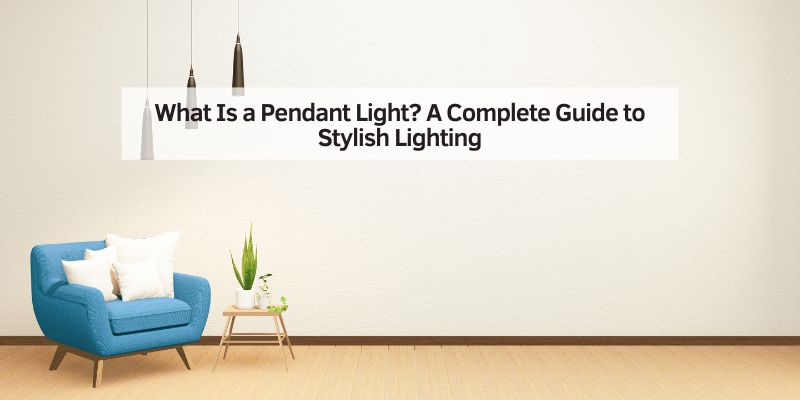
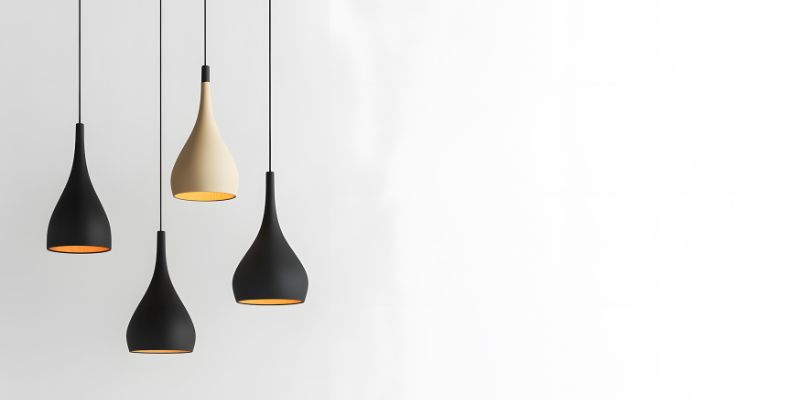
Hey there! If you’re wondering what is a pendant light, let me break it down for you. A pendant light is a stylish, versatile light fixture that hangs from the ceiling, often by a cord, chain, or rod, with a single bulb or shade casting light downward. Think of it as a chic, suspended lamp that adds both function and flair to any space. I’ve spent plenty of time exploring lighting options for homes, and pendant lights always stand out for their ability to transform a room. In this guide, I’ll walk you through everything you need to know about pendant lights, from their types to installation tips, so you can make your space shine.
The Basics of Pendant Lights
Let’s start simple. A pendant light is a ceiling-mounted fixture that dangles, usually with a single light source at the end. Unlike chandeliers, which have multiple arms and bulbs, pendant lights are typically more minimal, focusing on one bulb or shade. They’re perfect for adding a focal point to a room, whether it’s your kitchen, dining area, or even a cozy reading nook. I love how they blend practicality with style—giving you light exactly where you need it while looking fantastic.
Pendant lights come in all shapes, sizes, and designs. Some are sleek and modern, with clean lines and metallic finishes. Others are rustic, with woven or wooden elements. They’re like the jewelry of your home—each one adds a unique touch. You can hang them solo for a minimalist vibe or in clusters for a bold statement. The best part? They work in almost any room, from bedrooms to bathrooms, as long as you pick the right style.
Why Choose Pendant Lights?
Why do I keep raving about pendant lights? Because they’re a game-changer for home decor. First, they’re incredibly versatile. You can use them for task lighting, like illuminating a kitchen island, or for ambient lighting to set a cozy mood in your living room. They also save space compared to bulky floor lamps or table lamps, which is a huge plus if you’re working with a smaller room.
Another reason I love them is their ability to act as a design statement. A bold, colorful pendant can be the centerpiece of a room, while a subtle one blends seamlessly into your decor. Plus, they’re practical. Need light over your dining table? A pendant light delivers it directly, without wasting energy on areas you don’t need lit. And let’s not forget—they’re easy to install compared to, say, a massive chandelier.
Types of Pendant Lights
Now, let’s dive into the different types of pendant lights. There’s something for everyone, and I’ve seen so many cool designs while browsing for my own home. Here’s a quick rundown of the most popular styles:
- Mini Pendants: These are small, single-bulb fixtures, perfect for tight spaces or when you want a subtle touch. I’ve used them over my kitchen counter, and they’re great for focused lighting.
- Multi-Light Pendants: These have multiple bulbs or shades hanging from a single canopy. They’re ideal for larger spaces like dining rooms. I saw a gorgeous one with three glass globes that made a dining table feel so elegant.
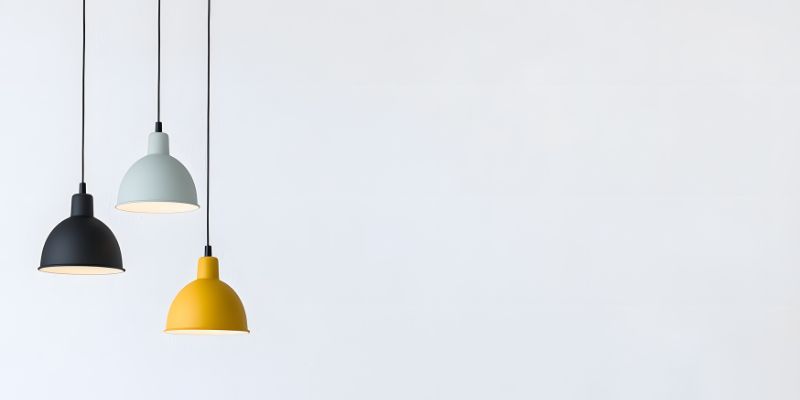
- Drum Pendants: These have a wide, drum-shaped shade, often made of fabric or metal. They diffuse light softly, making them great for ambient lighting. I’m a fan of their modern, clean look.
- Globe Pendants: With their round, orb-like design, these are super trendy. They’re perfect for a contemporary or bohemian vibe. I’ve noticed they work well in clusters for a playful effect.
- Industrial Pendants: Think exposed bulbs, metal cages, or rustic finishes. These are great for lofts or homes with an edgy, urban feel. I love how they add character without being fussy.
- Lantern Pendants: These have a boxy, open-frame design, often with glass panels. They’re perfect for traditional or farmhouse-style homes. I’ve seen them used beautifully in entryways.
Here’s a quick table to sum up the types and their best uses:
| Type | Best For | Style Vibe |
|---|---|---|
| Mini Pendants | Small spaces, task lighting | Minimalist, modern |
| Multi-Light Pendants | Large areas, dining rooms | Elegant, bold |
| Drum Pendants | Ambient lighting, bedrooms | Modern, cozy |
| Globe Pendants | Living rooms, creative spaces | Contemporary, bohemian |
| Industrial Pendants | Kitchens, lofts | Rustic, urban |
| Lantern Pendants | Entryways, dining rooms | Traditional, farmhouse |
Where to Use Pendant Lights in Your Home
One of the best things about pendant lights is how they fit into so many spaces. I’ve experimented with them in my own home, and they always add that extra “wow” factor. Here are some ideas for where to use them:
- Kitchen: Hang a row of mini pendants over a kitchen island for task lighting. They’re perfect for chopping veggies or reading recipes. I have two over my island, and they make cooking feel so much more stylish.
- Dining Room: A single large pendant or a multi-light one over the dining table creates a warm, inviting atmosphere. I once saw a friend’s dining room transformed by a sleek drum pendant—it made every dinner feel special.
- Bedroom: Use pendants as bedside lighting instead of traditional table lamps. It frees up nightstand space and looks super chic. I tried this in my guest room, and everyone loves the modern touch.
- Living Room: A bold globe or industrial pendant can act as a statement piece. I’ve seen them used in corners to create cozy reading nooks—perfect for curling up with a book.
- Bathroom: Yes, you can use pendants here! Hang them over a vanity for focused lighting. Just make sure they’re rated for damp environments. I helped a friend pick one for her bathroom, and it made her morning routine feel luxurious.
- Entryway: A lantern pendant in the foyer sets a welcoming tone. I love how it makes a first impression when guests walk in.
How to Choose the Perfect Pendant Light
Picking the right pendant light can feel overwhelming with so many options out there. Trust me, I’ve been there, staring at endless designs online. Here’s what I’ve learned to make the process easier:
- Consider the Room’s Purpose: If you need bright, focused light (like in a kitchen), go for a mini or industrial pendant. For a cozy vibe (like in a bedroom), a drum pendant with a fabric shade works better.
- Match Your Style: Your pendant should complement your home’s decor. A sleek, metallic pendant fits a modern home, while a woven or wooden one suits a bohemian or rustic space. I always check if the light “feels” like it belongs in the room.
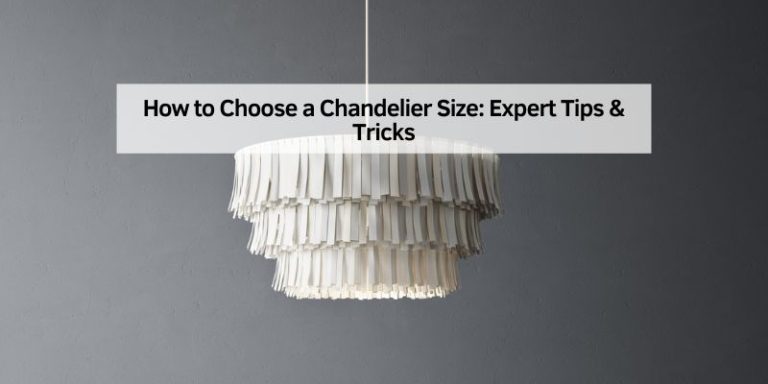
- Size Matters: Too big, and it overwhelms the space; too small, and it looks out of place. A good rule is to measure your space and aim for a pendant that’s proportional. For example, over a dining table, the pendant should be about one-third the table’s width.
- Height and Placement: Make sure the pendant hangs at the right height. Over a dining table, it should be about 30 inches above the surface. In my kitchen, I adjusted the height a few times to get it just right for both lighting and aesthetics.
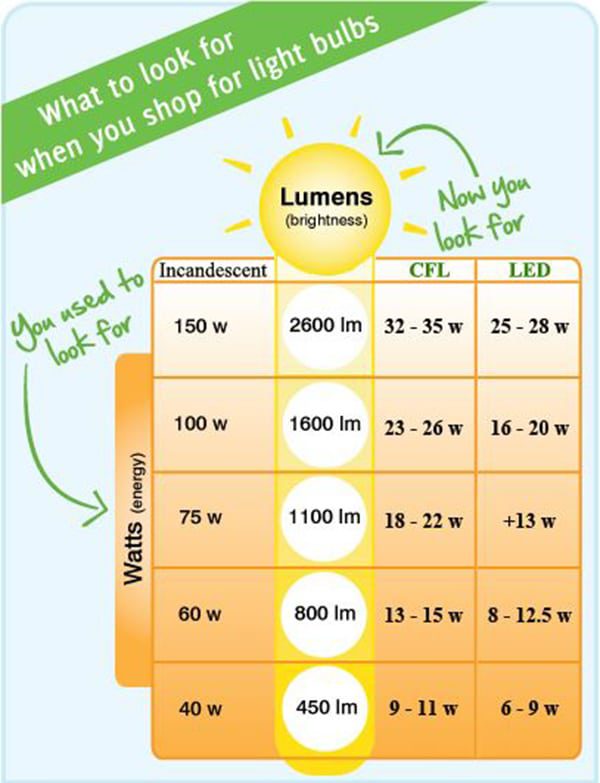
- Bulb Type: LED bulbs are energy-efficient and long-lasting, which I prefer for most pendants. But if you want a warm, vintage glow, try Edison bulbs. I’ve mixed and matched to find what works best for each room.
Installing Pendant Lights: Tips and Tricks
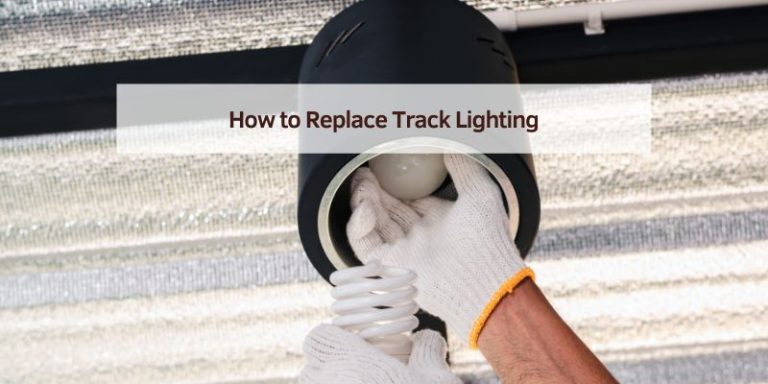
Installing a pendant light might sound intimidating, but it’s doable with some basic know-how. I’ve swapped out a few in my home, and while I’m no electrician, I’ve picked up some tips along the way:
- Turn Off the Power: Safety first! Always turn off the electricity at the breaker before touching any wires.
- Check the Ceiling: Make sure your ceiling can support the weight of the pendant. Most modern homes have sturdy junction boxes, but older ones might need reinforcement.
- Adjust the Cord or Chain: Many pendants let you adjust the hanging length. I like to play around with this to get the perfect height for the room.
- Hire a Pro if Needed: If you’re not comfortable with electrical work, call an electrician. I did this for a tricky multi-light pendant, and it was worth the peace of mind.
- Dimmer Switches: Adding a dimmer is a game-changer. It lets you control the mood, from bright and functional to soft and cozy. I installed one in my dining room, and it’s a total hit for dinner parties.
Maintaining Your Pendant Lights
To keep your pendant lights looking great, a little care goes a long way. I’ve learned this the hard way after neglecting a dusty shade for too long. Here’s what I do:
- Clean Regularly: Dust the shades and bulbs with a soft cloth. For glass or metal pendants, a damp cloth with mild soap works wonders. Just make sure the light is off and cool.
- Check the Bulbs: Replace burnt-out bulbs promptly to avoid straining the fixture. I keep a stash of LED bulbs handy for quick swaps.
- Inspect the Cord or Chain: Over time, cords can fray, or chains can rust. Check them every few months, especially for older fixtures.
- Update as Needed: If your decor changes, don’t be afraid to swap out your pendant. I recently replaced a dated one in my living room, and it was like a mini makeover for the space.
Pendant Lights and Energy Efficiency
Let’s talk about something practical: energy efficiency. I’m all about saving on my electric bill while keeping my home looking great. Pendant lights are a solid choice here. Most work with LED bulbs, which use way less energy than traditional incandescent bulbs and last for years. I switched all my pendants to LEDs, and I’ve noticed a real difference in my energy costs.
You can also look for Energy Star-certified pendants, which meet strict efficiency standards. Some pendants even come with built-in LED panels, so you don’t need to buy separate bulbs. Plus, using a dimmer switch lets you dial down the brightness when you don’t need full power, saving even more energy.
Pendant Lights as a Design Trend
Pendant lights aren’t just functional—they’re a major design trend. I’ve noticed them popping up everywhere, from home decor magazines to Instagram feeds. Designers love them because they’re so versatile. A single pendant can make a minimalist space feel complete, while a cluster of pendants can turn a plain room into a showstopper.
Right now, globe pendants and industrial pendants are super popular, especially in modern and eclectic homes. I’ve also seen a rise in eco-friendly designs, like pendants made from recycled materials or natural fibers. Whatever your style, there’s a pendant light that fits the vibe. I’m currently obsessed with a woven bamboo pendant I saw—it’s perfect for a cozy, earthy aesthetic.
Conclusion
So, there you have it—everything I’ve learned about pendant lights after diving deep into the world of home lighting. They’re more than just light fixtures; they’re a way to add personality, warmth, and function to your space. Whether you’re lighting up a kitchen island, creating a cozy bedroom nook, or making a bold statement in your dining room, a pendant light can do it all. I love how they let you play with style and practicality at the same time. So, go ahead and explore—find a pendant that speaks to you and watch your home light up in a whole new way.
Frequently Asked Questions
What’s the difference between a pendant light and a chandelier?
A pendant light usually has a single bulb or shade hanging from a cord or chain, focusing light downward. A chandelier has multiple arms and bulbs, spreading light in all directions. I find pendants simpler and more modern, while chandeliers feel more ornate.
Can I use pendant lights in a small room?
Absolutely! Mini pendants are perfect for small spaces like a cozy kitchen or bathroom. I’ve used them in tight corners, and they add light without taking up floor space.
Are pendant lights expensive?
It depends. You can find pendant lights for as little as $20 or as much as several hundred dollars. I’ve found great budget-friendly options online that still look high-end.
How do I know what size pendant light to choose?
Measure your space. For a dining table, pick a pendant about one-third the table’s width. In my kitchen, I chose pendants that were proportional to my island, and it made all the difference.
Can pendant lights be dimmable?
Yes! Many pendant lights work with dimmer switches, which I love for setting the mood. Just make sure the bulb and fixture are compatible with dimming.