What Is the Highest Lumens for Solar Lights? A Bright Guide for Your Automotive Space
Hey there! I’m so excited to sit down with you and talk about something that’s lit up my garage and driveway—solar lights. As a car enthusiast, I spend a lot of time in my garage, working on my ride or just hanging out. Good lighting is a must, and solar lights are my go-to because they’re eco-friendly and don’t jack up my electric bill. But when I started shopping for them, I kept asking myself, “What is the highest lumens for solar lights?”
I’ve spent years testing different models, from path lights to floodlights, and I’ve learned what makes a solar light shine bright. So, let’s dive into the world of lumens and solar lights to help you brighten up your automotive space like a pro.
Why Solar Lights Are Awesome for Car Enthusiasts
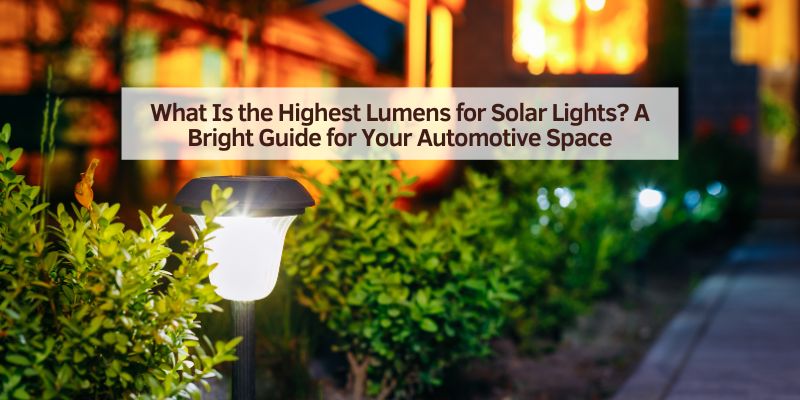
I love solar lights because they’re practical and stylish. In my garage, they light up my workbench so I can see every bolt and screw. Outside, they guide me when I’m pulling my car into the driveway at night. Solar lights run on sunlight, so they’re free to use once you buy them. No wiring, no hassle—just stick them in the ground or mount them on a wall.
But here’s the thing: not all solar lights are bright enough for what we need. If you’re like me, you want lights that make your car’s paint pop or keep your garage safe. That’s where lumens come in. Lumens measure how bright a light is, and knowing the highest lumens for solar lights helps you pick the right ones for your space.
What Are Lumens, Anyway?
When I first started looking at solar lights, I was confused about lumens. I thought watts were the way to measure brightness, like with old-school bulbs. But lumens are the real deal. They tell you how much visible light a bulb or fixture puts out. The higher the lumens, the brighter the light.
For example, a 40-watt incandescent bulb gives off about 400 lumens. Modern LEDs, which most solar lights use, can produce way more lumens with less energy. In my garage, I use solar floodlights with 1000 lumens to light up my workspace. For my driveway, I’ve got path lights with 100 lumens to guide the way. Knowing lumens helps you choose lights that fit your needs.
How Bright Can Solar Lights Get?
So, what’s the highest lumens for solar lights? I’ve done a ton of research and tested some heavy-duty models. The brightest solar lights out there can hit 30,000 to 44,400 lumens or more. These are serious lights, used for big spaces like parking lots, stadiums, or even rural driveways. I saw a commercial solar floodlight online that claimed 44,400 lumens—perfect for lighting up a car show or a massive garage.
For home use, though, you don’t need that much power. Most residential solar lights range from 50 to 2000 lumens. My driveway has 200-lumen path lights, and they’re plenty bright for walking or parking. For security, I use 1000-lumen motion-sensor floodlights around my garage. Commercial-grade lights for larger spaces start at 7400 lumens and go up from there.
Here’s a quick table to show the range:
| Type of Solar Light | Lumen Range | Best For |
|---|---|---|
| Path Lights | 50–200 lumens | Walkways, driveways, gardens |
| Spotlights | 100–1000 lumens | Trees, signs, small areas |
| Floodlights (Residential) | 700–2000 lumens | Trees, signs, and small areas |
| Commercial Floodlights | 7400–44,400 lumens | Parking lots, large driveways |
Factors That Affect Solar Light Brightness
I’ve learned that lumens aren’t the whole story. Several things affect how bright your solar lights actually seem. Here’s what I’ve figured out after trying different setups.
Solar Panel Size and Efficiency
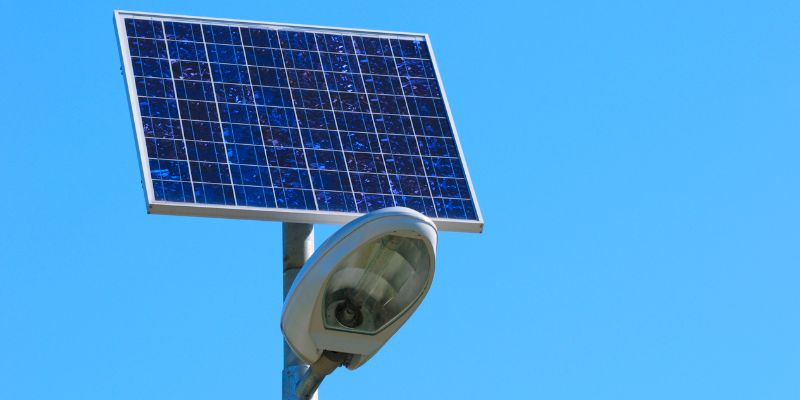
The solar panel is the heart of a solar light. It captures sunlight to charge the battery. Bigger, more efficient panels produce more power, which means brighter lights. My high-lumen floodlights have large panels that soak up sun even on cloudy days. If you want super bright lights, check the panel size before buying.
Battery Capacity
The battery stores the energy for nighttime use. A bigger battery means the light can shine brighter and longer. My 1000-lumen floodlights have beefy batteries that last all night. Cheaper lights with small batteries often dim after a few hours, which is annoying when you’re working late in the garage.
LED Technology
Most solar lights use LEDs because they’re energy-efficient. Modern LEDs produce tons of lumens with little power. I upgraded my old path lights to LED models, and the difference was night and day. Look for lights with high-quality LEDs for maximum brightness.
Design and Optics
The way a light is designed affects how the light spreads. Some lights focus the beam tightly, making them seem brighter in one spot. Others spread light widely, which is better for general lighting. My garage floodlights have reflectors that direct light exactly where I need it, making them feel brighter than their lumen rating suggests.
Choosing the Right Lumen Level for Your Needs
Picking the right lumens depends on what you’re lighting. I’ve tried lights for different purposes, and here’s what works best.
Driveways and Pathways
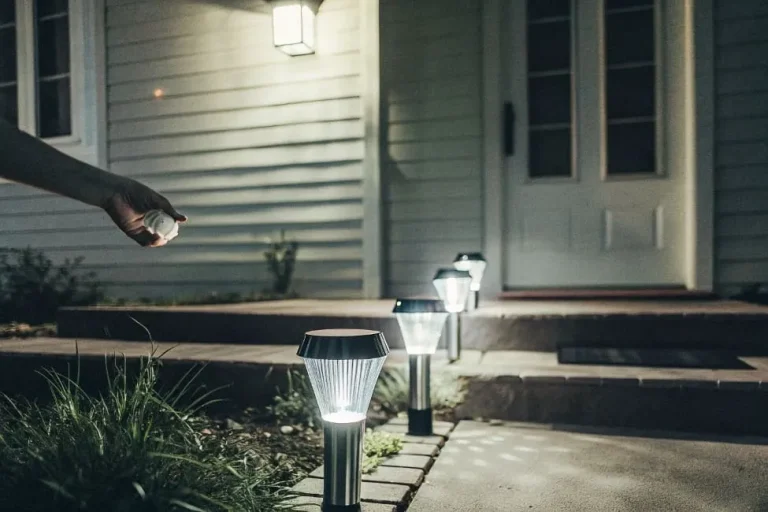
For walkways or driveways, 50 to 200 lumens per light is enough. I have 100-lumen path lights lining my driveway, and they create a soft, welcoming glow. They’re perfect for guiding my car or walking to the garage at night. Space them 6 to 8 feet apart for even coverage.
Garage and Workspaces
In my garage, I need bright light for working on my car. I use 1000-lumen floodlights mounted on the walls. They light up every corner, so I can see details when I’m polishing or wrenching. For smaller garages, 700 to 800 lumens might do the trick.
Security Lighting
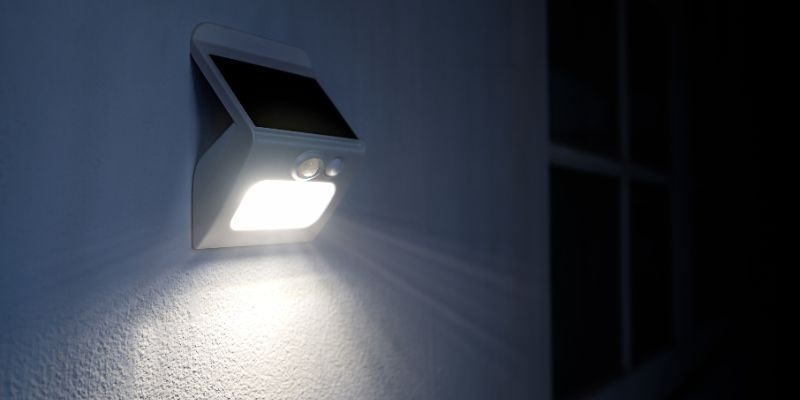
For security, you want lights that scream, “stay away.” I have 1000-lumen motion-sensor floodlights around my garage and carport. They’re bright enough to startle anyone sneaking around, and let me see clearly on my security cameras. For larger areas, go for 2000 lumens or more.
Accent Lighting
If you want to show off your car or light up a sign, use spotlights with 100 to 300 lumens. I have a 200-lumen spotlight aimed at my vintage car when it’s parked outside. It makes the chrome sparkle and draws attention to my pride and joy.
My Favorite High-Lumen Solar Lights
I’ve tested a bunch of solar lights, and some stand out for their brightness and quality. Here are my top picks for high-lumen models.
Lerekam Solar Spotlights
These spotlights hit 1000 lumens and are perfect for lighting up a garage or driveway. I have two mounted near my garage door, and they cover a 25-foot area. They’re adjustable, so I can aim them exactly where I need light. The solar panel is big, and it lasts all night.
Solar Lighting International Floodlights
For serious brightness, these commercial-grade floodlights offer up to 22,200 lumens. I saw them used at a car show, and they lit up the whole lot like daylight. They’re pricey but worth it for large spaces like a big driveway or shop.
Urpower Outdoor Solar Lights
These are my go-tos for budget-friendly security. They’re 800 lumens and have a motion sensor. I have them around my carport, and they’re bright enough to light up the whole area when I pull in at night.
Installing Solar Lights for Maximum Brightness
Installing solar lights is a breeze compared to wired ones. I’ve set up dozens, and here’s what I’ve learned to get the most brightness.
Place the solar panel where it gets full sun for at least 6 hours a day. My garage lights have panels on the roof, where nothing blocks the sun. If you’re in a shady spot, get lights with a separate panel you can mount in a sunny area.
Angle the light to focus where you need it. My floodlights are tilted to cover my workbench and car. For path lights, keep them low to the ground to light the way without glare.
Clean the solar panel regularly. Dust and dirt can block sunlight, making the light dimmer. I wipe mine down every few months with a damp cloth.
Common Mistakes to Avoid
I’ve made some rookie mistakes with solar lights, so let me save you the trouble. Don’t buy cheap lights with tiny panels or batteries—they won’t stay bright for long. I had some 100-lumen path lights that died after 2 hours because the battery was junk.
Don’t place panels in the shade. I made this mistake with a spotlight, and it barely worked. Move the panel to a sunny spot, even if it means running a wire.
Don’t skimp on lumens for security. My first motion-sensor light was only 300 lumens, and it was too dim to be useful. Go for at least 700 lumens to keep your garage or car safe.
Why Solar Lights Are Perfect for Automotive Spaces
As a car guy, I’m all about making my garage and driveway look and feel awesome. Solar lights are perfect because they’re easy to install and don’t cost a dime to run. My 1000-lumen floodlights make my garage feel like a professional shop, and my path lights make parking at night a breeze.
High-lumen solar lights also add security. My motion-sensor floodlights scare off critters and keep my cars safe. Plus, they make my rides look amazing when I’m showing them off to friends. Whether you’re working on your engine or just admiring your car, bright solar lights make it better.
My Journey with Solar Lights
I got into solar lights about five years ago when I wanted to light up my driveway without running wires. My first set was a cheap 50-lumen path light kit from a big-box store. They were okay, but dimmed fast and didn’t last long. Since then, I’ve upgraded to high-lumen models and learned what makes a great solar light.
My favorite setup is my garage floodlights. They’re 1000 lumens each, and I have three mounted around the space. They make working on my car at night feel like daytime. I also love my 200-lumen spotlights for highlighting my car during backyard barbecues. Every time I flip them on, I’m amazed at how far solar tech has come.
Tips for Getting the Most Out of Your Solar Lights
Here are some tricks I’ve picked up to keep your solar lights shining bright.
- Charge them fully before use. Most lights need 24–48 hours of sun to charge the battery. I let mine sit in the sun for two days before turning them on.
- Use motion sensors for security. They save battery life by only turning on when needed. My floodlights only light up when I’m around, so they last all night.
- Check the weather rating. Look for lights with an IP64 or higher rating for rain and dust resistance. My driveway lights have survived storms with no issues.
- Replace batteries if needed. Some lights let you swap out the battery after a year or two. I replaced the battery in my old floodlight, and it’s like new again.
Conclusion: Shine Bright with Solar Lights
Figuring out the highest lumens for solar lights is like finding the perfect spark plug for your car—it makes everything run smoother. From 50-lumen path lights to 44,400-lumen commercial floodlights, there’s a solar light for every automotive space. Whether you’re lighting up your garage, driveway, or carport, the right lumens make your space safer, brighter, and more inviting. I’ve loved experimenting with solar lights, and I hope my experience helps you find the perfect setup. Grab some high-lumen lights, charge them up, and let’s make your space glow like a showroom. Here’s to bright nights and awesome rides!
FAQs
What are lumens in solar lights?
Lumens measure how bright a light is. The higher the lumens, the more light you get. My 1000-lumen floodlights light up my garage like daytime.
What’s the highest lumens for solar lights?
The brightest solar lights can reach 30,000 to 44,400 lumens. They’re used for big spaces like parking lots. For home use, 1000–2000 lumens is plenty.
How many lumens do I need for my driveway?
For a driveway, 50 to 200 lumens per path light is enough. I use 100-lumen lights spaced 6 feet apart, and they guide my car perfectly.
Are high-lumen solar lights expensive?
They can be, but not always. My 1000-lumen spotlights cost about $40 each. Commercial lights with 20,000+ lumens can run hundreds, but you don’t need those for home use.
Do solar lights work on cloudy days?
Yes, but they might not be as bright. My floodlights have big panels and batteries, so they still work after a cloudy day.
How long do solar lights last at night?
Most last 6 to 12 hours on a full charge. My 800-lumen security lights stay on all night with a motion sensor to save power.
Can I replace the battery in solar lights?
Some models let you swap the battery. I replaced the battery in my old floodlight, and it’s still going strong after three years.