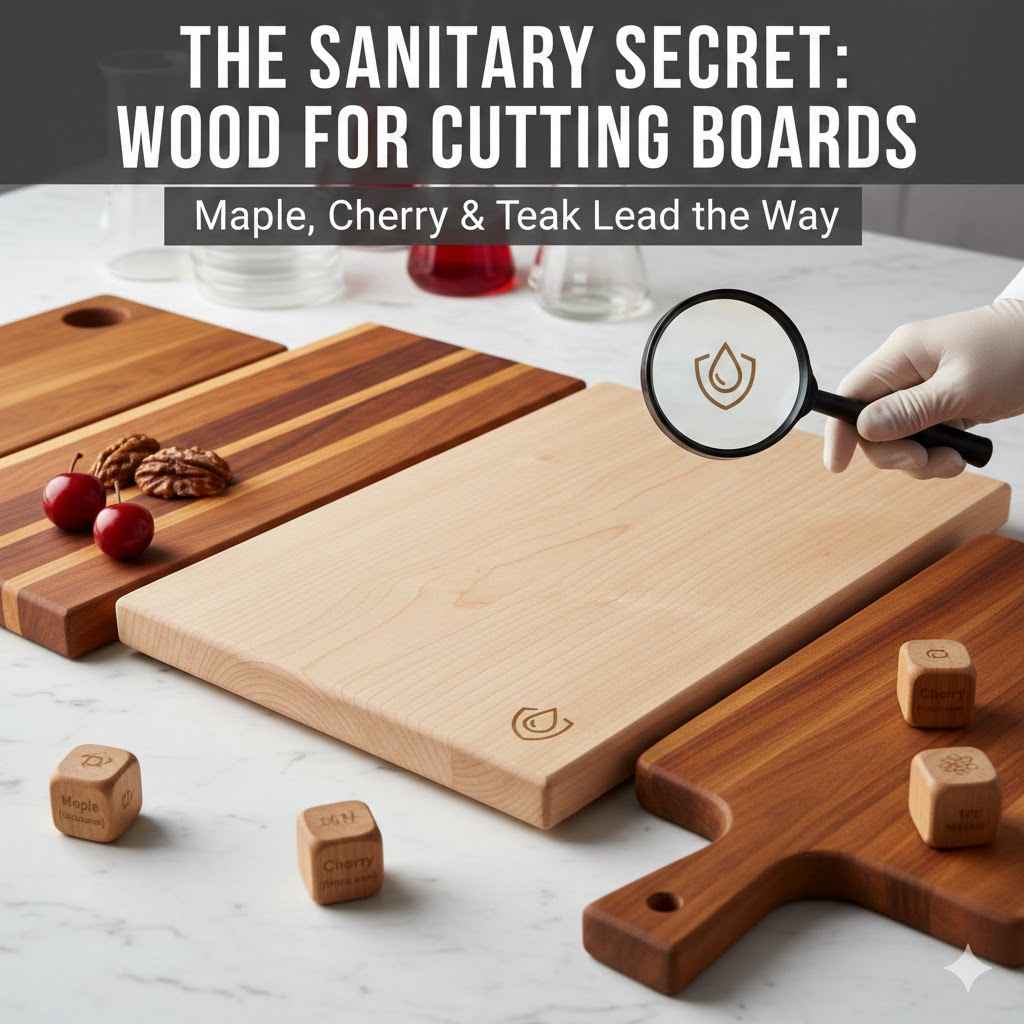
What Is the Most Sanitary Wood for Cutting Boards?
Thinking about What Is the Most Sanitary Wood for Cutting Boards? can be tricky when you start cooking. You might wonder which wood is best for keeping your food safe and clean. It’s a common question, especially for new cooks. But don’t worry! We will explore different wood types and learn what makes a good cutting board. We’ll go through the important things step-by-step, making it easy to pick the right one. Let’s get started!
Choosing the Best Wood for Kitchen Hygiene
When you’re equipping your kitchen, picking the right cutting board is important. You want something that’s great to use and keeps things clean. Not all wood is created equal. Some types are better at fighting off germs and bacteria. This part will examine various wood choices, focusing on how well they handle food safety. We’ll look at the pros and cons of each, helping you pick a cutting board that keeps your food safe and your kitchen clean.
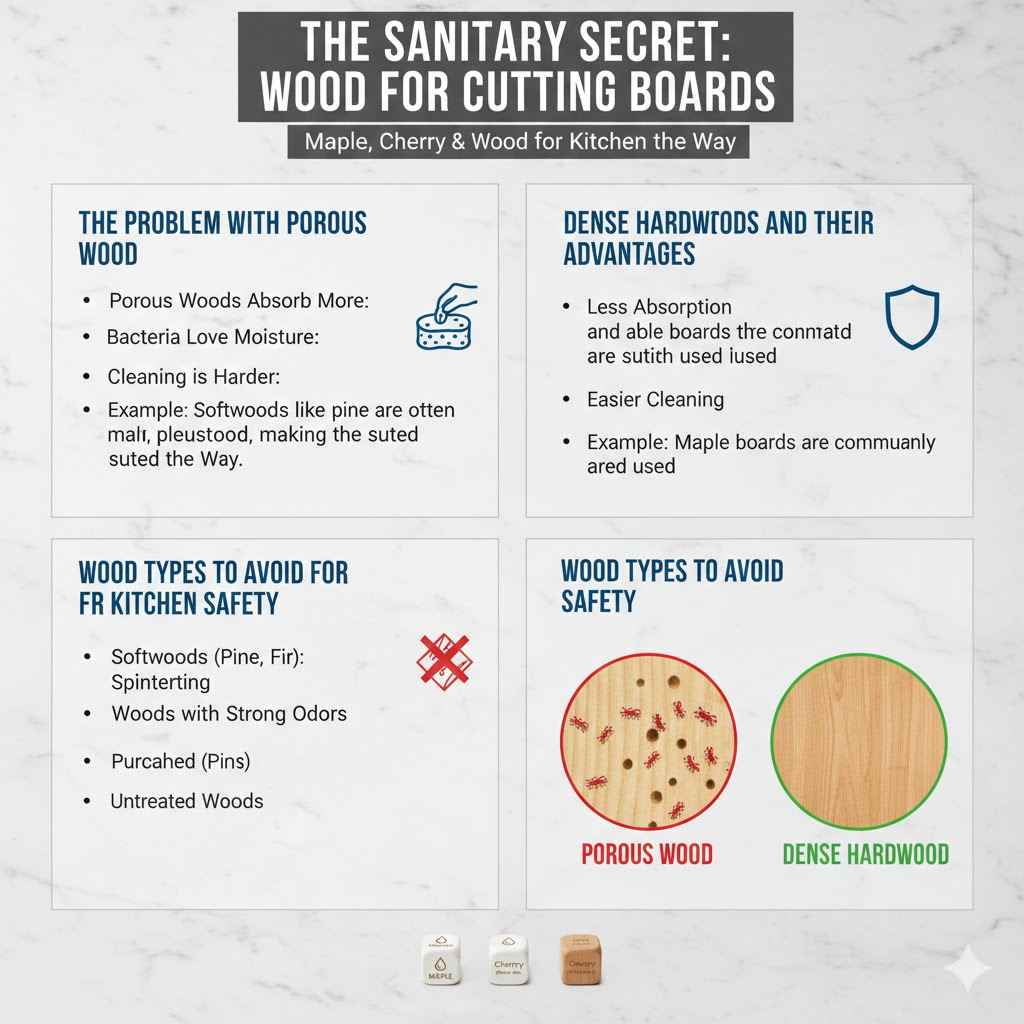
The Problem with Porous Wood
Wood’s structure affects how sanitary it is. Some types of wood have a lot of tiny holes, making them porous. These holes can trap food particles and moisture. This creates a cozy environment where bacteria can grow. This is why you need to choose wood that resists these problems. The density of the wood also matters. Denser wood tends to have fewer pores. This makes it less likely for stuff to get stuck and cause problems. Knowing about porosity and density is key when you’re looking at your options.
- Porous Woods Absorb More: Woods with lots of pores soak up liquids and food scraps easily.
- Bacteria Love Moisture: Trapped moisture inside the wood creates an ideal place for bacteria to thrive.
- Cleaning is Harder: It’s tough to fully clean a porous board, making it hard to remove bacteria.
- Example: Softwoods like pine are often more porous, making them less suited for cutting boards.
Dense Hardwoods and Their Advantages
Hardwoods are typically a better choice for cutting boards than softwoods. Their density helps them resist moisture and prevent bacteria from getting a foothold. Maple and walnut are popular choices because they have a tight grain and are reasonably easy to clean. You can usually find them at any kitchen store or online. They’re less likely to warp or crack with regular use and care, which adds to their longevity. These features make dense hardwoods a strong pick for anyone who values hygiene and practicality.
- Less Absorption: The tighter grain means less soaking up of liquids and food.
- Durable Surface: These woods can withstand lots of cutting without wearing down quickly.
- Easier Cleaning: They’re simpler to clean thoroughly, reducing bacteria buildup.
- Example: Maple cutting boards are commonly used due to their durability and cleanliness.
Wood Types to Avoid for Kitchen Safety
Some wood types aren’t a good fit for cutting boards. They might be too porous, soft, or have other characteristics that make them risky in the kitchen. For example, woods that splinter easily or are prone to warping can be dangerous. They could trap bacteria, or even chip off into food. Knowing which woods to avoid helps you make a better choice. This part will look at some of the woods you should steer clear of if you want a safe and clean kitchen.
- Softwoods (Pine, Fir): These are often too porous and can trap bacteria.
- Woods Prone to Splintering: Can break apart, creating places for germs to hide.
- Woods with Strong Odors: Can impact the taste of your food.
- Untreated Woods: Without proper treatment, they can easily become breeding grounds for bacteria.
Examining the Best Wood Choices for Your Cutting Board
Picking the right wood is important. When it comes to cutting boards, the type of wood matters a lot. Certain woods are better than others at keeping things clean and safe. This section will look at some of the best wood choices. We will see why they’re popular and what makes them a good choice for your kitchen. This info helps you pick a cutting board that’s safe, durable, and good for preparing your meals.
Maple: A Classic and Reliable Choice
Maple is a favorite for cutting boards. Its tight grain makes it less likely to absorb liquids. That’s a huge benefit when it comes to hygiene. Maple is also pretty tough, so it can handle a lot of use without getting damaged easily. You’ll often see maple cutting boards in both home kitchens and professional restaurants. Many cooks like maple because it’s a good balance of durability and practicality. It’s a great option if you need a cutting board you can rely on.
- Tight Grain: Prevents liquid and bacteria from entering the wood.
- Durability: Can withstand regular use without wearing down quickly.
- Easy to Clean: Its surface makes it simpler to clean thoroughly.
- Availability: Maple cutting boards are widely available.
Walnut: A Beautiful and Functional Option
Walnut is another excellent choice for cutting boards. Its rich, dark color can add a stylish touch to your kitchen. Walnut is also a pretty hard wood, which helps it last a long time. It has a relatively tight grain. This helps reduce the risk of bacteria growth. Like maple, walnut is a practical choice. It offers a good balance of looks, durability, and hygiene. Walnut is a great choice if you need a cutting board that performs well and looks great.
- Attractive Appearance: Adds a touch of elegance to your kitchen.
- Hardwood: Resists damage and lasts longer.
- Moderate Porosity: Still works well for hygiene.
- Maintenance: Needs regular oiling to stay in good shape.
Other Considerations: Bamboo and End-Grain Boards
Bamboo is sometimes used for cutting boards. It’s a fast-growing, sustainable resource. End-grain boards offer another choice, with a unique construction that can be quite durable. However, bamboo isn’t always the best for hygiene. End-grain boards can be harder to clean. It’s important to think about these options carefully. You need to consider how well they perform in terms of safety and maintenance. You’ll want to balance the benefits of each with your own kitchen needs.
- Bamboo: Eco-friendly, but not always as hygienic as other woods.
- End-Grain: Durable, but may require more care and cleaning.
- Board Thickness: Thicker boards tend to be more durable.
- Board Construction: Consider the type of construction like glued or solid.
Keeping Your Cutting Board Clean: Practices for Hygiene
You can keep your cutting board clean with the right care. Cleaning and taking care of your cutting board is just as important as the wood you pick. This part looks at some simple steps you can take to keep your cutting board clean and free from germs. We’ll cover everything from simple cleaning to preventing bacteria growth. Following these tips ensures your cutting board is ready to use every time you need it. This protects your food and keeps your kitchen safe.
Daily Cleaning: The Basics of Cutting Board Care
Regular cleaning is key to a hygienic cutting board. After each use, wash your board with warm, soapy water. Use a gentle sponge or cloth to scrub away any food residue. Rinse the board thoroughly to get rid of soap. You should also dry it well, using a clean towel. Proper daily cleaning is the best way to keep bacteria from building up. This also extends the life of your cutting board. It’s a simple habit that makes a big difference.
- Wash After Each Use: Get rid of food scraps and bacteria right away.
- Warm Water and Soap: Use mild soap and avoid harsh chemicals.
- Rinse Thoroughly: Remove all soap residue.
- Dry Completely: Prevent bacteria growth by drying the board.
Deep Cleaning and Sanitizing
Sometimes your cutting board needs a deeper clean. You can sanitize your board using a mix of vinegar and water. This is an effective way to kill any bacteria. You can also use a food-safe sanitizing spray. After sanitizing, make sure to rinse the board well. Then dry it completely. Regular deep cleaning ensures your board stays hygienic. It helps you keep your kitchen safe from germs. This makes it a smart part of your cooking routine.
- Vinegar and Water: Mix equal parts white vinegar and water and spray on the board. Let it sit for a few minutes and rinse.
- Sanitizing Sprays: Use food-safe sanitizers. Make sure to follow the instructions.
- Baking Soda Paste: Make a paste of baking soda and water. Scrub the board and rinse.
- Rinse and Dry: After each cleaning method, rinse and dry the board completely.
Preventing Bacteria Growth: Tips for Long-Term Care
Taking care of your cutting board helps prevent bacteria buildup. Oiling your board regularly keeps the wood from drying out and cracking. Cracks can trap bacteria, so keeping the wood moisturized is key. Don’t leave your board in water for too long. Excessive moisture can cause problems. With proper care, your cutting board will stay clean and hygienic. This adds to its life and ensures it’s ready to use. Following these tips will help you keep your cutting board in great shape for a long time.
- Oiling Regularly: Use food-grade mineral oil to keep the wood moisturized.
- Avoid Extreme Temperatures: Don’t put your board in the dishwasher.
- Don’t Soak: Avoid leaving the board in water for extended periods.
- Proper Storage: Store the board in a dry place to prevent moisture buildup.
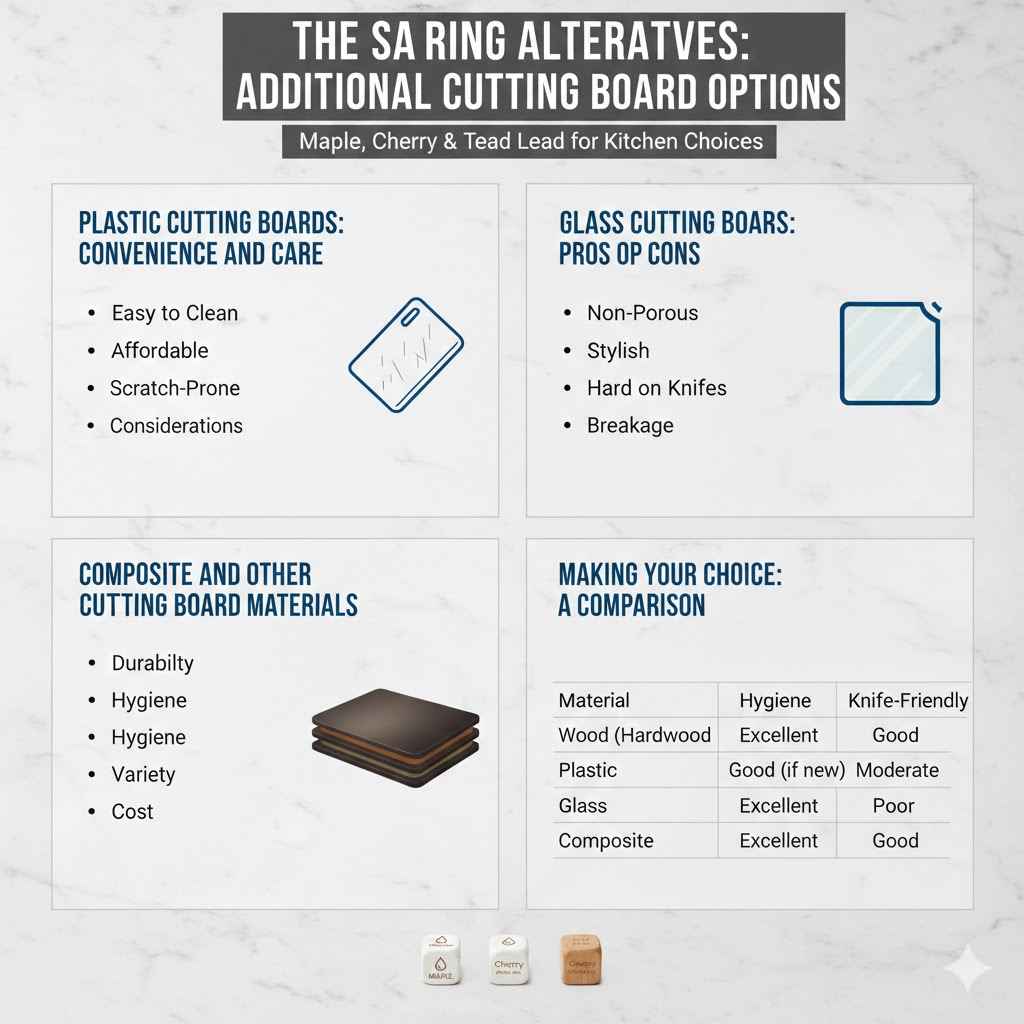
Exploring Alternatives: Additional Cutting Board Options
Besides wood, there are other choices for cutting boards. If you want a cutting board, you have a lot of options. You can use plastic, glass, or composite materials. Each has its own benefits and drawbacks. Knowing these options can help you decide what fits your kitchen best. This section explores different materials and considers what makes them right for you. You’ll learn the benefits of each type. This will help you pick a cutting board that’s a good match for your cooking needs.
Plastic Cutting Boards: Convenience and Care
Plastic cutting boards are a popular choice due to their convenience. They’re often easy to clean and can be put in the dishwasher. They’re usually light and easy to move around the kitchen. Plastic can scratch, and these scratches can harbor bacteria. You need to keep up with them, even with these benefits. Using plastic cutting boards might be a good choice. It depends on your cooking style. You’ll want to think about its pros and cons to make a good choice.
- Easy to Clean: Many plastic boards are dishwasher-safe.
- Affordable: Plastic boards are often less expensive than wood boards.
- Scratch-Prone: Scratches can trap bacteria, so they need regular attention.
- Considerations: Some people feel that plastic boards aren’t as pleasant to cut on.
Glass Cutting Boards: Pros and Cons
Glass cutting boards can add a modern look to your kitchen. They’re often easy to clean and don’t absorb food odors. But they have some drawbacks, too. They can be hard on knives. They’re also prone to chipping. Glass cutting boards are an option to consider. Think about their pros and cons. Think about how they’ll fit in your kitchen. It’s a balance of style, ease of care, and how they work with your knives.
- Non-Porous: Easy to clean and won’t absorb food odors.
- Stylish: Can provide a modern look in the kitchen.
- Hard on Knives: Can dull knives quickly.
- Breakage: Glass boards can break or chip easily.
Composite and Other Cutting Board Materials
Composite materials provide another choice for cutting boards. They’re often made from a combination of materials. They combine the advantages of different materials. Some composites are very durable and hygienic. They can be a smart middle ground between wood and plastic. You will want to research the material used. You’ll want to see how well it works. These materials can be a great option for people who cook a lot.
- Durability: Composite boards can be extremely durable.
- Hygiene: Many composite materials are easy to clean and sanitize.
- Variety: Lots of different composite boards are available.
- Cost: Composite boards are sometimes more expensive than other options.
Frequently Asked Questions
Question: Is it safe to use a wooden cutting board for raw meat?
Answer: Yes, it is safe, but you must clean and sanitize it thoroughly after each use. Make sure to use warm, soapy water and a food-safe sanitizing solution to eliminate any potential bacteria.
Question: How often should I oil my wooden cutting board?
Answer: It depends on how often you use it and the environment where you live. Usually, oiling your cutting board every few weeks is a good idea. In drier climates, you might need to oil it more often. Regularly check your board’s surface for dryness.
Question: Can I put my wooden cutting board in the dishwasher?
Answer: No, you should not put your wooden cutting board in the dishwasher. The heat and harsh detergents can damage the wood, causing it to warp, crack, and dry out. Hand wash your board with warm, soapy water instead.
Question: What’s the best way to remove stains from a wooden cutting board?
Answer: You can use a paste of baking soda and water to gently scrub away stains. After scrubbing, rinse the board and re-oil it to restore moisture.
Question: How do I know when it’s time to replace my cutting board?
Answer: Replace your cutting board when it becomes excessively worn, has deep grooves that are hard to clean, or shows signs of cracking or splintering. If it doesn’t seem clean after washing and sanitizing, it is time to replace it.
Final Thoughts
Choosing the right cutting board is important for kitchen safety and food hygiene. Selecting the right wood type, and understanding how to keep it clean, is key. While many options are available, dense hardwoods like maple and walnut are often the best choices. They resist bacteria and last longer, making them practical for cooking.
Also, remember that how you care for your cutting board is as important as the wood itself. Regular cleaning and occasional sanitizing will keep it safe and hygienic. Consider the benefits of each material and choose what fits best in your kitchen. By following these steps, you can create a safe, efficient, and enjoyable cooking experience. You’ll be well on your way to chopping and preparing meals with confidence.