What is the Standard Kitchen Sink Size: Essential Guide
When you’re planning a kitchen renovation, every detail counts. Among the many decisions you’ll face, choosing the right kitchen sink size is crucial.
It might seem like a small aspect, but it can greatly impact your daily routine and the overall look of your kitchen. You might wonder, “What is the standard kitchen sink size? ” This question often pops up because sinks need to fit seamlessly into your space, while also meeting your practical needs.
Imagine effortlessly washing dishes, filling pots, and cleaning fruits and vegetables without any hassle. The perfect sink size can make all the difference. You’ll discover how the right choice can transform your kitchen into a more efficient and enjoyable space, making daily tasks a breeze. Dive in, as we explore the standard sizes and help you find the perfect fit for your kitchen.
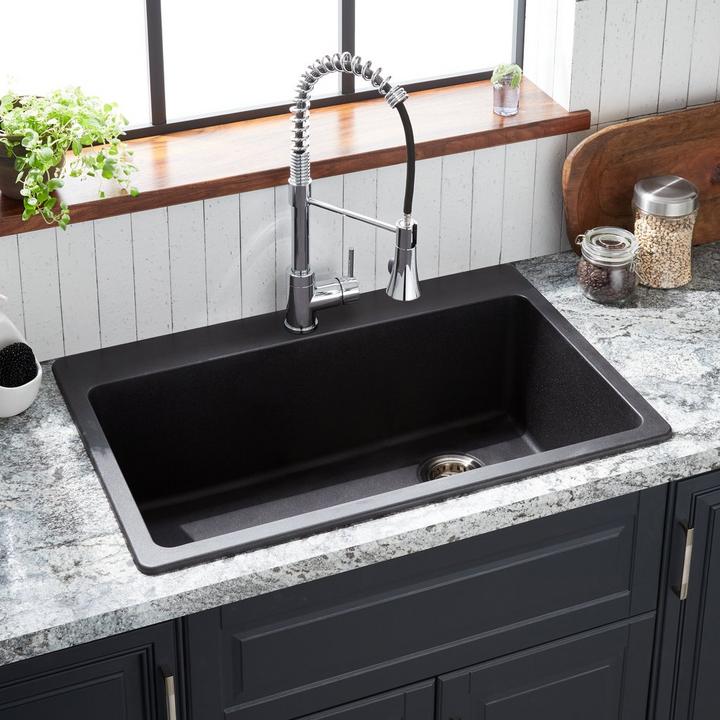
Credit: www.signaturehardware.com
Common Kitchen Sink Dimensions
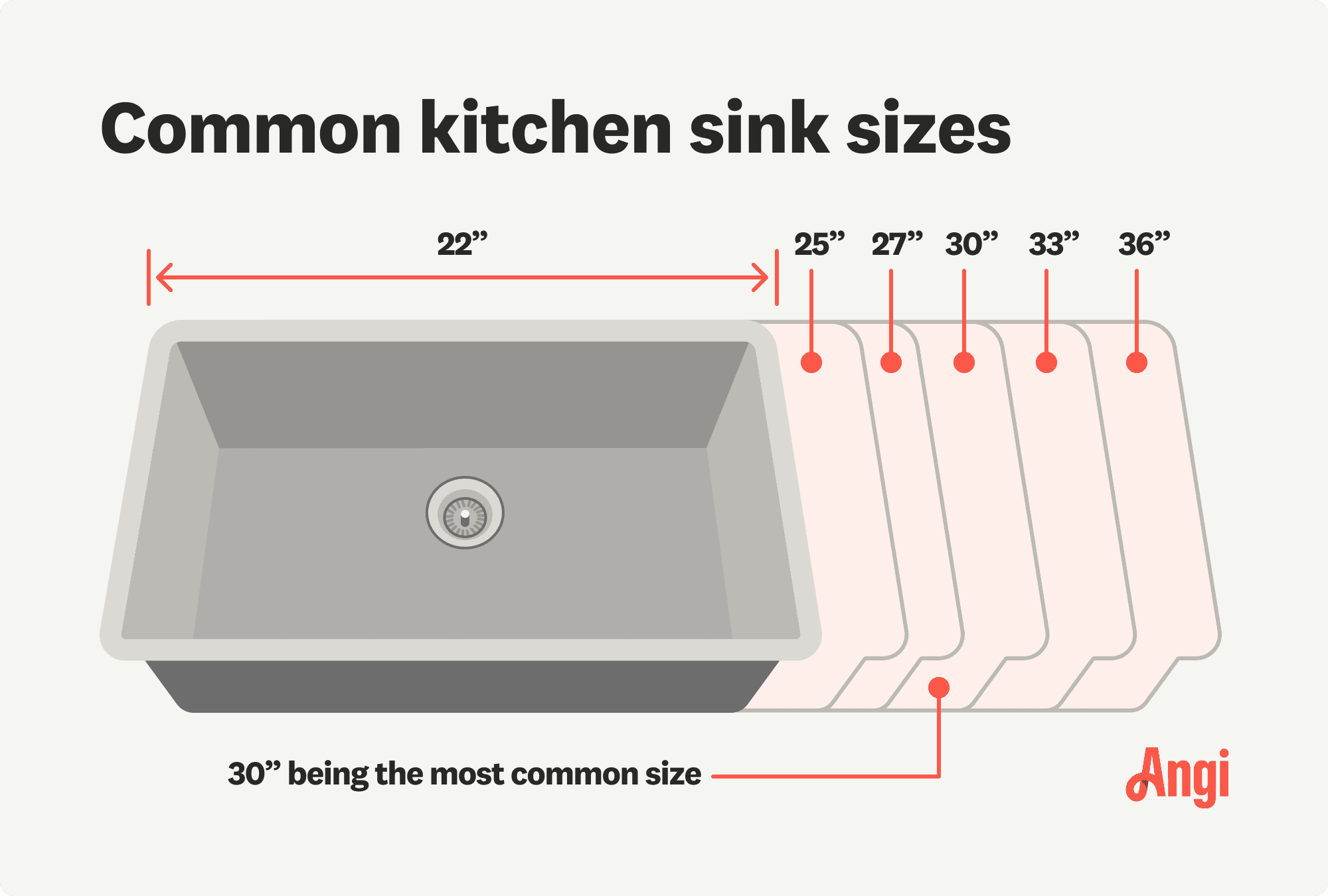
Kitchen sinkscome in many sizes. Most sinks are 22 to 33 incheswide. The standard size is 30 inches. Depth often ranges from 6 to 12 inches. Small sinks save space. Big sinks hold more dishes. Double-basin sinks are popular. They have two compartments. Single-basin sinks have one.
Sinks can be undermount or drop-in. Undermount sinks are below the countertop. Drop-in sinks sit on top. Choose based on your kitchen style. Measure your cabinet space first. This ensures the sink fits well. Sink sizeaffects water usage. Bigger sinks use more water.
Factors Influencing Sink Size
Counter space is very important for sink size. Bigger counters can fit larger sinks. Small counters need compact sinks. People love extra space for dishes and cooking.
Cabinet size matters a lot. Wide cabinets hold big sinks easily. Narrow cabinets limit sink choices. Measure cabinets for a perfect fit.
Usage decides the sink style. Busy kitchens need deep sinks. They hold more pots and pans. Less busy kitchens can use shallow sinks. Every kitchen has different needs.
Types Of Kitchen Sinks
Single basin sinks have one large bowl. They are great for washing big pots. These sinks save space in small kitchens. They are easy to clean. Their simple design fits many styles.
Double basin sinks have two separate bowls. You can wash and rinse at once. They are perfect for busy kitchens. Many families prefer these sinks. They offer more flexibility.
Farmhouse sinks are big and deep. They hold lots of dishes. Their front part sticks out. They add charm to the kitchen. People love their vintage look.
Bar sinks are small. They are used for drinks and snacks. Prep sinks help with food preparation. They are handy in big kitchens. These sinks make cooking easier.
Materials And Their Impact On Size
Stainless steel sinks are very popular. They are often lightweight. This material allows for flexibility in sizes. Many modern kitchens use stainless steel. It is easy to clean and maintain.
Porcelain sinks have a classic look. They are heavier than stainless steel. This material often means larger sizes. Porcelain is durable and can resist stains. Many people love its shiny finish.
Composite materials offer many choices. They can be made from granite or quartz. These sinks are strong and resistant to scratches. Composite sinks can have unique designs. They often come in various sizes.
Copper sinks are a bold choice. They have a rich color and can change over time. Cast iron sinks are very heavy and durable. Both materials can lead to larger sinks. They offer a vintage feel to any kitchen.
Choosing The Right Size For Your Kitchen
The kitchen layout decides the sink size. Small kitchens need compact sinks. Bigger spaces allow large sinks. Measure your counter space. Ensure there is room for faucet and accessories. Keep enough space for cleaning and cooking.
Cooking habits affect sink choice. Frequent cookers need more space. A double sink might be ideal. Busy families may prefer deeper sinks. Light cooking? A smaller sink works fine. Think about what you wash often. Pots, pans, or just veggies?
Aesthetic appeal is important. Match sink style with kitchen design. Practicality matters too. Choose a sink that fits daily needs. Consider material and color. Stainless steel or ceramic? Each has its own look. Balance beauty and function.
Installation Considerations
Plumbingfor kitchen sinks is very important. The pipes should fit the sink. Water should flow easily. Check the drain size. It must match the sink hole. Pipes must be strong. No leaks should happen. Ensure water flows smoothly. Ask a plumber if unsure. Proper plumbing avoids problems. Water should not spill out.
Sinks have different mounting styles. Some sit on the counter. Others fit under the counter. Top-mount sinks are easier to install. They are common in homes. Under-mount sinks look nice. They need special support. Choose the style that fits your kitchen. Think about cleaning too. Under-mount sinks are easier to clean.
Installinga sink can be tricky. Professionals install sinks quickly. They have the right tools. DIY takes more time. You need to be careful. Mistakes can cost money. Professionals know best. DIY saves money. It can be fun. Choose what works for you. Ask for help if needed.
Trends In Kitchen Sink Sizes
Many people love modern kitchen sinks today. They often have sleek lines. This style adds a fresh look to any kitchen. Materials like stainless steel and ceramic are common. These materials are easy to clean. Colors can range from white to black. Shapes vary too. Some sinks are round, others are square.
Many sinks today are eco-friendly. They use materials that do not harm the Earth. Recycled stainless steel is a popular choice. It is both strong and green. This helps save our planet. Water-saving faucets can also be added. They help use less water.
Small kitchens need space-saving sinks. These are often compact. They fit in tiny spaces well. Some come with built-in cutting boards. This adds extra space to work. Foldable or retractable sinks are also an option. These can be hidden when not needed.
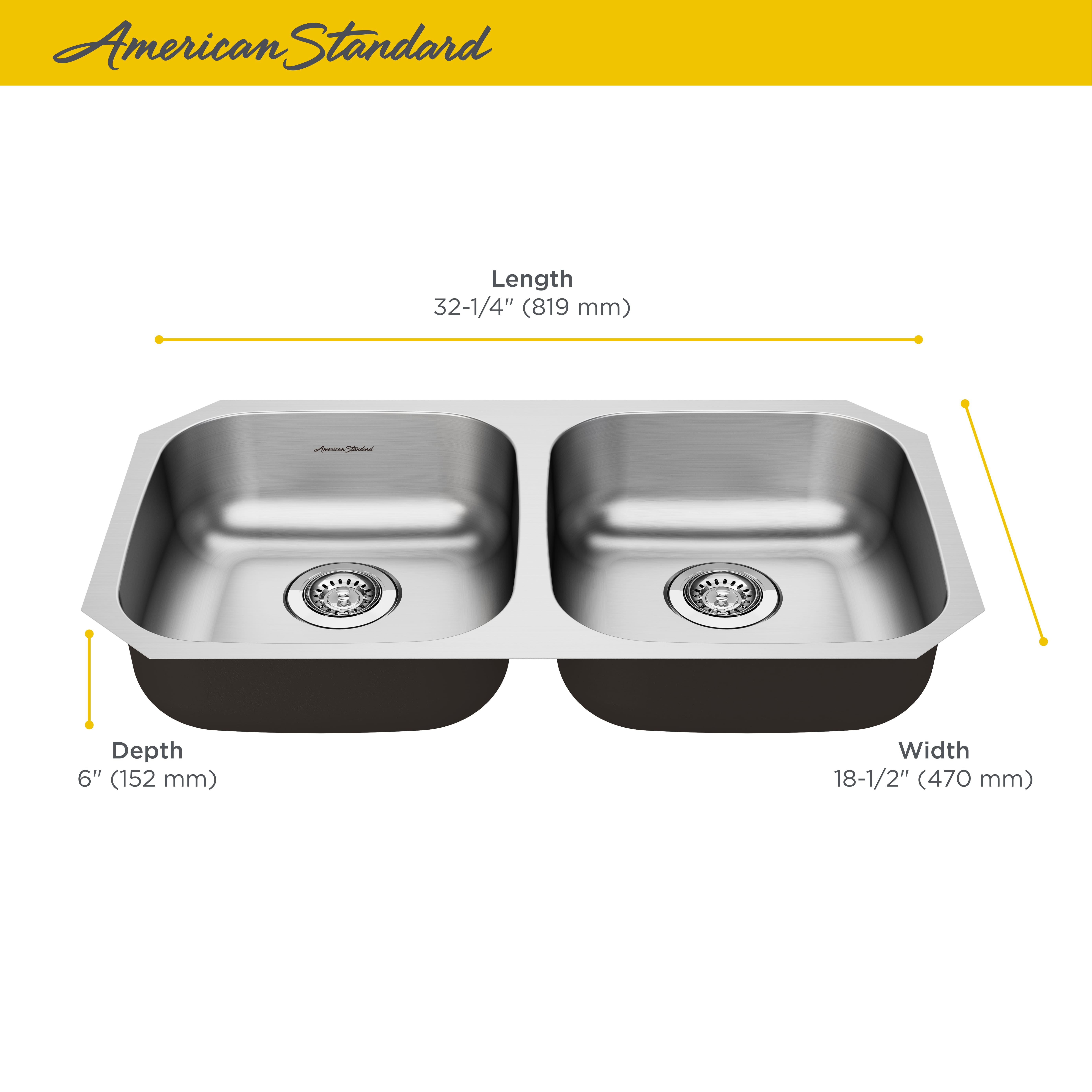
Credit: www.faucetdirect.com
Frequently Asked Questions
What Is The Average Kitchen Sink Size?
The average kitchen sink size is typically 22 by 30 inches. This measurement can vary based on design and manufacturer. Double-bowl sinks might require more space. Always measure your countertop area before purchasing. Larger or custom sinks can exceed these dimensions.
How Deep Is A Standard Kitchen Sink?
A standard kitchen sink depth ranges from 8 to 10 inches. Deeper sinks offer more space for washing pots and pans. Shallower sinks might be more convenient for children. Consider your needs and kitchen space before choosing.
Can Sink Size Affect Kitchen Functionality?
Yes, sink size can significantly impact kitchen functionality. Larger sinks offer more space for washing and prep work. However, they might reduce countertop area. Smaller sinks save space but may limit usability. Choose a size that balances your needs and kitchen layout.
What Are Common Materials For Kitchen Sinks?
Common kitchen sink materials include stainless steel, porcelain, and granite composite. Stainless steel is durable and affordable. Porcelain offers a classic look but can chip. Granite composite is stylish and resistant to scratches. Each material has its pros and cons.
Conclusion
Choosing the right kitchen sink size is crucial. It impacts both functionality and style. Standard sizes usually range between 22 to 33 inches. Ensure the size fits your kitchen layout. Also, consider the depth for comfort. A deeper sink may suit heavy use.
Measure your cabinet before buying. Check for clearance space around the sink. This helps in easy cleaning and maintenance. Remember, a well-chosen sink enhances your kitchen’s appeal. It adds convenience in daily tasks. Make a choice that suits your needs.
A perfect sink makes kitchen work easier. Happy shopping!