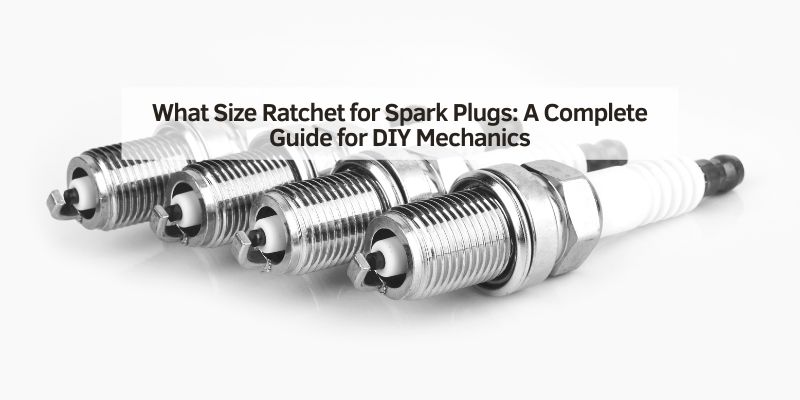
What Size Ratchet for Spark Plugs: A Complete Guide for DIY Mechanics
Hey there! If you’ve ever popped the hood of your car to change spark plugs, you know how satisfying it is to do it yourself. But let’s be real—figuring out the right tools can be a bit of a puzzle. I remember the first time I tried swapping out the spark plugs on my old Chevy; I grabbed the wrong ratchet and ended up fumbling around for hours. That got me curious about what size ratchet is best for spark plugs, and after years of tinkering with cars, I’ve learned a lot.
I’m excited to share my experience with you in this guide, tailored for folks in the USA who love working on their vehicles. Whether you’re a newbie or a seasoned gearhead, I’ll break down everything you need to know about choosing the right ratchet size for spark plugs. Let’s dive in and get those plugs changed like pros!
Why the Right Ratchet Size Matters
Spark plugs are small but mighty. They create the spark that ignites the fuel in your engine, so keeping them in good shape is key to a smooth ride. Changing them requires a ratchet to turn a spark plug socket, but using the wrong size can make the job harder or even damage your engine. I learned this the hard way when I used a bulky ratchet that wouldn’t fit in my engine bay—talk about frustrating!
The right ratchet size gives you enough torque to loosen and tighten spark plugs without slipping or stripping them. It also needs to fit in tight spaces, since spark plugs are often tucked away. Getting this right saves time, protects your car, and makes the job way more enjoyable.
Understanding Ratchet Sizes
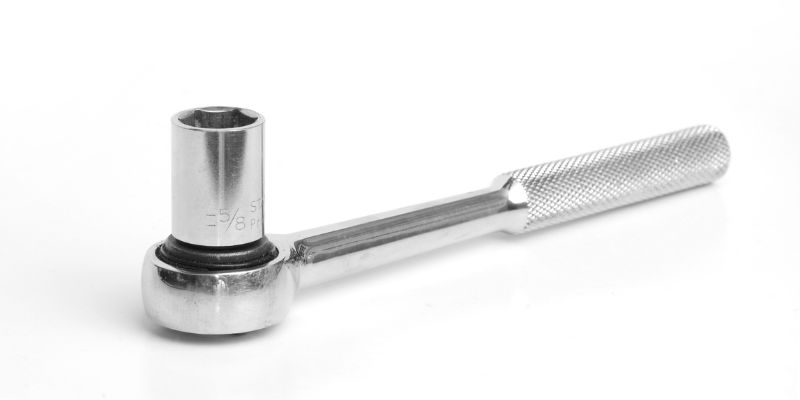
Before we talk about spark plugs, let’s clear up what “ratchet size” means. A ratchet is a hand tool with a gear mechanism that lets you turn a socket in one direction without resetting. The “size” refers to the drive size—the square part that connects to the socket. Common drive sizes are 1/4-inch, 3/8-inch, and 1/2-inch.
I’ve used all three in my garage, and each has its place. The drive size determines how much torque you can apply and how big the tool is. For spark plugs, you need a ratchet that’s strong enough to break plugs free but small enough to maneuver in your engine. Let’s explore which one fits the bill.
Common Ratchet Sizes for Spark Plugs
Spark plugs usually require a specific socket size, and the ratchet you use depends on the socket’s drive size. Here’s what I’ve found works best based on my own projects.
3/8-Inch Drive Ratchet
This is my go-to for most spark plug jobs. A 3/8-inch drive ratchet is versatile, offering enough torque to loosen tight plugs without being too bulky. Most spark plug sockets have a 3/8-inch drive, so this ratchet pairs perfectly. I used a 3/8-inch ratchet to change the plugs on my Ford F-150, and it fit nicely in the engine bay, even with all the hoses and wires in the way.
1/4-Inch Drive Ratchet
For really tight spaces, a 1/4-inch drive ratchet can be a lifesaver. It’s smaller and lighter, making it great for compact cars or engines with limited clearance. Some spark plug sockets come with a 1/4-inch drive, or you can use an adapter. I tried this on my girlfriend’s Honda Civic, where the plugs were buried deep, and the smaller ratchet made all the difference. Just be careful—it’s not as strong, so don’t force it on stuck plugs.
1/2-Inch Drive Ratchet
I rarely use a 1/2-inch drive ratchet for spark plugs. It’s bigger and designed for heavy-duty jobs like suspension work. Some older vehicles or larger engines might use spark plug sockets with a 1/2-inch drive, but it’s overkill for most cars. I tried it once on a vintage muscle car, but the ratchet was too clunky for the tight space. Stick with smaller drives unless your socket requires it.
Here’s a quick table to sum it up:
| Ratchet Drive Size | Best For | Pros | Cons |
|---|---|---|---|
| 3/8-Inch | Most spark plug jobs, standard engines | Versatile, good torque | May not fit in very tight spaces |
| 1/4-Inch | Compact cars, tight engine bays | Small, easy to maneuver | Less torque, not for stuck plugs |
| 1/2-Inch | Older vehicles, large engines (rarely used) | High torque | Bulky, hard to use in tight areas |
Spark Plug Socket Sizes
To pick the right ratchet, you need to know your spark plug socket size. Spark plugs come in different thread diameters, and the socket matches that size. I’ve seen these common socket sizes in my work:
- 5/8-Inch (16mm): Most common for modern cars. I’ve used this on my Toyota Camry and Jeep Wrangler.
- 13/16-Inch (21mm): Found in older American cars or some trucks. My dad’s classic Chevy used these.
- 3/4-Inch (19mm): Less common but used in some vehicles, like certain motorcycles or lawnmowers.
- 9/16-Inch (14mm): Often seen in smaller engines or European cars. I needed this for a friend’s VW Golf.
Most spark plug sockets have a 3/8-inch drive, but some smaller ones (like 14mm) might have a 1/4-inch drive, and larger ones (like 21mm) might have a 1/2-inch drive. Check your socket’s drive size to match your ratchet. I always keep a set of spark plug sockets in my toolbox to cover all bases.
Tools You’ll Need for Changing Spark Plugs
Besides the ratchet, you’ll need a few other tools to make the job smooth. Here’s what I grab when I’m swapping plugs:
- Spark Plug Socket: With a rubber insert to grip the plug and prevent damage.
- Extension Bar: A 3-6 inch extension helps reach deep plugs. I used a 6-inch one on my Dodge Ram.
- Universal Joint (Swivel): For angled plugs in tricky spots. This was a game-changer on my Subaru.
- Torque Wrench: To tighten plugs to the right spec (usually 3/8-inch drive). Overtightening can crack the plug or engine.
- Anti-Seize Compound: A dab on the plug threads prevents seizing. I’ve skipped this before and regretted it.
- Dielectric Grease: For the plug boot to prevent sticking. Makes removal easier next time.
- Gloves and Rags: To keep your hands clean and wipe up grime.
I also keep a flashlight handy to see into dark engine bays. Trust me, it’s easy to drop a plug in there!
Step-by-Step Guide to Choosing and Using the Right Ratchet
Let’s walk through how I pick and use a ratchet for spark plugs. This is based on years of trial and error, so you can avoid my mistakes.
Step 1: Identify Your Spark Plug Socket Size
Check your car’s manual or the old spark plugs to find the right socket size. If you’re unsure, a 5/8-inch (16mm) socket is a safe bet for most modern cars. I always test-fit the socket on a new plug before starting to make sure it’s right.
Step 2: Check the Socket’s Drive Size
Look at the square hole on your spark plug socket. Most are 3/8-inch, but smaller or larger sockets might be 1/4-inch or 1/2-inch. I’ve got a set of sockets with different drives, so I check this every time to avoid grabbing the wrong ratchet.
Step 3: Assess Your Engine’s Space
Open your hood and peek at the spark plugs. Are they easy to reach, or buried under hoses? For tight spaces, like my Mazda Miata, I use a 1/4-inch ratchet. For open engine bays, like my pickup, a 3/8-inch works fine. If it’s super cramped, an extension or universal joint helps.
Step 4: Choose Your Ratchet
Based on the socket and space, pick your ratchet. I default to a 3/8-inch drive for most jobs because it’s strong and fits well. If I need a 1/4-inch for tight spots, I use a short-handled ratchet for better control. Avoid a 1/2-inch unless your socket demands it—it’s usually too big.
Step 5: Attach the Socket and Accessories
Click the spark plug socket onto the ratchet. If the plug is deep, add an extension bar. For angled plugs, a universal joint makes life easier. I always double-check that everything’s secure before starting—nothing’s worse than a socket falling off mid-job.
Step 6: Remove the Old Spark Plug
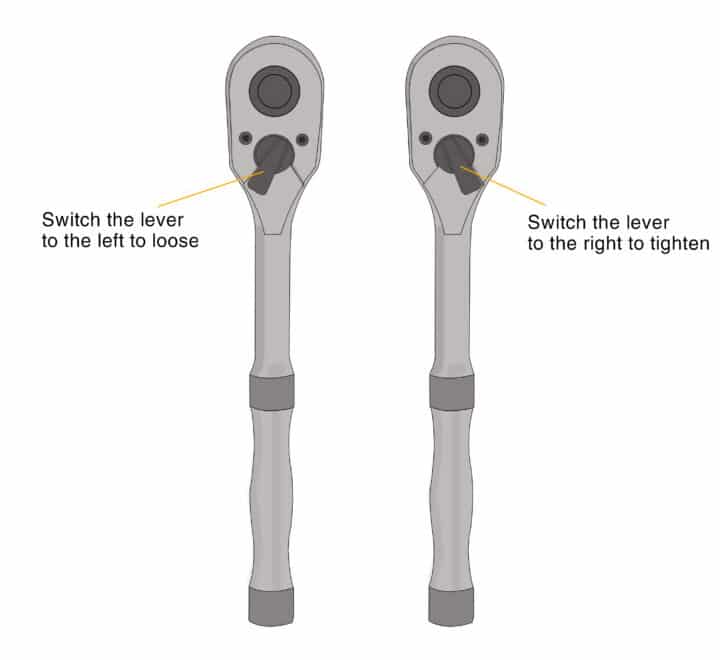
Disconnect the ignition coil or plug wire, then fit the socket over the plug. Turn the ratchet counterclockwise to loosen it. If it’s stuck, don’t force it—spray a bit of penetrating oil and wait a few minutes. I had a seized plug on an old van once, and patience saved me from stripping it.
Step 7: Install the New Spark Plug
Apply a thin layer of anti-seize to the new plug’s threads and hand-thread it into the engine to avoid cross-threading. Use the ratchet to snug it, then switch to a torque wrench to tighten to the manufacturer’s spec (usually 10-20 ft-lbs). I overtightened a plug once and cracked it—big mistake!
Step 8: Reconnect and Test
Reattach the coil or wire, using dielectric grease in the boot. Start the engine to check for misfires. I always take a short drive after changing plugs to make sure everything’s smooth.
Common Mistakes to Avoid
I’ve made plenty of blunders changing spark plugs, so let me save you some grief. Don’t use the wrong ratchet size—it can slip and damage the socket or plug. Avoid forcing a stuck plug; use penetrating oil instead. Don’t overtighten plugs—always use a torque wrench for the final turn. Also, never work on a hot engine. I burned my hand once trying to rush a job—ouch! Finally, don’t mix up plug wires or coils; label them if needed to keep the firing order right.
When to Use Different Ratchet Sizes
The 3/8-inch ratchet is your best bet for most cars—it’s strong, versatile, and fits standard spark plug sockets. Use a 1/4-inch ratchet for compact engines or tight spaces, like in small imports. Reserve a 1/2-inch ratchet for rare cases, like large trucks or vintage cars with bigger sockets. I mix and match depending on the vehicle—my toolbox has all three to cover every job.
Choosing a Quality Ratchet
Not all ratchets are created equal. I’ve used cheap ones that broke mid-job, so here’s what I look for now:
- Durability: Go for chrome-vanadium steel. My Craftsman ratchet has lasted years.
- Teeth Count: More teeth (like 72 or 90) mean smoother action. Great for tight spaces.
- Handle Comfort: A grippy handle helps when your hands are greasy.
- Length: A 6-8 inch handle is ideal for spark plugs—long enough for leverage, short enough for control.
I also prefer ratchets with a quick-release button to swap sockets easily. Spend a bit more for a good brand—it’s worth it in the long run.
Maintaining Your Ratchet and Tools
To keep your ratchet in top shape, wipe it down after use to remove grease. I store mine in a toolbox with silica packets to prevent rust. Lubricate the ratchet mechanism with a drop of oil every few months. Check sockets for wear—cracked ones can slip and damage plugs. I also clean spark plug sockets with a wire brush to remove carbon buildup. A little care keeps your tools ready for the next job.
When to Call a Professional
Changing spark plugs is usually a DIY job, but some situations call for a mechanic. If your plugs are seized and won’t budge, a pro has the tools to extract them without damaging the engine. If you’re dealing with a complex engine, like a V6 with plugs buried under the intake manifold, it might be worth the cost. I called a shop once for my Audi’s plugs—it was too much for my patience! Also, if you cross-thread a plug or break it, don’t risk further damage—get help.
Tips for Easier Spark Plug Changes
Here are some tricks I’ve picked up over the years:
- Work on a cold engine to avoid burns and make plugs easier to remove.
- Use a magnetic spark plug socket to prevent dropping plugs.
- Keep a vacuum handy to suck up debris around the plug before removing it.
- Check your spark plug gap with a feeler gauge before installing new ones.
- Replace plugs one at a time to avoid mixing up wires or coils.
These little habits make the job smoother and keep your engine happy.
Why DIY Spark Plug Changes Are Worth It
Changing your own spark plugs saves money—shops charge $100 or more for what you can do for $20 in parts. It also teaches you about your car and gives you bragging rights. I love the feeling of firing up my engine after a plug change and hearing it purr. Plus, you can do it on your schedule—no waiting for an appointment!
Conclusion
Figuring out what size ratchet for spark plugs might seem small, but it’s a big deal when you’re elbow-deep in your engine. I’ve gone from fumbling with the wrong tools to swapping plugs like a pro, and I’m thrilled to pass on what I’ve learned. Whether it’s a 3/8-inch ratchet for most jobs, a 1/4-inch for tight spots, or a rare 1/2-inch for big engines, you’ve got the know-how to pick the right one.
With the right tools, a bit of patience, and my tips, you’ll be changing spark plugs with confidence and keeping your car running smoothly. So grab your ratchet, pop that hood, and enjoy the satisfaction of a job well done. Happy wrenching!
Frequently Asked Questions
What size ratchet is best for spark plugs?
A 3/8-inch drive ratchet is best for most spark plug jobs. It’s strong, versatile, and fits standard spark plug sockets.
Can I use a 1/4-inch ratchet for spark plugs?
Yes, for tight spaces or smaller sockets, a 1/4-inch ratchet works. Just don’t use it on stuck plugs—it’s not as strong.
Do I need a 1/2-inch ratchet for spark plugs?
Rarely. It’s too bulky for most cars but might be needed for older vehicles with larger spark plug sockets.
What size socket do I need for spark plugs?
Most cars use a 5/8-inch (16mm) or 13/16-inch (21mm) socket. Check your car’s manual or test-fit on a new plug.
How do I know if my ratchet fits my spark plug socket?
Check the socket’s drive size—usually 3/8-inch, sometimes 1/4-inch or 1/2-inch. Match it to your ratchet’s drive size.
Do I need a torque wrench for spark plugs?
Yes, to tighten plugs to the right spec and avoid damage. A 3/8-inch drive torque wrench works for most spark plugs.
Can I change spark plugs without a ratchet?
It’s tough. A ratchet with a spark plug socket makes the job easier and safer. Other tools might slip or damage the plug.