What to Eat in Urine Infection: Essential Foods
Quick Summary: To help your body fight a urine infection, focus on drinking plenty of water and consuming foods rich in Vitamin C and antioxidants. Cranberries, yogurt with live cultures, and fruits like blueberries can be very beneficial. Avoid sugary drinks and irritants that might worsen symptoms.
Dealing with a urinary tract infection (UTI) can be really uncomfortable, and you might be wondering what you can eat to feel better. It’s a common problem that can cause a lot of discomfort, but the good news is that certain foods can help support your body’s healing process. You don’t need to be a gourmet chef to make smart food choices. We’ll walk through simple, easy-to-understand options that can make a real difference in how you feel. Let’s explore some essential foods that can help you on your way to feeling your best.
Understanding How Food Affects UTIs
When you have a urine infection, your body is fighting off bacteria. What you eat and drink plays a role in this battle. Some foods can help flush out bacteria and reduce inflammation, while others might make things worse. Think of it like giving your body the right tools and fuel to get the job done efficiently. Staying hydrated is super important, and certain nutrients can boost your immune system and help prevent bacteria from sticking to your urinary tract walls.
Hydration: Your First Line of Defense
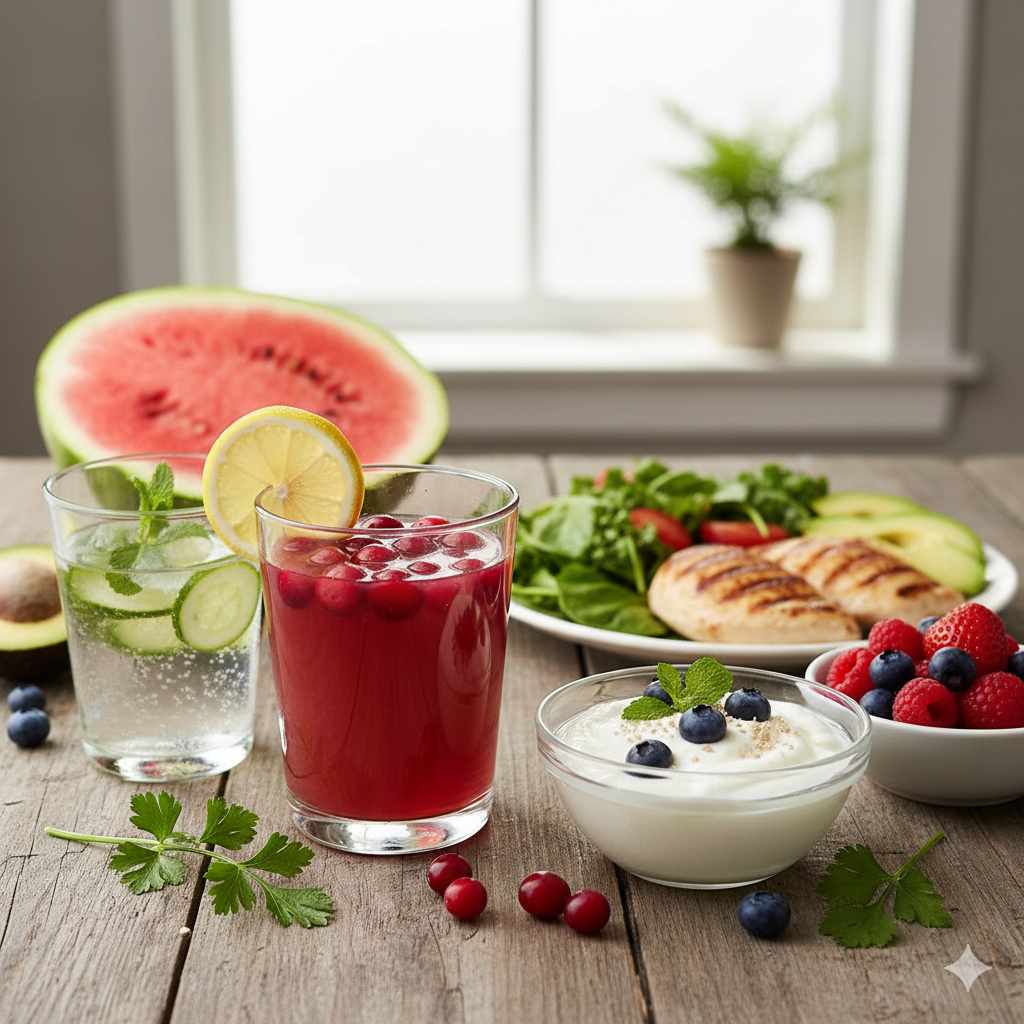
Water is truly your best friend when you have a UTI. Drinking plenty of fluids helps dilute your urine, making it less concentrated and easier for your body to flush out bacteria. It’s like giving your urinary system a good rinse cycle.
How Much Water Should You Drink?
Aim for at least 8 glasses of water a day, and even more if you can. You’ll know you’re drinking enough if your urine is pale yellow or clear. If it’s dark yellow, you need to drink more!
Other Hydrating Choices
- Herbal Teas: Unsweetened herbal teas like chamomile or peppermint can be soothing and contribute to your fluid intake.
- Diluted Fruit Juices: While pure fruit juice can be high in sugar, diluting it with water can make it a more palatable option for hydration.
- Broth: Clear broths, especially vegetable or chicken broth, can provide fluids and electrolytes.
Foods That Help Fight UTIs
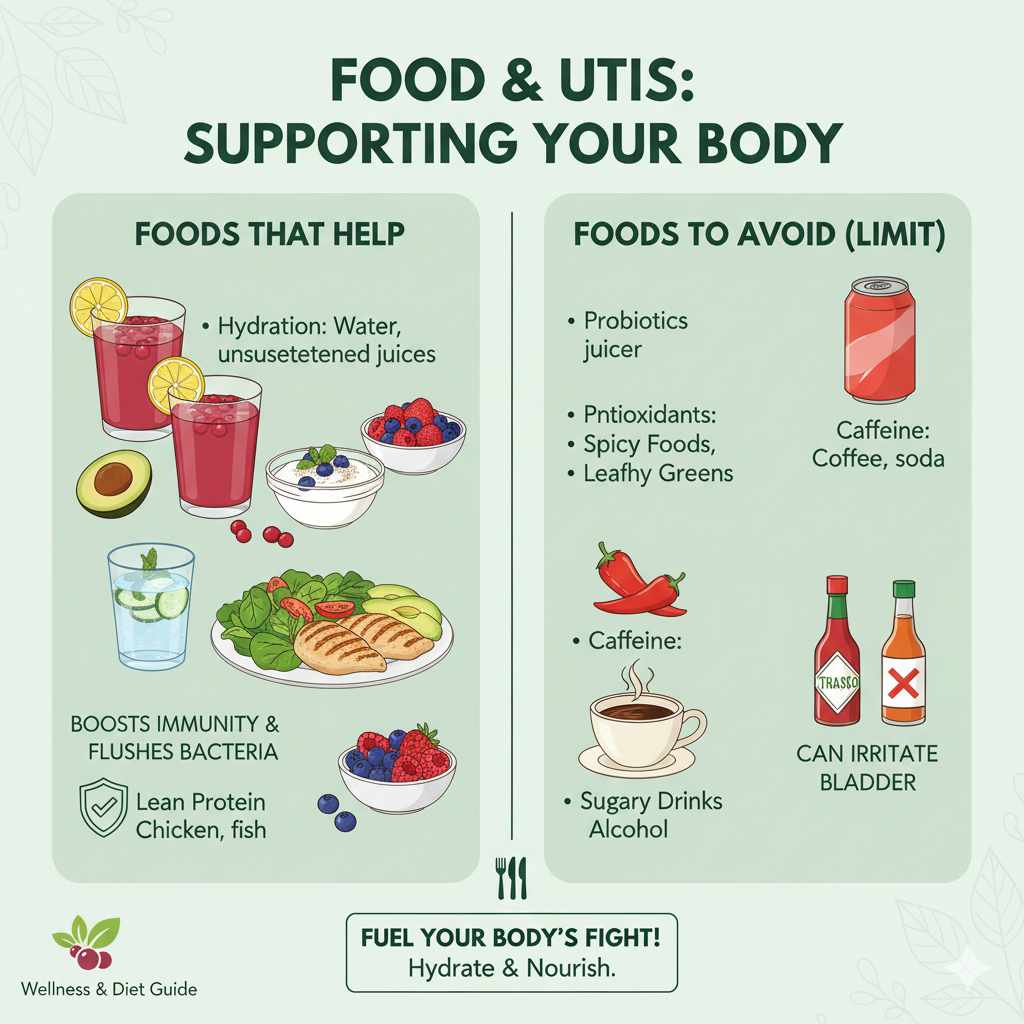
Certain foods have properties that can actively help your body combat a UTI. These often include things that are rich in antioxidants, have anti-inflammatory effects, or can help prevent bacteria from growing.
1. Cranberries (and Cranberry Juice)
Cranberries are perhaps the most well-known food for UTI prevention and management. They contain compounds called proanthocyanidins (PACs) that can prevent E. coli, a common cause of UTIs, from sticking to the walls of your urinary tract. It’s like creating a slippery surface that bacteria can’t grip.
Key Points about Cranberries:
- Choose unsweetened: Opt for 100% pure cranberry juice or unsweetened dried cranberries. Sweetened versions can be counterproductive due to high sugar content.
- Consistency is key: Drinking cranberry juice regularly may be more effective for prevention than for treating an active infection.
- Supplements: Cranberry extract supplements are also available, offering a concentrated dose of PACs.
2. Yogurt and Other Fermented Foods
Yogurt, especially Greek yogurt, that contains live and active cultures (probiotics) can be very beneficial. These good bacteria, particularly Lactobacillus species, can help restore the natural balance of bacteria in your body, including in the urinary tract, and may help prevent the overgrowth of harmful bacteria.
Why Probiotics Matter:
- Balance: They help maintain a healthy vaginal flora, which can indirectly protect the urinary tract.
- Immune Support: A healthy gut microbiome is linked to a stronger immune system.
Other fermented foods like kefir and sauerkraut also contain beneficial probiotics.
3. Vitamin C-Rich Foods
Vitamin C (ascorbic acid) is known for its immune-boosting properties. It can also help make your urine more acidic, which may inhibit the growth of some bacteria. Think of it as making the environment less friendly for the invaders.
Excellent Sources of Vitamin C:
- Citrus Fruits: Oranges, grapefruits, lemons, and limes.
- Berries: Strawberries, blueberries, raspberries.
- Kiwi: A powerhouse of Vitamin C.
- Bell Peppers: Especially red and yellow ones.
- Broccoli: A nutritious vegetable packed with Vitamin C.
4. Blueberries
Like cranberries, blueberries are packed with antioxidants and have antibacterial properties. They contain compounds that can help prevent bacteria from adhering to the urinary tract lining. Plus, they’re delicious!
5. Garlic
Garlic has natural antimicrobial and antifungal properties due to a compound called allicin. While more research is needed specifically for UTIs, incorporating garlic into your diet may offer some protective benefits against infections.
6. Leafy Greens
Spinach, kale, and other leafy greens are loaded with vitamins, minerals, and antioxidants. They support overall health and can help boost your immune system, giving your body a better chance to fight off the infection.
7. Watermelon and Cucumbers
These fruits and vegetables have a very high water content, which is excellent for hydration and flushing out the urinary system. They also contain beneficial vitamins and electrolytes.
Foods and Drinks to Limit or Avoid
Just as some foods can help, others can potentially irritate your urinary tract or feed the bacteria, making your symptoms worse. It’s wise to steer clear of these while you’re recovering.
1. Sugary Foods and Drinks
Sugar can feed bacteria, potentially encouraging their growth. High-sugar beverages, candies, and desserts should be avoided. This also includes artificial sweeteners, which can sometimes irritate the bladder.
2. Caffeine
Caffeinated drinks like coffee, tea (black and green), and some sodas can act as diuretics, potentially dehydrating you. They can also irritate the bladder, worsening symptoms like urgency and frequency.
3. Alcohol
Alcohol can dehydrate you and irritate the bladder lining. It’s best to avoid it completely while you have a UTI.
4. Spicy Foods
For some people, very spicy foods can irritate the bladder and worsen UTI symptoms. Pay attention to how your body reacts.
5. Acidic Foods (in excess)
While Vitamin C helps acidify urine in a beneficial way, consuming large amounts of other highly acidic foods like tomatoes or citrus (if you are sensitive) might cause discomfort for some individuals. It’s about balance and listening to your body.
Sample Meal Ideas for UTI Support
Putting these recommendations into practice can be simple. Here are a few ideas to get you started:
Breakfast
- Greek yogurt with a handful of blueberries and a sprinkle of chia seeds.
- Oatmeal made with water or unsweetened almond milk, topped with sliced strawberries.
- A smoothie made with spinach, banana, water, and a scoop of plain yogurt.
Lunch
- A large salad with mixed greens, grilled chicken or chickpeas, cucumber, and a light vinaigrette.
- Clear vegetable broth with a side of whole-grain toast.
- A turkey or chicken breast sandwich on whole-grain bread with lettuce and tomato (if tolerated).
Dinner
- Baked salmon with a side of steamed broccoli and quinoa.
- Lean chicken breast stir-fried with plenty of vegetables like bell peppers and zucchini, seasoned with garlic.
- Lentil soup with a side of a small, simple green salad.
Snacks
- A handful of unsweetened dried cranberries.
- A small bowl of mixed berries.
- A glass of water with a squeeze of lemon.
- A small portion of plain Greek yogurt.
When to See a Doctor
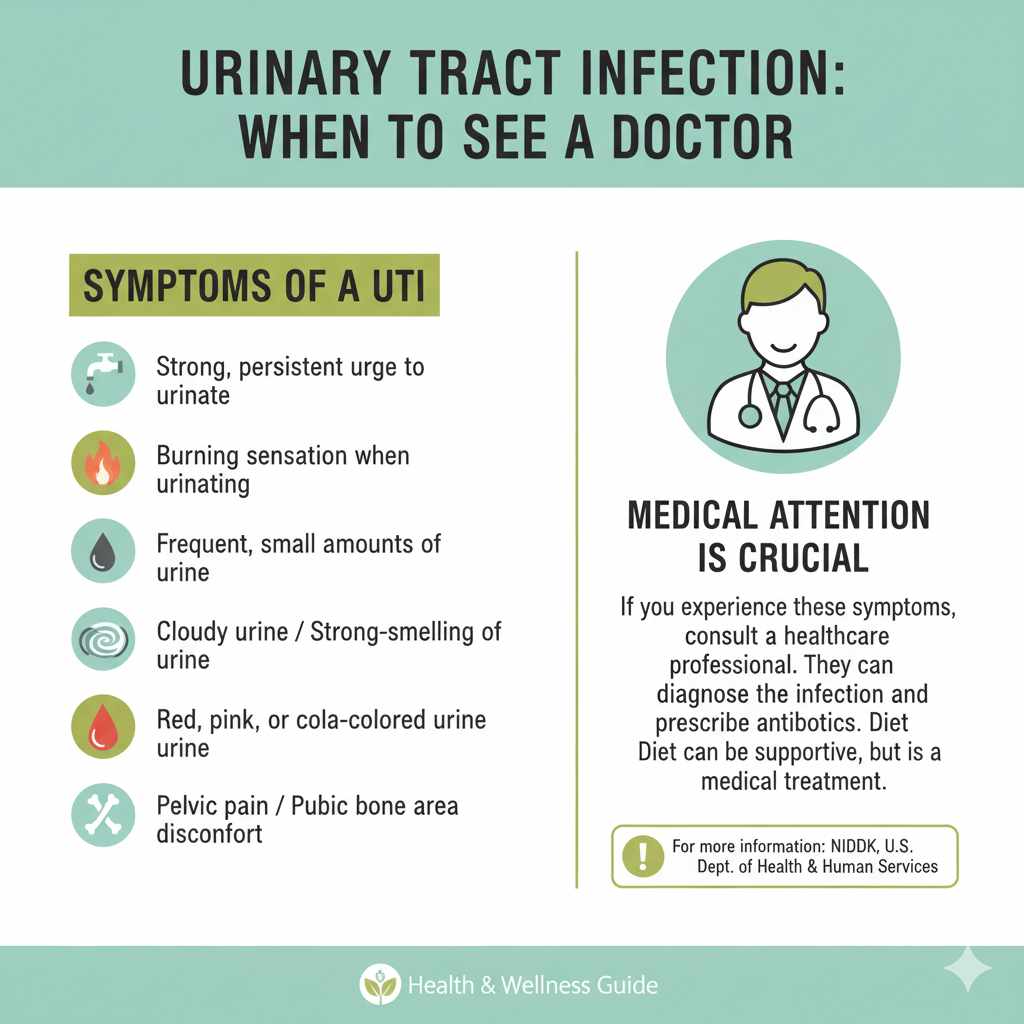
While diet can play a supportive role, it’s crucial to remember that it’s not a substitute for medical treatment. If you suspect you have a UTI, it’s important to see a healthcare professional. They can diagnose the infection and prescribe appropriate antibiotics if necessary. Symptoms of a UTI can include:
- A strong, persistent urge to urinate
- A burning sensation when urinating
- Passing frequent, small amounts of urine
- Cloudy urine
- Urine that appears red, bright pink, or cola-colored (a sign of blood in the urine)
- Strong-smelling urine
- Pelvic pain, especially in the center of the pelvis and around the area of the pubic bone
For more information on urinary tract infections, you can refer to resources from the National Institute of Diabetes and Digestive and Kidney Diseases (NIDDK), part of the U.S. Department of Health and Human Services.
Frequently Asked Questions About What to Eat in Urine Infection
Q1: Is cranberry juice really effective for UTIs?
Yes, unsweetened cranberry juice or cranberry supplements containing PACs can help prevent bacteria from sticking to the urinary tract walls. It’s often more effective for prevention but can be a helpful addition to treatment.
Q2: Can I drink coffee if I have a UTI?
It’s best to avoid caffeine, including coffee, when you have a UTI. Caffeine can irritate the bladder and potentially lead to dehydration.
Q3: What is the most important thing to drink for a UTI?
Water is the most important. Drinking plenty of plain water helps flush out bacteria and keeps your urine diluted, which can ease discomfort.
Q4: Are sugary foods bad for a UTI?
Yes, sugary foods and drinks can potentially feed bacteria and encourage their growth, so it’s advisable to limit them while you have a UTI.
Q5: Can I eat yogurt if I have a UTI?
Absolutely! Yogurt with live and active cultures (probiotics) can be very beneficial as it helps maintain a healthy balance of bacteria in your body.
Q6: What if I don’t like water?
If plain water is difficult, try unsweetened herbal teas, diluted fruit juices, or clear broths. The goal is to increase your fluid intake without adding irritants.
Conclusion
Taking care of yourself when you have a urine infection involves more than just following your doctor’s advice. The foods and drinks you choose can make a significant difference in supporting your body’s healing process and helping you feel more comfortable. By focusing on hydration with plenty of water, incorporating beneficial foods like cranberries and yogurt, and being mindful of what to limit, you’re giving your body the best chance to recover. Remember, these dietary tips are a great complement to medical treatment. Listen to your body, stay hydrated, and you’ll be well on your way to feeling better soon.