What to Put on Furniture Legs to Keep from Sliding
Hey there! If you’ve ever had a chair slide across your kitchen floor like it’s auditioning for an ice-skating show, or a coffee table that just won’t stay put no matter how many times you nudge it back, you’re not alone. I’ve been there, frustrated by furniture that seems to have a mind of its own. That’s why I dove deep into figuring out what to put on furniture legs to keep them from sliding. After trying countless solutions, making a few messes, and even laughing at my own DIY disasters, I’m excited to share what works.
Whether you’re protecting your hardwood floors or just want your couch to stay where it belongs, this guide is packed with practical tips, tested ideas, and a sprinkle of my own trial-and-error stories. Let’s get started and make your furniture stay put!
Why Furniture Slides and Why It Matters
Picture this: I’m hosting a small dinner party, and every time someone leans on the dining table, it scoots an inch to the left. By dessert, we’re practically eating in the living room! Furniture slides for a few reasons. Hard surfaces like tile, hardwood, or laminate don’t offer much grip. Combine that with smooth furniture legs—whether they’re wood, metal, or plastic—and you’ve got a recipe for sliding. Even carpet can be slippery if the furniture legs are too narrow or the carpet pile is low.
Why does this matter? Sliding furniture isn’t just annoying; it can damage your floors. I learned this the hard way when my coffee table left faint scratches on my oak floor. Plus, it’s a safety hazard. My toddler once tried to climb onto a sliding chair, and let’s just say it was a heart-stopping moment. Keeping furniture stable protects your home, your loved ones, and your sanity.
Felt Pads: My Go-To Solution for Hardwood Floors
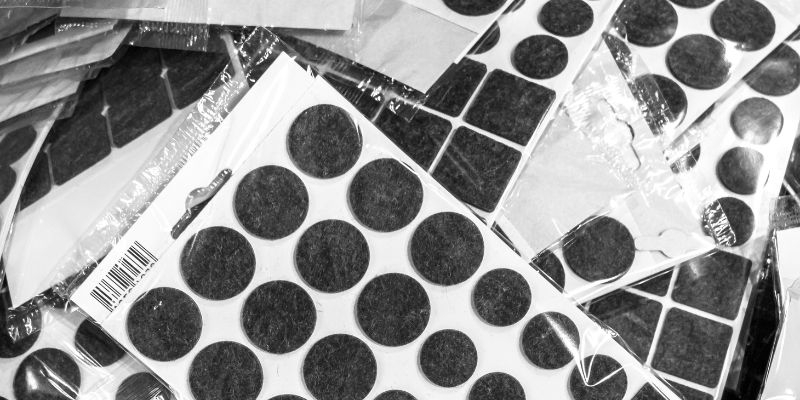
When I first started tackling this issue, felt pads were my lifesaver. These little sticky-backed circles or squares go right on the bottom of furniture legs. They’re soft, so they protect floors, and they add just enough grip to stop sliding on hardwood or tile. I used them on my dining chairs, and the difference was night and day—no more scooting during dinner.
Felt pads come in different sizes and shapes, so measure your furniture legs first. I made the mistake of buying one-size-fits-all pads, only to find they were too big for my skinny chair legs. Trim them with scissors if needed, but make sure they cover the entire leg bottom to avoid scratches. They’re super affordable, too—I got a pack of 24 for under $10 at a hardware store.
One downside? Felt pads wear out over time. I noticed mine getting thin after a year of heavy use. Check them every few months and replace them when they start looking worn. Also, clean the furniture legs before sticking them on—dust or grime can weaken the adhesive. I wipe mine with rubbing alcohol for a strong bond.
Rubber Grips: Perfect for Tile and Heavy Furniture
If felt pads are too soft for your needs, rubber grips are a fantastic alternative. I tried these on my heavy couch, which kept sliding on my kitchen’s ceramic tile floor. Rubber grips are thicker and sturdier than felt, so they’re great for heavier pieces or high-traffic areas. They also come in various forms—stick-on pads, slip-on caps, or even screw-on feet.
I opted for stick-on rubber pads for my couch. They were easy to apply and added a slight cushion, which made the couch feel more stable. For my outdoor patio chairs, I used slip-on rubber caps, which fit snugly over the metal legs. These were a game-changer during windy days—no more chasing chairs across the deck!
Rubber grips are durable and resist wear better than felt. However, they can leave marks on some floors if dirt gets trapped underneath, so I sweep regularly to keep things clean. They’re also a bit pricier—expect to spend $15–$20 for a good set. But for heavy furniture or slick surfaces, they’re worth every penny.
Furniture Grippers: A Heavy-Duty Option
For furniture that just won’t quit sliding, furniture grippers are my secret weapon. These are larger pads or cups that go under furniture legs to create a strong, non-slip base. I first tried them under my king-size bed, which kept shifting on my laminate floor every time I tossed and turned at night.
Grippers are usually made of rubber or a textured plastic material. Some have adhesive backs, while others rely on the furniture’s weight to stay in place. I used non-adhesive grippers for my bed, and they worked like a charm. The bed hasn’t budged an inch in two years! They’re also great for sofas, entertainment centers, or anything heavy that needs to stay put.
One thing to keep in mind: Grippers can be bulky, so they might not work for low-clearance furniture. Measure the space under your furniture before buying. I also found that some grippers are hard to clean—dust and pet hair love to stick to them. A quick rinse under water usually does the trick, though.
DIY Solutions: Getting Creative on a Budget
I love a good DIY project, so I couldn’t resist experimenting with homemade solutions. One of my favorites? Cutting up an old yoga mat. The rubbery texture is perfect for gripping floors, and it’s thick enough to protect against scratches. I traced the shape of my chair legs, cut out small circles, and glued them on with heavy-duty adhesive. Total cost: $0, since I already had the mat!
Another trick I tried was using hot glue. I applied a thin layer directly to the bottom of my wooden stool legs, letting it dry into a slightly grippy surface. It worked surprisingly well on my vinyl floor, but I wouldn’t recommend it for delicate surfaces like hardwood—it’s tough to remove without damaging the furniture.
Cork is another DIY gem. I had some leftover wine corks (don’t judge!) and sliced them into thin rounds. A dab of glue, and they became instant non-slip pads for my side tables. Cork is soft, eco-friendly, and adds a rustic vibe. Just make sure the slices are even to avoid wobbly furniture.
DIY solutions are fun and cheap, but they’re not always as durable as store-bought options. My yoga mat pads started peeling after a few months, and the hot glue wore down on high-use furniture. Still, they’re great for temporary fixes or if you’re feeling crafty.
Comparing Solutions: Which One’s Right for You?
With so many options, choosing the right one can feel overwhelming. Here’s a quick comparison based on my experience to help you decide:
| Solution | Best For | Pros | Cons | Cost |
|---|---|---|---|---|
| Felt Pads | Hardwood, light furniture | Affordable, easy to apply, floor-friendly | Wear out quickly, not for heavy furniture | $5–$10 |
| Rubber Grips | Tile, heavy furniture | Durable, great grip, versatile | Can trap dirt, slightly pricey | $15–$20 |
| Furniture Grippers | Heavy or large furniture | Super stable, long-lasting | Bulky, hard to clean | $20–$30 |
| DIY (Yoga Mat, Cork, etc.) | Budget fixes, temporary use | Cheap, customizable | Less durable, hit-or-miss | $0–$5 |
Think about your floor type, furniture weight, and budget. For my hardwood dining room, felt pads were perfect. For my tile kitchen, rubber grips won. And for my heavy bed, grippers were the only way to go. Mix and match if needed—I use different solutions in different rooms.
Tips for Applying and Maintaining Non-Slip Solutions
No matter which option you choose, applying and maintaining them right makes all the difference. I learned this after a few rookie mistakes, like sticking pads on dirty legs or ignoring worn-out grippers. Here’s what I do now:
- Clean the legs first. Wipe furniture legs with rubbing alcohol or soapy water to remove dust, grease, or grime. Dry them thoroughly before applying pads. I skipped this once, and my felt pads fell off in a week.
- Test for fit. Make sure pads or grippers match the leg size and shape. Too big, and they’ll look sloppy; too small, and they won’t protect your floor. I keep a ruler handy for quick measurements.
- Check regularly. Every few months, I peek under my furniture to see if pads are wearing thin or grippers are collecting dust. Replace or clean as needed to keep them effective.
- Protect your floors. Sweep or vacuum under furniture regularly to prevent dirt from scratching your floors. I also use a microfiber mop on my hardwood to keep it shiny and scratch-free.
- Avoid dragging furniture. Even with pads, dragging heavy furniture can damage floors or dislodge grippers. Lift when possible—I recruit my husband for the heavy stuff!
These simple habits keep my furniture stable and my floors looking brand-new.
Common Mistakes to Avoid
I’ll be honest—I made plenty of blunders before I got this right. Save yourself the hassle by avoiding these common mistakes:
- Using the wrong material. I once put rubber grips on my hardwood floor without testing, and they left faint marks. Always check compatibility with your floor type.
- Skipping measurements. Eyeballing pad sizes led to wobbly chairs and uneven tables. Measure your legs and double-check.
- Ignoring weight. Felt pads on my heavy sofa were useless—they flattened in days. Match the solution to the furniture’s weight.
- Forgetting maintenance. I let worn-out pads stay on too long, and my coffee table scratched my floor. Check and replace regularly.
- Overcomplicating it. My first DIY attempt involved duct tape and foam—total disaster. Stick to simple, proven solutions unless you’re ready to experiment.
Laugh at my mistakes, but don’t repeat them! A little prep goes a long way.
How These Solutions Saved My Home (and My Sanity)
After months of trial and error, I finally got my furniture to stay put. My dining table no longer moonwalks during meals. My couch stays anchored, even when my dog jumps on it. And my bed? It’s as steady as a rock, letting me sleep without worrying about shifting frames. Best of all, my floors are scratch-free, and I don’t stress about my toddler’s furniture-climbing antics.
These solutions aren’t just about function—they’re about peace of mind. I can host friends without rearranging furniture mid-party. I can let my kids play without fearing floor damage. And I can enjoy my home without constant nudging and fixing. It’s a small change with a big impact.
Conclusion
If you’re tired of chasing sliding furniture or cringing at floor scratches, I hope my journey inspires you to take action. Whether you go with felt pads for your chairs, rubber grips for your sofa, or get creative with a DIY fix, there’s a solution out there for you. I’ve tried them all, from store-bought grippers to sliced-up wine corks, and each taught me something new about keeping my home safe and stylish. Start small, measure carefully, and don’t be afraid to experiment. Your floors—and your sanity—will thank you. So grab some pads, get under that wobbly table, and make your furniture stay put. You’ve got this!
FAQs
What’s the cheapest way to stop furniture from sliding?
The cheapest way is a DIY solution, like cutting up an old yoga mat or using wine corks. I made non-slip pads for free by gluing yoga mat scraps to my chair legs. Felt pads are another budget-friendly option, costing just $5–$10 for a pack.
Can I use these solutions on carpet?
Most solutions work best on hard floors like tile or hardwood. For carpet, furniture grippers or rubber grips can help if the carpet is thin. I tried felt pads on my low-pile carpet, but they didn’t make much difference.
How do I know which size pads to buy?
Measure the bottom of your furniture legs with a ruler. I learned to jot down the diameter or width and match it to the pad size. If you’re unsure, buy a variety pack with multiple sizes to test.
Will rubber grips damage my hardwood floor?
They shouldn’t if you keep them clean. I used rubber grips on my couch, but I sweep under it weekly to avoid dirt buildup. Test a small area first to be safe.
How often should I replace felt pads?
It depends on use, but I check mine every 3–6 months. If they’re thin or peeling, I swap them out. Heavy-use furniture, like dining chairs, might need new pads sooner.
Can I make my own grippers for heavy furniture?
Yes, but they’re trickier. I tried stacking rubber and cork slices for my bed, but they weren’t sturdy enough. For heavy stuff, I recommend store-bought grippers for reliability.
What if my furniture legs are uneven?
Uneven legs can make furniture wobble even with pads. I fixed this by adding a shim (a small piece of cardboard or wood) under one leg before applying pads. It worked for my old desk.