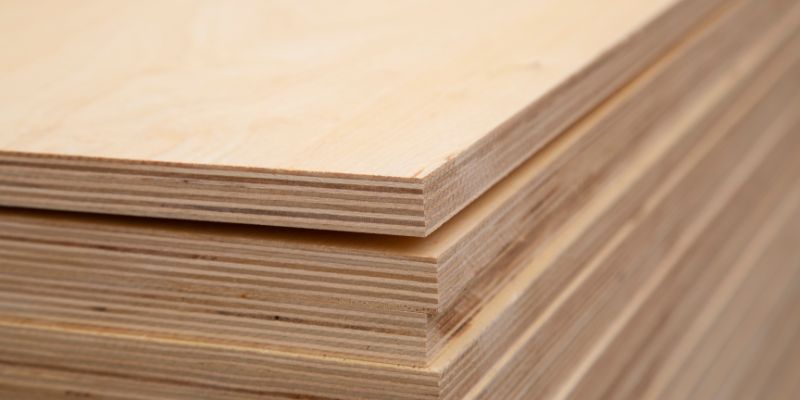
When Builders Use Marine Plywood: Proven Essentials
Builders most often use marine-grade plywood for projects exposed to moisture, like boat building, outdoor furniture, and high-humidity environments. Its superior water resistance, durability, and structural integrity make it ideal for demanding applications where standard plywood would quickly degrade.
Hey there, fellow woodworkers! Ever found yourself staring at a project and wondering, “Which plywood should I grab?” It’s a common puzzle, especially when you see terms like “marine grade.” Many builders, myself included, get asked about this. It’s not just about building boats; understanding when marine plywood shines can seriously level up your outdoor projects and even improve durability in tricky indoor spots. Don’t worry if it seems a bit technical – we’re going to break it down simply. You’ll learn exactly why it’s the go-to for many, and how you can use it confidently. Ready to dive in? Let’s explore the essentials of when builders reach for marine plywood.
What Exactly is Marine Plywood?
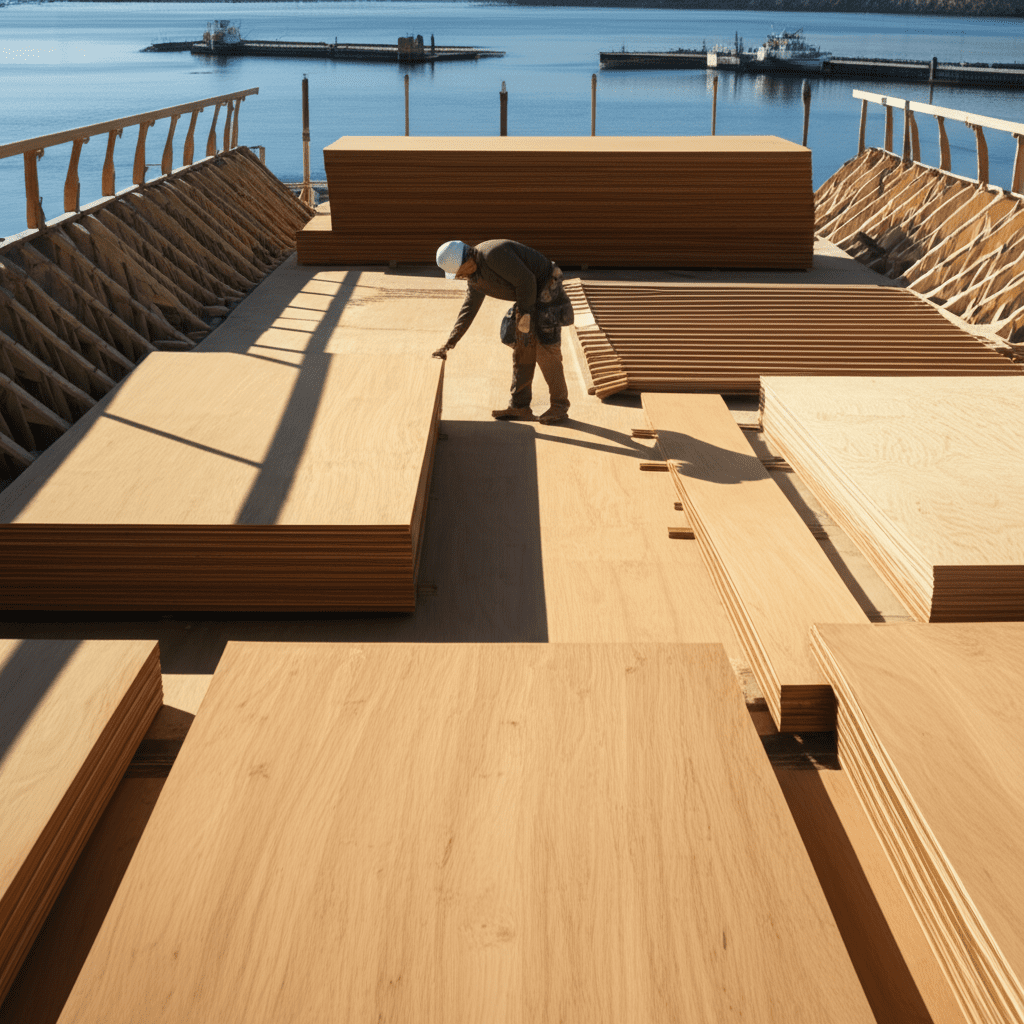
Marine plywood isn’t just any plywood that’s been near the water. It’s a special kind, built to withstand constant exposure to moisture and harsh conditions without falling apart. Think of it as the super-tough, water-loving cousin of regular plywood.
The magic of marine plywood lies in its construction and the materials used. Unlike standard plywood, where the glue and inner layers might be susceptible to rot or delamination when wet, marine plywood is designed to resist these issues. This makes it a far more reliable choice for applications where water is a constant factor.
The key differences boil down to a few crucial elements:
- Glue: Marine plywood uses waterproof glue, typically WBP (Water Boil Proof) or similar high-performance adhesives. This glue is incredibly strong and won’t break down even when submerged or exposed to extreme humidity for extended periods.
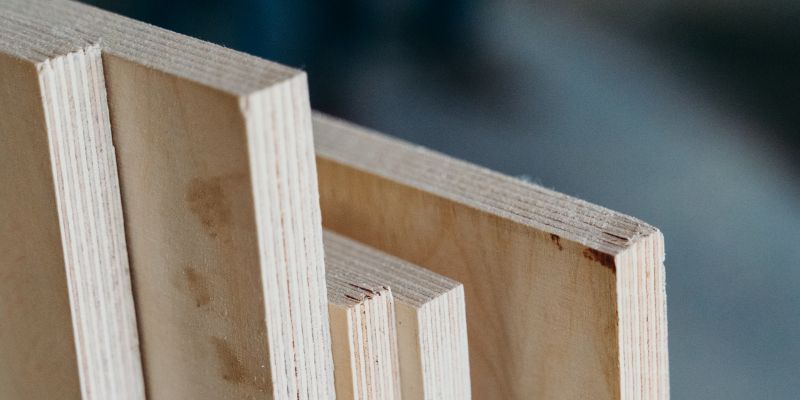
- Veneers: The wood veneers used in marine plywood are selected for their strength and lack of defects. You won’t find the large knots, voids, or core gaps that can weaken standard plywood and create entry points for moisture. Every layer is solid and tightly bonded.
- Wood Species: While there can be variations, marine plywood is often made from durable, water-resistant hardwoods like Douglas Fir or Okoume. These woods naturally have better resistance to decay and swelling.
- Grading: Marine plywood adheres to strict grading standards, ensuring consistent quality and performance. In the United States, the most recognized standard is BS 1088, a British Standard that specifies rigorous testing for glue durability and veneer quality. You can learn more about plywood standards at the American Plywood Association (APA) website, a great resource for understanding wood products.
So, when you hear “marine grade,” think of it as a guarantee of superior water resistance and structural integrity, thanks to these carefully controlled manufacturing processes.
When Would a Builder Most Likely Use Marine Grade Plywood?
Builders reach for marine-grade plywood when a project demands exceptional durability, water resistance, and longevity, especially in environments where moisture is a significant factor. It’s the premium choice for situations where failure due to water damage is simply not an option.
Let’s explore the most common scenarios where marine plywood truly shines:
1. Boat Building and Marine Applications
This is the most obvious and perhaps the most critical application. If you’re building a boat, from small dinghies to larger vessels, marine plywood is often the specified material. Its ability to withstand constant contact with saltwater, fresh water, and varying humidity levels without delaminating or rotting is paramount for the structural integrity and safety of the craft.
Builders use it for:
- Hull construction
- Bulkheads
- Decking
- Cabin interiors
- Stringers and framing
The BS 1088 standard, often associated with marine plywood, is particularly relevant here. This standard ensures that the plywood can endure prolonged immersion in water and resist the stresses of a marine environment. For anyone undertaking a boat restoration or new build, understanding the requirements of standards like BS 1088 is crucial for a successful and safe project.
2. Outdoor Furniture and Structures
For furniture that will live outdoors year-round, or structures that are constantly exposed to the elements, marine plywood offers a significant advantage over standard exterior-grade plywood. While exterior plywood is treated to resist moisture, marine plywood’s construction provides a higher level of confidence against prolonged dampness, rain, and humidity.
Think about:
- Outdoor seating and tables
- Planter boxes
- Sheds and outbuildings
- Gazebos and pergolas
- Playhouses
Using marine plywood in these applications can drastically extend the lifespan of your projects, reducing the need for frequent repairs or replacements. It’s a smart investment for durability.
3. High-Humidity Indoor Environments
Even indoors, certain areas can be incredibly humid. Bathrooms, laundry rooms, and basements are prime examples where moisture can wreak havoc on conventional wood products. Marine plywood can be an excellent choice for cabinetry, shelving, or even wall paneling in these damp spaces.
Consider using it for:
- Bathroom vanities and cabinets
- Laundry room shelving
- Basement wall sheathing or paneling
- Sauna or steam room construction
While it might be overkill for a dry living room, in areas prone to condensation or frequent splashing, marine plywood offers peace of mind and enhanced longevity.
4. Specific Architectural or Custom Projects
Sometimes, architects or designers specify marine plywood for its inherent strength and stability, even if the primary concern isn’t constant water exposure. Its defect-free core and strong glue lines can make it a preferred material for high-end custom cabinetry, acoustic paneling, or any application where a flawless surface and robust structure are required.
This could include:
- Custom cabinetry with demanding structural requirements
- Soundproofing or acoustic treatments
- Specialty decorative panels
5. Anywhere Extreme Durability is Key
Beyond the typical scenarios, any project where you anticipate significant wear, tear, and potential moisture exposure could benefit from marine plywood. It’s a material that’s built to last and perform under pressure.
Comparing Marine Plywood to Other Plywood Types
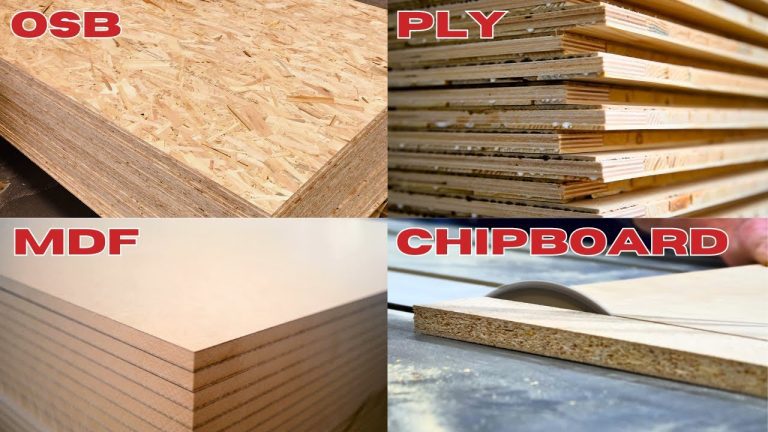
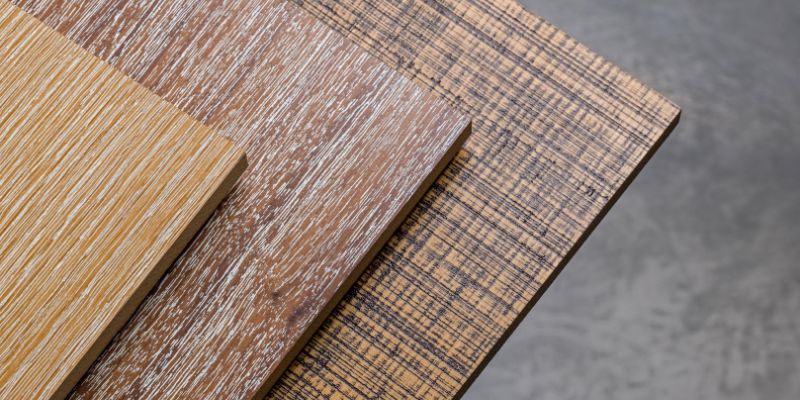
To truly appreciate why builders choose marine plywood, it’s helpful to see how it stacks up against other common plywood types. Each has its place, but understanding their strengths and weaknesses helps in making the right material choice.
Here’s a look at some common comparisons:
| Feature | Marine Plywood | Exterior (CDX) Plywood | Interior Plywood (Common) |
|---|---|---|---|
| Glue Type | Waterproof (WBP or equivalent) | Water-resistant (often WBP, but less stringent) | Interior glue (may fail with moisture) |
| Veneer Quality | All hardwood, virtually no defects (knots, voids) | Can have some defects, especially on ‘C’ and ‘D’ sides | Varying quality, often includes knots and voids |
| Wood Species | Often hardwoods like Douglas Fir, Okoume | Softwoods (like fir, pine) or mixed hardwoods | Softwoods or mixed hardwoods |
| Water Resistance | Excellent (designed for immersion) | Good (designed for exposure, but not immersion) | Poor (susceptible to swelling and delamination) |
| Strength & Durability | Very High | High | Moderate to High (depending on grade) |
| Cost | Highest | Moderate | Lowest |
| Typical Uses | Boat building, harsh outdoor applications, high-humidity areas | Roof decking, subflooring, general construction, outdoor projects | Cabinetry, furniture, interior paneling, DIY projects |
As you can see, marine plywood is the premium option, offering the best performance in wet conditions. Exterior plywood is a good all-rounder for outdoor use, but it’s not typically rated for constant immersion like marine grade. Interior plywood is best left for dry, indoor applications where moisture is not a concern.
Pros and Cons of Using Marine Plywood
Like any material, marine plywood has its advantages and disadvantages. Knowing these can help you decide if it’s the right choice for your specific project.
Pros:
- Superior Water Resistance: This is its biggest selling point. It can handle prolonged exposure to moisture without delaminating or degrading.
- High Durability: Built with strong, void-free veneers and waterproof glue, it’s incredibly strong and resistant to splitting or cracking.
- Structural Integrity: Its consistent quality makes it a reliable material for critical structural components, especially in boats.
- Longevity: Projects built with marine plywood tend to last much longer, especially in challenging environments.
- Smooth Surface: Often has a smoother, more consistent surface due to the higher quality veneers, making it ideal for finishing.
Cons:
- Cost: Marine plywood is significantly more expensive than standard interior or even exterior plywood. This is due to the higher quality materials and stricter manufacturing processes.
- Availability: It might not be as readily available at all local lumber yards or big-box home improvement stores. You might need to seek out specialty lumber suppliers.
- Overkill for Some Projects: For dry indoor projects or applications where light moisture exposure is minimal, using marine plywood can be unnecessarily costly.
- Weight: Due to the dense hardwoods often used, it can be heavier than some other plywood types.
For instance, if you’re building a simple birdhouse that will be painted and kept under a covered porch, exterior plywood would likely suffice. But if you’re building a planter box that will sit in the rain all year round, marine plywood would be a far better, albeit more expensive, choice for longevity.
Tips for Working with Marine Plywood
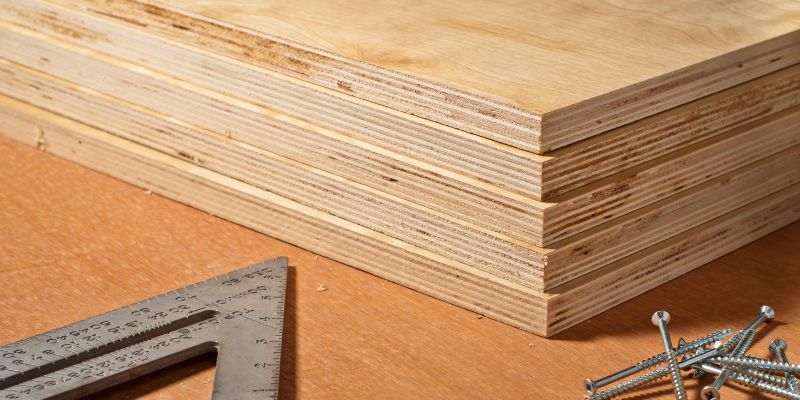
Working with marine plywood is much like working with other high-quality plywoods, but with a few considerations to maximize its benefits.
Here are some tips to help you:
- Cutting: Use sharp blades for clean cuts. A good quality carbide-tipped blade will make a big difference, reducing tear-out and making the process smoother.
- Drilling: Pre-drilling pilot holes before driving screws is always a good practice to prevent splitting, especially near edges.
- Fastening: Use stainless steel or bronze fasteners when working with marine plywood, especially in marine applications. These materials resist corrosion, which is crucial in wet or salty environments. Regular steel fasteners can rust and stain the wood, and eventually fail.
- Gluing: When joining pieces, use a high-quality waterproof wood glue, such as Titebond III Ultimate Wood Glue. While the plywood itself has waterproof glue, using it for your joints ensures the entire assembly is robust.
- Finishing: Marine plywood can be finished with paint, varnish, or sealant. For outdoor applications, a good quality marine varnish or exterior-grade paint will provide an extra layer of protection and enhance its appearance. Always follow the manufacturer’s recommendations for the best results. For boat building, specific marine coatings are often required.
- Storage: Even though it’s marine grade, it’s best to store marine plywood flat and dry until you’re ready to use it to keep it in the best possible condition.
Remember, the goal is to maintain the integrity of the material. By using the right tools and techniques, you ensure your marine plywood project is built to last.
When is Marine Plywood NOT the Best Choice?
While marine plywood is fantastic for its intended purposes, it’s not always the best or most practical material. Sometimes, other options are more suitable, or using marine plywood would be an unnecessary expense.
Here are a few scenarios where you might want to look elsewhere:
- Budget Constraints: If your project has a tight budget, the higher cost of marine plywood might not be justifiable. For many indoor projects or less demanding outdoor applications, standard exterior plywood or even good quality interior plywood can be perfectly adequate and much more affordable.
- Dry Indoor Environments: For furniture, cabinetry, or paneling in a standard living room, bedroom, or kitchen, moisture is generally not a significant issue. Using marine plywood here would be like using a race car engine in a golf cart – unnecessary and expensive.
- Temporary Structures: If you’re building something that is intended to be temporary, like a display booth for an event or a short-term garden structure, the extreme durability of marine plywood might not be required.
- Projects Requiring Flexibility: Some applications might benefit from the slightly more flexible nature of softer woods or lower-grade plywoods, which marine plywood, with its dense hardwood core, might not offer.
- Availability Issues: If you can’t easily source marine plywood in the sizes or quantities you need, and the project timeline is critical, you might need to opt for a more readily available alternative like high-quality exterior plywood.
It’s all about matching the material to the job. Overspending on materials when a more economical option will perform just as well is a common pitfall for beginners. Understanding the specific demands of your project is key to making smart material choices.
Frequently Asked Questions about Marine Plywood
Here are some common questions beginners have about marine plywood:
Q1: Is marine plywood really necessary for outdoor furniture?
A1: For furniture that will be exposed to rain and moisture consistently, marine plywood is an excellent choice for longevity and durability. However, if your furniture is under a covered porch and doesn’t get direct rain, high-quality exterior plywood with a good finish might be sufficient and more budget-friendly.
Q2: Can I use marine plywood for subflooring in a bathroom?
A2: Yes, you absolutely can! Marine plywood is a superb choice for subflooring in high-moisture areas like bathrooms, laundry rooms, or basements because of its superior resistance to water damage and delamination. It provides a very stable and durable base for your finished flooring.
Q3: What’s the difference between marine plywood and exterior plywood?
A3: The main differences are in the glue and the quality of the inner veneers. Marine plywood uses waterproof glue and has virtually no voids or defects in its core layers, making it suitable for immersion. Exterior plywood uses water-resistant glue and may have some core gaps, making it suitable for exposure but not prolonged immersion.
Q4: How do I finish marine plywood for outdoor use?
A4: For outdoor use, it’s best to seal marine plywood thoroughly. Apply a high-quality exterior primer and then at least two coats of durable exterior paint or a marine-grade varnish. Ensure all edges are well-sealed, as this is often where moisture can penetrate.
Q5: Is marine plywood stronger than regular plywood?
A5: Marine plywood is generally stronger and more structurally stable than regular interior plywood due to its void-free core and the use of hardwoods. It’s also much more resistant to moisture-related failure, which is a common cause of weakness in other plywood types.
Q6: Where can I buy marine plywood?
A6: You can typically find marine plywood at specialty lumber yards that cater to boat builders or contractors. Some larger home improvement stores may carry it, but it’s less common than standard plywood. It’s always a good idea to call ahead and check availability.
Conclusion
So, there you have it! Marine plywood is a high-performance material that truly earns its reputation. Builders most often turn to marine-grade plywood when a project demands exceptional resistance to moisture, ensuring longevity and structural integrity in challenging environments like boat building, outdoor structures, and high-humidity interiors. While its cost is higher, the investment pays off in durability and peace of mind for applications where standard plywood would simply fail.
Understanding when to use marine plywood is about matching the material’s strengths to your project’s needs. By choosing the right plywood for the job, you’re setting yourself up for success, creating projects that not only look great but also stand the test of time. Happy building!