When Would a Carpenter Most Likely Use Oak Hardwood: Stunning
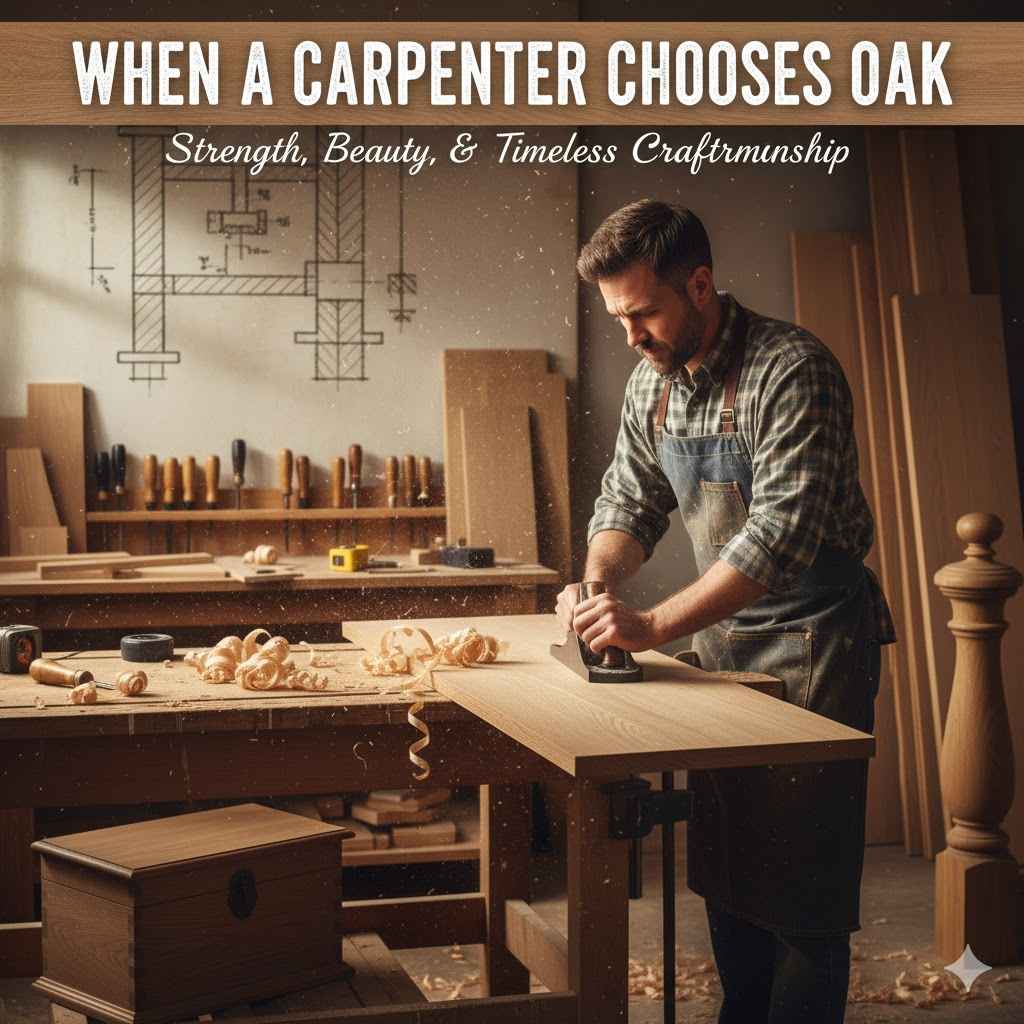
A carpenter most likely uses oak hardwood for projects demanding strength, durability, and timeless beauty. This includes high-traffic flooring, sturdy kitchen cabinets, long-lasting furniture like tables and chairs, and elegant architectural trim. Its dense grain and resistance to wear make it a reliable choice for items that need to withstand daily use for generations.
Hello there! I’m Md Meraj, and I’m here to help you feel more confident with your home projects. Have you ever walked into a room and felt drawn to a beautiful piece of wooden furniture or a stunning floor? Chances are, you were admiring oak. It’s one of the most popular and trusted woods out there. But why do carpenters and woodworkers love it so much?
Choosing the right wood can feel overwhelming, but it doesn’t have to be. Oak is a fantastic choice for many projects, and understanding when to use it is a huge step toward building things that look great and last for years. In this guide, we’ll explore exactly when a carpenter would choose oak, breaking it down into simple, easy-to-understand reasons. Let’s get started!
What Makes Oak a Carpenter’s Go-To Wood?
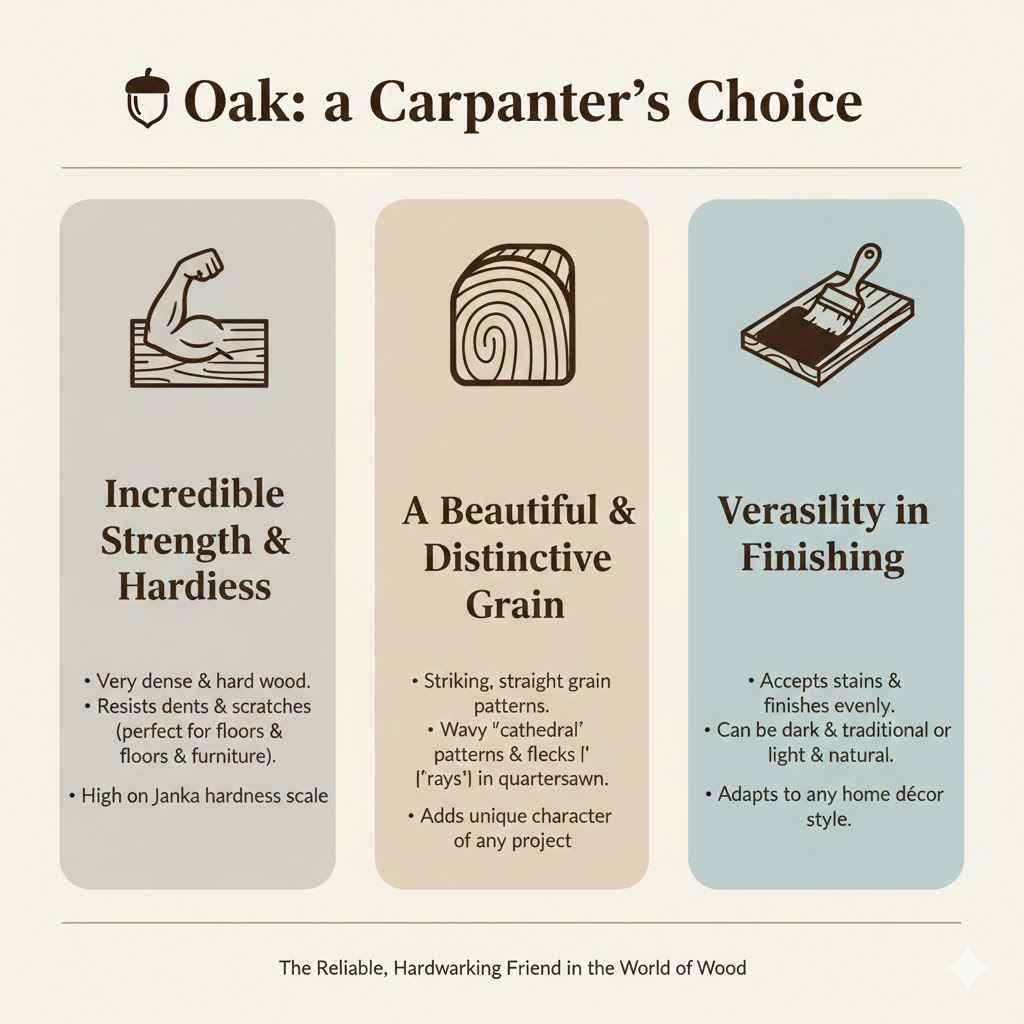
Before we dive into specific projects, let’s talk about what makes oak so special. Carpenters don’t just pick it because it looks nice; they choose it for its amazing qualities. Think of it as the reliable, hardworking friend in the world of wood.
Incredible Strength and Hardness
Oak is a very dense and hard wood. This is a huge deal for a carpenter. It means that furniture made from oak won’t easily dent or scratch. Floors made from oak can handle kids, pets, and dropped toys without showing much wear. This natural toughness means your projects will stand the test of time. The strength of wood is often measured on the Janka hardness scale, and both Red and White Oak score very well, making them ideal for heavy-use items.
A Beautiful and Distinctive Grain
Every piece of wood has a unique pattern, called its grain. Oak is famous for its striking, straight grain patterns and occasionally beautiful wavy or “cathedral” patterns. It also features small, fleck-like markings called rays, especially in a type of cut called quartersawn oak. These natural patterns add character and beauty to any project, whether it’s a simple bookshelf or a fancy dining table. The grain makes each piece one-of-a-kind.
Versatility in Finishing
Oak is wonderful to work with when it comes to finishing. It accepts stains and finishes very evenly. This means you have a lot of control over the final look. You can stain it dark for a traditional, formal look, or apply a clear, natural finish to keep its light, airy feel. This flexibility allows a carpenter to match oak to almost any style of home décor, from rustic farmhouse to modern minimalist.
Getting to Know the Oak Family: Red Oak vs. White Oak
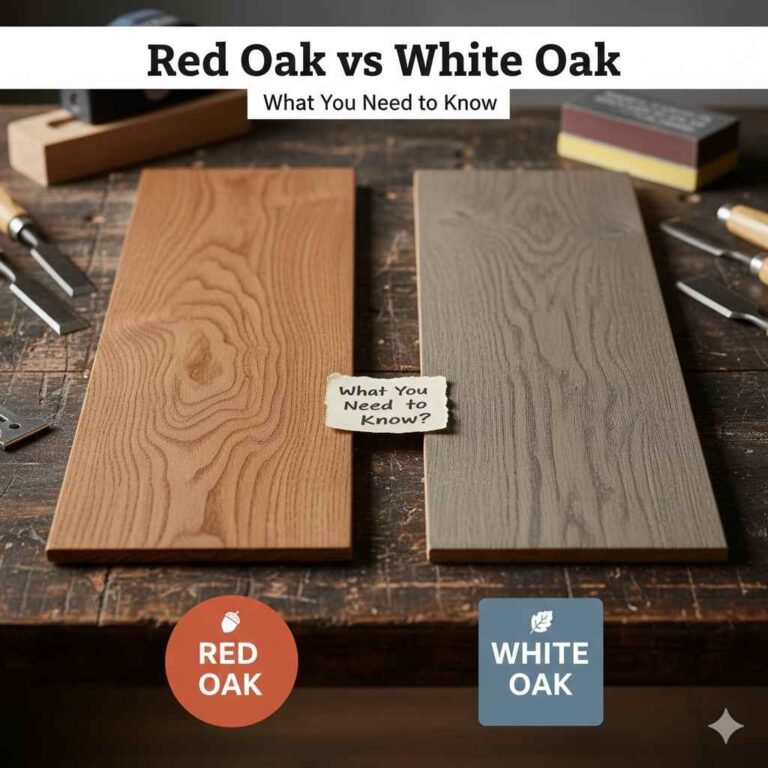
When you hear “oak,” it usually refers to one of two main types: Red Oak or White Oak. They might sound similar, but they have key differences that make them suitable for different jobs. A smart carpenter knows which one to pick for the best results.
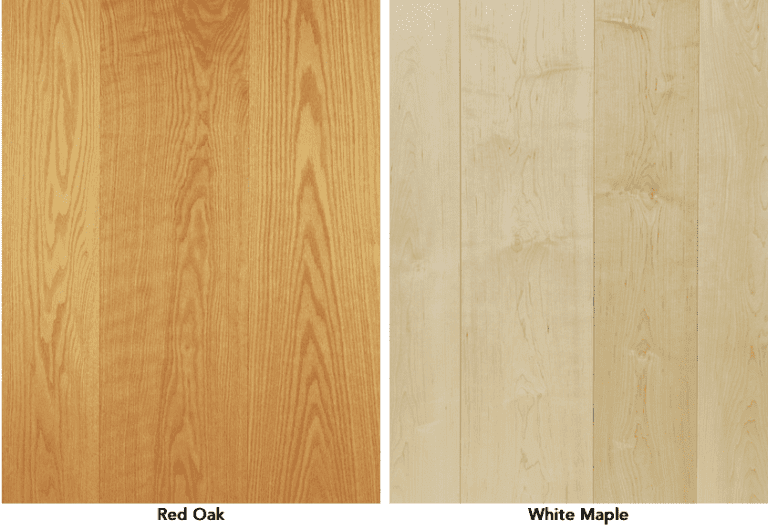
Red Oak (Quercus rubra) is the more common of the two in North America. It has a slightly reddish or pinkish tint and a more open, porous grain. It’s very strong and easy to work with, making it a popular choice for indoor projects.
White Oak (Quercus alba) is a bit harder, denser, and has a more golden-brown or grayish color. Its biggest advantage is its closed-grain structure, which makes it much more resistant to water and rot. This is a critical detail for certain projects.
Here’s a simple table to help you see the differences at a glance:
| Feature | Red Oak | White Oak |
|---|---|---|
| Color | Light brown with a pink or reddish hue. | Light to medium brown with a golden or grayish tint. |
| Grain Pattern | Wider, more open grain. Rays are usually shorter. | Finer, straighter grain. Rays are longer, creating a “fleck” pattern. |
| Water Resistance | Poor. The open pores can absorb water easily. | Excellent. The pores are plugged with tyloses, making it naturally water-resistant. |
| Hardness (Janka Scale) | Around 1290 lbs-force. Very durable. | Around 1360 lbs-force. Slightly harder than red oak. |
| Common Uses | Indoor furniture, cabinets, flooring, and trim. | Outdoor furniture, boat building, barrels, flooring, and fine furniture. |
| Cost | Generally more affordable and widely available. | Often slightly more expensive due to higher demand for certain uses. |
The Top 5 Projects Where a Carpenter Reaches for Oak
Now that you know the basics, let’s get to the heart of the matter. When would a carpenter most likely use oak hardwood? They turn to it for projects that need to be tough, beautiful, and long-lasting.
1. Hardwood Flooring That Lasts a Lifetime
If you’re looking for a floor that can handle everything life throws at it, oak is the number one choice for many carpenters. Its hardness prevents it from denting easily from heavy furniture or high foot traffic in hallways and kitchens.
- Why Oak is Perfect for Flooring: Its durability means it won’t wear down quickly. Plus, if it does get scratched after many years, it can be sanded down and refinished to look brand new again. You can’t do that with many other types of flooring!
- Red or White Oak? Red Oak is the most popular choice for flooring in the U.S. because it’s readily available and slightly less expensive. White Oak is an excellent choice for kitchens, entryways, or bathrooms (if you must use wood) because of its superior water resistance.
2. Kitchen Cabinets Built for Daily Use
Kitchen cabinets are opened and closed dozens of time a day. They need to hold heavy plates, pots, and pans without sagging or breaking. This is a job made for oak.
- Why Oak is a Cabinet Champion: Oak’s strength ensures that the cabinet boxes are sturdy and that the doors won’t warp over time. It holds screws tightly, so hinges and handles stay put. Its prominent grain pattern can also hide minor dings and scratches that are common in a busy kitchen.
- A Look for Every Kitchen: Oak cabinets can be stained to match any style. A light, natural finish gives a kitchen a bright, modern feel, while a darker stain can create a more traditional, classic look.
3. Timeless Furniture That Becomes an Heirloom
When a carpenter is building a piece of furniture that is meant to be passed down through generations—like a dining room table, a sturdy bed frame, or a heavy desk—oak is often the first wood they consider.
- Strength and Stability: Heavy items like tables need to be stable and not wobble. Oak’s weight and density provide that solid foundation. Its strength means the legs of a chair or the joints of a bookshelf won’t fail under pressure.
- Beauty That Endures: Oak furniture has a classic, timeless appeal. It never really goes out of style. The beautiful grain ensures that each piece is unique and has its own personality. That’s why you often see antique furniture made from oak still looking gorgeous today.
4. Elegant Architectural Millwork and Trim
Millwork refers to the decorative wood elements in a house. This includes things like baseboards, crown molding, window casings, and door frames. A carpenter uses oak for these details when they want to add a touch of quality and elegance to a room.
- Why Oak Works for Trim: Oak is stable, meaning it doesn’t expand and contract as much as softer woods with changes in humidity. This helps prevent ugly gaps from forming in your trim. It also machines well, meaning it can be cut and shaped into detailed profiles without splintering.
- A High-End Finish: Using solid oak for trim is a sign of a high-quality home. It adds a sense of warmth and substance that you just can’t get from cheaper materials like MDF or pine. For more information on wood properties for building, the USDA Forest Products Laboratory offers incredible resources for homeowners and woodworkers.
5. Sturdy Staircases, Treads, and Handrails
Stairs see a huge amount of traffic every single day. The treads (the part you step on) and the handrail need to be incredibly wear-resistant and safe. Once again, oak is the perfect candidate.
- Unmatched Wear Resistance: Oak’s hardness means the edges of the stair treads won’t easily chip or round over. It can withstand the constant scuffing from shoes for decades.
- Safety and Strength: A handrail needs to be strong enough to support a person’s weight. Oak provides that security. Its solid feel is reassuring, and its ability to hold fasteners securely ensures the entire railing system is stable and safe for your family.
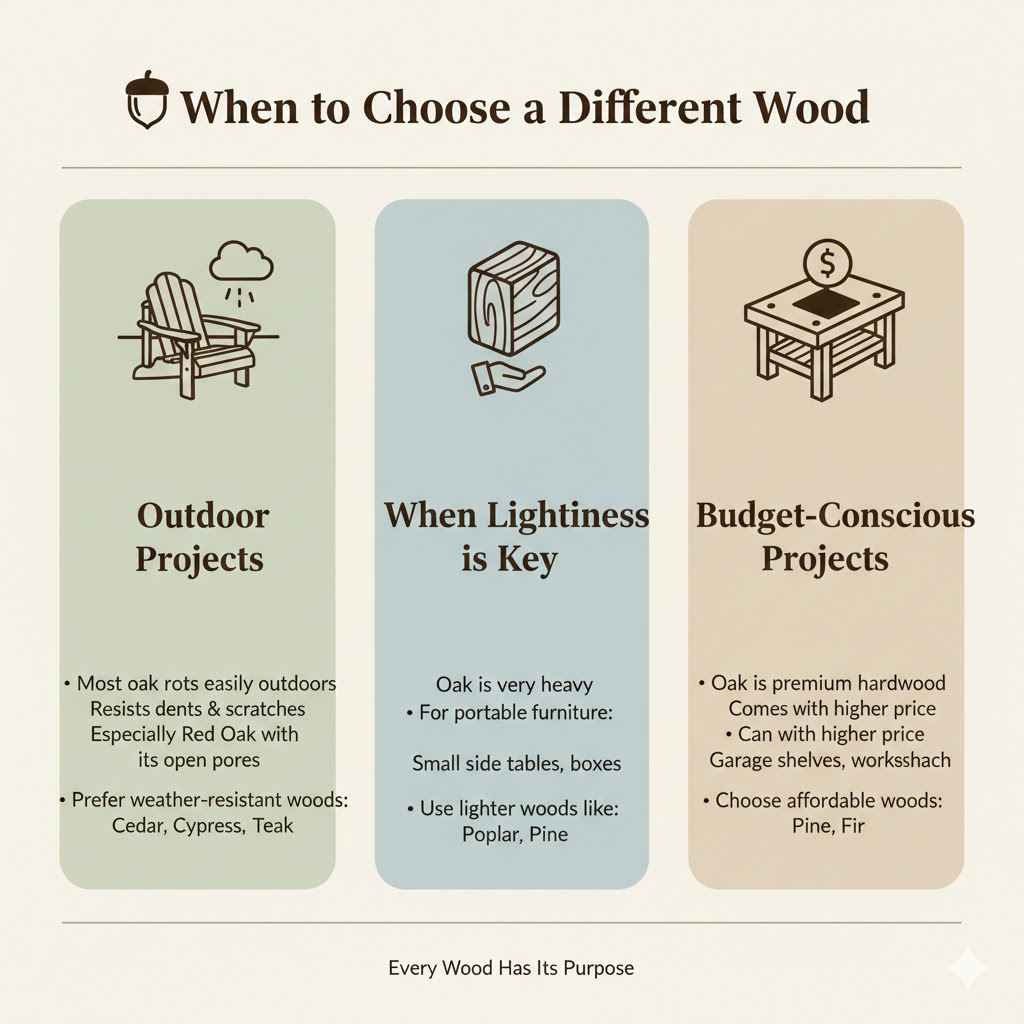
When Might a Carpenter Choose a Different Wood?
As great as oak is, it’s not the perfect choice for every single project. A good carpenter knows when to use oak and when to reach for something else.
Outdoor Projects
Unless you are using White Oak and finishing it meticulously, most oak is not a great choice for outdoor furniture or decking. Red Oak, with its open pores, will soak up rain like a sponge and rot quickly. For outdoor projects, carpenters often prefer naturally weather-resistant woods like cedar, cypress, or teak.
When a Lighter Wood is Needed
Oak is heavy! If you’re building something that needs to be moved around a lot, like a small side table or a decorative box, you might choose a lighter wood like poplar or pine. This makes the final piece more practical for everyday use.
Budget-Conscious Projects
Oak is a premium hardwood, and it comes with a higher price tag than softwoods like pine or fir. For projects where cost is the primary concern, such as shelving in a garage or a simple workbench, a carpenter will likely choose a more affordable wood.
Tips for a First-Timer Working with Oak
Ready to try your first oak project? That’s great! It’s a wonderful wood to work with, but its hardness requires a little extra care. Here are a few tips to help you succeed.
| Tool/Technique | Quick Tip | Why It Matters |
|---|---|---|
| Drilling | Always pre-drill holes for screws. | Oak is so hard that driving a screw directly into it will likely cause the wood to split. A pilot hole gives the screw a path. |
| Sawing/Cutting | Use sharp blades and take your time. | A dull blade will struggle to cut through dense oak, leading to burning and a rough finish. A sharp blade gives a clean, easy cut. |
| Joining | Use strong wood glue and clamps. | Because oak is heavy, its joints need to be very strong. Use a high-quality wood glue and clamp the pieces tightly until the glue dries completely. |
| Finishing | Test your stain on a scrap piece first. | The color on the can might look different on oak’s unique grain. Testing first ensures you get the exact look you want for your project. |
Frequently Asked Questions About Using Oak
It’s natural to have questions when you’re starting out. Here are answers to some common ones I hear about working with oak.
Is oak hard for a beginner to work with?
Oak is harder than softwoods like pine, so it requires more effort. You’ll need sharp tools and to pre-drill your screw holes. However, it’s very forgiving when it comes to finishing and is so strong that your final project will be very durable. With a little patience, it’s a great wood for beginners who want to build something that lasts.
How can I tell the difference between red oak and white oak?
The easiest way for a beginner is to look at the end grain (the wood at the very end of the board). Red oak has visible, open pores that look like tiny straws. White oak’s pores are much smaller and appear closed or plugged. White oak also tends to have longer “rays” or flecks in its grain pattern.
Is oak an expensive wood?
Oak is more expensive than softwoods like pine but is generally one of the most affordable domestic hardwoods in North America. Its price is often seen as a great value because of its incredible durability and longevity. White oak is usually a bit more expensive than red oak.
Does oak stain well?
Yes, beautifully! Oak’s large pores absorb stain very well, which helps to highlight its bold grain pattern. It’s one of the easiest hardwoods to stain evenly, which is another reason why it’s so popular for furniture and cabinets.
Can I use oak for outdoor projects?
You should only use White Oak for outdoor projects, and even then, it must be protected with a high-quality outdoor finish. White oak is naturally rot-resistant. Red Oak should never be used outdoors, as it will absorb water and decay very quickly.
Why does some oak furniture have a “tiger stripe” pattern?
That beautiful pattern is called “ray fleck” and it comes from a special way of cutting the log called “quartersawing.” This cutting method reveals the stunning medullary rays inside the wood. Quartersawn white oak is highly prized for its stability and beauty, especially in fine furniture and cabinetry.
What’s the best finish for an oak table?
For a high-use surface like a tabletop, you want a durable finish. A polyurethane or varnish finish provides excellent protection against scratches and spills. Apply several thin coats for the best results. Oil finishes can also be used for a more natural, close-to-the-wood feel, but they may require more frequent maintenance.
Your Next Project, Built with Confidence and Oak
As you can see, there are so many reasons why carpenters trust oak. From the floor beneath your feet to the cabinets in your kitchen and the table where your family gathers, oak provides a reliable combination of strength, beauty, and tradition.
It’s the go-to choice for any project that needs to stand up to daily life and still look fantastic for years to come. Now that you know when and why a professional would choose oak, you can feel confident choosing it for your own projects. Whether you’re building a simple bookshelf or refinishing your floors, you’re not just using wood—you’re using a material that has proven its worth for centuries.
So go ahead, give oak a try. Take your time, use sharp tools, and build something you can be proud of. You’ve got this!