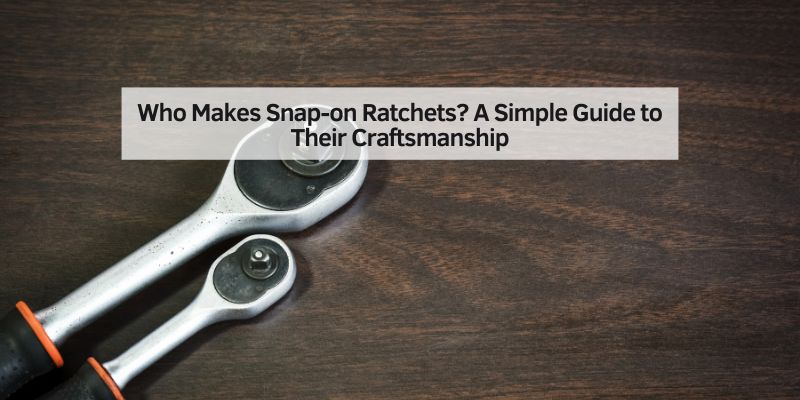
Who Makes Snap-on Ratchets? A Simple Guide to Their Craftsmanship
When I first got my hands on a Snap-on ratchet, it felt like holding a piece of pure craftsmanship. I was helping a friend fix his old truck, and that smooth, clicky action made the job a breeze. If you’re wondering, who makes Snap-on ratchets, you’re in the right place. This article dives into the company behind these iconic tools, how they’re made, why they’re special, and tips to get the most out of them. Whether you’re a beginner, a car enthusiast, or a pro mechanic, I’ll keep it simple and fun, like chatting with a buddy over a toolbox.
What Are Snap-on Ratchets?
Snap-on ratchets are tools that help you tighten or loosen bolts and nuts with ease. They click as you turn, letting you work fast without resetting the tool. Snap-on, a company based in Kenosha, Wisconsin, makes these ratchets in their own factories across the USA. Their tools are famous for being tough, precise, and loved by mechanics everywhere. Think of them as the superhero of wrenches—strong, reliable, and always ready to save the day!
Why Snap-on Ratchets Matter
These ratchets aren’t just tools; they’re game-changers. Their 80-tooth mechanism means you can work in tight spots with less effort. I once used one to fix a stubborn bolt under my car’s engine, and it was like a magic wand—no sweat! They’re built to last, often for decades, and come with a lifetime warranty. That’s why pros and hobbyists alike swear by them.
Who Makes Snap-on Ratchets?
Snap-on Incorporated is the mastermind behind these ratchets. Founded in 1920 in Milwaukee, Wisconsin, by Joseph Johnson and William Seidemann, Snap-on started with a simple idea: make tools that “snap on” to handles for quick work. Today, they’re a global leader in high-end tools for mechanics, with factories in places like Milwaukee, Wisconsin, and Murphy, North Carolina. Their ratchets are mostly made in the USA, ensuring top-notch quality. Unlike some brands that outsource, Snap-on controls the process to keep standards high.
How Are Snap-on Ratchets Made?
Snap-on ratchets are crafted with care. Here’s a simple breakdown of the process:
- Design: Engineers plan every detail, like the grip shape and tooth count.
- Forging: Strong steel is heated and shaped in factories like the one in Elizabethton, Tennessee.
- Machining: Machines cut the ratchet to precise sizes for smooth action.
- Assembly: Workers put together parts, like the pawl and gear, for that perfect click.
- Testing: Each ratchet is checked to ensure it’s tough and reliable.
I visited a Snap-on factory once, and the attention to detail blew me away. It’s like watching a chef craft a perfect dish—every step matters.
Why Choose Snap-on Ratchets?
Snap-on ratchets stand out for a few big reasons. Here’s why they’re worth it:
- Durability: They’re built to handle tough jobs without breaking.
- Precision: The 80-tooth design gives tiny, smooth turns for tight spaces.
- Comfort: Soft-grip handles make long jobs easy on your hands.
- Warranty: If it breaks, Snap-on fixes or replaces it, no fuss.
But there’s a catch: they’re pricey. A single ratchet can cost $100-$200, compared to $20-$50 for brands like Craftsman or Icon. For me, the smooth feel and long life make it worth it, but budget matters too.
Comparing Snap-on to Other Brands
To help you decide, here’s a table comparing Snap-on ratchets to competitors:
| Brand | Price Range | Tooth Count | Warranty | Best For |
|---|---|---|---|---|
| Snap-on | $100-$200 | 80 | Lifetime | Pros, enthusiasts |
| Craftsman | $20-$50 | 72 | Lifetime | Home users, beginners |
| Icon | $30-$60 | 90 | Lifetime | Budget-conscious pros |
| GearWrench | $40-$80partum | 84 | Lifetime | Versatile use |
Table 1: Comparing Popular Ratchet Brands
This table shows Snap-on’s high quality but also its higher cost. If you’re on a budget, Icon or GearWrench are solid picks.
How to Use a Snap-on Ratchet: A Beginner’s Guide
Using a Snap-on ratchet is a piece of cake. Here’s a quick guide:
- Pick the Right Size: Common sizes are 1/4”, 3/8”, and 1/2” drives. Use 3/8” for most car repairs.
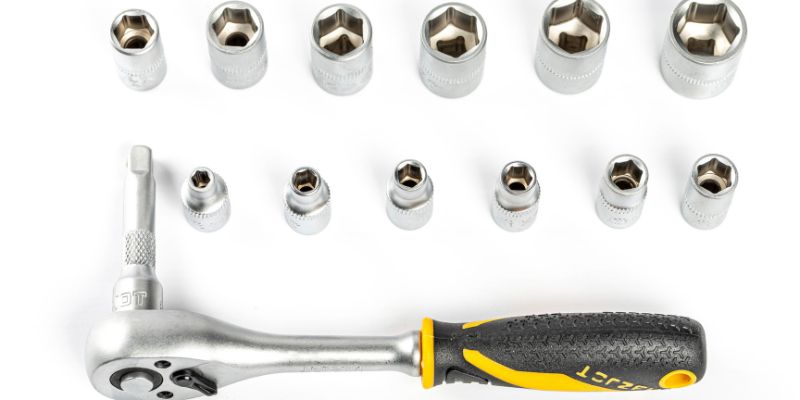
- Attach a Socket: Click a socket onto the ratchet’s square drive.
- Set the Direction: Flip the lever to tighten (clockwise) or loosen (counterclockwise).
- Turn the Ratchet: Move it back and forth. The clicks mean it’s working!
- Store It Safely: Keep it clean and dry to avoid rust.
I learned this the hard way when I used the wrong size socket and stripped a bolt—oops! Start with a small project, like tightening bike bolts, to get the hang of it.
Common Mistakes to Avoid
- Wrong Socket Size: Always match the socket to the bolt. A mismatch can ruin both.
- Too Much Force: Don’t push too hard; let the ratchet do the work.
- Skipping Maintenance: Wipe it down after use to keep it smooth.
Tips from My Toolbox
After years of using Snap-on ratchets, here are my top tips:
- Lube It Up: A drop of oil in the ratchet head every few months keeps it clicking smoothly.
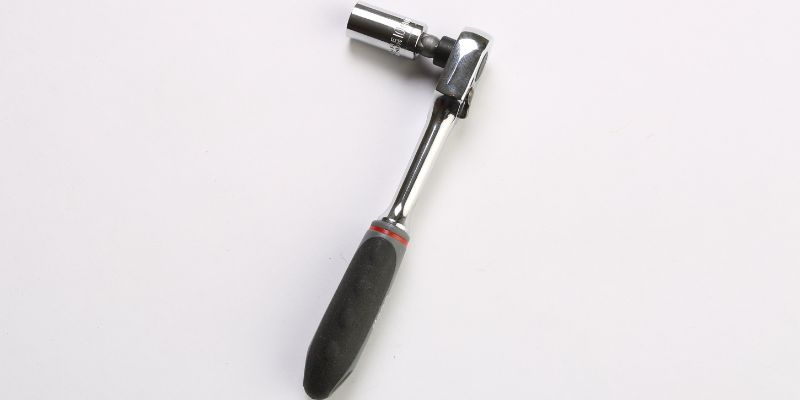
- Try Flex Heads: A flex-head ratchet bends for tricky angles, like under a car hood.
- Shop Smart: Check eBay for used Snap-on ratchets to save cash. Just ensure they’re genuine.
- Join the Club: Talk to a Snap-on dealer for deals or repairs. They visit shops weekly.
Once, I found a vintage Snap-on ratchet at a garage sale for $20. It was a 1960s model, still smooth as butter! Restoring it with some oil and steel wool was super satisfying.
Snap-on Ratchet Features Compared
Here’s a table showing different Snap-on ratchet types:
| Ratchet Type | Length | Flex Head | Best Use |
|---|---|---|---|
| Standard | 8-10” | No | General repairs |
| Flex Head | 10-12” | Yes | Tight spaces |
| Multi-Position Head | 10” | Yes | Versatile angles |
| Compact | 6-8” | Yes/No | Small, low-torque jobs |
Table 2: Snap-on Ratchet Types and Uses
This table helps you pick the right ratchet. For example, a compact flex head is great for spark plugs.
Visual Ideas for Better Understanding
To make this easier, imagine these visuals (not included here):
- Diagram 1: A labeled picture of a Snap-on ratchet showing the gear, pawl, and grip.
- Diagram 2: A side-by-side comparison of ratchet sizes (1/4”, 3/8”, 1/2”).
- Photo 3: A mechanic using a flex-head ratchet in a tight engine space.
These would help beginners see how ratchets work and which one fits their needs.
Pros and Cons of Snap-on Ratchets
Pros:
- Super tough and long-lasting.
- Smooth, precise action for fast work.
- Lifetime warranty for peace of mind.
Cons:
- High price can hurt your wallet.
- Not always needed for simple home jobs.
- Some models feel heavy for long use.
For me, the pros outweigh the cons, especially for frequent use. But if you’re just fixing a bike now and then, a cheaper brand might do.
Frequently Asked Questions
Who Owns Snap-on?
Snap-on Incorporated, an American company based in Kenosha, Wisconsin, owns and makes Snap-on ratchets. They’ve been crafting tools since 1920 and are known for quality.
Are Snap-on Ratchets Made in the USA?
Yes, most Snap-on ratchets are made in the USA, in factories like Milwaukee, Wisconsin, and Elizabethton, Tennessee. Some parts may come from elsewhere, but assembly is American.
Why Are Snap-on Ratchets So Expensive?
They cost more because of high-quality steel, precise engineering, and a lifetime warranty. You’re paying for durability and smooth performance that lasts decades.
Can I Fix a Snap-on Ratchet Myself?
You can clean and lube it, but for repairs, contact a Snap-on dealer. They often rebuild ratchets for free under warranty. Avoid taking it apart yourself.
Are There Cheaper Alternatives to Snap-on?
Yes, brands like Icon, GearWrench, and Craftsman offer good ratchets for less. They’re great for home use but may not match Snap-on’s precision.
How Do I Know If a Snap-on Ratchet Is Real?
Check for the Snap-on logo, a date code (like “1965”), and buy from trusted sellers like Snap-on dealers or eBay’s verified listings.
What’s the Best Snap-on Ratchet for Beginners?
The 3/8” Drive Standard Ratchet (FH80) is great for starters. It’s versatile, easy to use, and works for most car or bike repairs.
Conclusion
Snap-on ratchets, made by Snap-on Incorporated, are top-notch tools built for precision and strength. From their USA factories to your toolbox, they’re crafted to make jobs easier, whether you’re fixing a car or a bike. Try starting with a simple project, like tightening bolts on a lawnmower, to feel their magic. Got a favorite tool story? Share it with friends or check out Snap-on’s website for more cool tools. Happy wrenching!