Will Pressure Washing Remove Paint From Concrete Surfaces?
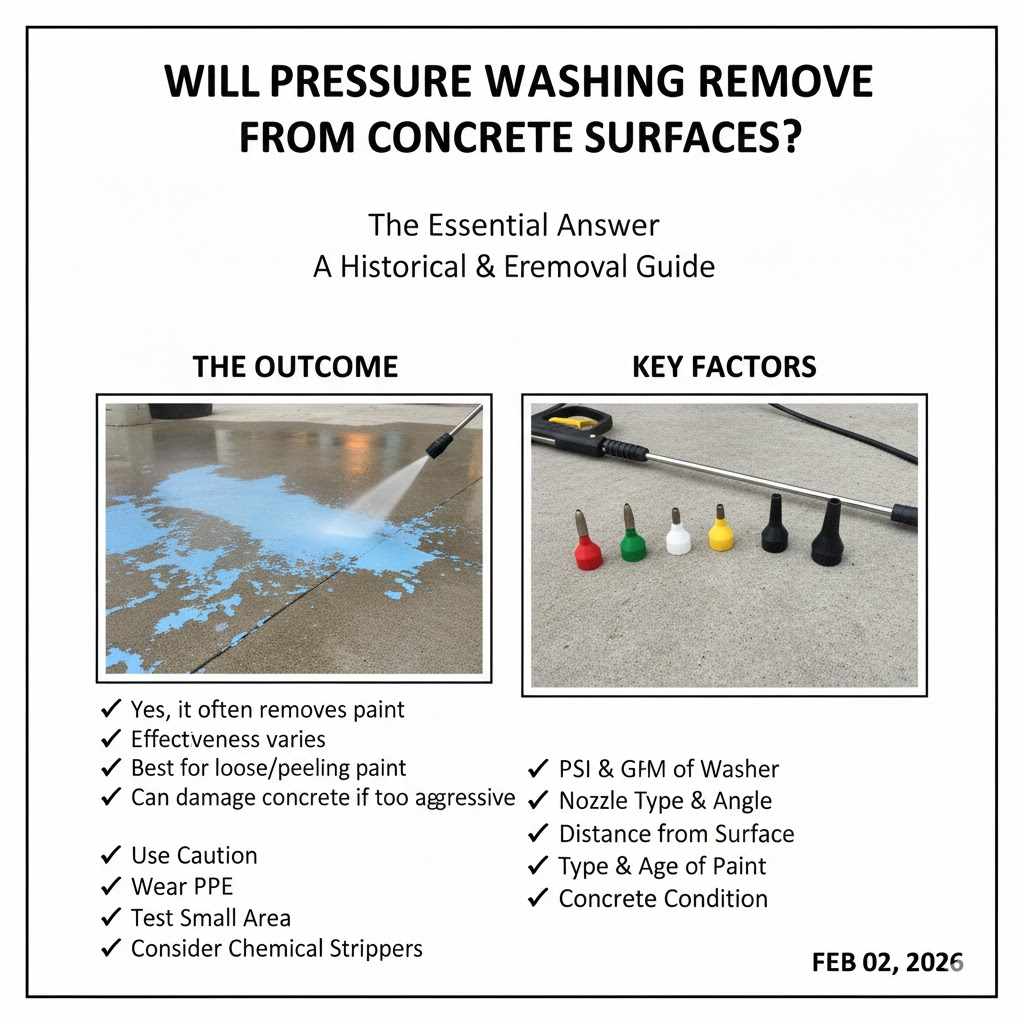
So, you’re wondering, Will a Pressure Washer Remove Paint From Concrete? It’s a question many people have when tackling home projects. It seems simple, but getting it right can be a bit tricky. Sometimes paint comes off easily, other times, not so much. Don’t worry, though! We’ll explore everything you need to know. We’ll show you how to get the job done right, step by step, so you can achieve the best results.
Pressure Washing Basics and Paint Removal
Pressure washers are powerful tools. They use a high-pressure stream of water to clean surfaces. This stream can be adjusted to different strengths, depending on the job. For cleaning concrete, the pressure setting and the nozzle type are important. Incorrect settings can cause damage, and the wrong nozzle might not remove paint efficiently.
Knowing how to choose the right settings and nozzles is key to success. The effectiveness of pressure washing for paint removal also depends on the type of paint, the surface, and how long the paint has been there.
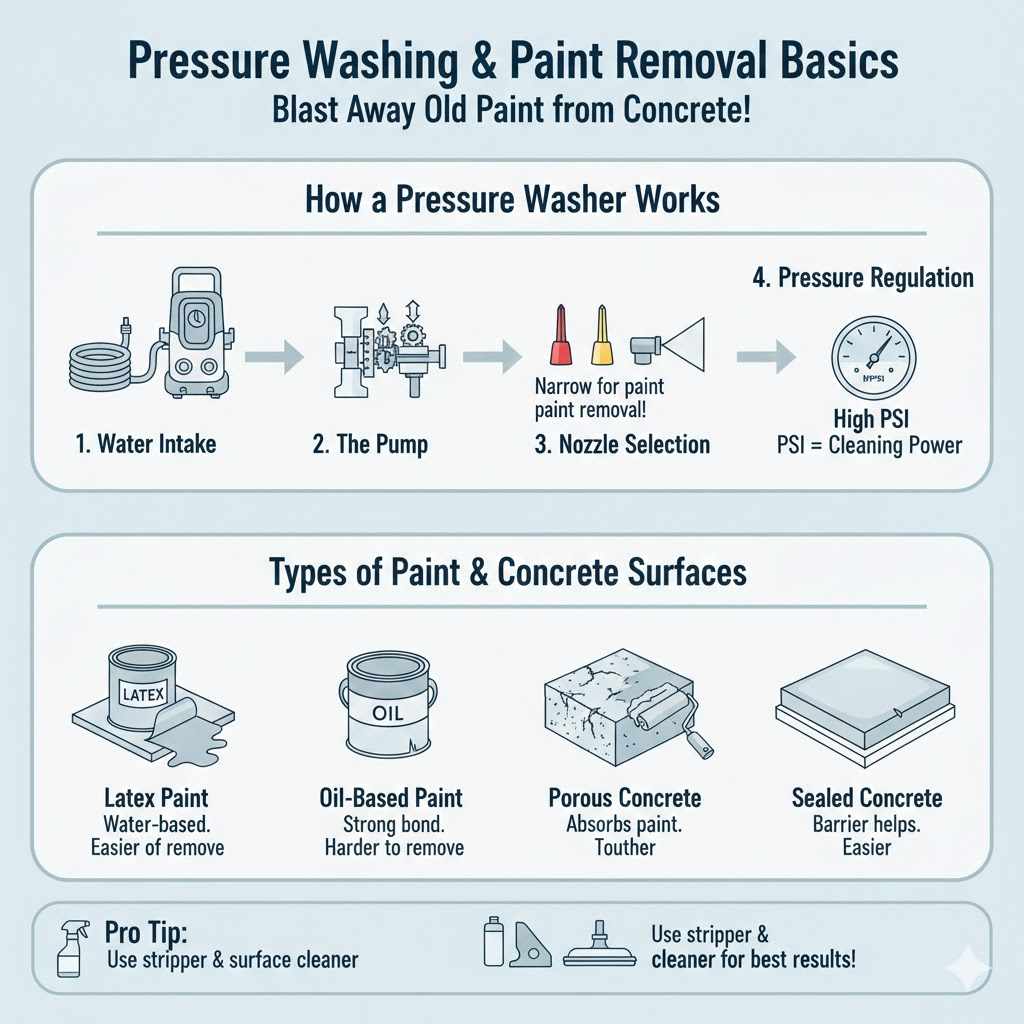
How a Pressure Washer Works
A pressure washer works by forcing water through a small nozzle at very high pressure. This pressure is created by a pump, usually powered by an electric motor or a gasoline engine. The water blasts away dirt, grime, and other unwanted materials from a surface. The pressure is measured in pounds per square inch (PSI), which determines the cleaning power.
The flow rate, measured in gallons per minute (GPM), indicates how much water the washer uses. Both PSI and GPM are important, but PSI is particularly important for paint removal.
Water Intake: The pressure washer starts by drawing water from a garden hose or other water source.
The water flows into the pump, ready for pressurization.
The Pump: The pump is the heart of the pressure washer. It increases the water pressure significantly.
The pump compresses the water, preparing it to be released at high pressure through the nozzle.
Nozzle Selection: Different nozzles create different spray patterns.
These range from a narrow, powerful stream for tough jobs, to a wider, gentler spray for rinsing.
Pressure Regulation: Many pressure washers allow you to adjust the pressure.
This allows for control over how forcefully the water is sprayed, protecting surfaces from damage.
Selecting the correct nozzle type is crucial. A narrow-angle nozzle, like a 0-degree or 15-degree nozzle, delivers a concentrated, powerful stream perfect for paint removal. Wider-angle nozzles, like 40-degree or soap nozzles, are ideal for rinsing or applying cleaning solutions. The distance you hold the nozzle from the surface also matters.
Holding the nozzle too close can damage the concrete, while holding it too far away reduces effectiveness. Experimenting on a small, less visible area is always good before tackling the whole project.
Types of Paint and Concrete Surfaces
The type of paint and the type of concrete can affect paint removal. Latex paint, commonly used on exterior surfaces, is usually easier to remove than oil-based paint, which forms a more durable bond. The age of the paint is also a factor. Newer paint may come off easier, while older paint might have become more embedded into the concrete.
The condition of the concrete surface itself is important. Rough concrete often holds paint better than smooth, sealed concrete. The level of weathering and previous treatments, like sealers or coatings, influence how easily paint comes off. Understanding these factors will help you make a plan.
Latex Paint: Generally, this is water-based and easier to remove.
Latex paint tends to have a weaker bond to the concrete surface compared to oil-based paints.
Oil-Based Paint: These paints create a strong bond, making removal harder.
Oil-based paints are more durable and resist water penetration.
Concrete Type: Porous concrete will absorb the paint more.
The texture affects how deeply the paint penetrates the surface.
Sealed Concrete: Sealed concrete might make paint removal a bit easier.
Sealants create a barrier, which reduces the paint’s ability to bond.
Here’s an example: imagine you’re trying to remove paint from a painted concrete patio. If the paint is latex and the concrete is rough, the pressure washer can remove most of the paint. However, if the paint is oil-based and the concrete is smooth and sealed, you’ll need a stronger approach. Using a surface cleaner attachment can help to give you an even finish. It is often helpful to add a paint stripping solution beforehand.
Preparation and Safety for Paint Removal
Before you begin pressure washing, you need to prepare the area and keep safety in mind. This helps ensure both a successful paint removal process and the safety of everyone involved. Ignoring these steps can lead to injuries, property damage, and inefficient paint removal. Preparation minimizes these risks, making the job smoother and safer.
Gathering Necessary Tools and Supplies
Having the right tools is important for effective paint removal. Besides the pressure washer, you’ll need the correct nozzles, safety gear, and any necessary chemicals. Using the right equipment will make the job safer and more efficient. The correct supplies make the process easier and prevent damage to the concrete.
Pressure Washer: Choose the right PSI and GPM for the job.
Ensure it is in good working condition.
Nozzles: A variety of nozzles, including 0-degree, 15-degree, 25-degree, and soap nozzles.
The right nozzles are key for achieving your goal of removing paint efficiently and safely.
Safety Gear: Eye protection (goggles), gloves, closed-toe shoes, and ear protection.
This gear helps protect you from flying debris and loud noise.
Paint Stripper (Optional): If the paint is stubborn, a concrete-safe paint stripper can help.
Always test on a small area first to ensure it is compatible with the surface and doesn’t discolor the concrete.
Surface Cleaner (Optional): A surface cleaner attachment for your pressure washer.
This is useful for cleaning large areas quickly.
Personal Protective Equipment (PPE)
Safety is the most important part of any project. Proper safety gear protects you from potential hazards like flying debris, strong chemicals, and noise. Choosing the right PPE is important to minimize your risk of harm. It’s an investment in your well-being.
Eye Protection: Safety glasses or goggles to protect your eyes from water, paint chips, and debris.
Eye protection is a must-have to prevent serious eye injuries.
Gloves: Wear gloves to protect your hands from chemicals and high-pressure water.
Gloves protect your skin from chemicals and injuries.
Footwear: Closed-toe shoes or boots to protect your feet from potential impacts and spills.
Choose footwear that has good traction to avoid slips.
Hearing Protection: Earplugs or earmuffs to reduce noise exposure, which can damage your hearing.
Hearing protection is especially important if you are pressure washing for extended periods.
Clothing: Wear comfortable clothes that you don’t mind getting wet or stained, and long sleeves and pants for extra protection.
This will help protect your skin.
Preparing the Work Area
Proper area preparation can make the paint removal process easier and more successful. This includes removing or protecting any surrounding objects that you don’t want to get wet or damaged. Securing the area ensures the safety of everyone. By taking these preparatory steps, you make the job safer and less frustrating.
Clear the Area: Remove furniture, plants, and other items from the work area.
This is also important if you are going to use any type of chemical.
Protect Nearby Surfaces: Cover windows, doors, and any areas you don’t want to be sprayed with plastic sheeting.
This prevents accidental paint removal or damage from the high-pressure water.
Wet the Surface: Before pressure washing, lightly wet the concrete surface.
This helps the paint stripper, if you use it, work more effectively, and reduces dust.
Test Area: Always test on a small, hidden area of the concrete.
This ensures you’re using the right pressure and nozzle and that the concrete is not damaged.
Consider this scenario: You’re removing old paint from a concrete patio. You move the patio furniture, cover the nearby flower beds with plastic, and test the pressure washer in a corner. These steps help prevent damage to your plants or outdoor furniture.
Pressure Washing Techniques for Paint Removal
The right pressure washing techniques are key to removing paint from concrete. This includes knowing the correct angle, pressure, and how to use different nozzles. This approach ensures an effective cleaning process that removes paint effectively without damaging the underlying concrete surface. Proper technique increases safety and helps you achieve the best outcome.
Choosing the Right Pressure and Nozzle
Selecting the right pressure and nozzle is very important for removing paint without damaging the concrete. Adjusting the pressure according to the type of paint and concrete helps in achieving the desired results. Understanding the spray patterns and their effect is key to a clean and safe process.
Start with a Lower Pressure: Begin with a lower PSI setting and increase it gradually.
This prevents damage to the concrete. You can always increase it, but you can’t undo damage.
Select the Right Nozzle: Use a 15-degree or 25-degree nozzle for paint removal.
These nozzles provide a focused stream of water.
Test the Nozzle: Test the nozzle on a small, hidden area.
This helps you check for any concrete damage or paint removal effectiveness.
Avoid Direct Spray: Don’t hold the nozzle too close to the surface, as this could etch the concrete.
Maintain a safe distance to prevent damage.
For example, if the paint is old and thick, you might start with a 25-degree nozzle at a moderate pressure setting, gradually increasing the pressure until the paint begins to lift off. However, if the concrete is softer or in poor condition, you might have to adjust your approach to a lower pressure and possibly use a paint stripper.
Pressure Washing the Concrete
Learning the proper way to pressure wash the concrete ensures the efficient removal of paint while protecting the surface. This involves knowing the correct spraying motions and how to effectively remove paint from corners and edges. These techniques ensure you can safely and effectively remove paint.
Work in Overlapping Rows: Move the nozzle in overlapping rows to ensure even coverage.
This reduces streaks and spots.
Maintain Consistent Distance: Hold the nozzle at a consistent distance from the surface.
This ensures uniform paint removal and reduces the chance of damage.
Spray at an Angle: Spray at an angle to the concrete.
This improves paint removal efficiency and avoids any possible etching.
Remove Paint from Corners: Pay extra attention to edges and corners, where paint can be harder to remove.
Use a more focused approach for these areas.
Imagine you’re washing a painted concrete wall. Start at the top and work your way down in overlapping strokes. This helps prevent streaks. If you notice any stubborn spots, you can apply more pressure or try a different nozzle. The aim is to get an even, clean result without causing harm.
Using Paint Strippers with Pressure Washing
Sometimes, pressure washing alone isn’t enough to remove all the paint. This is when paint strippers come in handy. This section will explore how to select the right stripper, how to apply it, and combine it with pressure washing for the best results. Properly combining paint strippers with pressure washing increases efficiency and reduces the time and effort required to remove paint.
Choose a Concrete-Safe Stripper: Select a paint stripper designed for concrete.
This ensures that the stripper will not damage the surface.
Apply the Stripper: Follow the manufacturer’s instructions for application.
This ensures proper usage and helps improve the results.
Allow It to Dwell: Let the stripper sit on the paint for the recommended time.
This provides it enough time to soften the paint.
Pressure Wash After: Use a pressure washer to remove the softened paint.
This clears away the paint efficiently.
Consider a situation where you are removing multiple layers of old paint. Applying a paint stripper first makes the paint easier to remove. Always test the stripper in a small area before using it on a large surface. Make sure to follow all the safety precautions.
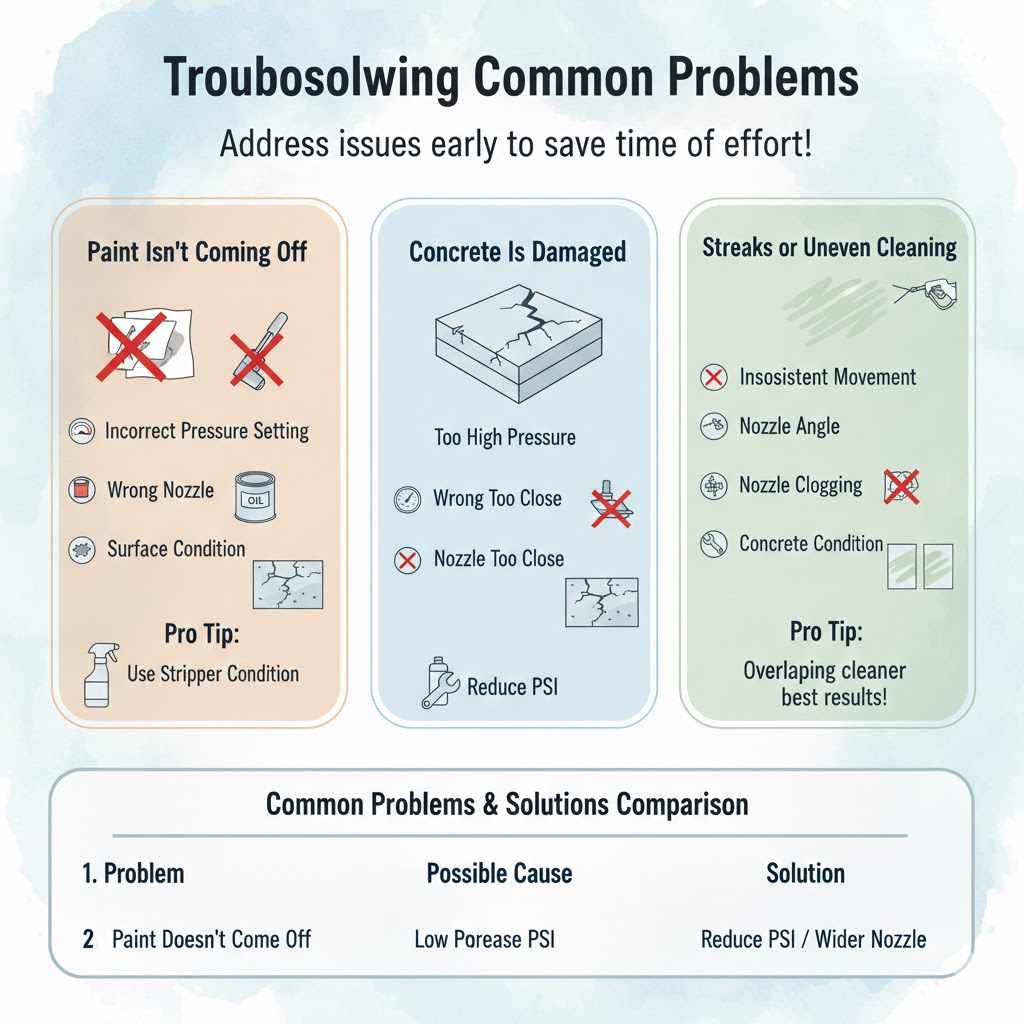
Troubleshooting Common Problems
Pressure washing to remove paint can sometimes lead to unexpected issues. This section looks into common challenges and how to solve them. Addressing problems early can save time and effort. Knowing how to troubleshoot and fix these issues ensures a smooth process.
Paint Isn’t Coming Off
If the paint isn’t removing easily, this is the first issue to address. Several reasons can contribute to this problem, including the paint type, the surface condition, and the pressure settings. Knowing the causes of these problems is important. Understanding the causes will help you choose the right solutions.
Incorrect Pressure Setting: The pressure might be too low.
Increase the PSI gradually, but be mindful of the concrete.
Wrong Nozzle: You may be using a nozzle that doesn’t provide enough force.
Try a narrower nozzle, such as a 15-degree or 0-degree nozzle, for more power.
Type of Paint: Oil-based paints are generally harder to remove than latex paints.
Consider using a paint stripper if you’re dealing with oil-based paint.
Surface Condition: Rough or porous concrete can hold paint more tightly.
The solution is to use a paint stripper or increase the pressure.
For example, if you are attempting to remove old, oil-based paint, you might need to try a paint stripper before pressure washing to soften the paint. You may also need to increase the PSI.
Concrete Is Damaged
Damage to the concrete can occur if the pressure is too high, or the wrong nozzles are used. This issue can cause a variety of issues, including etching and surface damage. Understanding the root causes of concrete damage is critical. Addressing these problems is important to ensure that the concrete is not further damaged.
Too High Pressure: Excessive PSI can cause the concrete to erode.
Reduce the pressure setting.
Wrong Nozzle: Using a nozzle with too narrow of a spray angle can concentrate the force.
Use a wider angle nozzle.
Holding Nozzle Too Close: Holding the nozzle close to the surface will cause damage.
Maintain a safe distance and move the nozzle smoothly.
Concrete Condition: Older, weathered concrete might be more vulnerable.
Use a lower pressure setting if you have this type of concrete.
Imagine you’re washing a patio, and notice the concrete is becoming rough or pitted. This means your pressure setting is too high. Stop immediately, lower the PSI, and test on a less visible area.
Streaks or Uneven Cleaning
Streaks and uneven cleaning are other common issues. This might be caused by inconsistent nozzle movement, or using the wrong techniques. Understanding the sources of these problems helps you to create an effective solution. This ensures a clean and even result.
Inconsistent Movement: Moving the nozzle at varying speeds can cause streaks.
Work with steady, overlapping strokes.
Nozzle Angle: Holding the nozzle at an angle can cause uneven cleaning.
Hold the nozzle perpendicular to the surface.
Nozzle Clogging: A clogged nozzle affects the spray pattern.
Check the nozzle and clean it.
Overlapping Technique: Insufficient overlapping leaves areas untouched.
Ensure each pass overlaps the previous one by about 50%.
Consider a scenario where you’re washing a concrete driveway and notice streaks. This means that you need to adjust your movement. Make sure to overlap your passes to create a more even result.
| Problem | Possible Cause | Solution |
|---|---|---|
| Paint Doesn’t Come Off | Low Pressure | Increase PSI (gradually) |
| Concrete Damage | High Pressure or Wrong Nozzle | Reduce PSI, change to a wider angle nozzle |
| Streaks or Uneven Cleaning | Inconsistent Movement | Use consistent, overlapping strokes |
Frequently Asked Questions
Question: Can I pressure wash any type of painted concrete?
Answer: Not always. The effectiveness depends on the paint type, the concrete’s condition, and the pressure washer’s settings.
Question: What’s the best nozzle for removing paint from concrete?
Answer: A 15-degree or 25-degree nozzle usually provides a good balance of power and coverage for removing paint.
Question: Do I need to use a paint stripper?
Answer: It depends. If the paint is stubborn, oil-based, or old, a paint stripper can help make removal easier.
Question: How do I prevent damaging the concrete?
Answer: Start with a lower pressure setting, maintain a safe distance from the surface, and avoid using too narrow a nozzle angle.
Question: Is pressure washing a safe method of paint removal?
Answer: Yes, if you use safety gear, follow proper techniques, and prepare the area correctly.
Final Thoughts
So, Will a Pressure Washer Remove Paint From Concrete? Absolutely, but you must do it right. You’ve now explored the essential steps – from understanding how pressure washers work to preparing your work area and mastering the pressure washing techniques. You’ve explored the importance of choosing the right equipment, the right pressure and nozzle. Plus, we’ve walked through how to handle common problems like paint that just won’t budge or damage to the concrete.
Remember to prioritize safety with the right gear, and always test your settings on a small, hidden area first. With these steps, you are well-equipped to get the job done efficiently and safely. Now it’s time to put your new knowledge into action – go out there and make your concrete surfaces shine!