Wiping Stain Vs Penetrating Stain: Ultimate Wood Finish Guide
Are you ready to transform your woodworking project into a masterpiece? Choosing the right stain is crucial, and understanding the difference between wiping stain and penetrating stain can make all the difference.
Imagine achieving that perfect finish with ease, creating a piece that not only looks stunning but also lasts. You might be wondering which stain will give you that flawless look and protect your wood over time. This article will guide you through the nuances of wiping stain versus penetrating stain, so you can confidently make the best choice for your project.
Dive in to discover how these two options can bring your vision to life!
Wiping Stain Basics
Wiping stains are thickerthan penetrating stains. They contain more pigment. This makes them easy to apply. The stains sit on top of the wood. They don’t soak in deeply. This gives a strong color. It also helps hide marks on the wood. Ideal for less perfect wood surfaces.
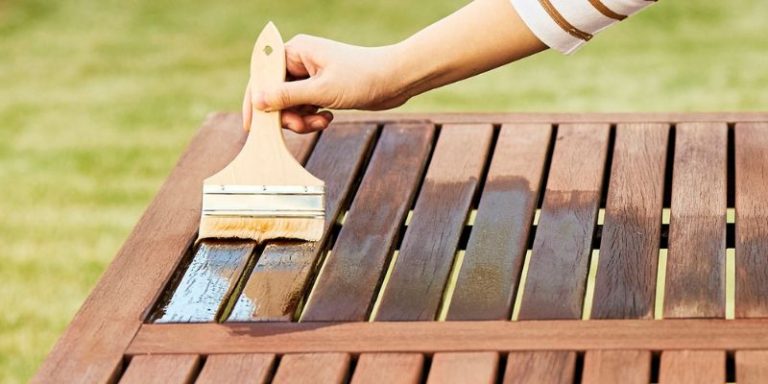
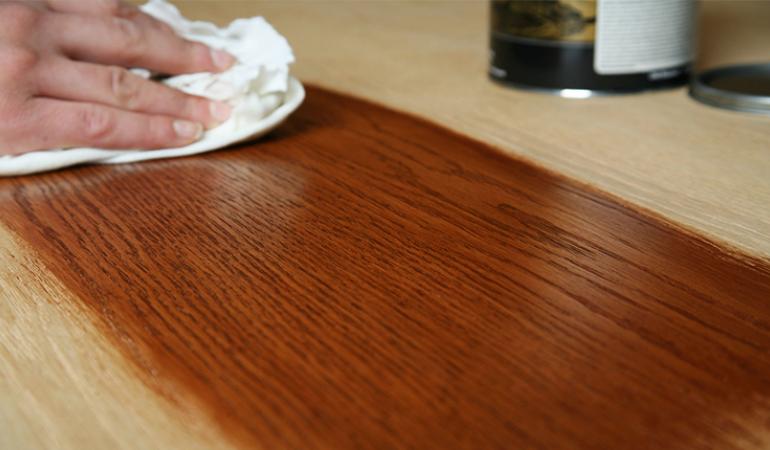
Apply wiping stains with a cloth or brush. Rub it gently on the wood. Wait a few minutes. Then wipe off the excess. This method is simple. It lets you control the color. You can make it lighter or darker. Easy for beginners to use.
Pros:Wiping stains are easy to use. They offer bright colors. Perfect for hiding flaws. Great for older wood.
Cons:They might cover the wood grain. Less natural look. They don’t protect the wood deeply. Need a finish coat for protection.
Penetrating Stain Essentials
Penetrating stains seep deep into wood. They contain solvents and dyes. Solvents help the stain go deep. Dyes give color. These stains show natural wood grain. They don’t form a film on top. Oil-based stains are common. They dry slowly but penetrate well. Water-based stains dry faster. They are less smelly and clean easily. Choose based on need and preference.
Start with clean, dry wood. Use a brush or cloth. Apply evenly. Wipe excess stain quickly. Let it soak for minutes. Time affects color depth. Use gloves for safety. Ensure good airflow. Ventilation helps dry faster. Check for missed spots. Apply second coat if needed. Follow instructions on the label. Read them carefully.
Penetrating stains enhance wood. They reveal the natural grain. Durability is a plus. They resist peeling and cracking. Maintenance can be easy. Yet, color options may be limited. Some stains fade over time. Odor is a concern for oil-based stains. Choose wisely considering these aspects. Balance your needs with the features.
Comparing Wiping And Penetrating Stains
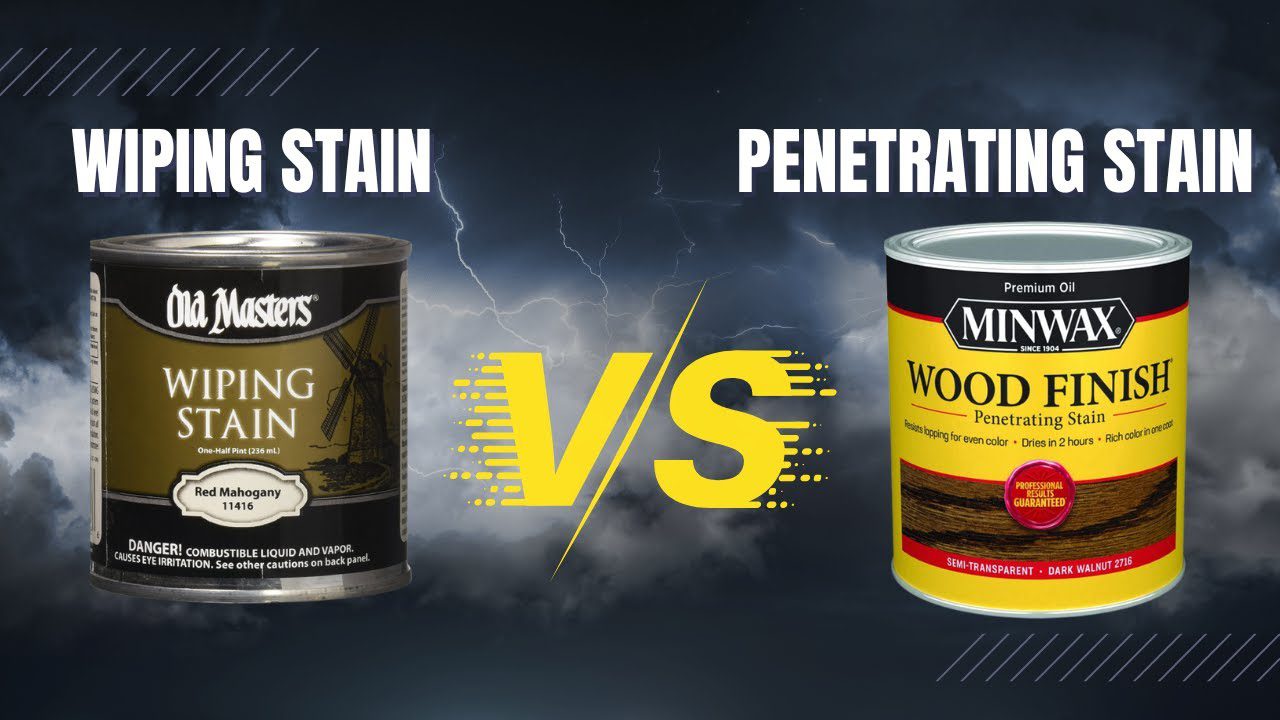
Wiping stains sit on top of wood surfaces. They provide a rich color. Penetrating stains soak into the wood. They offer a natural look. The finish of wiping stains is often glossy. Penetrating stains result in a matte finish. Choose wiping stains for bold colors. Use penetrating stains for a subtle appearance.
Wiping stains are less durable than penetrating stains. They can wear off easily. Penetrating stains last longer. They protect the wood from inside out. Choose penetrating stains for outdoor projects. Wiping stains are good for indoor use. They need more frequent touch-ups.
Wiping stains work well on hardwood. They enhance the wood grain. Penetrating stains are best for softwood. They soak deep into the wood. Hardwoods can handle both types. Softwoods absorb penetrating stains better. Choose based on the wood type for best results.
Credit: myoldmasters.com
Choosing The Right Stain For Your Project
Choosing the right stain depends on your project goals. Wiping stains sit on the surface. They offer a rich finish. Penetrating stains go deep into the wood. They provide a natural look. Think about the final look you want. Decide based on your style.
Some stains are friendlier to nature. Penetrating stains often have fewer chemicals. This makes them a better choice for the environment. Wiping stains may release more fumes. Always check the product label. Choose wisely to protect nature.
Staining can take time and money. Wiping stains are usually quicker to apply. They might cost more, though. Penetrating stains need more time. They often cost less. Match your choice with your budget and time.
Application Tips And Tricks
Start by cleaning the wood. Use a damp cloth to remove dust. Sand the surface gently. Use fine-grit sandpaper for smoothness. Check for any rough spots. Sand them again until smooth. Properly prepared wood holds stain better.
- Fine-grit sandpaper
- Damp cloth
- Wood stain
- Brush or rag
- Protective gloves
Skipping the sanding step is a big mistake. It leads to uneven stain. Not wearing gloves can stain hands. Applying stain too thick can cause blotches. Always test stain on a small area first. This ensures the desired color.

Credit: oldvillagepaint.wordpress.com
Maintenance And Care
Regular cleaning keeps your wood looking fresh. Use a soft cloth to wipe dust. Avoid using harsh chemicals. They can harm the wood. A gentle soap with water works well. Dry with a clean towel after cleaning. This helps in preserving the stain.
Refinishing gives wood new life. Sand the surface gently first. Apply a fresh coat of stain. Wait for it to dry. Add a clear coat to protect it. For touch-ups, use a matching stain marker. This covers small scratches and keeps wood looking great.
Expert Recommendations
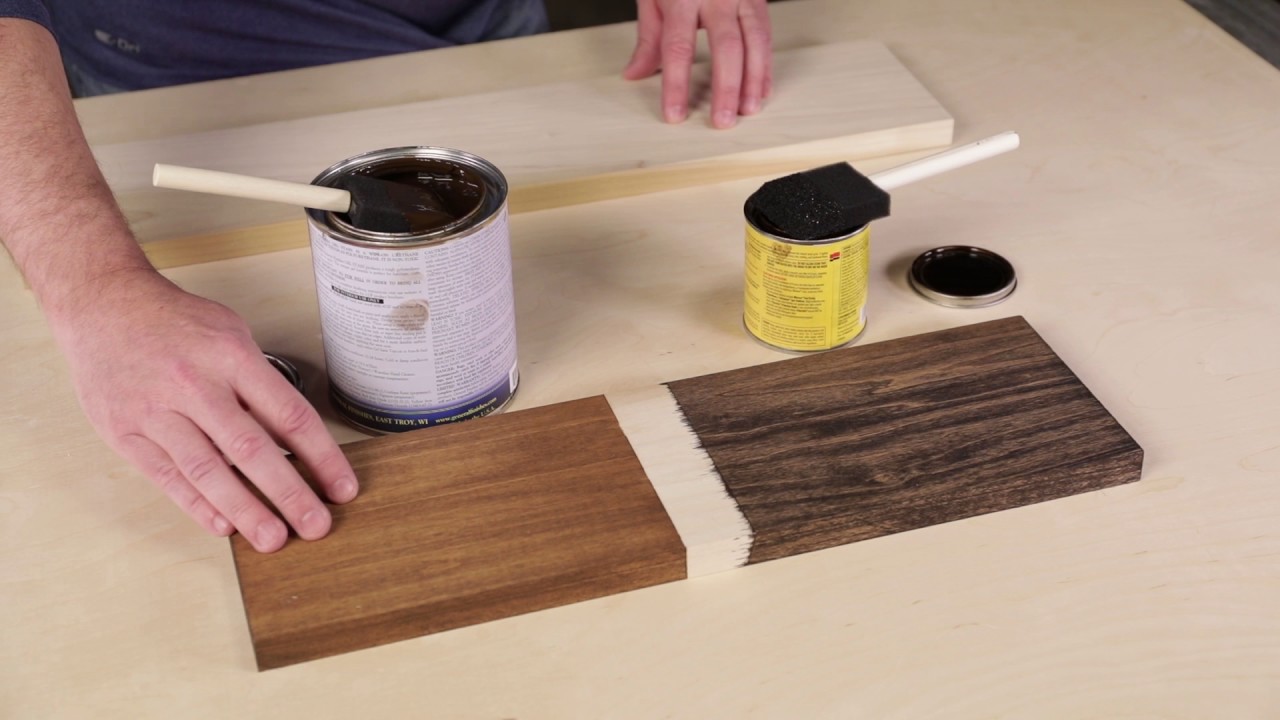
Wiping stainssit on the surface. They are easy to apply. They dry quickly. Great for beginners. Penetrating stainssoak into wood. They last longer. They show natural wood grain. Experts prefer penetrating stains for deep color. Both have unique properties. Choosing depends on project needs.
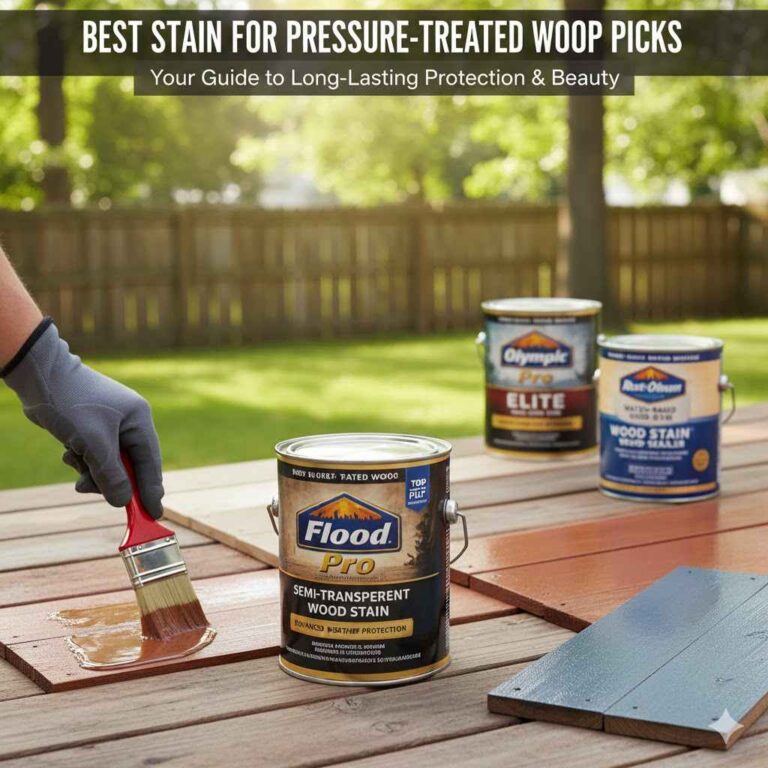
| Brand | Product | Type |
|---|---|---|
| Minwax | Wood Finish | Penetrating |
| General Finishes | Gel Stain | Wiping |
| Rust-Oleum | Ultimate Wood Stain | Penetrating |
| Varathane | Premium Fast Dry | Wiping |
These brands are trusted. They offer quality products. Easy to use. Perfect for DIY projects.
Credit: www.youtube.com
Frequently Asked Questions
What Is The Difference Between Wiping And Penetrating Stain?
Wiping stain sits on the wood’s surface, creating a uniform look. Penetrating stain absorbs into the wood, highlighting its grain. Wiping stains are ideal for achieving a consistent color, while penetrating stains enhance natural textures. Each type suits different wood types and desired finishes.
Which Stain Is Better For Outdoor Furniture?
Penetrating stains are better for outdoor furniture as they absorb into the wood. This absorption offers better protection against weather elements. They also resist peeling and flaking, ensuring durability. Wiping stains can be used indoors due to their less resilient nature against outdoor conditions.
Can You Mix Wiping And Penetrating Stains?
It’s not recommended to mix wiping and penetrating stains. They have different formulations and application methods. Mixing them can lead to unpredictable results. Each stain type is designed for specific finishes and effects. It’s best to use them individually to achieve the desired look.
How Long Do Wiping And Penetrating Stains Last?
Penetrating stains usually last longer due to their absorption into the wood. They provide better protection against wear and elements. Wiping stains, being surface-level, may require more frequent reapplication. The longevity of both depends on environmental factors and maintenance.
Conclusion
Choosing between wiping and penetrating stains depends on your project’s needs. Wiping stains offer surface color, great for quick jobs. Penetrating stains absorb deeply, providing long-lasting protection. Consider the wood type and desired finish. Both stains have unique benefits. Assess your goals and the environment.
Proper application ensures beautiful results. Experiment with samples before deciding. Each stain type brings its own charm to wood projects. Understanding the differences makes selection easier. Bring out the best in your woodwork. Enjoy the process, and let creativity guide your choice.