Wood Burning Stove Vs Fireplace: Which Heats Best?
Are you dreaming of cozy winter nights, snuggled up by the warmth of a crackling fire? You’ve probably found yourself torn between choosing a wood burning stove or a traditional fireplace.
Each offers its own unique charm and advantages, but which one is right for you? Imagine the soothing sound of wood crackling in a stove, or the timeless allure of a fireplace’s open flames. Your choice could transform your living space, creating an inviting atmosphere that embraces you in comfort.
You’ll discover everything you need to know to make an informed decision. Get ready to explore the benefits, aesthetics, and practicalities that will help you find the perfect match for your home.
Heat Efficiency
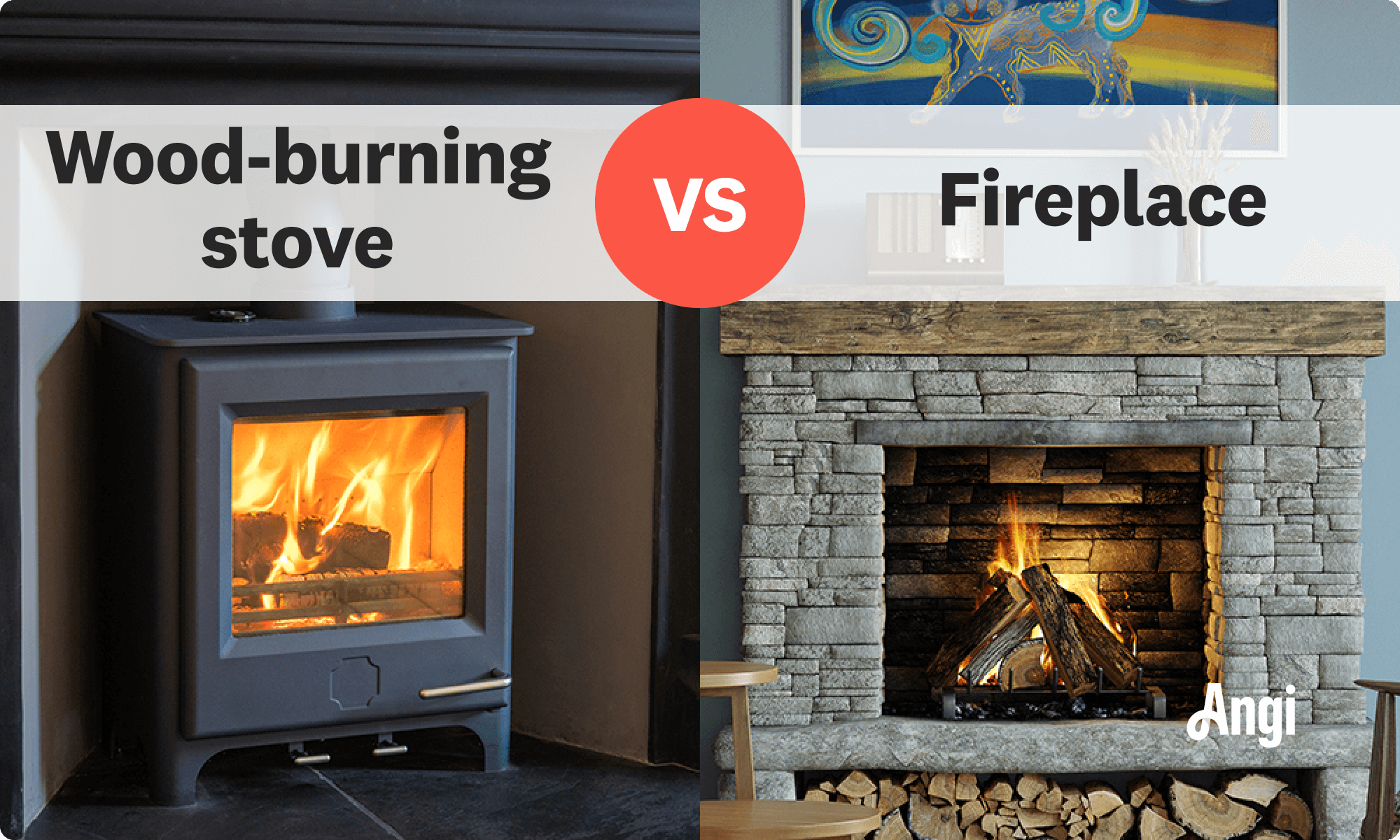
Wood burning stoves use less wood than fireplaces. They burn wood slowly and efficiently. Fireplaces need more wood. They burn wood quickly. This means more trips to the woodpile. Stoves produce more heat from less wood. Fireplaces lose heat up the chimney. Stoves are better for saving wood. Less wood means saving money.
Stoves spread heat well. They warm up the whole room. Fireplaces heat mostly one spot. Stoves keep rooms cozy and warm. Fireplaces can leave parts of the room cold. Stoves have a closed design. This helps them heat better. Fireplaces are open, so heat escapes. Stoves are more efficient for heating homes.
Installation Requirements
Wood burning stoves need a chimney or flue for proper smoke ventilation. Fireplaces require a hearth and mantel space. Both options demand careful consideration of room size and construction materials.
Space And Location
Choosing between a wood burning stoveand a fireplaceneeds careful thought. Wood stoves fit in small spaces. Fireplaces need a large area. Wood stoves can sit in a corner. Fireplaces need a wall. Stoves work in tight spots. Fireplaces take more room. Think about where it will go.
Cost Considerations
Installing a wood burning stovecan be cheaper. Fireplaces often cost more. Stoves need a chimney or pipe. Fireplaces need full chimneys. Stoves might save money. Fireplaces can be pricey. Count the costs. Think about your budget. Both need regular care. This costs money too.
Environmental Impact
Wood burning stoves and fireplaces both produce smoke. This smoke can harm the air. Stoves are better at burning wood fully. They emit less smoke than fireplaces. Fireplaces can release more pollutants into the air. This can affect our health. It is important to choose wisely. Our air needs protection.
Using wood is a renewable choice. Trees grow back over time. This makes wood sustainable. But burning wood adds carbon to the air. Carbon can warm our planet. Choosing efficient stoves helps. They use less wood. This means fewer trees are cut. It is key to protect our forests.
Credit: www.angi.com
Maintenance And Durability
Wood burning stoves need regular cleaning. Ash removal is important. You should clean the chimney often. This prevents blockages and smoke problems. Fireplaces need less cleaning. But ash should be removed too. Clean the flue regularly. It helps smoke go outside.
Wood burning stoves last long. Durable materials make them strong. They can last 20 to 30 years. Fireplaces are also long-lasting. But they might need repairs. Bricks and mortar can crack. Regular checks are important. Both options need care for a long life.
Aesthetic Appeal
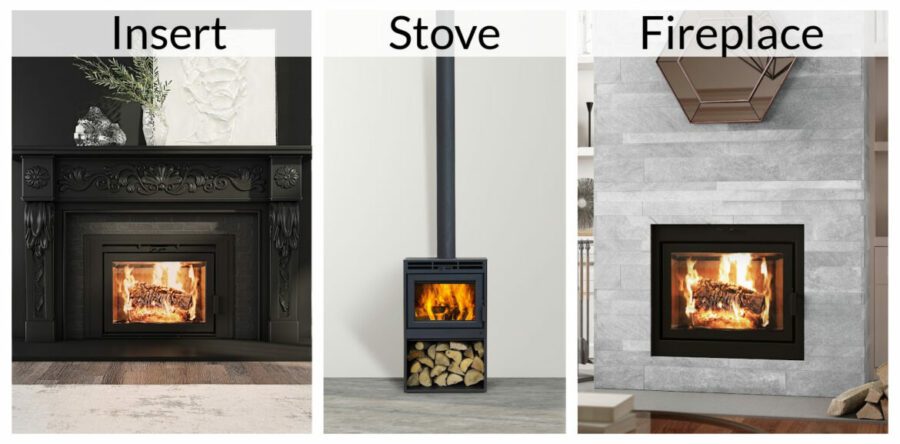
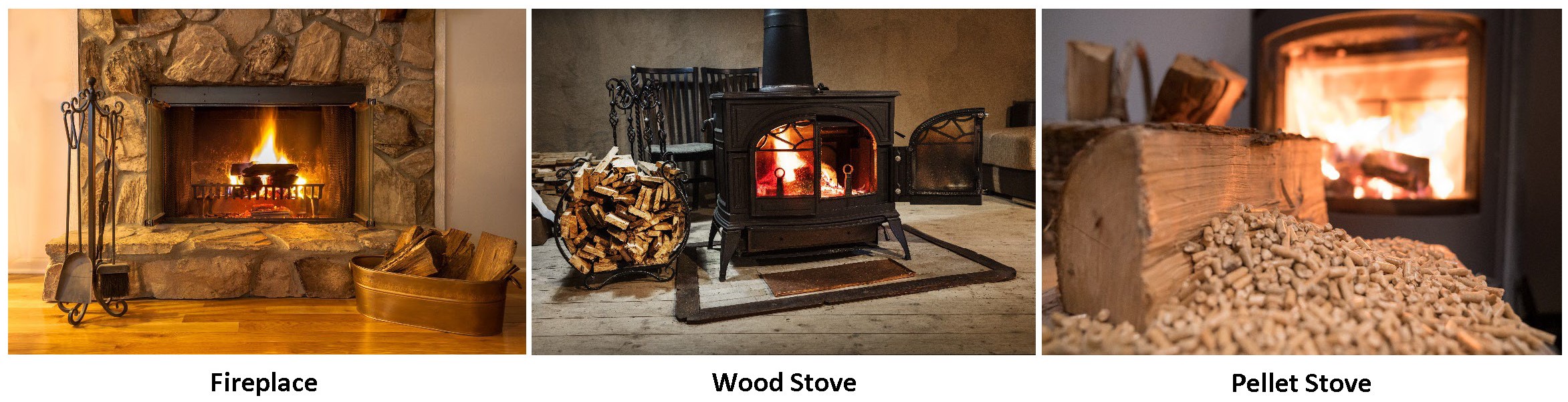
Wood burning stoves offer sleek designs. Many come in modern styles. Some have traditional looks. Fireplaces have classic charm. They fit well in grand rooms. Stoves can be compact. They suit small spaces. Fireplaces often need more room. Choose based on your space.
Fireplaces create warm feelings. Crackling sounds make homes cozy. Flames dance beautifully. Stoves offer focused heat. They warm rooms quickly. Both add a nice glow. Imagine cold nights. Enjoy the warmth. Both options delight senses.

Credit: www.highschimney.com
Safety Concerns
Both wood stoves and fireplaces can be dangerous. Wood stoves can get very hot. This can cause burns. Fireplaces can have sparks that fly out. This can start a fire. Always keep a safe distance from them. Make sure children and pets stay away. Use a screen or guard for extra safety.
Good air flow is important for both. Wood stoves need a chimney or vent. This takes away smoke and gases. Fireplaces also need a chimney. Proper ventilation keeps the air clean. It also prevents smoke from filling the room. Always check that vents and chimneys are clear. This helps everyone breathe easier and stay safe.
Cost Efficiency
A wood burning stoveusually costs less than a fireplace. Stoves have a simple design. They need less material and work to set up. Fireplaces often need special bricks or stones. This makes them more expensive. Stoves are also smaller. This can save money on space. Both options need a chimney. But a fireplace chimney might need more care. Consider the cost of installationand materials. Stoves can be a cheaper choice.
Wood burning stoves use less wood. This means lower wood costs. Stoves give off more heat. So, homes stay warm longer. Fireplaces may need more wood to keep the house warm. A stove’s heat is also more even. This can save on heating bills. Over time, stoves can help save money. They are often a better choice for those who need to save.
Credit: www.nnph.org
Frequently Asked Questions
What Are The Benefits Of A Wood-burning Stove?
Wood-burning stoves are highly efficient, providing excellent heat output and energy savings. They offer a cozy ambiance and can be a sustainable option. These stoves often feature advanced technology, such as air wash systems, keeping the glass clean for better visibility of flames.
Additionally, they can be a stylish focal point in any room.
Is A Fireplace More Eco-friendly Than A Stove?
Fireplaces can be less eco-friendly compared to modern wood-burning stoves. Stoves are designed to burn wood more efficiently, reducing emissions and using less fuel. Traditional fireplaces often lose heat through the chimney and produce more smoke. Choosing a stove with certified eco-friendly features can minimize environmental impact significantly.
Which Heats A Room Faster: Stove Or Fireplace?
Wood-burning stoves generally heat a room faster than fireplaces. They are designed to maximize heat output and efficiency. Stoves distribute heat evenly, quickly warming up the space. Fireplaces may take longer due to heat loss through the chimney. For immediate warmth, stoves are often the preferred choice.
Are Wood-burning Stoves Safer Than Fireplaces?
Wood-burning stoves are considered safer due to their enclosed design, which minimizes the risk of stray sparks. They often include safety features like temperature controls and automatic shutoffs. Fireplaces, especially open ones, can pose risks like flying embers. Regular maintenance and proper installation enhance safety for both options.
Conclusion
Choosing between a wood-burning stove and a fireplace depends on your needs. Consider your home’s style and your heating preferences. Wood stoves offer efficient heating with less wood. Fireplaces provide a cozy atmosphere with a traditional look. Think about installation and maintenance costs.
Safety is crucial; ensure proper ventilation for both options. Both choices can enhance your home’s charm. Evaluate your lifestyle and energy needs. Make the decision that fits your home best. Enjoy the warmth and comfort either option brings.