Wood Filler Vs Spackle: Which Is Best for Repairs?
Ever faced a tiny hole or crack in your wooden furniture or walls and wondered whether to grab wood filler or spackle? You’re not alone.
Choosing the right product can be confusing and, if done wrong, might lead to more repairs down the line. But don’t worry—knowing the difference between wood filler and spackle is simpler than you might think, and it can save you time, money, and frustration.
You’ll discover exactly when to use each product, ensuring your repairs are seamless and long-lasting. Keep reading, and transform your DIY projects from daunting to doable with ease.
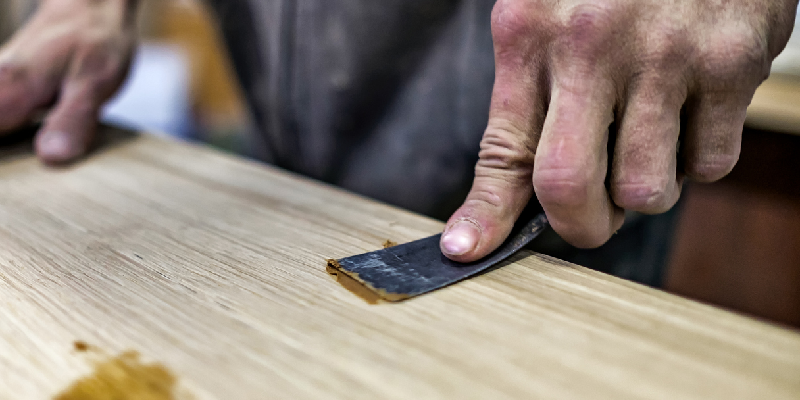
Credit: www.cncmasters.com
Wood Filler Basics
Wood filler is a mixture made for fixing holes in wood. It often contains sawdust mixed with binder. This binder is usually latex or epoxy. Sawdust helps wood filler match the wood color. Some fillers have wood fibers. These fibers give strength. Some fillers are water-based. Others are solvent-based. Water-based fillers are easy to clean. Solvent-based fillers are stronger. They last longer.
Wood filler is used to repair holes in wood. It fills cracks and gaps. It helps when wood is damaged. People use it on furniture and floors. It is good for both indoor and outdoor repairs. Wood filler makes surfaces smooth. It is easy to sand. After sanding, you can paint or stain the wood. Wood filler is a handy tool for fixing wood.
Spackle Essentials
Spackle is a paste used to fix walls. It is made of gypsum, binders, and additives. These ingredients make it easy to apply. There are two main types: lightweight and vinyl. Lightweight spackle is easy to sand. It is perfect for small holes and cracks. Vinyl spackle is stronger. It is used for larger repairs. Both types dry quickly and are paintable.
Spackle is used to repair walls and ceilings. It fills holes, cracks, and dents. Use a putty knife to apply it. Spread it smoothly over the area. Let it dry before sanding. This makes surfaces smooth and ready for paint. Spackle is great for fixing drywall and plaster. It is an essential tool in home repairs.
Comparing Wood Filler And Spackle
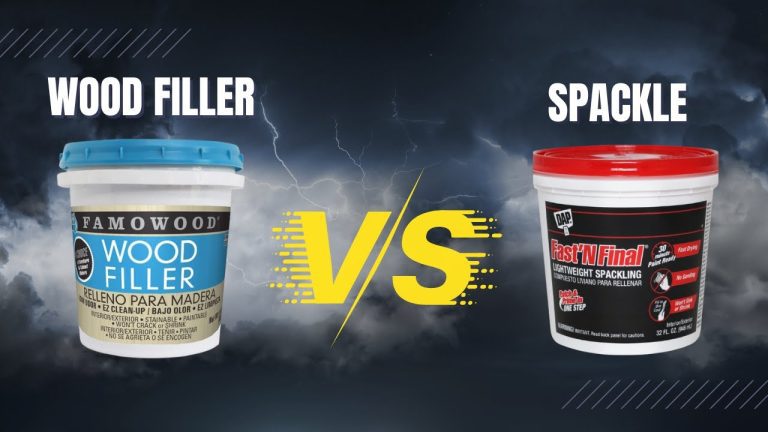
Wood filler is very strong. It can handle heavy use. It’s great for wood surfaces. Spackle is less strong. It’s best for walls. It is not suited for floors or furniture. Spackle fills small holes and cracks. Wood filler is better for deep gaps. Choose based on your needs.
Wood filler is thick. It’s hard to spread. You need tools to use it. Spackle is soft. It’s easy to apply with a knife. Both need a smooth finish. Sanding helps. Spackle is faster to apply. Wood filler takes more time.
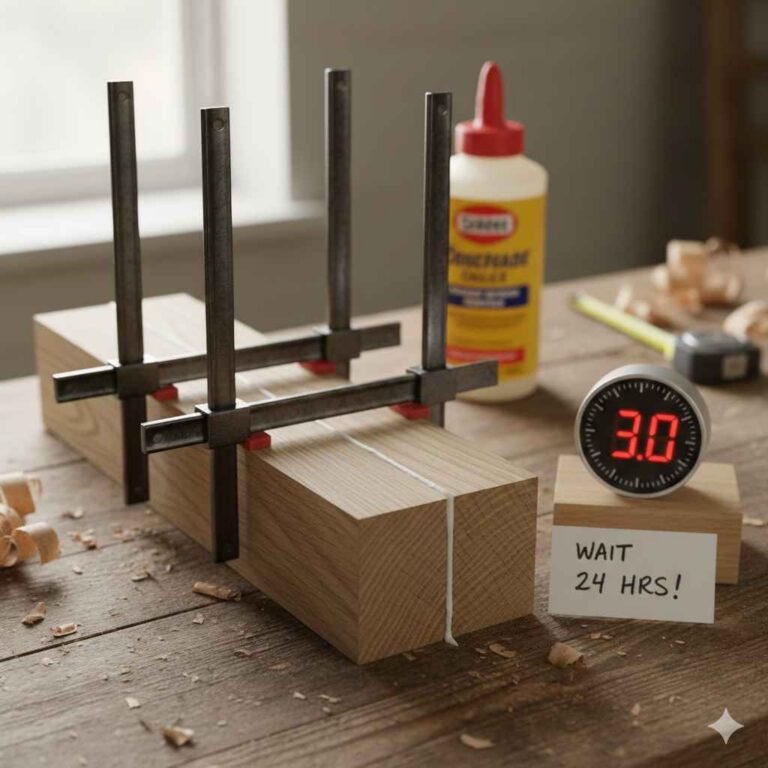
Wood filler takes longer to dry. It can take hours. Spackle dries quickly. Sometimes in minutes. Drying time affects your project. Be patient with wood filler. Speed is a bonus with spackle. Plan your work around drying times.
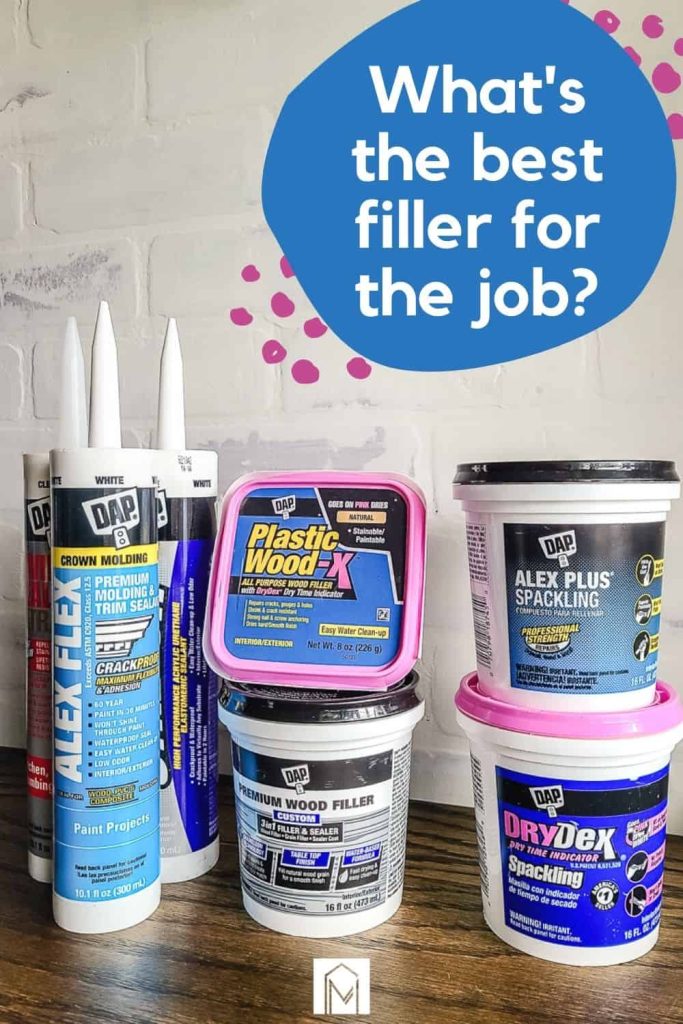
Credit: www.makingmanzanita.com
Best Uses For Wood Filler
Wood filler is great for fixing damaged wooden surfaces. It is used to fill gaps and cracks in wood. This helps to make the surface smooth. The filler is easy to apply. It dries quickly and can be sanded. It is perfect for indoor wooden repairs. It makes old furniture look new again. Wood filler works well on tables, chairs, and doors.
Wood filler is ideal for outdoor wooden repairstoo. It is weather-resistant. It withstands rain and sunlight. Use it on decks, fences, and wooden benches. It helps to keep outdoor wood strong. It stops water from entering wood. This prevents rot and damage. Always choose the right type for outdoor use.
Ideal Scenarios For Spackle
Spackle is great for repairing small holes in drywall. It dries fast, so you can paint soon. Use it for tiny cracks in plaster. It’s easy to sand smooth. This makes walls look like new.
Spackle is perfect for indoor projects. It’s not good for outdoor use. Weather can ruin the repair outside. This material is best for inside the house. It works well in living rooms and bedrooms.
Remember, spackle is for small repairs. Large holes need something stronger. Use spackle for quick fixes. It’s handy and simple to use. Keep some in your toolbox.
Cost And Availability
Wood fillers are usually cheaper than spackle. Small wood filler packs cost around $5 to $10. Spackle can cost more, usually $10 to $15 for a small tub. Wood filler is budget-friendly for small projects. Spackle might be better for larger repairs.
You can find wood filler and spackle in many stores. Home improvement stores like Lowe’s and Home Depot have them. Local hardware stores also sell these products. Online shopping is a good option too. Amazon and eBay offer a wide range. Buying online can be convenient and easy.
Environmental Considerations
Wood filler can be made from natural materials. This is better for the environment. Some brands offer biodegradable wood fillers. These break down easily and do not harm nature. Spackle can also be eco-friendly. Choose ones with low VOCs. VOCs are chemicals that can harm the air. Water-based spackle is often safer. It is less harmful to the environment. Both choices have green options. Look for labels that say eco-friendly or natural.
Use wood filler in well-ventilated areas. This helps keep the air clean. Some fillers have strong smells. Avoid breathing them too much. Spackle should also be used safely. Wear gloves to protect your skin. Wash hands after using spackle or filler. Read labels for safety tips. This helps keep you safe. Store products away from children. Safety first!
Choosing The Right Product
Wood filler and spackle are both used to fix surfaces. But they are not the same. Wood filler is best for wood surfaces. It fills holes and cracks. Spackle is good for walls. It covers small dents and holes.
Think about the surface type. Also, how big is the hole? For wood, use wood filler. For walls, use spackle. Check drying time too. Some dry fast. Others take longer. Color is important. Pick a color that matches your surface.
Experts say to use the right product for the job. Ask a store helper if unsure. They can give good advice. Always read the instructions. This helps you do the job well. Keep tools clean for best results.
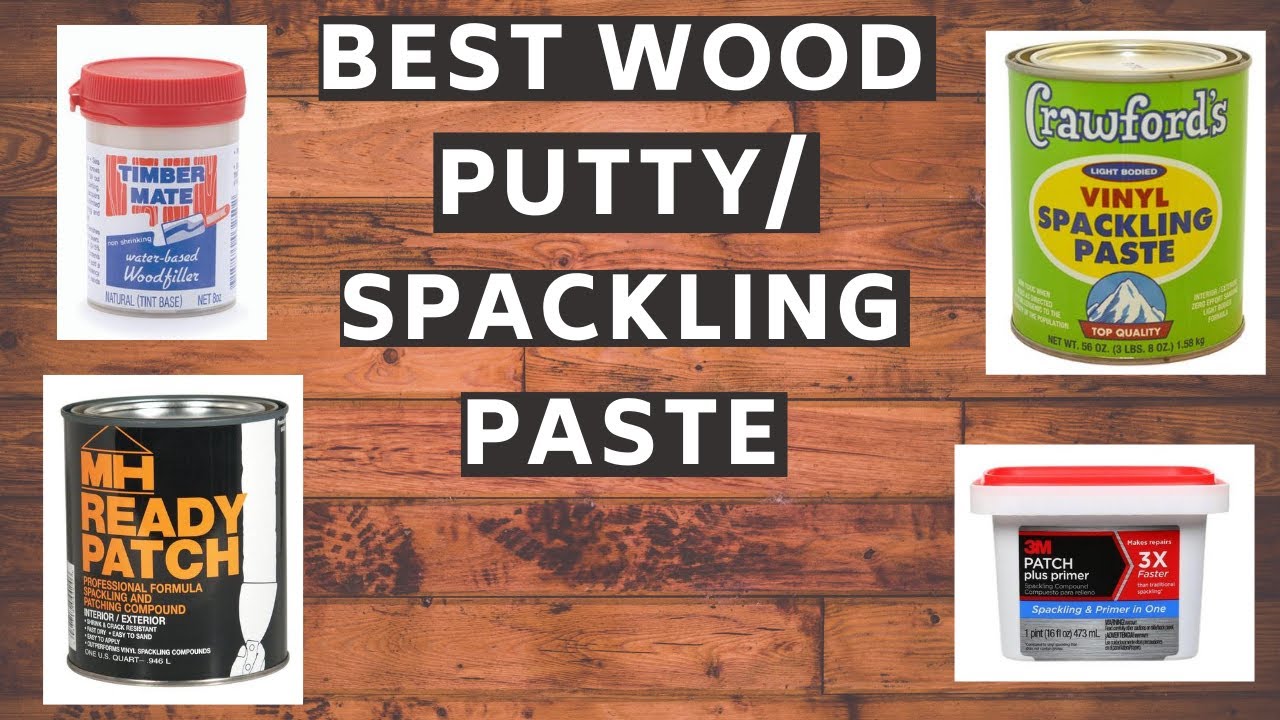
Credit: www.youtube.com
Frequently Asked Questions
What Is Wood Filler Used For?
Wood filler is used to repair holes, cracks, and imperfections in wood surfaces. It’s ideal for filling gaps in wooden furniture, floors, and other wooden structures. Once applied and dried, it can be sanded, stained, or painted to match the surrounding wood.
Can Spackle Be Used On Wood?
Yes, spackle can be used on wood, but it’s not ideal for large areas. Spackle is designed for drywall repairs and smaller surface imperfections. For wood, it’s best for minor dents or scratches. For larger repairs, wood filler is more suitable.
How Do Wood Filler And Spackle Differ?
Wood filler and spackle differ in composition and use. Wood filler is thicker and designed for wood surfaces. Spackle is lighter and used primarily on drywall. Wood filler is better for larger repairs on wood, while spackle is suited for small wall repairs.
Is Wood Filler Stronger Than Spackle?
Yes, wood filler is generally stronger than spackle. It is designed to bond with wood surfaces and withstand sanding, staining, and painting. Spackle is lighter and more suitable for drywall repairs, not offering the same durability on wood.
Conclusion
Choosing between wood filler and spackle can be simple. Consider your project’s needs. Wood filler works well for wood repairs. Spackle fits drywall fixes perfectly. Each has its own strengths. Wood filler fills gaps in wood. Spackle smooths out wall surfaces.
Both products deliver good results. Think about the surface you’re fixing. Wood or wall? Make the choice based on the surface type. Keep the finish in mind too. Both can be painted or stained. Your project deserves the right product.
Choose wisely for a great finish.