Wood Putty Vs Spackle: The Ultimate DIY Showdown
Have you ever stood in the paint aisle, staring at rows of wood putty and spackle, wondering which one you need for your project? You’re not alone.
Choosing between wood putty and spackle can feel like a daunting task, especially when you’re determined to get your DIY project just right. Whether you’re looking to fill holes, cracks, or smooth out surfaces, understanding the differences between these two products can save you time and frustration.
In this guide, we’ll break down the key differences, benefits, and ideal uses of wood putty and spackle. By the end, you’ll have the confidence to choose the right product for your next home improvement task. Ready to become a DIY pro? Let’s dive in!
Wood Putty Basics
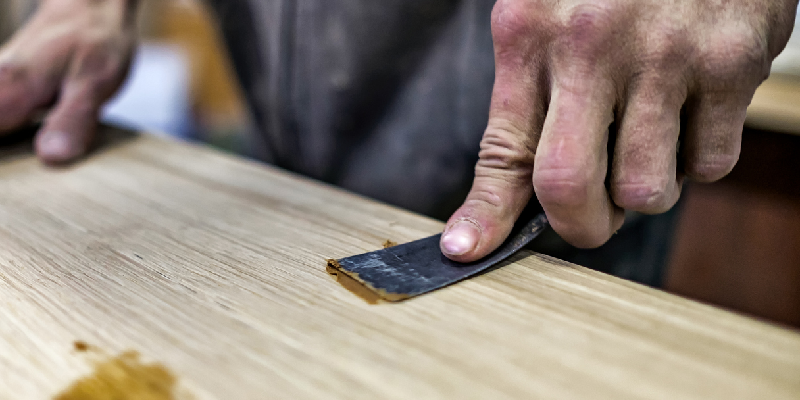
Wood putty is a thick paste. It’s made from fine wood particles and oil-based materials. It stays flexible after drying. This means it can expand and contract with wood. Wood putty is best for outdoor use. It resists moisture and won’t crack easily. The colors match different wood types. So it blends well. It’s not for unfinished wood. It needs a sealed surface.
Wood putty is great for filling gaps. It hides nail holes and cracks in finished wood. It’s used in furniture repairs. Also, it fixes floor imperfections. Woodworkers use it to smooth surfaces. This makes wood look neat and tidy. It’s handy for outdoor projects like decks. It withstands weather changes. Wood putty works well with painted wood.
Credit: www.cncmasters.com
Spackle Basics
Wood putty and spackle serve different purposes. Wood putty fills gaps in wood, staying flexible. Spackle repairs small wall holes, drying quickly. Understanding their uses ensures proper repair results.
Composition And Characteristics
Spackle is a white paste. It is used to fix walls. Made from gypsum powder and glue. It dries fast and hard. Easy to sand for a smooth finish. Ideal for small holes and cracks. Not good for big repairs. Spackle is lightweight. Comes in small tubs or tubes. Easy to carry and store.
Common Uses In Drywall Repair
Spackle fills nail holes and dents. It works on drywall and plaster. Fixes small cracks in walls. Great for quick touch-ups. Use a putty knife to apply. Spread it thin and even. Sand when dry for a clean look. Paint over it for a perfect finish. Keep it handy for easy repairs.
Comparing Application Techniques
Wood putty is a bit tricky to use. It’s sticky and can be messy. Spackle is more user-friendly. It spreads smoothly and is easy to handle. Kids can even use it with care. Clean hands are a must for both. Tools needed are simple. A small knife or a spatula works fine. No special skills required, just patience.
Wood putty takes time to dry. You might need to wait a day. Spackle dries much faster. In a few hours, it’s ready. This makes spackle a favorite for quick fixes. Drying time can vary, so check the package. A warm room can help speed up drying.
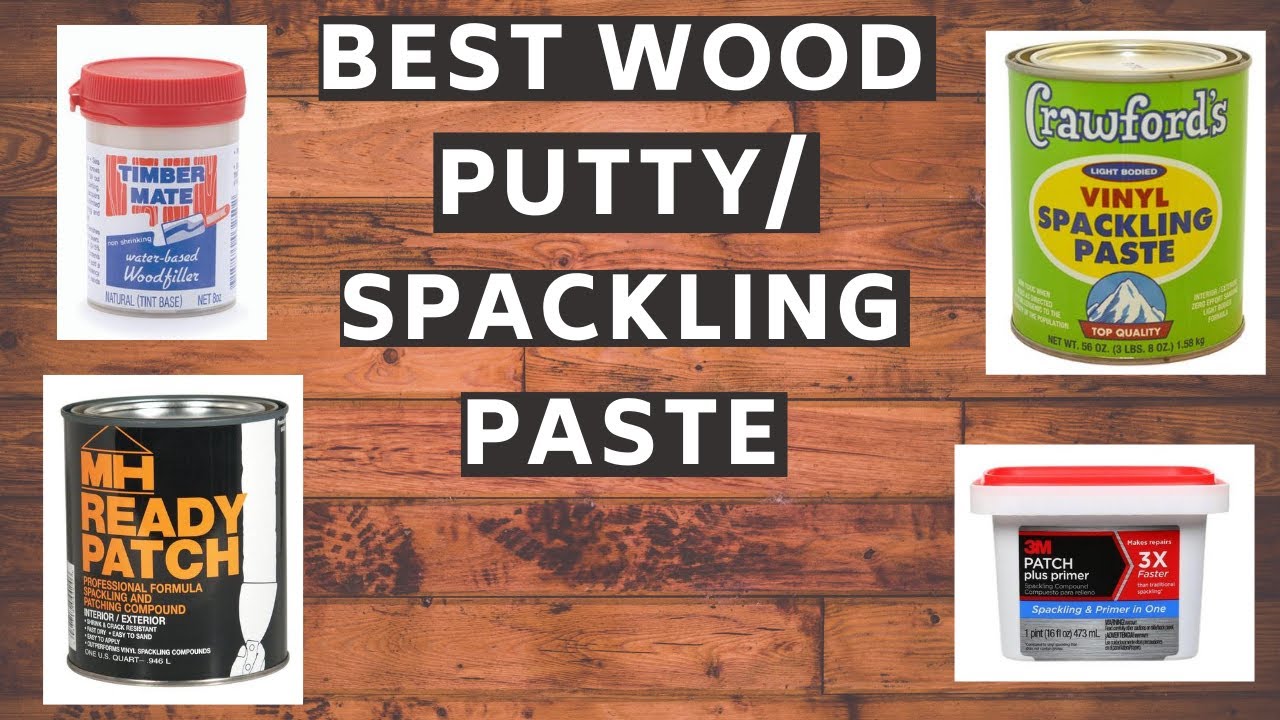
Credit: www.youtube.com
Durability And Longevity
Wood putty is strong. It fills gaps in wood. It resists cracking. Spackleis less strong. It fills holes in walls. It is good for small repairs.
Wood putty handles bad weather well. It lasts long outside. Spackleis for inside use. It is not good in rain. Wood putty stays firm. Spackle may shrink or crack.
Finishing And Aesthetic Considerations
Wood putty comes in various colorsto match wood surfaces. Spackle is usually whiteor off-white. Wood putty can blend better with wood finishes. Spackle may need painting for color match. Choose wood putty for natural woodlook. Use spackle when painting over repairs.
Wood putty often feels smoothand soft. Spackle dries hard and solid. Wood putty can be shaped easily. Spackle is sanded for a flat surface. Wood putty mimics wood grain. Spackle creates a smooth wallfinish. Choose putty for wood repair. Use spackle for wall patches.
Cost And Accessibility
Wood puttyand spacklehave different prices. Wood putty is usually more expensive. Spackle is often cheaper. Prices can change. It depends on the brand and size. A small container costs less. A large container costs more.
Both wood putty and spackle are easy to find. Most hardware stores sell them. They are in the paint section. You can also buy them online. Check the store’s website first. Some stores may not have both. Always ask a store worker for help.
Environmental And Safety Factors
Wood putty and spackle can be non-toxic. Some brands offer formulas with low VOC. VOCs are chemicals that can harm air quality. Choosing low VOC products helps keep the air clean. It’s safe for families and pets. Safety matters in homes. Non-toxic options are better for health. Indoor air stays fresh with these choices.
Both wood putty and spackle can affect air quality. Some products release fumes. Fumes can be harmful to breathe. Open windows during use. This lets fresh air in. Ventilation keeps air healthy. It’s important for kids and adults. Choose products that mention low emissions. Better air means better health.
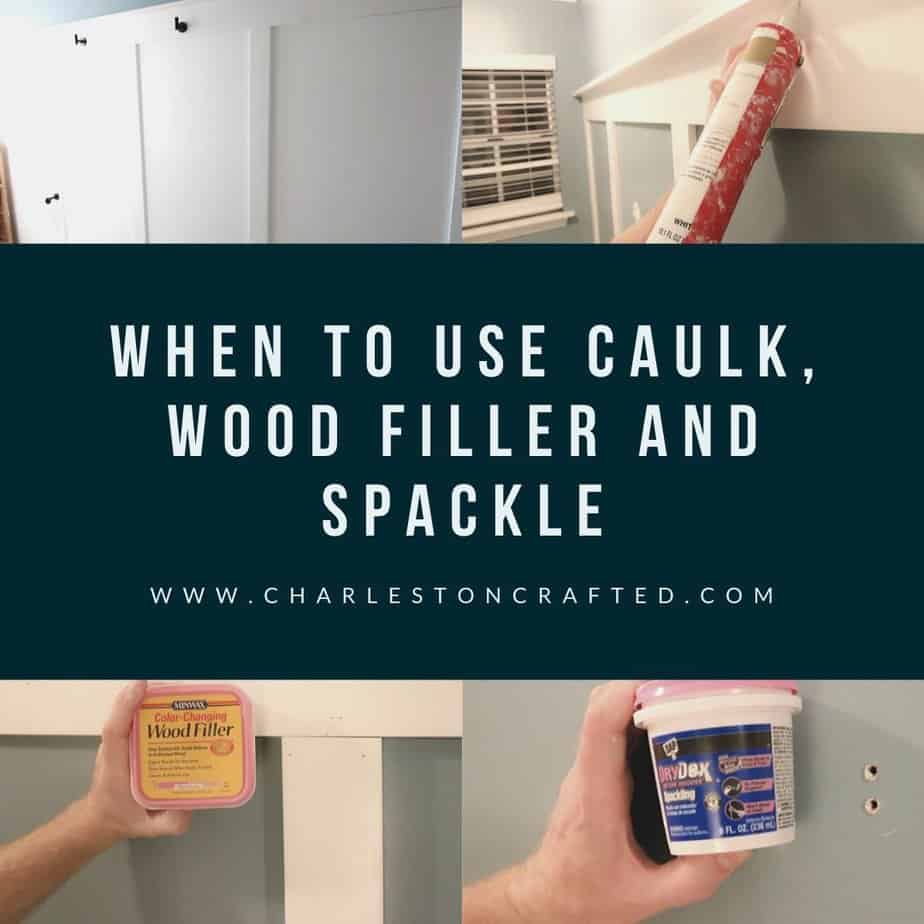
Credit: www.charlestoncrafted.com
Choosing The Right Product For Your Project
Wood putty is best for outdoor use. It can handle bad weather. It is great for fixing wood furniture. Spackle works well for indoor walls. It can fill small holes and cracks. Both have special uses. Pick the right one for your project needs.
Some people prefer wood putty. They like its strong hold on wood. Others like spackle for its easy application. It dries fast and is easy to sand. Trying both might help. You will find what works best for you. Experience is key in choosing the right product.
Frequently Asked Questions
What Is Wood Putty Used For?
Wood putty is used to fill small holes and imperfections in wood surfaces. It’s ideal for interior projects where flexibility isn’t required. It hardens to a smooth finish, making it perfect for minor repairs on furniture and woodwork.
How Does Spackle Differ From Wood Putty?
Spackle is primarily used for repairing drywall and plaster. Unlike wood putty, it dries quickly and sands easily. It’s suitable for interior wall repairs, offering a smooth surface for painting. Spackle is not recommended for use on wood surfaces.
Can You Paint Over Spackle And Wood Putty?
Yes, both spackle and wood putty can be painted over once dry. It’s important to sand the surface smooth before applying paint. This ensures a seamless finish. Primer may be needed for optimal paint adhesion and coverage.
Is Wood Putty Waterproof?
Wood putty is generally not waterproof, but some formulations offer water resistance. For outdoor projects, choose a product labeled as waterproof. Proper sealing and finishing can enhance its durability against moisture.
Conclusion
Choosing between wood putty and spackle depends on your project needs. Wood putty works best for filling holes in wood surfaces. It’s durable and blends well with wood grains. Spackle is ideal for repairing drywall and plaster. It dries quickly and sands smoothly.
Consider the surface type before deciding. Both products have unique benefits. Your project requirements will guide the right choice. Remember to follow instructions for the best results. Happy repairing!