Wood Stain Vs Paint: Ultimate Guide to Perfect Finish
Are you planning to refresh your wooden surfaces but find yourself torn between wood stain and paint? You’re not alone.
Choosing between these two options can feel like standing at a crossroads. The decision isn’t just about aesthetics; it touches on durability, maintenance, and cost-effectiveness. You want your choice to be right the first time, saving you from future headaches and expenses.
This article will guide you through the key differences, benefits, and potential drawbacks of both wood stain and paint. By the end, you’ll have a clear path forward, ensuring your wooden surfaces look stunning and last for years. Ready to make an informed decision? Let’s dive in.
Credit: www.stikwood.com
Key Differences
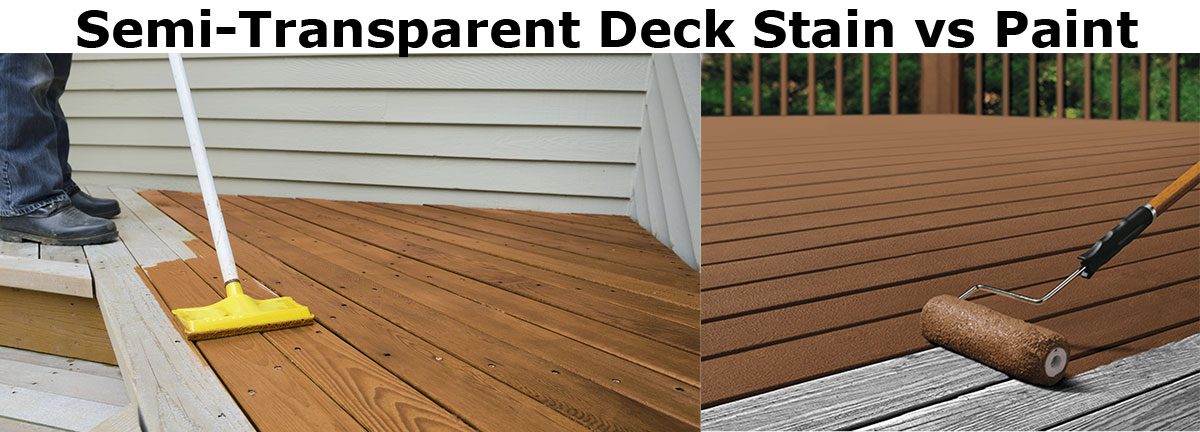
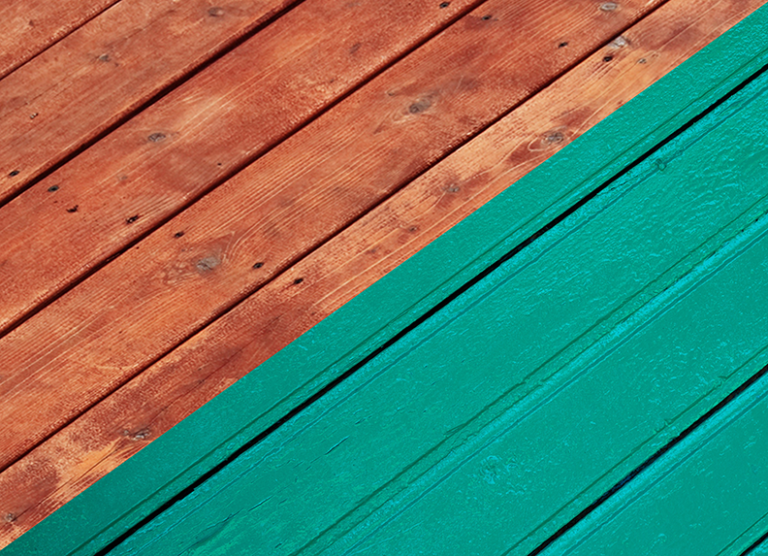
Wood stain soaks into the wood. Paint sits on top of the wood. Stain shows the grain. Paint covers it completely. Stain needs less coats. Paint often needs more coats. Stains are usually cheaper than paint. Paint comes in more colors. Stain is better for outside. Paint is better for inside. Stain can fade in the sun. Paint can peel in bad weather.
Cleanup is different too. Stain cleanup is simple. Paint cleanup can be messy. Time matters. Stain dries faster. Paint takes longer to dry. Touch-ups are easy with stain. Paint touch-ups can be tricky. Feel is different. Stain feels natural. Paint feels smooth.
Credit: friellumber.com
Advantages Of Wood Stain
Wood stain brings out the natural beautyof wood. It shows the wood’s true colors. Paint covers these colors completely. Stain lets the real look shine.
Wood stain highlights the grain patterns. These patterns are unique. Each piece of wood has its own design. Stain makes these designs more visible. The grain looks rich and detailed.
Wood stain offers strong protection against weather. It helps the wood last longer. Paint may peel over time. Stain stays intact and protects well. A good choice for outdoor wood.
Advantages Of Paint
Paint offers a wide range of colors. You can find any shade you like. It’s easy to match with your home decor. This makes painting fun and creative.
Paint protects wood from rainand sunlight. It keeps the wood safe from getting wet. This helps the wood last longer. Paint acts like a shield.
Paint covers the wood surface well. It hides any marks or stains. The wood looks smooth and neat. You get a clean finish with paint.
Disadvantages Of Wood Stain
Wood stain can limit color choices, often requiring frequent reapplication to maintain appearance. It may not protect surfaces as effectively as paint, leaving wood vulnerable to elements.
Limited Color Options
Wood stains offer fewer colors than paint. Most stains come in natural wood tones. This limits creative choices. Paints, on the other hand, have a wide range of colors. Stains are great for those who love the natural look. But not for those wanting vibrant colors.
Maintenance Requirements
Wood stain needs regular care. It can fade over time. Sun, rain, and wind can damage it. Regular sealing helps protect stained wood. This means more work for homeowners. Painted wood can last longer without frequent touch-ups.
Disadvantages Of Paint
Paint hides the wood grain. This can make wood look plain. The unique patterns vanish. Many people love the natural look. Paint covers this beauty. Wood grain adds character. Without it, wood seems flat.
Another problem is the potential for peeling. Paint can peel over time. This happens when paint does not stick well. Weather changes make it worse. Sun, rain, and snow all affect paint. Peeling makes wood look old. It can also be costly to fix. Peeling paint needs scraping and repainting. This takes time and money.

Credit: www.sherwin-williams.com
Application Techniques
Choosing between wood stain and paint involves understanding their application techniques. Wood stain penetrates the surface, enhancing natural grain. Paint sits on top, offering a uniform color and protective layer. Each method requires specific skills for a flawless finish.
Preparing The Surface
Clean the surface with a damp cloth. Remove all dust and dirt. Sand the wood lightly for a smooth finish. Check for any cracks or holes. Fill them with wood filler. Let the filler dry completely. Use a fine-grit sandpaper for final touch. Wipe the surface clean again.
Applying Stain
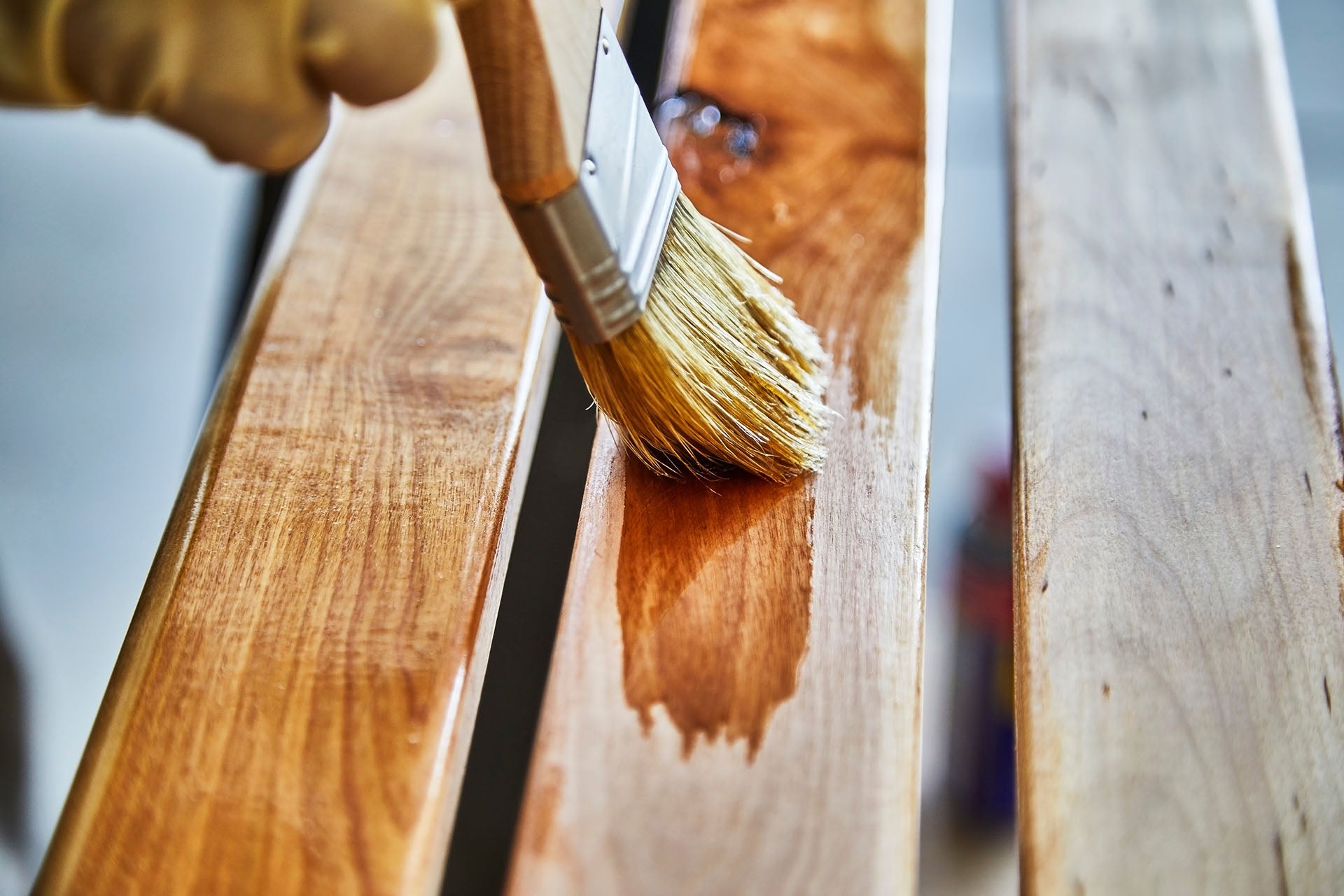
Choose the stain color. Test on a small area first. Use a brush or cloth for application. Apply evenly over the wood. Follow the grain direction. Let the stain soak in for a few minutes. Wipe off excess with a clean cloth. Allow the stain to dry fully. Apply a second coat if needed.
Applying Paint
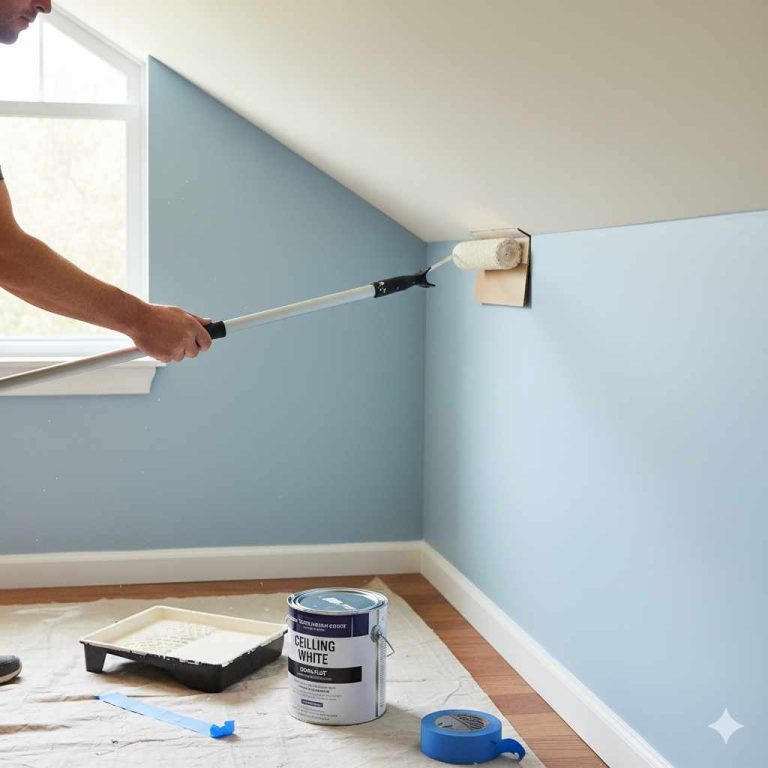
Select the paint color. Use a primer first for best results. Apply paint with a brush or roller. Cover the wood evenly. Paint in thin layers. Let each layer dry before the next. Sand lightly between coats. This ensures smoothness. Finish with a clear topcoat for protection.
Cost Considerations
Wood stainoften costs less than paint. Stain covers more area per gallon. Fewer coats mean less material. Paintmay need multiple coats. This increases the amount of paint needed. Paint also requires primer. Primer adds to costs. Stain does not need primer. Stain is simpler and cheaper for many projects.
Applying stain takes less time. One coat is often enough. Paintneeds several coats. More coats mean more time. Time equals money. Staining is quicker and saves money. Painting requires careful work. Extra work means higher labor costs. Paint jobs can be more expensive. Staining costs less due to simpler application.
Choosing The Right Finish
Wood stain is great for showing natural wood beauty. It lets the wood’s grain shine. Best for indoor furniture or floors. Stain also works outdoors, but needs sealing. Paint is better for outdoor use. It protects wood from rain and sun. It covers the wood fully. Choose paint for fences and sheds.
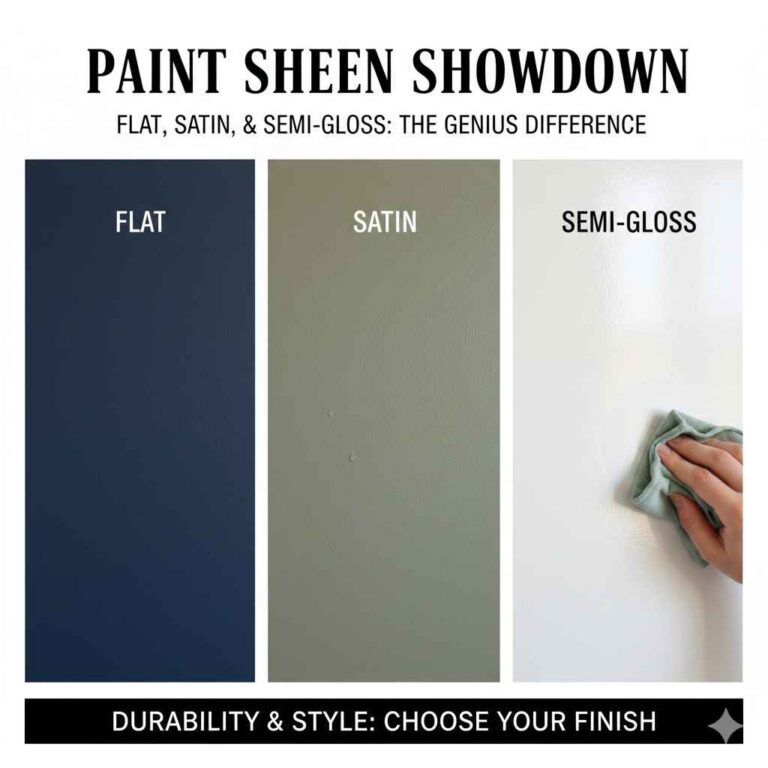
Stain gives a natural look. It keeps wood looking like wood. You can pick a clear or colored stain. Paint offers many colors. You can match any room or style. Paint can make wood look smooth or glossy. Both options have their own charm. Think about what look you want. Then choose stain or paint.
Maintenance Tips
Wood stain and paint need different cleaning ways. Stained wood often requires gentle cleaning. Use a soft cloth with mild soap. Avoid harsh chemicals. They can damage the stain. Painted surfaces might need more care. Dirt can stick easily. Use warm water and mild soap. Rinse well to avoid residue.
Stained wood might need a touch-up every 2-3 years. It depends on sun and rain exposure. Paint lasts longer than stain. Repaint every 5-7 years. Keep an eye on fading or chipping. Fix small issues early. It saves time and effort later.
Frequently Asked Questions
What Is The Difference Between Wood Stain And Paint?
Wood stain penetrates the wood, enhancing its natural grain and providing a translucent finish. Paint, on the other hand, creates a solid color layer on the surface. Stain preserves the wood’s texture, while paint offers a more vibrant and opaque appearance, suitable for hiding imperfections.
Which Lasts Longer: Wood Stain Or Paint?
Paint generally lasts longer than wood stain due to its protective layer. It forms a barrier against moisture and UV rays. Stain may require more frequent reapplications. However, stains allow for easier touch-ups and maintenance, especially in outdoor settings, where natural wear and tear occur.
Is Wood Stain Cheaper Than Paint?
Wood stain is often cheaper than paint due to its simpler formulation. It requires fewer coats to achieve the desired look. Paint includes additional binders and pigments, increasing its cost. However, the total cost depends on the project’s size and the quality of materials used.
Can You Apply Stain Over Painted Wood?
No, you cannot directly apply stain over painted wood. Paint acts as a barrier, preventing stain absorption. To apply stain, you must first remove the paint through sanding or stripping. This ensures the stain penetrates the wood fibers effectively, achieving the desired finish.
Conclusion
Choosing between wood stain and paint depends on your needs. Stain highlights natural beauty. Paint offers a wide range of colors. Consider your project type and desired finish. Stain suits rustic and natural styles. Paint fits modern and vibrant designs.
Both options protect wood surfaces. Maintenance varies between them. Stain requires regular upkeep. Paint lasts longer but chips over time. Always test products on a small area first. Make a choice based on your preference and project requirements. Enjoy transforming your space with either option.
Your creativity is the key to a beautiful result.