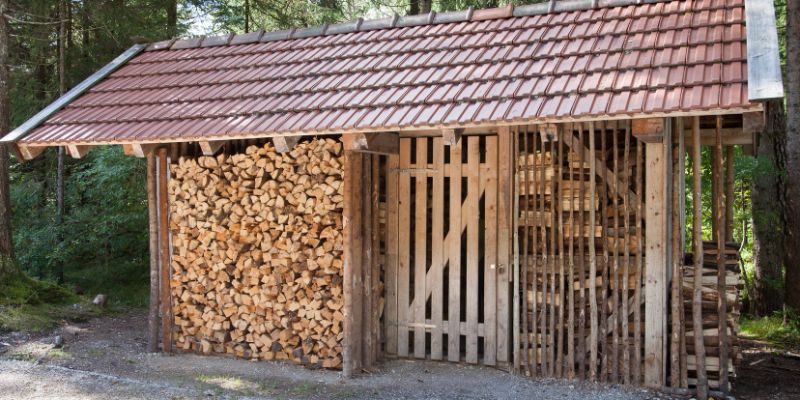
6 Practical Firewood Shed Builds to Try
Keeping your firewood dry, organized, and easily accessible is essential for a cozy fire, whether for heating your home or enjoying a backyard bonfire. A well-designed firewood shed protects your wood from the elements, ensures proper airflow for seasoning, and adds a rustic charm to your property. This article explores six practical firewood shed builds, each offering a balance of functionality, simplicity, and style. Whether you’re a DIY novice or an experienced builder, these designs provide options to suit your needs, budget, and skill level.
1. Lean-To Firewood Shed: Space-Saving Solution
The lean-to firewood shed is one of the easiest and most affordable designs, perfect for those with an existing structure like a garage or fence. By using the structure as a back wall, you save materials and space while creating a sheltered area for your wood.
- Dimensions: Typically 4 feet deep, 8 feet wide, and 6 feet high, adjustable to your space.
- Materials: Pressure-treated lumber, concrete blocks, corrugated metal roofing.
- Key Features: Builds adjacent to the existing structure for airflow, with a sloped roof to shed rain. Elevate wood off the ground using concrete blocks and 2x4s to prevent rot.
- Build Tip: Leave gaps between slats (about 1-2 inches) for ventilation, critical for drying wood. Avoid stacking wood directly against the house to prevent pest issues.
Pro Design Tip: Add a small overhang (12-18 inches) on the front for extra protection from driving rain.
Budget Consideration: Use salvaged materials like old metal roofing or reclaimed wood to cut costs, keeping the project under $200.
2. A-Frame Firewood Shed: Quick and Sturdy
The A-frame design is simple to build and sheds water efficiently, making it ideal for rainy or snowy climates. Starting with a pallet base, this shed uses minimal materials and can be constructed in a day.
- Dimensions: About 4 feet wide, 8 feet long, and 6 feet high at the peak.
- Materials: Pallets, 2x4s, corrugated metal or wood roofing.
- Key Features: Sloped roof prevents water accumulation, open sides allow airflow. Use pressure-treated lumber for durability.
- Build Tip: Secure the structure with diagonal braces for stability, especially in windy areas. Elevate on concrete blocks to keep wood dry.
Pro Design Tip: Paint or stain the wood for a polished look and added weather resistance.
Budget Consideration: Source free pallets from local businesses, reducing material costs to around $50-$100.
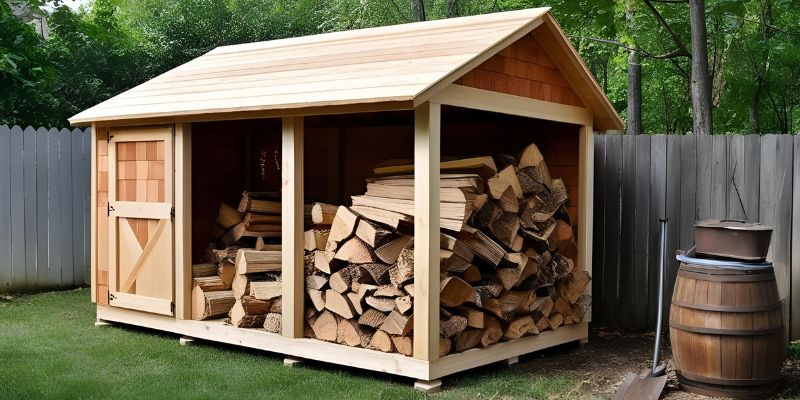
3. Pole Barn-Style Firewood Shed: Maximum Airflow
For those needing ample storage with excellent ventilation, the pole barn-style shed is a great choice. Its open design, supported by posts and a roof, allows air to circulate freely, ensuring wood seasons quickly.
- Dimensions: 4 feet wide, 8 feet long, and 4 feet high, scalable for larger storage (e.g., 1-2 cords).
- Materials: 4×4 posts, 2x4s, metal roofing, gravel or concrete blocks for foundation.
- Key Features: Open walls with posts spaced 8 feet apart, sloped roof for weather protection. Ideal for storing a full cord of wood.
- Build Tip: Use gravel or concrete blocks for the base to ensure drainage and prevent moisture buildup. Space wood rows 2-4 inches apart for airflow.
Pro Design Tip: Add a front overhang of at least 12 inches to shield wood from rain.
Budget Consideration: Opt for secondhand metal roofing and untreated posts if budget is tight, keeping costs around $300.
4. Pallet Firewood Shed: Eco-Friendly and Portable
Using shipping pallets, this portable shed is perfect for those who want flexibility in location or limited budgets. It’s quick to assemble and can be moved with a tractor or forklift.
- Dimensions: 4 feet deep, 8 feet wide, and 5 feet high, adjustable based on pallet size.
- Materials: Three standard pallets, screws, diagonal braces, tarp or metal roofing.
- Key Features: Portable design, slanted roof for drainage, open sides for ventilation. Elevate on blocks to prevent rot.
- Build Tip: Reinforce with diagonal braces to handle rough handling during moves. Use a tarp or cheap metal for roofing if budget is tight.
Pro Design Tip: Stain or paint pallets for a uniform look and added durability.
Budget Consideration: Free pallets and salvaged screws can make this project nearly cost-free, ideal for eco-conscious builders.
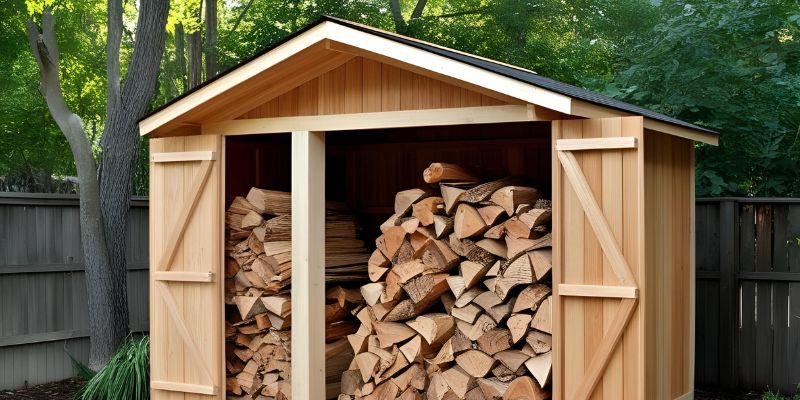
5. Modular Modern Woodshed: Scalable and Stylish
This sleek, modular design can be scaled up or down based on your storage needs, offering a clean, modern look. It’s perfect for those who want a polished appearance while maintaining functionality.
- Dimensions: Typically 4 feet deep, 8 feet wide, and 6 feet high, but adjustable for 1-5 cords.
- Materials: Pressure-treated 2x4s and 4x4s, metal roofing, concrete blocks or gravel base.
- Key Features: Shed roof with overhang, sturdy frame, open sides for airflow. Designed to be built in a weekend.
- Build Tip: Ensure the base is level using concrete blocks or compacted gravel. Add slats or mesh on sides for aesthetics without blocking air.
Pro Design Tip: Paint the frame black or dark grey for a modern contrast against natural wood or stone surroundings.
Budget Consideration: Use leftover lumber from other projects and shop sales at hardware stores to keep costs around $400.
6. Traditional Shed with Slatted Sides: Classic Durability
This traditional design features a solid floor, walk-in access, and slatted sides for ventilation, making it a sturdy, long-lasting option. It’s ideal for those who burn large amounts of wood and need organized storage.
- Dimensions: 8 feet wide, 4 feet deep, and 6 feet high, holding about 1 cord.
- Materials: Pressure-treated lumber (4×4 posts, 2×6 joists, 1×6 slats), metal or shingle roofing, concrete blocks.
- Key Features: Enclosed back and sides with gaps for airflow, sloped roof, elevated floor to prevent moisture. Easy access for stacking.
- Build Tip: Space slats 1-2 inches apart and use galvanized screws to prevent rust. Extend the roof overhang by 12 inches for better protection.
Pro Design Tip: Add decorative trim or paint for a polished look that complements your home’s exterior.
Budget Consideration: Source discounted lumber and roofing materials online or at salvage yards, aiming for a total cost of $350-$500.
Conclusion
A firewood shed is more than just storage—it’s a practical and stylish addition to your property that ensures your wood stays dry, seasoned, and ready for use. These six builds, from the space-saving lean-to to the durable traditional shed, offer options for every skill level and budget. Each design prioritizes airflow, weather protection, and ease of access, making your firewood management effortless.
Consider your climate, storage needs, and available materials when choosing a design. Whether you’re looking for a quick weekend project or a long-term solution, these sheds will keep your wood in top condition while enhancing your outdoor space. Don’t hesitate to get started—your next fire is just a shed away!