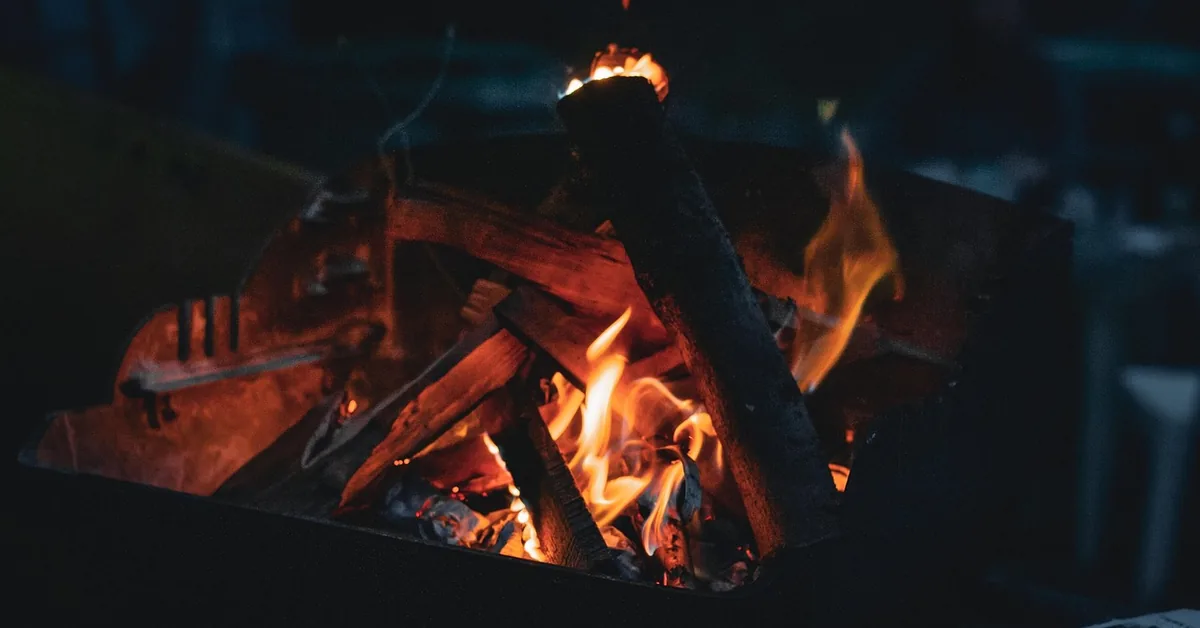
Can You Burn Pressure-Treated Wood Safely? (EPA Arsenic Facts)
Pressure-treated wood should not be burned in a fire pit, fireplace, or wood stove — the copper, chromium, and (in older CCA lumber) arsenic used to preserve it turn into toxic fumes and hazardous ash when burned. Even newer arsenic-free treatments like ACQ still release irritating copper compounds. This guide covers which chemicals are dangerous, how to identify treated wood before you burn it, and what the EPA and state disposal rules actually require.
Quick Answer
No — never burn pressure-treated wood. Burning releases arsenic (in older CCA lumber), chromium, and copper into the smoke and ash. The EPA phased out residential CCA in 2003 specifically over this risk, and most states’ open-burning and solid-waste rules prohibit burning treated wood outright. Take it to a landfill or waste transfer station instead.
Is It Okay to Burn Treated Lumber?
Treated wood is wood infused under pressure with chemical preservatives so it resists rot, insects, and decay outdoors — that’s what makes it a staple for decks, fences, and other wood-burning-adjacent outdoor projects. The same chemicals that make it durable are what make it dangerous to burn: chromated copper arsenate (CCA), alkaline copper quaternary (ACQ), and copper azole (CA) are all designed to stay locked in the wood structure, but high heat breaks that bond and releases the metals as smoke and fine ash particles.
Understanding Wood Treatments
Different treatments use different chemical cocktails, and knowing which one is on your wood is the first step in deciding whether it’s safe to burn — short answer: none of them are, but the degree of risk varies. For many years CCA was the standard, containing arsenic, copper, and chromium. Newer ACQ and CA formulas replace arsenic with copper and organic compounds, which is safer to handle but still not safe to burn.
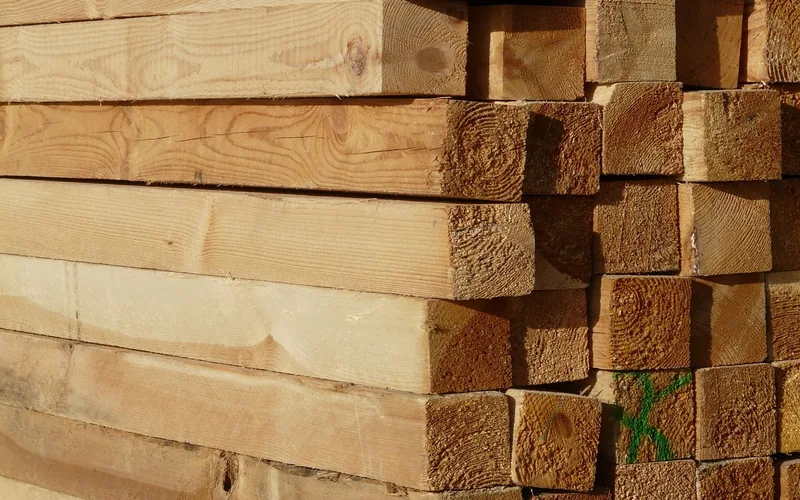
CCA Treated Wood Concerns
Chromated copper arsenate (CCA) was widely used for decks, fences, and playground equipment for decades before the EPA phased out its residential use in 2003. The presence of arsenic is the primary reason burning CCA-treated wood is strongly discouraged — when burned, arsenic releases into the air as fine particles or smoke that can cause skin lesions, nerve damage, and an increased risk of certain cancers when inhaled.
“Treated wood, including CCA-treated wood, should never be burned in stoves, fireplaces, burn piles, or in any other way. The smoke and ash can be toxic.”
📊 An estimated 90% of industrial arsenic used in the U.S. has historically gone toward wood preservation — the scale of exposure is why the EPA prioritized phasing CCA out of residential lumber. — Source: U.S. EPA, Chromated Arsenicals (CCA)
ACQ, CA, and ACZA Treated Wood
Alkaline copper quaternary (ACQ) and copper azole (CA) are the modern preservatives that replaced CCA for most residential lumber — both use copper compounds instead of arsenic. But there’s a lesser-known exception: ammoniacal copper zinc arsenate (ACZA), still used on some utility poles and marine-grade lumber, still contains arsenic despite the newer-sounding name. If a stamp reads “ACZA,” treat it exactly like CCA — never burn it.
Even arsenic-free ACQ and CA are not safe to burn. Combustion releases fine copper particles that can cause metal fume fever — a flu-like illness from inhaling metallic fumes — and contribute to air pollution. Many experts still advise against burning wood treated with ACQ or CA, especially in residential areas.
Health Risks of Burning Treated Wood
When treated wood burns, it releases toxic fumes and particulate matter, including heavy metals like arsenic and chromium and volatile organic compounds (VOCs). Breathing these substances can cause headaches, dizziness, and respiratory irritation immediately, with more serious effects from repeated exposure.
Inhalation of Toxic Fumes
The primary health risk is inhaling the gases and fine particles released when the chemical preservatives combust. Symptoms of acute arsenic exposure include nausea, vomiting, diarrhea, and abdominal pain; chronic exposure is linked to skin changes, neurological issues, and increased risk of lung, bladder, and skin cancers.
📊 A Wisconsin family that heated their home for four winters with a wood stove burning CCA-treated plywood scraps developed hair loss, severe recurring nosebleeds, extreme fatigue, and — in both children — recurring seizures, later traced to arsenic-laden ash dust (stove ash tested above 1,000 ppm arsenic). — Source: JAMA, “Seasonal Arsenic Exposure from Burning Chromium-Copper-Arsenate-Treated Wood,” 1984
Dangers of Ash and Residue
The preservative chemicals don’t disappear when the wood burns — they concentrate in the ash. Handling contaminated ash without precautions can cause skin irritation, and improper disposal can let arsenic and copper leach into soil and groundwater. Children and pets are especially vulnerable if they contact or ingest contaminated ash, which is why it often requires hazardous-waste-style disposal.
Environmental Impact
Burning treated wood contributes particulate matter and heavy metals to local air quality, and any ash or unburned residue can contaminate soil and waterways if it isn’t disposed of correctly.
Air Pollution Contribution
Burning treated wood releases VOCs, particulate matter, and heavy metals depending on the treatment type. VOCs contribute to ground-level ozone and smog, which aggravates asthma and damages vegetation; the particulate matter is inhaled deep into the lungs, raising respiratory and cardiovascular risk for anyone nearby.
Soil and Water Contamination
Ash from burned treated wood is not safe to spread in gardens or discard in regular trash. Rain can wash arsenic and copper residue into nearby streams or groundwater, threatening aquatic life and drinking-water sources — which is why treated-wood ash typically needs hazardous-waste disposal rather than a backyard fire pit or curbside bin.
Bottom Line: Should You Ever Burn Treated Wood?
No. The short answer is not if you want to do it safely for yourself and the environment. The chemicals that make pressure-treated wood durable outdoors are the same ones that make it dangerous to burn — older CCA lumber is the most hazardous because of its arsenic content, but newer ACQ, CA, and ACZA treatments are still not advisable for burning.
Identifying Treated Wood
Before burning any scrap wood, confirm it isn’t treated. Look for a manufacturer’s end-stamp naming the treatment (ACQ, CA, or older CCA) and the retention level. Treated lumber is also typically cut with a pattern of small incisions on all four sides — these let the pressurized chemicals penetrate deeper into the board — a detail our visual guide to identifying pressure-treated wood covers in more depth. If you can’t find a stamp or incisions, assume it’s treated and don’t burn it.
Stamps and Markings
Manufacturers stamp pressure-treated lumber with codes like “ACQ,” “CA,” or older “CCA” markings near the ends of the boards. If a stamp mentions copper, arsenic, or chromium — or is worn and unreadable — treat the wood as chemically treated and skip burning it.
Color and Texture Clues
Freshly treated wood often shows a greenish hue from copper-based preservatives, though this fades to gray or brown with age and sun exposure — our comparison of brown vs. green pressure-treated wood breaks down what the color actually tells you. Treated wood can also feel slightly waxy, but texture alone isn’t reliable — always cross-reference with a stamp when one is available.
CCA vs. ACQ vs. CA vs. ACZA: What’s Actually in Your Treated Wood
| Treatment | Contains Arsenic? | Status | Never Burn Because |
|---|---|---|---|
| CCA (chromated copper arsenate) | Yes | Phased out residentially in 2003; still on some commercial lumber | Highest arsenic release; the most dangerous smoke and ash of any common treatment |
| ACQ (alkaline copper quaternary) | No | Current residential standard | Releases copper particles that irritate lungs and cause metal fume fever |
| CA (copper azole) | No | Current residential standard | Same copper-particle risk as ACQ |
| ACZA (ammoniacal copper zinc arsenate) | Yes | Used on utility poles, marine pilings | Despite the modern name, still arsenic-based — treat like CCA |
Alternatives to Burning Treated Wood
If you need to get rid of pressure-treated wood, safer alternatives exist that don’t release chemicals into the air or soil. Taking it to a local waste disposal facility is the most reliable option — many landfills have dedicated sections for treated wood, and some recycling centers accept it for repurposing.
Proper Disposal Methods — And What Your State Actually Requires
There’s no single federal law banning the burning of treated wood, but state and local open-burning and solid-waste rules prohibit it almost everywhere in practice. New York and Michigan both explicitly ban burning chemically treated wood; New Hampshire and Washington ban burning treated, painted, or composite wood; and as of January 1, 2021, California reclassified pressure-treated wood as Class I toxic waste, meaning it can’t be burned, dumped, or left on the ground for more than 90 days without a licensed hauler. Contact your local municipality or waste management service — rules vary enough by state that it’s worth a quick call before assuming a landfill will simply take it.
Never bury treated wood or dump it in natural areas — the chemicals can leach into soil and groundwater, causing long-term environmental damage.
Repurposing and Recycling
Sound, non-degraded treated wood can sometimes be repurposed for non-structural outdoor projects — garden bed frames (avoiding contact with edible plants), retaining walls, or furniture that stays outdoors. When cutting or sanding it, wear a dust mask and gloves to avoid inhaling or touching preservative-laced sawdust. Some regions run recycling programs that chip treated wood for use as mulch or industrial fuel under controlled emissions — check with your local waste management service.
What to Burn Instead
Untreated, properly seasoned hardwood is always the safer choice for a fire pit or indoor wood stove hearth. If you want a lower-smoke option specifically, our guide to smokeless firewood covers manufactured logs designed to burn cleaner than raw cordwood.
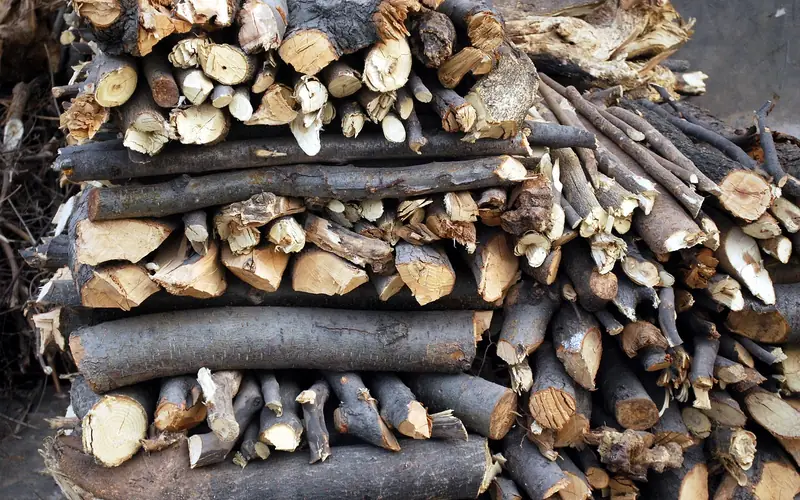
Seasoned Firewood
Seasoned firewood has dried for six months to two years, dropping moisture content from over 50% down to roughly 15-20%. That’s the range that ignites easily, burns hot, and produces the least smoke and creosote — unseasoned wood smolders, smokes heavily, and builds up creosote that’s a chimney fire hazard. You can spot seasoned wood by cracked, checked log ends and noticeably lighter weight than green wood.
Best Firewood Moisture Meter Pick
General Tools MMD4E Moisture Meter – $37.70
Checks firewood against the 15-20% moisture range this guide recommends before you burn it — also doubles for checking walls and leak detection.
- Best for: confirming firewood is actually seasoned before burning
- Why we picked it: established brand, dual-use for wood and wall moisture checks
- Main drawback: pins leave small marks in the wood surface
Compare more moisture meter options
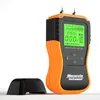
 Option 1 TopTes TS-630 – $29.99
|
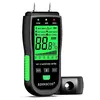
 Option 2 Mecurate Digital Pin Meter – $25.18
|
 Option 3 RDINSCOS Firewood Meter – $18.89
|
As an Amazon Associate we earn from qualifying purchases.
Types of Natural Firewood
Hardwoods are generally preferred for density and long burn times — oak, maple, ash, and hickory all produce consistent heat with minimal sparking. Softwoods like pine, fir, and cedar ignite easily and work well for kindling, but burn faster and throw more sparks and creosote, so a mix of both is common. If you’re considering swapping a wood-burning setup for something lower-maintenance, some homeowners convert a wood fireplace to gas instead — and if ash or embers near a wood-framed hearth worry you, our piece on whether plywood under a fireplace hearth is a fire hazard is worth a look too.
Frequently Asked Questions
Can I burn pressure-treated wood from a deck that’s being torn down?
No. Even old deck lumber that looks weathered still contains its original preservative chemicals, and burning it releases them into the smoke and ash regardless of age. Take torn-down deck lumber to a landfill or waste transfer station instead of a fire pit.
What happens if I accidentally burn a small amount of treated wood?
A single small piece burned once is unlikely to cause acute poisoning, but it’s still not something to repeat. Move away from the smoke, ventilate the area, and dispose of the resulting ash separately from regular wood ash rather than spreading it in a garden.
How can I tell if wood is pressure-treated?
Look for an end-stamp naming the treatment (ACQ, CA, or CCA) and small incision marks on all four sides of the board. A greenish tint often indicates CCA or ACQ treatment, though it fades with age — when in doubt, assume the wood is treated and don’t burn it.
Is ash from treated wood dangerous?
Yes. Ash from burned treated wood concentrates the original preservative metals — arsenic and chromium from CCA lumber, copper from ACQ or CA — and should be handled as hazardous waste rather than spread in gardens or added to regular trash.
Is it illegal to burn pressure-treated wood?
There’s no single federal ban, but state and local open-burning and solid-waste rules prohibit it in practice almost everywhere. New York, Michigan, New Hampshire, and Washington explicitly ban burning treated wood, and California has classified it as Class I toxic waste since 2021. Check your state’s environmental agency or local fire authority before burning any wood you’re unsure about.
What’s the difference between ACQ and CCA treated wood?
CCA (chromated copper arsenate) contains arsenic and was phased out of residential use by the EPA in 2003. ACQ (alkaline copper quaternary) is the modern replacement and contains no arsenic, using copper compounds instead — but ACQ still isn’t safe to burn, since it releases irritating copper particles when combusted.
Are there fire pit regulations about burning treated wood?
Many local fire codes and air-quality ordinances specifically prohibit burning treated, painted, or composite wood in outdoor fire pits and burn barrels, separate from any general burn-ban in effect. Check your city or county’s fire code before adding any questionable scrap to a fire pit.
In short: never burn pressure-treated wood, regardless of how old it is or which preservative it carries. Choose seasoned, untreated hardwood for your fire pit or stove, and take any treated scrap to a proper disposal facility instead.
Sponsored / affiliate links. As an Amazon Associate I earn from qualifying purchases. I may earn additional commission from eligible campaigns.
 Mecurate Digital Pin Type Wood Moisture Meter with 3 Colored Indicators, Moisture Detector 2 Mode 8 Calibration Large Backlit for Wood, Wall, Firewall (Orange)
 Wood Moisture Meter, TopTes Digital Moisture Meter TS-630, Handheld Humidity Tester with 2.25-inch LCD Display, Tricolor Backlight, Check The Dampness Level on Firewood/Drywall - Orange