Best Moisture Meters for Firewood (2026): We Compared
Firewood for a wood stove should read about 20% moisture content or less on a freshly split face; 15% to 20% is often treated as the ideal range, and anything above about 25% is generally too wet to burn well. Wet wood wastes heat because the stove must boil off water first, and it throws more smoke and creosote into the flue. This guide explains the cutoff, how to measure it without fooling yourself, and what to do with borderline splits.
What is the best moisture content for firewood in a wood stove?

The practical burn target is under 20% moisture content. For everyday stove use, 15% to 20% is often the normal sweet spot, and 10% to 15% is a tighter performance range where wood usually lights easier and burns cleaner. Above 20% is wet; below 15% can burn fast and may need more air control.
That difference matters. “Burnable” and “ideal” are not the same thing. A split at 19% is usually fine for a wood stove, while a split at 12% may be excellent for heat but can run hotter and faster if the air is left open too long.
Why the cutoff matters
Moist wood gives up heat to boil off water before that energy reaches the room. Cornell notes that burning wood above 20% creates more smoke and creosote, and that moist firewood gives less heat because energy is used to boil off water. That is why a dry split can feel more predictable in the stove.
Green firewood sits on the wrong side of that line. It usually smokes more, puts out less usable heat, and needs months of seasoning before it belongs in a wood stove.
📊 Cornell says burning wood above 20% creates more smoke and creosote. Source: Storing and Drying Firewood.
Quick comparison
| Moisture content | Expected burn behavior | Smoke and creosote risk | Next action |
|---|---|---|---|
| 10% to 15% | Fast ignition, strong heat, very responsive to air control | Low if the stove is run correctly; very dry wood can burn fast | Burn |
| 15% to 20% | Clean, steady everyday burning | Low to moderate, usually acceptable for normal stove use | Burn |
| 20% to 22% | May burn, but often slower to catch and less lively | Higher smoke and creosote risk, especially on a cool flue | Mix with drier wood or keep seasoning |
| 22%+ | Hisses, smokes, and struggles to reach clean combustion | High risk; wet wood and creosote go together | Keep seasoning |
Read the table as a decision guide, not a promise. A single reading on one piece is not enough to judge a stack. The wettest reasonable reading from several splits should set the answer.
How do you test firewood moisture correctly?
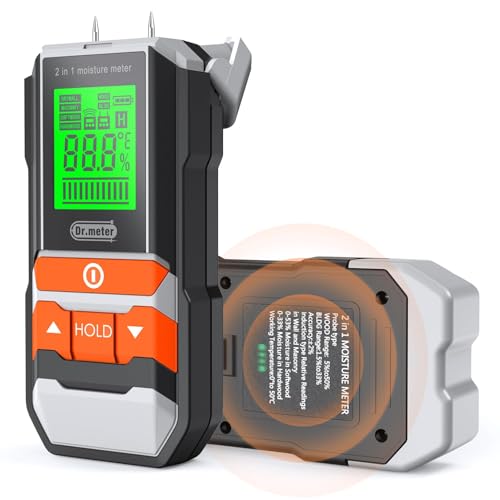
Use a moisture meter with metal prongs and a digital readout, then check the freshly split center of the log. The outer surface dries first, so a surface reading can look much better than the core. The same source notes that a moisture meter only reads about a quarter-inch deep, so split testing matters.
What the meter is really reading
Most meters measure near the surface where the prongs or sensing face touches the wood. That is useful for quick screening, but it can miss a wetter core. A split-center reading is closer to the part that matters during combustion.
Suppose a split shows 18% on the outside and 23% just inside the center. The outer number looks ready, but the log still behaves like borderline wood because the core is wetter. That is the reading to trust.
How to use the meter
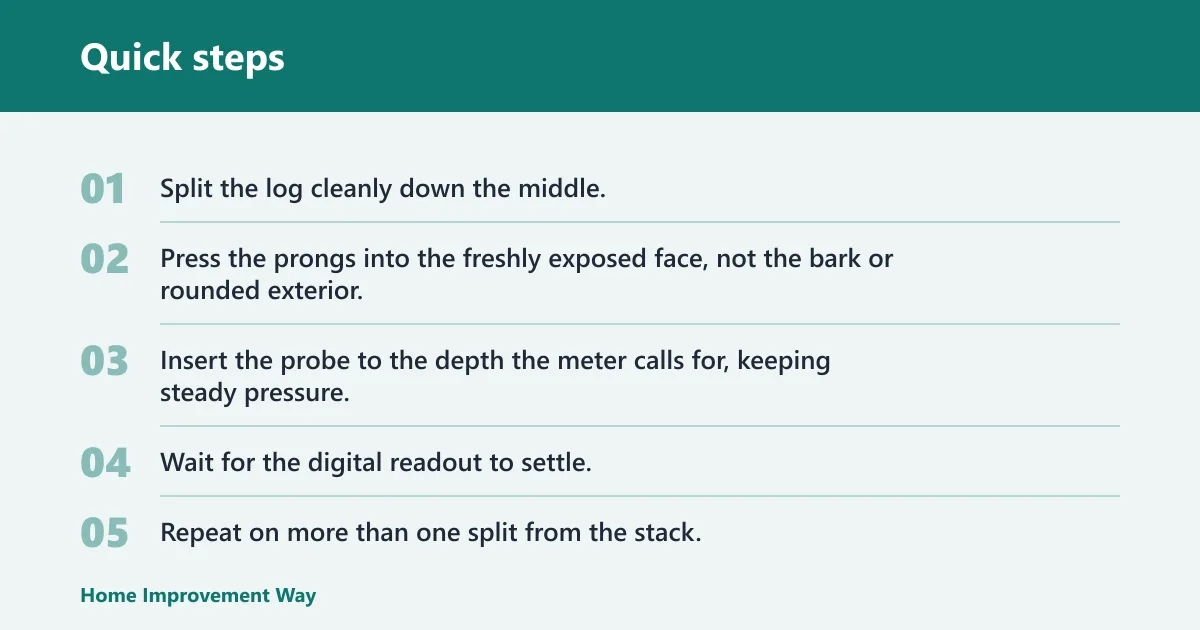
- Split the log cleanly down the middle.
- Press the prongs into the freshly exposed face, not the bark or rounded exterior.
- Insert the probe to the depth the meter calls for, keeping steady pressure.
- Wait for the digital readout to settle.
- Repeat on more than one split from the stack.
A common first-timer mistake is checking only one end of one piece. That misses the moisture differences inside the stack and across a load of mixed pieces.
Sampling checklist
- Test multiple pieces from different parts of the stack.
- Pull from the middle, not only the top layer.
- Split each test piece before reading the center.
- Use the wettest useful reading to decide the load.
- Check again if the readings differ by a few points.
Seasoned firewood: best for everyday burning
Seasoned firewood is wood that has dried enough for routine stove use, usually around 15% to 20% moisture content. The same source says seasoned wood can show end checks up to a quarter-inch, and the pieces often feel lighter than green wood. Two dry logs knocking together should sound more hollow than damp wood.
Those clues help, but they do not prove readiness by themselves. End checks, lower weight, and the sound test support a meter reading. They do not replace one.
How long seasoned wood usually takes
Drying time depends on species, split size, stack airflow, and weather. The same source recommends buying firewood at least a year before use, and says green wood to under 20% takes at least six months. Thicker splits and denser species usually need longer.
Top-covering helps, but airflow matters just as much. Keep the top protected from rain and leave the sides open so moisture can escape.
Green firewood: best for avoiding
Green firewood is freshly cut wood with a high moisture content. It reads high because the core still holds water, and that water has to leave before the wood can burn cleanly. The result is more smoke, lower heat output, and more time spent waiting for the stove to recover.
That extra water also raises creosote risk. If the flue stays cooler while the fire is smoky, more unburned compounds condense on the chimney walls. That is the pattern you want to avoid.
What wet wood does in the stove
Wet wood often hisses, smolders, or sends a visible lazy plume from the chimney. The stove may struggle to build strong coals, and the flue temperature can lag because so much heat is being spent on evaporation instead of combustion.
Picture a load that looks ready on the outside but still reads 22% after splitting. It may light, but it is more likely to smoke and sit below ideal combustion for longer than a drier load.
What is the best moisture content for firewood in a wood stove?
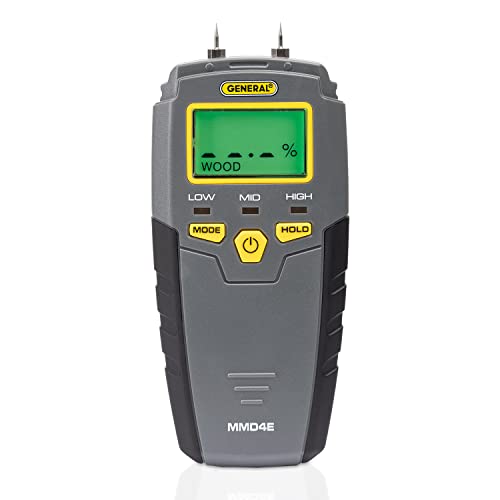
Under 20% is the practical burn target. For the cleanest everyday performance, 15% to 20% is the normal sweet spot, and 10% to 15% is often the best-burning range. Anything above 20% is wet, and anything below 15% can be overly dry for some stove setups.
The exact choice depends on how you run the stove. If you need longer, steadier burns, the 15% to 20% range is easier to manage. If you want quick ignition and very lively heat, 10% to 15% can work well, but air control matters more.
Is 20% moisture content good for firewood?
Yes, 20% is still within the practical burn target, but it is the upper edge of that target. It should burn in a wood stove, yet it may light a little slower and produce more smoke than wood in the mid-teens. A split at 20% is acceptable, not perfect.
If the rest of the stack is close to that number, you can burn it with attention to air settings and flue behavior. If several splits drift above 20%, keep seasoning or mix them with drier wood instead of loading a full stove with borderline pieces.
Can I burn firewood at 22% moisture content?
Sometimes it will burn, but 22% is already in the wet range and should not be treated as ready fuel. Expect more smoke, slower heat output, and a higher chance of creosote buildup. For normal stove use, it is better to keep seasoning or blend it with much drier wood.
Do not decide from one piece alone. A single 22% reading on a split from the top of the stack can still hide wetter wood nearby, and that is the kind of load that causes smoky, weak burns.
Should I split firewood before checking the moisture meter?

Yes. Split wood before you test it, because the outside dries much faster than the center. Cornell specifically advises splitting pieces and testing the inside for a more accurate reading. A surface reading can make wet wood look ready too early.
The split center is the part that matters most. If the middle is still above target, the log is not fully ready even if the bark side looks dry and the meter likes the outer face.
Does wet firewood cause creosote in a wood stove?
Yes. Wet wood burns with more smoke, and smoke carries unburned compounds into the flue and chimney. The same source says burning wood above 20% creates more smoke and creosote, and that moist firewood gives less heat because energy is diverted to boiling off water. That combination raises buildup risk.
Watch for visible smoke that hangs around after startup, weak heat from the load, and a flue that stays cooler than expected. Those are warning signs that combustion is poor and the chimney may be getting fouled.
Safety signs to watch
- Persistent visible smoke from the chimney
- Hissing or sizzling from the firebox
- Weak coal formation after the load catches
- Heavy blackening on the stove glass
- Unusually cool flue temperatures during a burn
Borderline firewood decision table
| Reading | What it usually means | Expected burn behavior | Next action |
|---|---|---|---|
| 10% to 15% | Best-burning range; very dry | Lights fast and burns hot, so air control matters more | Burn |
| 15% to 20% | Ideal everyday range for a wood stove | Steady heat, cleaner flames, usually easy to manage | Burn |
| 20% to 22% | Borderline; may burn, but not ideal | More smoke, less heat per unit of wood, slower recovery | Mix with drier splits or keep seasoning |
| 22%+ | Too wet for normal stove use | Hiss, smoke, and poor combustion are likely | Keep seasoning |
Use the wettest reasonable reading from several split pieces, not the best one. If the stack includes a mix of values, the wettest useful piece is the one that should decide whether the load stays out of the stove.
How do I know if my firewood is seasoned enough to burn safely?
Seasoned wood should usually read 15% to 20% on the freshly split center, with end checks, lighter weight, and a hollow sound as supporting clues. A dry-looking surface alone is not enough. If the center still reads above 20%, the wood is not ready for routine stove use.
When the reading sits near the edge, check more than one split from the pile. A stack can contain both ready pieces and wetter pieces, and the wetter ones should set the decision.
Common mistakes
Checking only the outer surface is the most common error. The second is trusting one good log and assuming the whole stack matches it. Another is burning 20% to 22% wood as if it were fully seasoned, then wondering why the stove smokes and the chimney needs more cleaning.
If a load hisses or smokes, step back and test again before adding more. Borderline wood does not improve once it is in the firebox.
Frequently asked questions
What is the ideal moisture content for firewood in a wood stove?

15% to 20% is the normal ideal range for everyday stove use. Wood in the 10% to 15% band can burn especially well, but it can also run hotter and faster. The safer rule is simple: keep routine fuel under 20% on a freshly split face.
Sponsored / affiliate links. As an Amazon Associate I earn from qualifying purchases. I may earn additional commission from eligible campaigns.