Best Woods for Firewood: research shows
For most home stoves, split hardwoods like oak, hickory, maple, and ash burn hottest and cleanest, with ash near the top for low cleanup. Softwoods fit quick starts only, and wet wood or resin-heavy species leave more soot, creosote, and ash, which cuts heat and raises chimney-fire risk. This guide ranks common firewood species by heat output, burn time, ash, and creosote risk so you can choose the best wood for your stove or fireplace.
This guide is part of our Firewood and wood burning guide series.
Quick comparison

| Product | Badge | Best for | Price | ||
|---|---|---|---|---|---|
 |
Bthomstfmly 50-inch Long Tent Wood Burning Stove PipeBthomstfmly | Also great | Stainless steel brush · 48 in reach | $18.49
Price as of 9 Oct 2026
|
View |
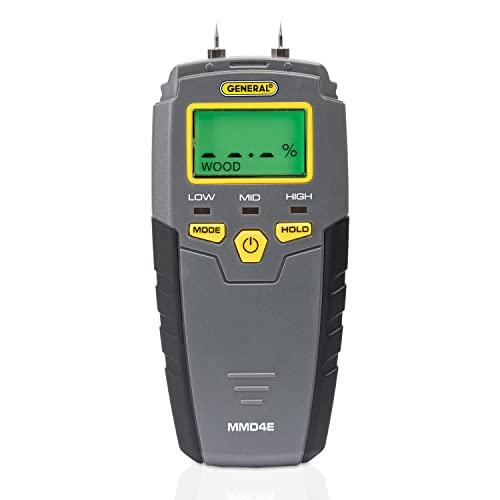 |
General Tools MMD4E Moisture Meter for Wood, Walls & WaterGeneral Tools | Budget pick | Moisture meter for wood & walls | $39.98
Price as of 9 Oct 2026
|
View |
 |
SIPPON Ash Vacuum Cleaner, 1000W,4 Gallon for Pellet StoveSIPPON | Our pick | 1000W ash vacuum · 4-gal capacity | $69.99
Price as of 9 Oct 2026
|
View |
 |
PRANDI Merlin Splitting Maul 5.51lb – Hickory Handle 35.46Prandi | Upgrade pick | 5.51 lb splitting maul · Hickory handle | $89.99
Price as of 9 Oct 2026
|
View |
 |
QUEYAAM 8" Chimney Cap with Screen & Rain Cover,304QUEYAAM | Pair with it | 8 in · Stainless steel chimney cap | $43.99
Price as of 9 Oct 2026
|
View |
This comparison puts heat, burn time, cleanup burden, and creosote risk side by side, since heat alone does not tell you how a wood will behave in a stove or fireplace. The best choice often depends on whether you want long coals, quick ignition, low ash, or the least chimney maintenance.
📊 Seasoned wood is defined in the article as less than 20% moisture. Source: Best trees for firewood: for steady, safe and satisfying campfir….
How we chose
The rankings below weigh five things: heat output, burn time, cleanup burden, creosote risk, and how the wood fits common appliances. Seasoning matters too. Seasoned firewood is defined here as under 20% moisture, because wetter wood burns cooler, smokes more, and leaves more buildup.
Dense hardwoods burn hotter and hold heat longer than softwoods. Softwoods dry quicker and therefore need less storage time, but resinous softwoods are sootier and can contribute to creosote buildup over time. Local availability also matters, because the best species is often the one you can dry properly and buy consistently.
Species-by-species decision matrix
| Species | Heat | Burn time | Cleanup burden | Creosote risk | Best for |
|---|---|---|---|---|---|
| Black locust | Very high; highest heat in this guide | Long-lasting coals | Moderate | Low to moderate if seasoned well; can throw sparks | Maximum heat, overnight heat, long coal bed |
| Hickory | Very high | Long | Moderate | Low when dry | Wood stoves, long burns, serious heat |
| Oak | High | Very long | Low to moderate | Low when seasoned | Balanced home heating, overnight heat |
| Ash | High | Long enough for steady heat | Low | Low when dry | Easy splitting, quick seasoning, cleaner everyday use |
| Hard maple | High | Long | Low to moderate | Low when seasoned | Steady heat and dependable coals |
| Cherry | Medium | Moderate | Low | Low | Cleaner fires, cooking, smoking, ambiance |
| Birch | Medium-high | Shorter than dense hardwoods | Low to moderate | Moderate if bark and moisture are high | Quick starts, shoulder-season fires, kindling support |
| Pine | Low | Short | High | High | Kindling or limited secondary use |
Best for wood stove: oak, ash, hickory, hard maple, then black locust if you want maximum heat and can handle more spark watchfulness. Best for fireplace: oak, cherry, and birch, since they balance visible flame with manageable cleanup. Best for overnight heat: oak, hickory, black locust, and hard maple.
Best for quick-start fires: birch, then pine only as kindling or a small starter layer. Cherry is useful when you want a cleaner burn without the intensity of the densest woods.
Black locust: best for maximum heat
Black locust is the highest-heat firewood in this guide, and it earns that spot with dense structure and long-lasting coals. If your goal is maximum output from a properly seasoned load, this is the species to beat. It also seasons faster than most premium hardwoods, which gives it a practical edge.
The tradeoff is control. Black locust can throw sparks, so it fits best in enclosed wood stoves or carefully managed outdoor fires rather than open settings where embers matter more. Keep the wood dry and split to a size that matches your stove, because moisture still slows combustion and increases smoke.
Use black locust when you want a tight, hot coal bed for cold nights. It is less forgiving than ash or maple, but it rewards dry storage and steady airflow.
Ash: best for easy splitting and fast seasoning
Ash is one of the most practical everyday firewoods. It produces a good, consistent heat for a decent period of time, splits easily, and seasons quickly. That makes it a strong choice for homeowners who want useful firewood without a long wait. In emergencies, ash can even be burned green, though dry wood is still better.
This is why ash ranks so well for cleanup too. It tends to produce a manageable ash bed and less fuss than resinous softwoods. If you want a beginner-friendly wood that does not demand a two-year storage cycle, ash is near the top of the list.
Suppose you stack split ash in spring and need dependable heat by fall. That is a common, realistic use case where ash shines, especially for a stove run most evenings.
Birch: best for quick-start fires
Birch burns quickly but puts out plenty of heat. It lights easily, and the papery bark works as natural fire starter. That combination makes it one of the easiest woods to bring to life when you need a fire fast, especially in shoulder-season weather or for rekindling a low bed of coals.
The drawback is burn duration. Birch does not hold on as long as denser hardwoods such as oak or hickory, so it is better as a starter or transition wood than your only fuel for overnight heat. It also earns more value when paired with a denser split behind it.
Picture a cold morning with a half-empty stove and only a few minutes before breakfast. Birch gets the draft moving quickly, then a denser hardwood can take over.
What is the best wood to burn for firewood if I want the most heat?
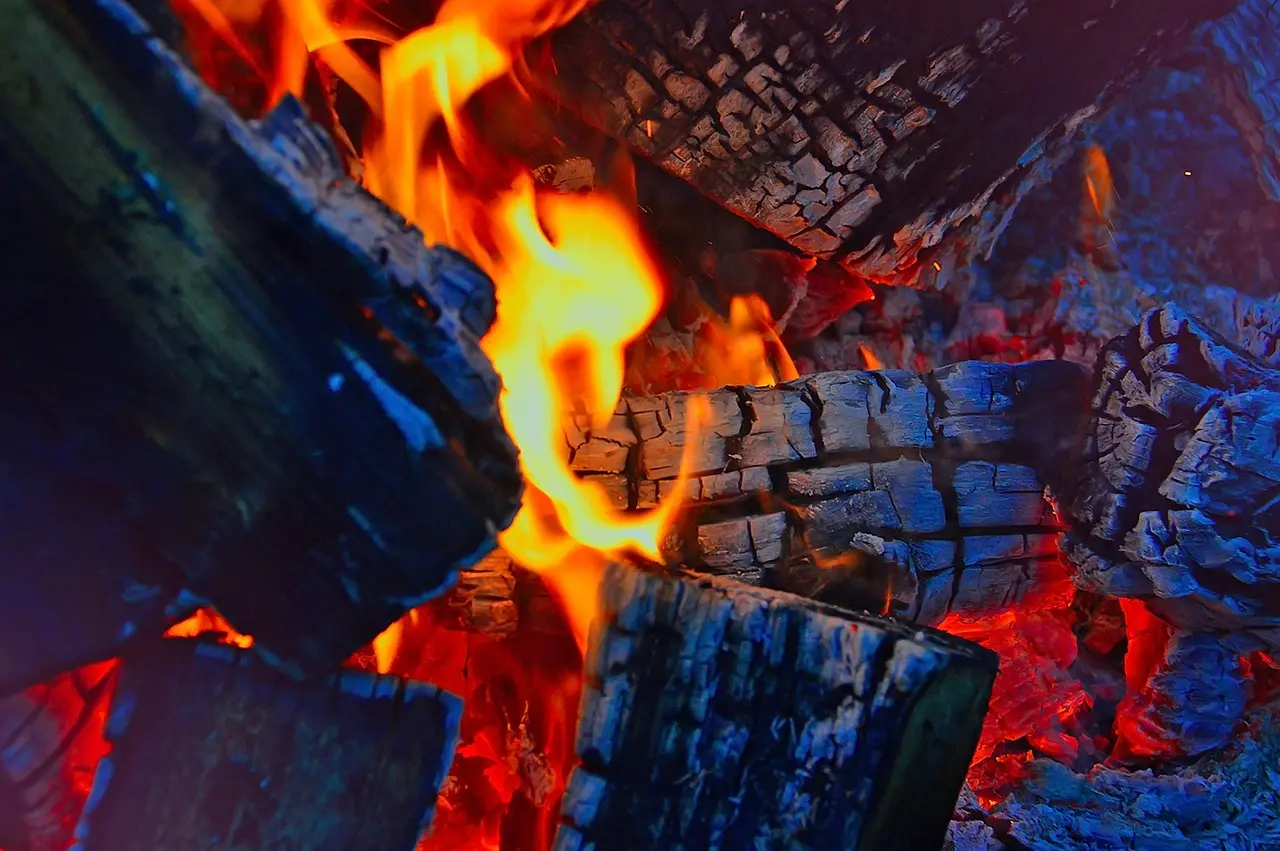
Black locust is the top pick if you want the most heat, with hickory and oak close behind for strong output and long coal life. Ash and hard maple are also excellent, especially when you want a strong fire that is easier to split, store, and manage day to day.
Heat is only half the story. A very hot wood still needs proper seasoning, because wood over 20% moisture wastes energy boiling off water and tends to smoke more. A dry mid-ranked hardwood often beats a wet premium split in real use.
For buyers, the practical ranking is simple: black locust for peak heat, hickory for premium intensity, oak for long burn time, ash for easy handling, and hard maple for steady performance.
Which firewood species leaves the least ash and cleanup?
Cherry and well-seasoned ash are usually the easiest on cleanup, with maple also performing well when fully dry. They tend to burn more cleanly than pine and other resin-heavy softwoods, which means less soot, less ash pan dumping, and less glass staining in stove doors.
Cleanup burden is not just about ash volume. It also includes how much soot clings to the firebox and how often you need to brush the glass or check the flue. Dense hardwoods still make ash, but they usually do so more predictably than resinous species.
If low cleanup matters most, avoid wet wood first, then avoid resin-heavy softwoods second. Dry fuel matters more than almost any species label.
Is oak better than hickory for a wood stove?
Oak is usually better for most wood stoves because it is a versatile all-around firewood choice, burns for a very long time, and gives excellent coals with manageable cleanup when seasoned well. Hickory burns hotter in a more intense way, but oak is often easier to live with over a full heating season.
Oak can take up to two years to season effectively, so the drawback is storage time. Hickory is a premium hardwood too, but oak often wins when you want a steadier burn and a little less aggressiveness in a closed appliance. Both belong at the top of the list.
If you want the hotter, more forceful fire, choose hickory. If you want the more balanced stove fuel, oak is the safer default.
Is ash good firewood if I want easy splitting and quick seasoning?
Yes. Ash is one of the best choices for easy splitting and quick seasoning, and it still gives high heat output. It is a smart pick for people who want usable firewood without waiting through a long drying cycle. The wood also produces consistent heat for a decent period of time.
That combination matters because many homeowners want a fuel that is practical from stack to stove. Ash is also forgiving in split size, so it works well in different stove boxes and does not demand the same long seasoning window as oak.
A common first-timer mistake is assuming all hardwoods need the same drying time. Ash is a good example of why that is wrong.
Which woods are best for a fireplace versus a wood stove?
For a wood stove, choose oak, hickory, ash, hard maple, or black locust when you want strong heat and long coals. For a fireplace, cherry and birch are often easier to enjoy because they light more readily and produce a cleaner-looking fire. The appliance changes the best species.
Stoves reward dense, long-burning fuel because they contain heat and reduce wasted draft. Fireplaces lose more heat up the flue, so a wood that lights quickly and looks good can be more satisfying than the absolute longest-burn species. Birch and cherry fit that role well.
If your fireplace has a poor draft or stains glass quickly, avoid wet or resin-heavy fuel. The appliance matters as much as the species.
Can birch or pine be used for firewood?
Birch can absolutely be used for firewood. It has medium-high heat, lights easily, and works well for quick-start fires or shoulder-season use. Pine can also be used, but it is generally better as kindling or a secondary fuel, because it tends to burn with less heat and may carry a higher creosote risk than denser hardwoods.
Birch’s bark is a natural starter, which is useful when you need flame fast. Pine is different. Its resin content makes it sooty and more likely to contribute to creosote buildup over time, especially if it is not fully dry or is burned in a cooler stove.
Use birch freely in the right mix. Use pine carefully and sparingly.
Which firewood species burns longest for overnight heat?
Oak, hickory, black locust, and hard maple are the strongest candidates for overnight heat because they keep a coal bed alive longer than lighter woods. Oak is especially notable because it burns for longer than pretty much any other wood, which makes it a dependable overnight choice when seasoned correctly.
Burn time depends on moisture content and split size as much as species. A properly dried split under 20% moisture will burn cleaner and more steadily than a damp one, even if the damp piece is from a premium hardwood. That is why storage matters.
If you want fewer reloads, choose a dense hardwood and bigger splits, then control air down once the fire is established.
What wood should I avoid because it makes too much smoke or creosote?
Pine is the clearest wood to avoid as a primary stove fuel if smoke and creosote are your concern. Resinous softwoods are sootier and a cause of creosote buildup over time, especially when burned wet or in low-temperature fires. Wet wood of any species also raises smoke and buildup risk.
That does not mean pine has no place at all. It is useful for kindling or a limited secondary burn, but it should not be the main fuel in a stove that you expect to run cleanly and safely. Chimney safety is not optional maintenance.
If smoke is heavy and the flame looks lazy, the fix is usually drier wood and better airflow, not more softwood.
How should I choose firewood if I want a clean-burning fire?
Start with dry wood under 20% moisture, then choose dense hardwoods for the main burn and lighter species only when you need fast ignition. Ash, maple, oak, hickory, and cherry are the cleanest practical choices for most home users when they are properly seasoned and burned in the right appliance.
Think in this order: moisture content, appliance fit, then species. If the wood is wet, even a premium hardwood smokes more and leaves more buildup. If you want the cleanest routine, keep a dry stack for the stove and a smaller quick-light stack of birch for startup.
Use this shortlist: oak for balance, ash for convenience, hickory for heat, maple for steady coals, cherry for cleaner fires, birch for fast starts, and pine only when you need kindling.
Which one should you buy
If your priority is home heating, start with oak or ash. Oak gives long burn time and excellent coals, while ash is easier to split and seasons faster. If you can source black locust locally and dry it properly, it is the best pick for maximum heat, but it is not the simplest wood for every buyer.
If you want the least cleanup, choose ash, hard maple, or cherry. If you want a stove load that lasts through the night, choose oak, hickory, or black locust. If you want fast ignition, keep birch bark or small birch splits on hand and use pine only as kindling.
Availability should still decide the final answer. A species that seasons well in your region and fits your storage space is usually better than an idealized “best” wood that stays wet for too long or costs too much to buy in quantity.
General Tools MMD4E moisture meter for wood, walls & water leak detection: best for seasoning checks
This is for buyers who want a simple way to verify whether firewood is actually seasoned before it goes into the stove. Because seasoned wood is defined here as below 20% moisture, a moisture meter helps you sort ready fuel from wood that will smoke, cool the fire, and increase buildup.
Based on the spec sheet and owner feedback, the backlit LCD and stainless steel pins make it practical for quick checks in dim storage areas. It is also useful beyond firewood, since it can detect moisture in walls. The drawback is that pin meters only read the surface where you test, so split fresh faces matter more than rough bark readings.
SIPPON ash vacuum cleaner, 1000W, 4 gallon for pellet stove & fireplace: best for cleanup
This suits homeowners who burn woods that leave more ash, or who want a faster cleanup routine after regular stove use. Since cleanup burden matters alongside heat, an ash vacuum is useful for maintaining a cleaner firebox and reducing dust when emptying a stove or fireplace.
The HEPA filtration and heat-resistant hose are the main advantages on paper, especially for fine ash that can puff back into the room. The drawback is that a vacuum does not replace good burn habits; if you burn wet wood or too much pine, you still create the same soot and creosote problems upstream.
Bthomstfmly 50-inch long tent wood burning stove pipe cleaning brush: best for flue brushing
This is for regular chimney and stovepipe maintenance, which matters more when you burn resinous woods or any fuel that is not fully seasoned. Creosote buildup is a chimney safety issue, and a proper brush helps you remove deposits before they become a bigger problem.
Based on the listed 48-inch reach and flexible rods, this is meant for manual cleaning of insulated chimneys and longer runs. The drawback is obvious: it still requires physical effort, and a brush is only as effective as the user’s diligence. It also cannot correct bad fuel choices, only the buildup they leave behind.
PRANDI Merlin splitting maul: best for splitting dense hardwoods
This fits buyers who plan to split oak, hickory, maple, or black locust and want a tool built for tough rounds. Dense hardwoods are worth burning, but they can also be harder on splitting tools, so a maul with a heavy head and hickory handle is a sensible match.
The carbon steel head and wedge-shaped design are the main strengths here, and the hickory handle is a plus for shock absorption. The drawback is weight: a maul is less nimble for small kindling work, so it is not the tool for every size of split. Use it where force matters most.
QUEYAAM 8-inch chimney cap with screen & rain cover: best for chimney protection
This is a sensible buy for keeping rain and snow out of the flue, which helps preserve draft and protect the chimney system. Dry wood performs better, and a cap helps keep outside moisture from adding another problem at the top of the stack.
The 304 stainless steel construction and rain cover are the main selling points. The drawback is fit: chimney caps need the right size and a proper install, or you end up with a part that does not seal or sit correctly. Measure carefully before ordering.
Frequently asked questions
What is the best wood to burn for firewood if I want the most heat?
Black locust is the top heat producer in this guide, with hickory and oak close behind. If you want maximum heat, choose a dense hardwood that is fully seasoned under 20% moisture. Wet premium wood often performs worse than dry mid-tier hardwood in a real stove.
Which firewood species leaves the least ash and cleanup?
Cherry and ash are among the easiest to live with for cleanup, followed by hard maple when it is properly seasoned. They tend to be cleaner than pine, which is sooty and can drive more creosote buildup. Dry fuel matters more than nearly any species label.
Is oak better than hickory for a wood stove?
For many wood stoves, yes, because oak gives a very long, steady burn and excellent coals with a more balanced feel. Hickory burns hotter and is excellent for intense heat, but oak is often easier to manage for everyday stove use and overnight loading.
Is ash good firewood if I want easy splitting and quick seasoning?
Yes. Ash is one of the best choices for easy splitting and quick seasoning, and it still produces strong, consistent heat. It is a practical all-around wood when you want less waiting time than oak and less fuss than resin-heavy softwoods.
Which woods are best for a fireplace versus a wood stove?
For a fireplace, birch and cherry are useful because they light quickly and give a pleasant, visible fire. For a wood stove, oak, ash, hickory, hard maple, and black locust are better because they burn longer, hold coals well, and waste less heat.
Can birch or pine be used for firewood?
Birch can, and it is a good quick-start firewood with decent heat. Pine can be burned, but it belongs mostly in kindling or limited secondary use because it is low in heat and high in creosote risk compared with dense hardwoods.
Sponsored / affiliate links. As an Amazon Associate I earn from qualifying purchases. I may earn additional commission from eligible campaigns.