What Is a Fireplace Safety Inspection and What Does It Cover?
A fireplace safety inspection is usually a scope-limited visual check of the firebox, chimney, flue, damper, clearances, and basic venting to spot visible hazards. If parts are hidden, damaged, or the system has changed, a Level 2 chimney inspection may be needed. Using the wrong inspection can leave creosote, cracks, or draft problems unseen, which raises fire risk and repair costs. This guide explains what a certified inspector can verify, what remains unknown after a visual check, and when to book a deeper evaluation before service.
Scope limits of a visual inspection
A standard fireplace safety inspection focuses on accessible parts you can see or test without opening concealed construction. It does not confirm every hidden condition inside the flue or liner. That boundary matters, because a clean-looking firebox can still hide damage higher in the chimney.
In practice, a certified inspector checks the components that can be examined by sight and simple operation. The visit should end with a written report that lists visible defects, notes the limits of the inspection, and flags any follow-up that needs a deeper look.
Accessible parts only
For a standard visit, the inspector verifies readily accessible components, not hidden structure. In Texas home inspection scope, that means a visual exam of readily accessible components, with the report often including the firebox, visible damper, hearth, hearth extension, exterior crown, and spark-arrestor cap. That same logic applies more broadly: visible parts can be checked, concealed parts cannot.
Smoke and carbon monoxide alarms are commonly included in the same safety check, with working test buttons, up-to-date replacement dates, and placement on every level and outside sleeping areas. They are not part of the fireplace itself, but they should have working test buttons, current replacement dates, and placement on every level and outside sleeping areas.
The inspection can confirm what the inspector can see, touch, and operate during the appointment. It cannot confirm the condition of concealed liner sections, hidden flue cracks, or internal creosote deposits beyond direct view. A standard inspection also does not measure creosote thickness and does not scan the inside of the flue.
That is why scope language matters. A visual pass is useful, but it is not the same as full knowledge of the chimney’s interior condition.
What the written report should note
A real inspection should leave you with a written report. It should identify the components checked, describe visible defects, note any unsafe conditions, and state what the inspector could not confirm because the area was concealed or out of scope. If the report does not mention those limits, it is missing important context.
| Fireplace type | What gets checked | What cannot be confirmed visually | Trigger for a deeper inspection |
|---|---|---|---|
| Wood masonry | Firebox, visible firebrick, soot or creosote residue, damper movement, smoke chamber shape, hearth, hearth extension, visible flue sections, crown, cap, and exterior masonry | Hidden liner cracks, concealed gaps, internal creosote buildup, and damage behind masonry or above the smoke chamber | Smoke odor, poor draft, visible damage, chimney fire history, sale or purchase of the property, or any concern that the flue needs camera review |
| Gas | Pilot light, valve, burner, ignition behavior, gas lines, safety sensors, and venting structure | Hidden vent defects, concealed leaks, and interior condition of concealed vent paths | Weak ignition, delayed lighting, soot, odors, flame lift, sensor faults, or a change in venting performance |
| Insert | Firebox fit, liner connection points, visible venting, damper area if applicable, surround clearances, and appliance operation per instructions | Hidden liner defects, concealed transitions, and internal vent obstructions | New install, recent repair, performance change, or uncertainty about the liner path |
| Factory-built | Unit listing labels if visible, firebox condition, clearances, hearth area, visible vent sections, cap, and exterior termination | Concealed joints, hidden vent damage, and internal buildup above the accessible sections | Damage to the vent system, missing parts, altered clearances, or any post-installation change |
Is a fireplace inspection the same as a chimney inspection?
The terms overlap, but they are not always used with the same scope. A fireplace inspection may focus on the appliance opening, firebox, and visible venting, while a chimney inspection may extend farther into the flue, liner, and exterior chimney structure. The exact meaning depends on the service level being offered.
In casual conversation, people often use the phrases interchangeably. For booking, that can cause problems. Ask whether the visit is a visual check of accessible parts or a Level 2 chimney inspection with camera work.
Where the scopes overlap
Both services usually include the visible parts of the system: firebox, damper, hearth, hearth extension, exterior masonry, crown, and cap. A professional chimney inspection also includes exterior masonry, crown, and cap checks, along with the smoke chamber and flue liner assessment where accessible.
Where chimney work goes deeper
A chimney-focused inspection goes further into the flue and liner than a standard fireplace check. It evaluates the smoke chamber for smooth walls and creosote-trapping ledges, and it includes flue liner and creosote depth assessment. A Level 2 inspection uses a specialized camera for that deeper look.
When the terms are used loosely
Some providers say “fireplace inspection” when they mean a basic visual exam. Others use “chimney inspection” for any review of the fireplace system. Before the appointment, confirm what the company will actually inspect, what they will not open, and whether the report will clearly separate visible findings from concealed unknowns.
What parts of a wood-burning fireplace are checked during inspection?
A wood-burning fireplace inspection centers on the parts that affect containment, draft, and heat transfer. The inspector checks the firebox, damper, smoke chamber, hearth, hearth extension, visible flue sections, crown, cap, and exterior masonry. Visible soot or creosote residue also matters because it can point to incomplete combustion or upkeep needs.
The key point is scope. The visible wood-burning system can be reviewed in detail, but hidden liner sections and concealed masonry still require deeper methods if there is any doubt about condition.
Firebox, firebrick, and soot
The firebox is inspected for visible cracks, missing firebrick, damaged mortar, and heavy soot or creosote residue on readily accessible interior surfaces. These are visible warning signs, not guesses. If the firebox lining is deteriorated, the problem is plain enough to document in the report.
Damper, smoke chamber, and hearth
The damper is checked to open fully and close fully when needed, and it should move according to the appliance operating instructions. The smoke chamber is evaluated for smooth walls and free of ledges that trap creosote. The hearth and hearth extension are checked for visible damage and clearances to combustibles.
Flue liner, crown, and cap
The visible flue liner sections are checked for cracks or gaps where they can be seen. The crown, which is the concrete or mortar cap at the top, is checked for cracks or unevenness that may point to water intrusion. The cap or spark-arrestor cap should be present and intact, not rusted through, because it helps block debris and animals.
Picture a masonry fireplace with a clean firebox and a damper that moves well, but a cracked crown and a missing cap. The firebox can look ready for use, yet water may still be entering the system above it. That is why exterior checks matter even when the interior looks fine.
What does a gas fireplace inspection cover?
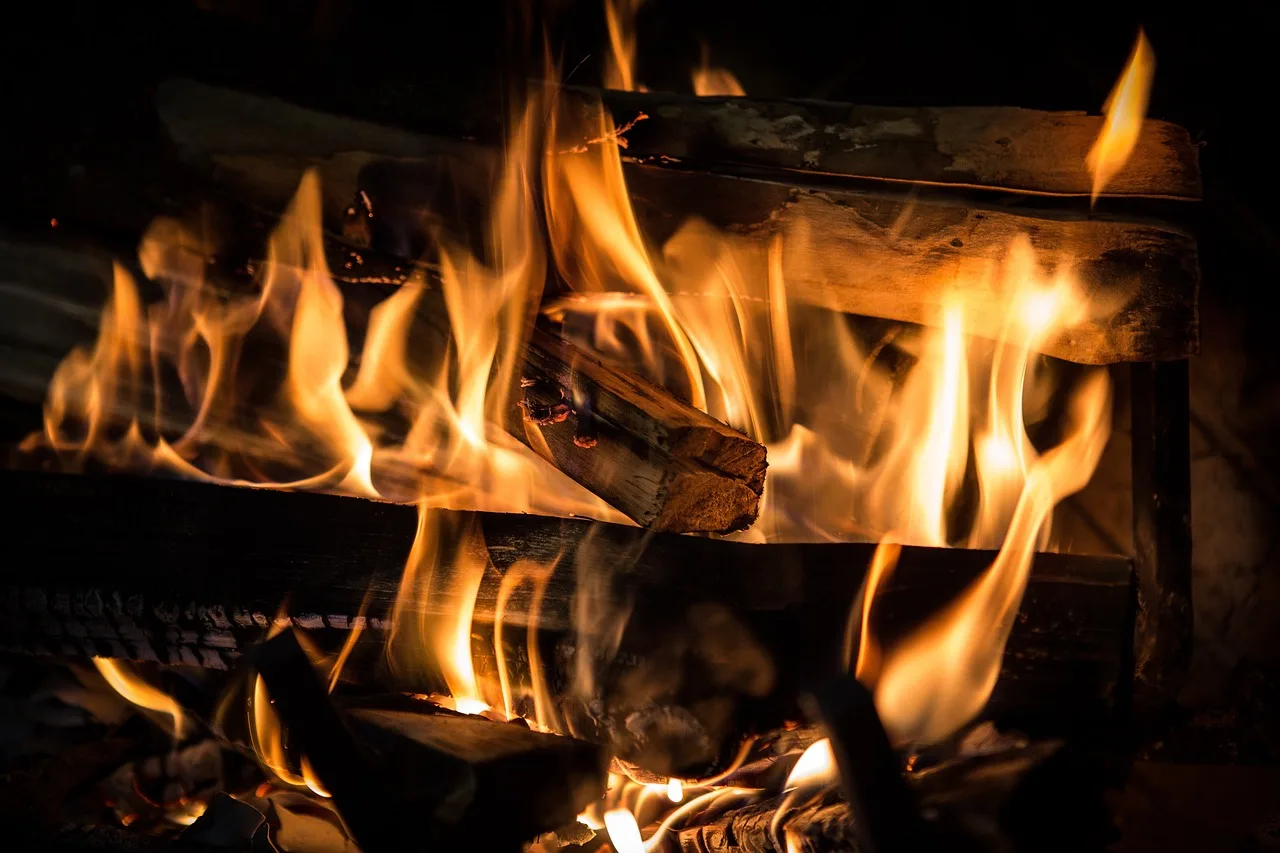
A gas fireplace inspection covers the appliance’s operating parts and venting path, not ash and creosote in the same way a wood unit does. The inspector evaluates the burner system, ignition components, pilot light, gas lines, safety sensors, and venting structure. Flame behavior and startup response are part of that check.
Gas units still need attention because they can fail at the burner, valve, ignition, or vent. A tidy faceplate does not prove the system is operating correctly.
Pilot, burner, and valve
The pilot light, valve, and burner are checked for proper operation and visible irregularities. If the pilot is unstable, the burner does not light evenly, or the valve behaves erratically, the inspector should note it. Those findings can affect both performance and safety.
Ignition and flame behavior
Ignition behavior matters as much as appearance. The inspector looks at whether the unit lights properly, responds when called on, and maintains a stable flame pattern. Weak ignition, delayed startup, or unusual soot can point to a problem that needs repair rather than routine use.
Venting and enclosure checks
Venting structure and enclosure clearances should also be reviewed. If the venting is damaged, blocked, or altered, the fireplace cannot be assumed safe just because the flame appears normal for a moment. The condition of the surrounding enclosure also affects whether the unit is operating within its intended setup.
What a visual inspection cannot confirm
A standard visual inspection cannot confirm concealed liner defects, hidden cracks, or the actual depth of creosote inside the flue. It can only assess what is visible from the firebox, opening, or exterior access points. That limit is not a flaw in the service; it is the boundary of the service.
This is where homeowners often overestimate a “clean” result. A clean firebox does not guarantee a clean or intact flue above it.
Hidden liner defects
Flue liner cracks or gaps can exist above or behind the visible section. They may not show at the firebox opening, and they may not be reachable without a camera inspection. Because of that, a visual exam cannot make a full statement about liner integrity.
Concealed creosote and gaps
Creosote can collect in hidden sections of the flue and on surfaces that cannot be seen from below. The same is true for small gaps in concealed joints. A standard inspection does not measure creosote thickness, so it cannot replace a deeper review where accumulation is suspected.
Say your wood fireplace burns well for years, then starts sending a faint smoky smell into the room after the damper is opened. The visible firebox may still look normal. The issue could be hidden buildup, a liner problem, or a draft defect that only a deeper inspection can confirm.
Why camera work may be needed
A Level 2 chimney inspection uses a specialized camera to scan the flue or liner. That step is useful when a visual check is not enough, because it can reveal defects inside the chimney path that no flashlight from the fireplace opening can confirm. It is the clearest next step when the system has changed or a hidden problem is suspected.
When do you need a Level 2 inspection?
You need a Level 2 chimney inspection when the risk profile changes or when a standard visual exam cannot answer the question safely. Common triggers often include property transfer, a chimney fire, storm or earthquake damage, a change in appliance type or fuel, and any sign that hidden parts may be damaged. It is deeper than a visual exam.
When the concern is inside the flue or liner, camera work is often the right next step. A clean exterior does not override that need.
After a chimney fire
A chimney fire can damage liners, joints, mortar, and nearby framing even if the fireplace still looks usable afterward. Because that damage may be hidden, a Level 2 inspection is the safer follow-up. Do not rely on surface appearance after a fire event.
Before or after a property transfer
Property transfer is a common reason to choose a Level 2 chimney inspection. Buyers want a clearer picture than a basic visual check can provide, and sellers may need documentation before closing. A camera scan helps document the flue and liner condition more completely.
When use changes or damage raises risk
A change from gas to wood, a new insert, altered venting, or visible masonry damage can all raise the need for deeper inspection. The same applies if the fireplace starts smoking, drafts poorly, or leaves new soot where it did not before. Those changes suggest something beyond a simple visual pass.
Inspection prep checklist matrix
Good preparation saves time and makes the visit more useful. It also helps the inspector focus on the parts that matter instead of clearing a blocked opening or waiting for safety alarms to be ready for testing.
| Prep step | What to do before the visit | Red-flag findings to report before the appointment |
|---|---|---|
| Clear access | Move furniture, décor, and stored items away from the hearth and appliance opening | Blocked firebox access, damaged flooring near the hearth, or signs of animal nesting |
| Stop use | Do not use the fireplace or stove right before the appointment so surfaces can cool | Recent smoke rollout, strong odors, or hot spots that linger after shutdown |
| Gather history | Note the last cleaning, any repairs, any chimney fire, and any changes to the appliance | Unknown repair history, prior fire event, or recent appliance conversion |
| Check alarms | Test smoke and carbon monoxide alarm buttons and replace expired units | Dead alarms, missing alarms, or no alarm placement on every level and outside sleeping areas |
| Report symptoms | Write down any smoke in the room, odors, weak draft, soot, or ignition trouble | Gas smell, visible leaks, crackling sounds in the chimney, or water staining near the fireplace |
- Clear the area around the hearth and appliance opening.
- Stop using the fireplace before the appointment.
- Test smoke and carbon monoxide alarms.
- Gather repair records and note prior chimney fire history.
- List current symptoms and tell the inspector before the visit begins.
What should the inspector report?
A useful report should identify each component checked, describe visible defects, and state whether the inspection was limited to accessible parts. It should not pretend to confirm hidden conditions. If a deeper review is needed, the report should say why and what type of follow-up is appropriate.
A written report is part of the inspection record. If a provider only offers a verbal “looks fine,” that leaves too much undocumented.
Findings by component
The report should separate findings by part: firebox, damper, smoke chamber, flue liner, crown, cap, hearth, hearth extension, and exterior masonry. For gas units, it should also list the burner, pilot, valve, ignition behavior, sensors, and venting. That layout makes the next step easier to understand.
Repair or follow-up needs
The report should say whether a visible defect needs repair, cleaning, monitoring, or a deeper inspection. It should also make clear when a visual pass is not enough to rule out hidden damage. That distinction protects the homeowner from false certainty.
Photo documentation and scope limits
Photos help document visible issues and clarify what was inspected. Just as important, the report should spell out scope limits, especially where concealed flue sections, liner interiors, or inaccessible masonry could not be checked. That is the difference between a solid inspection record and a vague note.
Frequently asked questions
What does a fireplace safety inspection include?
A fireplace safety inspection includes a visual review of accessible parts such as the firebox, damper, hearth, hearth extension, visible flue sections, crown, cap, and surrounding masonry. For gas units, it also covers the pilot light, burner, valve, ignition behavior, gas lines, safety sensors, and venting structure. A written report should follow.
How often should you inspect a fireplace and chimney?
A common rule of thumb is to inspect annually or before first seasonal use, especially for wood-burning systems. You should also arrange an inspection after a chimney fire, before buying or selling a home, or whenever performance changes. Annual timing helps catch visible wear before it becomes a larger repair.
What is not covered in a standard visual fireplace inspection?
A standard visual inspection does not confirm concealed liner defects, hidden flue cracks, or internal creosote deposits. It also does not measure creosote thickness or scan the inside of the flue. If those conditions matter, a Level 2 chimney inspection with camera work is the better choice.
What report should I expect after a fireplace inspection?
Expect a written report that lists the components checked, visible defects, repair needs, and scope limits. A useful report should make clear whether the findings apply only to accessible parts or whether deeper inspection is recommended. Photos are helpful, but the key is a plain, component-by-component summary.
Sponsored / affiliate links. As an Amazon Associate I earn from qualifying purchases. I may earn additional commission from eligible campaigns.