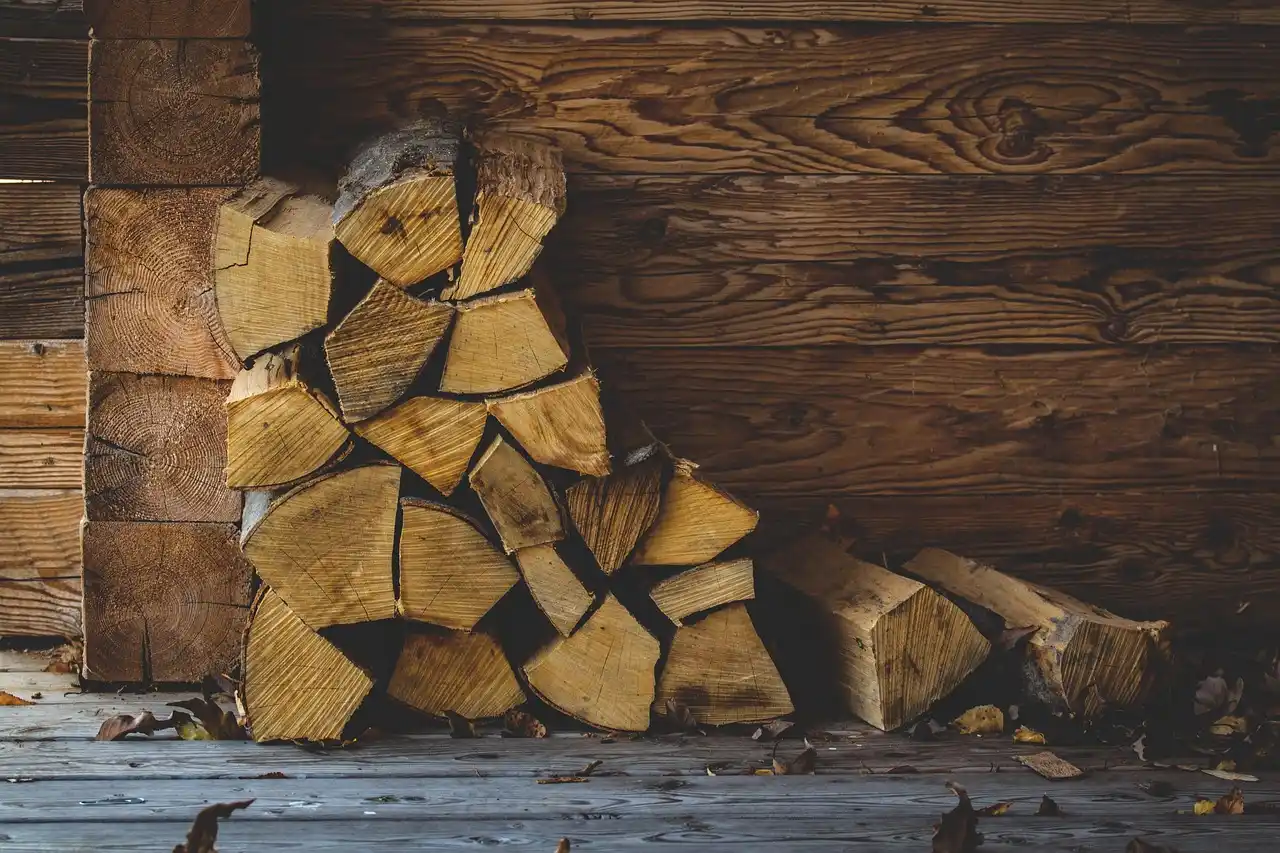
How to Store Firewood So It Dries Faster and Stays Dry
Store firewood off the ground, stack it in single rows with open ends facing moving air, and cover only the top. That setup dries wood faster and keeps rain from soaking it again. Poor stacking traps moisture, slows seasoning, and can leave you with smoky fires, creosote risk, and wood that never reaches burnable moisture content. The EPA Burn Wise guidance emphasizes dry, seasoned wood and good storage conditions; many extension sources use a practical target of under 20% moisture for burning. This guide shows where to place it, how high to stack it, what to cover, and how to keep the driest logs from getting re-wet.
Firewood drying basics


Firewood burns best when its moisture content is below 20%. Above that level, it lights harder, makes more smoke, and leaves more creosote in the flue. The EPA Burn Wise guidance recommends burning dry, seasoned wood, and university extension resources commonly use the under-20% threshold as the practical “ready to burn” mark. Storing wood can help it season further, but it does not turn wet wood into kiln-dried wood.
Seasoned wood and kiln-dried wood are not the same thing. Seasoned wood has dried in storage over time, usually outdoors with airflow and weather protection. Kiln-dried wood has been dried in a controlled process before sale. Even kiln-dried logs can reabsorb moisture if they are stored badly, so they still need off-ground storage, top cover, and airflow on all sides to stay dry.
Wet wood creates two problems at once: it burns poorly and it can stay wet longer if the stack is built badly. The top layer often dries first. The middle dries more slowly. The bottom layer is the one most likely to stay damp if the pile sits on soil, collects runoff, or has no room for air to pass through.
How should you stack firewood for faster drying?
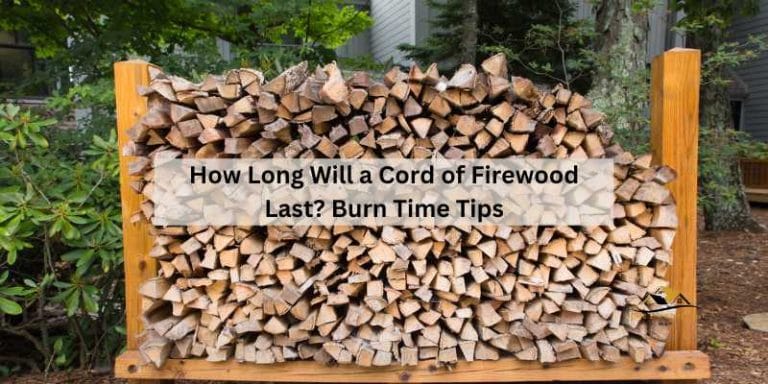
Stack firewood in single rows or crisscrossed patterns so air can move between pieces. Don’t pack the stack tight. Leave visible gaps between logs and keep the end grain exposed to moving air, because that is where moisture escapes fastest. A single row usually dries better than a double row when the goal is speed; use a double row only when space is limited and you can still preserve airflow.
A dense pile dries slowly because the center becomes a low-air pocket. The outside logs may season, while the middle stays damp. If a delivery lands in a jumble, re-stack it into narrower rows. Put the driest pieces on the top or outer edge, where they can shed moisture and avoid being buried under wetter logs.
Keep stack height manageable. A practical upper limit is about 4 feet for a stable drying row; taller piles are harder to keep even, can lean, and can compress the lower layers. That lower compression matters because it reduces airflow exactly where the stack is most likely to stay damp.
Say your wood arrives in a loose heap after rain. The fastest fix is not tighter piling. Spread the pile into two single rows, place the driest splits on top of each row, and leave space between pieces. That change gives the wettest wood more exposure and cuts down on hidden damp pockets.
In rainy or humid climates, widen the gaps a little more and avoid stacking directly under tree drip lines. In snowy areas, raise the base higher and choose a spot where snowmelt can drain away. In shaded yards, prioritize openness over compactness: fewer rows, more airflow, and less contact between pieces.
Keep firewood off the ground
Firewood should be stored off the ground to avoid soil moisture and rot. A raised base keeps the bottom layer from soaking up dampness from puddled soil, snow melt, and overnight condensation close to the ground. The USDA Forest Service and extension-style firewood storage guidance commonly recommend raising stacks several inches off the ground; a 3- to 4-inch gap is a practical minimum for the first row.
Good base options include pallets, concrete blocks, timbers, and log racks. The point is simple: create a dry buffer between the wood and wet ground. If the base sags, shifts, or sits in standing water, the bottom layer will re-wet faster than the rest of the pile and may stay damp even when the upper rows look ready.
Watch for these warning signs: the lowest splits feel cool and damp after a dry spell, the base shows soft soil or visible puddling, the bottom row darkens faster than the rest, or mold appears where the stack touches the support. Those are signs the base is failing and the wood needs to be lifted, reset, or moved.
Ground moisture moves upward through the bottom layer by direct contact and by damp air trapped under a pile with no clearance. That is why a clean-looking stack can still burn badly if the base is wrong. The driest wood is not the whole pile; it is the wood that stayed dry from the bottom up.
Should you cover firewood completely?
Cover only the top. A full wrap can trap moisture and slow drying, so only the top should be covered. Leave the sides open so wind can pass through the stack and remove moisture. The EPA Burn Wise advice is consistent with this approach: keep rain and snow off the top without sealing the pile shut.
Covering the sides makes the stack behave like a damp box. Moist air gets trapped after a storm, snow melt drips inward, and the wood can stay wet longer than an uncovered stack with open airflow. The goal is to keep new water off the top while letting old moisture leave from the sides.
Avoid airtight plastic wrap, closed bins, and full enclosures outdoors. Those setups can hold humidity around the wood and slow seasoning. If a cover hangs low enough to block the stack edges, lift it higher or trim it back so air can still reach the pile. A sloped top is better than a flat one because it sheds water instead of pooling it.
What kind of cover is best for firewood storage? Use a breathable, water-shedding top cover or a tarp that is secured only over the crown of the stack. Keep the sides open. If you use a tarp, fasten it so it does not billow into the wood or drape down over the lower rows.
Best place to store firewood outdoors

A sunny, breezy, well-drained spot dries wood faster than a shaded, soggy corner. Sun helps warm the stack, and wind strips away moisture from the surfaces and end grain. Keep the pile away from walls and fences so air can move around it. Many extension and fire-safety resources recommend leaving clear space around a woodpile rather than tucking it tight to a structure.
That distance is useful for more than drying. It also lowers the chance that a wet stack will transfer moisture to siding or sit in a sheltered pocket where air barely moves. If the only available spot is near a wall, leave a gap instead of pressing the pile tight against it.
Can I store firewood next to my house? It is better not to. A pile tight against siding, a deck, or a fence dries slowly, can collect debris, and can create pest pressure. If convenience matters, place the stack close enough to carry from without attaching it to the house or closing off the airflow. For indoor carrying, keep only a small amount inside and use a rack designed for indoor use rather than a loose pile.
Drainage matters as much as exposure. Do not put a pile where roof runoff, downspouts, or melting snow can wash across the base. If the area stays wet after rain, move the stack or raise it higher. A dry-looking top does not help if the base sits in a runoff path.
In rainy climates, choose the driest high point on the property and use a steeper top cover. In snowy climates, prioritize snowmelt drainage and a higher base. In humid climates, increase spacing between rows and avoid shaded pockets. In shaded yards, a single row and a more open layout usually matter more than trying to “protect” the pile with extra enclosure.
Firewood storage setup checklist
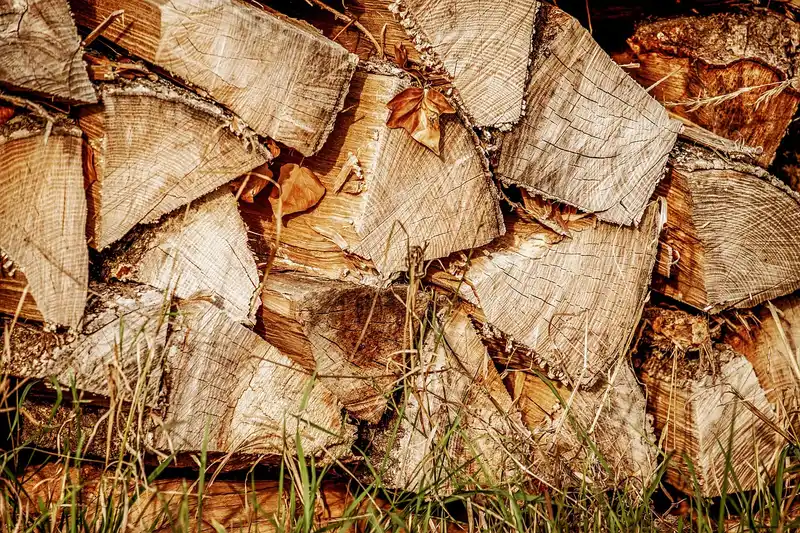
Use this scorecard to judge whether a stack is set up to dry or to stay damp. Score 1 point for each pass. A total of 8–10 points means the stack is ready or nearly ready. A score of 5–7 means it needs fixes before use. A score below 5 means it should be rebuilt for better drying.
| Factor | Pass criteria | Fail sign | Simple fix |
|---|---|---|---|
| Ground clearance | Wood sits at least 3 inches above soil | Logs touch dirt, grass, or puddles | Set the stack on pallets, blocks, timbers, or a rack |
| Side airflow | Open sides with visible gaps between logs | Stack looks packed tight or boxed in | Restack into a single row or loosen the pile |
| Top cover | Top is covered, sides remain open | Whole pile is wrapped or enclosed | Remove side wrap and leave only the top protected |
| Wall clearance | Space remains between pile and wall or fence | Wood touches siding, fencing, or decking | Pull stack away from the structure |
| Stack height | Height stays under 4 feet when possible | Stack leans or compresses the lower rows | Lower the stack and build a second row if needed |
| Sun exposure | Stack gets regular sun during the day | Stays shaded most of the day | Move it to a brighter spot if possible |
| Drainage | Water runs away from the pile | Puddles, runoff, or snow melt pool nearby | Shift the stack to a higher, drier area |
| Pest risk | Dry wood and clear surroundings | Termites, carpenter ants, or rodent signs appear | Remove debris, dry the pile, and restack off the ground |
| Indoor rotation | Older wood stays first in line for use | New wood gets mixed ahead of older wood | Move the oldest dry pieces to the most accessible spot |
| Moisture-check cadence | Wood is checked before burning and after wet weather | No checks after storms or long humid spells | Use a moisture meter and recheck the wettest rows |
This checklist is useful because storage failures usually show up in the same places first. The top row may look ready while the middle stays damp. The bottom may rot or mold while the top stays usable. A quick fix in the right layer can save a whole stack from drying unevenly.
Use a moisture meter the right way so the reading means something. Split a log and test the fresh face, not just the weathered outside. The outer shell can be drier than the interior, so a surface reading may look better than the wood really is. Check more than one piece from the middle and bottom rows before assuming the pile is ready.
Moisture meters help confirm the result. A common target is below 20%. That does not mean every split in a pile will read the same. The driest pieces are usually at the outer edge, while the center and bottom often lag behind. Check more than one spot before assuming the pile is ready.
How to keep firewood from getting moldy or pest-ridden
Mold and rot usually point to trapped moisture. If the stack has dark patches, musty odor, soft bark, or damp spots that keep returning after dry weather, the pile needs more airflow or a better base. The wood may still dry, but only if you remove the trapped moisture and stop the re-wetting.
Termites, carpenter ants, and rodents are more likely around damp wood than dry wood. Moist splits and debris at the base create shelter. Remove bark litter, keep the ground clear under and around the stack, and do not leave a wet pile pressed against a wall where insects can hide out of sight.
A common first-timer mistake is assuming a damp top means the whole pile is ruined. Usually the opposite is true. The top may dry after a storm, while the bottom row stays wet because of ground contact or poor drainage. If the bottom is the problem, lift the stack, improve airflow, and move the driest logs to the outer edge.
Suppose a wood stack sits in a shaded corner after a week of rain. If the bottom row smells musty and the upper row feels dry, the best move is to rebuild it on a raised base in a breezier spot. That change helps the wettest layer catch up instead of trapping the pile in a slow-drying pocket.
Frequently asked questions
How do I store firewood so it dries faster?
Put it on a raised base, stack it in single rows, and keep the top covered while the sides stay open. Move the driest pieces to the top or outer edge. A sunny, breezy, well-drained spot speeds drying more than a shaded or enclosed one. If the stack is deep, reduce it to a single row so the end grain stays exposed and air can reach the center.
Should firewood be covered completely or only on top?
Only on top. A full wrap can trap moisture and slow drying, while open sides let air remove dampness from the stack. Use a tarp, roof sheet, or similar cover overhead, and keep the edges open so the pile can breathe. If the cover reaches down the sides, raise it or secure it tighter so it does not seal the wood in.
How far off the ground should firewood be stacked?
At least 3 inches above the ground is a practical minimum, and 3 to 4 inches is a common target for the first row. That clearance reduces soil moisture transfer and helps the bottom layer dry instead of soaking up dampness from the surface below. Higher is often better in wet, snowy, or poorly drained yards.
Can I store firewood next to my house?
It is better to leave space. Wood stacked close against a house may dry more slowly and can raise pest and moisture concerns. Keep it away from siding, decks, and fences, and place it where air can move around the pile. Leave enough clearance that the wall does not block wind or trap runoff against the stack.
How do I keep firewood dry in winter?
Raise it off wet ground, cover only the top, and keep runoff away from the base. Winter snow melt can re-wet the lower layer even if the upper logs look fine. If the site gets puddles, move the stack to higher ground or improve drainage. In snowy climates, a slightly taller base and a steeper top cover help shed meltwater before it reaches the wood.
Should I bring firewood indoors before burning it?
Bring in only a day or two at a time. Large indoor piles can pick up indoor humidity if they sit too long, and logs can reabsorb moisture that way. Keep the indoor supply small and use the oldest dry pieces first. For indoor storage, use a safe rack that keeps wood stable, away from heat sources, and out of walkways.
Sponsored / affiliate links. As an Amazon Associate I earn from qualifying purchases. I may earn additional commission from eligible campaigns.