Space Heaters, Fireplaces and Winter Humidity
In winter, indoor relative humidity is often kept around 30% to 40%. Space heaters usually make air feel drier because they warm it, and fireplaces can dry rooms faster if they send indoor air up the flue. Miss that range and you can end up with static shocks, dry skin, window condensation, mold risk, or even a backdrafting hazard. This guide explains how heaters, fireplaces, humidifiers, and ventilation affect each other, and what to do in bedrooms, living rooms, nurseries, and basements.
How winter heat changes indoor humidity


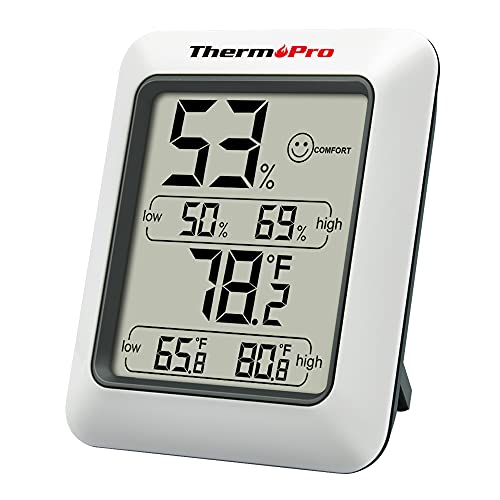

Relative humidity versus moisture already in the air
Relative humidity is a moving target, not a direct reading of how much water is in the air. When air warms up, it can hold more moisture, so relative humidity drops even if no water left the room.
That is why a room can feel dry after you turn on a heater. The heater did not remove water from the air, it changed the air temperature, so the same moisture now shows up as a lower percentage.
This matters because relative humidity is often the more useful reading for winter comfort checks and condensation control, even though absolute moisture still matters. Low relative humidity is linked to scratchy throats, dry skin, static, wood movement in furniture, and a stale indoor feel.
Perceived dryness is not the same as moisture loss
Electric heat often gets blamed for “drying out” a room. The more exact explanation is that space heaters can change room humidity readings a lot by warming air without adding moisture, which makes the room feel drier and makes a hygrometer read lower.
Air movement changes comfort too. A fan-forced heater can blow warm air across your skin and make dryness feel worse than a quieter heater at the same measured humidity.
Outdoor temperature changes the target indoors
A practical indoor winter target is often around 30% to 40% relative humidity, with a lower setting if windows, metal frames, or cold exterior corners start to collect moisture. That range usually cuts static and dry-air complaints without pushing cold surfaces into condensation.
As outdoor temperatures fall, indoor targets often need to drop, often toward the lower end of that range. If window glass, metal frames, or corners of exterior walls start collecting moisture, that is your cue to reduce humidifier output and check ventilation.
In a tight house with closed windows, the right setting in mild winter weather may be too high during a colder snap. The number matters, but window behavior matters too.
📊 Consumer Reports measures heating performance in a 204-square-foot room over 15 minutes. Source: Space Heater Buying Guide. That setup is most useful here as a reminder to compare heater output with room size and runtime, not to assume one heater will perform the same way in every space.
Why winter indoor humidity rises
Winter humidity usually climbs because moisture is being added faster than cold outdoor air and weak ventilation can remove it. The supporting article explains the most common causes—showers, cooking, laundry, an overworked humidifier, poor airflow, and leaks—and why the number you see may be condensation on cold surfaces rather than truly humid whole-house air.
That distinction matters because the fix depends on the source. If you want a clear step-by-step way to pinpoint what is raising moisture in your home, start with winter humidity causes.
When winter moisture needs a dehumidifier
A dehumidifier can still be useful in winter, but only when indoor humidity stays too high and the space is warm enough for the unit to work efficiently. The supporting guide explains how to tell when condensation, musty odors, or damp basement air mean moisture control is the real issue, and when running the machine would just waste energy or dry the air too much.
If you are deciding whether to use one in a cold room or basement, the winter dehumidifier guide lays out the temperature and humidity thresholds, plus the signs that point to a better fix instead.
How to bring winter humidity back into range
If your windows fog, the air feels clammy, or rooms smell musty in winter, the fix is usually to target the moisture source before adding more ventilation. The supporting guide on winter humidity control explains how to tell whether the problem is excess indoor moisture, poor airflow, or simple condensation from cold surfaces.
That matters because the right response is different in each case: run exhaust fans longer, improve air movement, use a dehumidifier when humidity stays high, or correct leaks and other moisture sources. The article also gives a practical target for winter indoor humidity, so you can reduce mold risk, stop sweating windows, and avoid wasting heat.
How to Improve Indoor Air Quality in Winter
Winter air gets stale fastest when pollutants build up indoors, humidity drifts too low, and ventilation is either skipped or overused. The most practical fix is to start with the source: reduce smoke, cooking residue, dust, and other triggers first, then bring humidity back into the 30% to 50% range, and only after that decide whether filtration or fresh air is needed. That order matters because it helps you avoid wasting energy, creating extra dryness, or adding moisture where it is not needed. For a step-by-step breakdown of the cheapest fixes first, see winter air quality.
Reversing fan direction for winter heat retention
Switching your ceiling fan to clockwise rotation at a low speed can push trapped warm air down, reducing the need for higher thermostat settings. However, this adjustment only helps if the fan creates gentle circulation without a noticeable draft; otherwise, it should remain off. The supporting guide explains exactly how to identify the clockwise setting from the floor, when to reverse the motor safely, and which specific room conditions make a fan a better choice than a space heater or fireplace. Winter fan direction offers a practical checklist to determine if this change will lower your heating costs or just chill the room further.
When a cold basement needs a dehumidifier
Cold basements are tricky because the right dehumidifier depends on temperature, not just moisture level. This article explains when a standard compressor model can still pull water from the air, where its performance drops, and why a desiccant unit can be the better fit in cooler spaces. It also covers practical humidity targets, sizing considerations, and the common problem of freeze-up that leaves you running a machine without getting real moisture control.
If your basement stays chilly for much of the year, the details in dehumidifier in cold basement can help you choose the right type, avoid wasted energy, and reduce the conditions that support mold.
Do space heaters make the air dry in winter?
Yes, in practice they often make a room feel drier, but electric space heaters do that by warming air, not by removing water from it. The drop in relative humidity depends more on runtime, room size, drafts, and starting moisture level than on the heater category alone.
What electric space heaters change, and what they do not
Portable electric heaters are supplemental heat sources. They raise room temperature, and that lower relative humidity reading can happen fast in a small closed room.
They do not add moisture. If a bedroom starts at 35% relative humidity and the air temperature rises while windows stay shut, the reading may drop enough to bring on dry skin or static even though the total moisture in the room barely changed.
That is why the usual fix is to add measured moisture with a humidifier in the same room, especially if the heater runs there for hours at a time.
Ceramic, oil-filled, and infrared heaters behave differently
Ceramic or fan-forced electric heaters warm room air quickly. The fan spreads heat better, but it also adds air movement, noise, and the dry-on-skin feeling some people notice.
Oil-filled radiator heaters usually warm more slowly and with less direct airflow. They often feel gentler because they rely less on a fan, though the humidity effect still comes from warmer air and longer runtime.
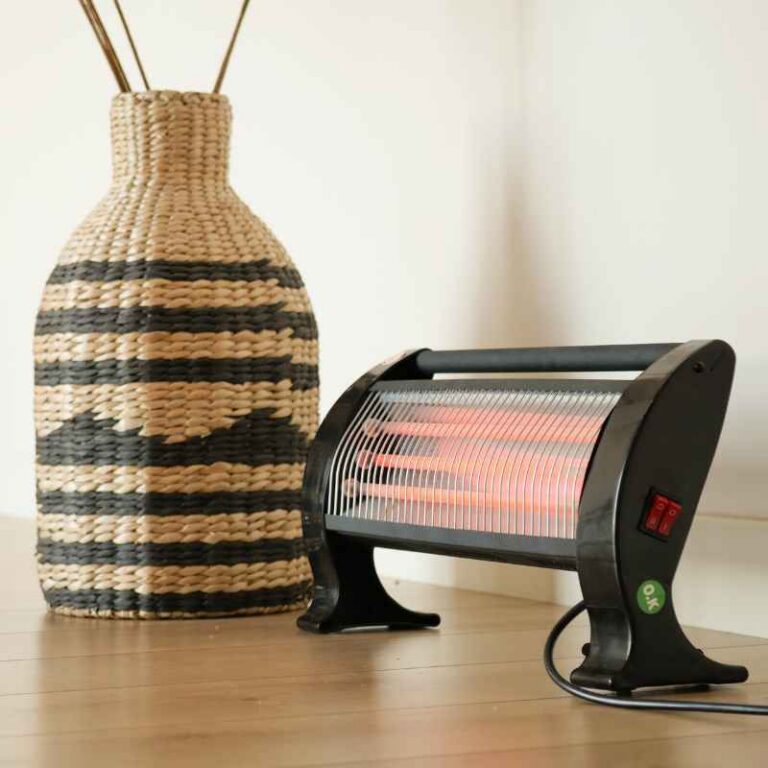
Infrared heaters warm people and nearby surfaces more directly. In a drafty room, they can sometimes feel comfortable without raising the whole room temperature as much, but any effect on relative-humidity drop still depends on the resulting room temperature and runtime.
No type gets a free pass on safety or moisture balance. A heater that runs longer in an undersized, leaky room can leave the air feeling drier than a different style used briefly in a tight room.
Why room size, runtime, and drafts matter more than labels
Consumer Reports measures heating performance in a 204-square-foot room over 15 minutes, which is a good reminder that heater results depend on a defined space and runtime. A portable heater that works in a small office may struggle in an open living room.
Small humidifiers are recommended for bedrooms and offices. Large humidifiers are recommended for houses. Matching the moisture source to the room matters as much as matching heater output.
Say your bedroom is small, the door stays shut, and a ceramic heater runs for hours overnight. The room may feel very dry by morning even if the rest of the house is fine, because you created a hotter microclimate without adding moisture.
What’s Actually Drying Out Your House in Winter
If your home feels dry in winter, the usual culprits are air leakage, ventilation, or heating—not necessarily a missing humidifier. This article explains how low indoor humidity affects comfort, why humidity can drop below 30%, and how to tell whether the problem is coming from outside air infiltration, exhaust fans, or your heating system. It also explains why dry air can mean higher heating costs, more static, and dry skin or throat irritation.
Use winter dryness causes to sort the likely cause first, then choose the fix that matches it. That matters because sealing leaks, adjusting ventilation, or adding humidity solve different problems, and the wrong fix can waste money without improving comfort.
Can a fireplace lower indoor humidity?

A fireplace can lower indoor humidity, but the effect depends on the type. An electric fireplace may mainly lower relative humidity by heating the room, while a wood-burning fireplace can dry a house faster by exhausting indoor air up the flue and pulling in colder outdoor air.
Electric fireplaces and humidity
An electric fireplace is basically a room heater with a flame effect. It does not create combustion gases, and it does not vent indoor air outdoors through a chimney.
Its moisture effect is therefore similar to other electric heat sources: warmer air, lower relative humidity, little direct change to actual water content. It still needs safe placement, though. Keep electric fireplaces at least 1 metre away from curtains, furniture, papers, bedding, and other flammable materials.
Unattended-use risk still applies. Never leave heaters on while unattended or sleeping.
Wood-burning fireplaces and whole-house drying
Wood-burning fireplaces change indoor air in two ways at once. They add heat to the room, and they also move large amounts of air up the chimney.
That exhaust has to be replaced. The house then pulls in colder, drier outdoor air through cracks, framing gaps, attic bypasses, or planned make-up air paths. After that replacement air is heated, relative humidity drops even more.
This is why a wood fire can make a room, and even nearby rooms, feel especially dry. The issue is heat, air exchange, and pressure change working together.
Suppose a living room with a wood-burning fireplace reads 34% relative humidity before a fire. A few hours later, the room feels parched and a hallway door starts pulling inward when opened. That points to airflow and depressurization, not just “too much heat.”
Smoke, airflow, carbon monoxide, and fuel handling
Any combustion appliance raises safety questions that an electric heater does not. Carbon monoxide risk is highest with fuel-burning equipment in enclosed spaces, and detectors should be installed and maintained near sleeping areas and on each level, following local code requirements.
Smoke spillage, lazy draft, persistent odor, or soot around the opening can signal airflow trouble. A fireplace competing with kitchen exhaust, bath fans, or a tight house can backdraft or draft poorly.
Use only suitable dry firewood for a wood-burning fireplace. Store fuel away from the firebox opening, place ashes in a metal container with a tight-fitting lid, and keep that container on a noncombustible surface until ashes are fully cold.
How fireplaces can affect your home’s heat balance
Fireplaces do not always add net warmth to a house. This article explains when an open fireplace actually pulls heated indoor air up the chimney, why that can make nearby rooms feel colder, and how factors like damper position, flue draft, room layout, and make-up air affect the result. It also shows which fireplace types tend to heat more effectively and which setup details can help you keep more warmth inside.
If you are trying to decide whether your fireplace is helping or hurting your comfort and energy use, fireplace heat loss is the key topic to understand. The guide gives practical ways to reduce wasted heat and improve how a fireplace fits into your home’s heating strategy.
Fireplace damper position when the fireplace isn’t in use
The short answer is that a fireplace damper is usually closed when the fireplace is not in use, because an open flue can pull warm indoor air out of the house and let cold air in. The supporting guide explains the correct default position, when gas fireplaces may be the exception, and how to tell whether a damper is causing drafts, smoke, or odor issues.
If you’re not sure whether your setup is wasting heat or trapping air where it shouldn’t, this fireplace damper guide breaks down the decision clearly, including what to do if the hardware is stuck or the chimney still feels drafty.
How to remove fireplace smoke odor after a fire
The fastest fix is to clean the surfaces and fabrics that hold odor, then improve airflow so the smell does not settle back in. The supporting guide explains what to clean first around the firebox, how to ventilate the room, and why the damper should be fully open while the fireplace is in use and after the fire is out.
It also covers when lingering odor points to a draft, creosote buildup, or another chimney problem that needs professional attention. For a step-by-step breakdown, see fireplace smoke smell.
How to clean fireplace glass doors the right way
If your fireplace glass looks cloudy, the right cleaner depends on the residue. The supporting guide explains how to handle dry soot on wood-burning fireplaces, white mineral film on gas units, and the gentler approach needed for electric models, so you do not scratch the glass or leave a permanent haze. It also shows which products are safe to use and which common shortcuts cause more buildup over time.
For a step-by-step breakdown of cleaner choices, safe wiping methods, and the most common mistakes to avoid, see fireplace glass cleaning.
What indoor humidity should you aim for when using heaters?
A practical target is about 30% to 40% relative humidity in winter, then lower the setting if windows or other cold surfaces start collecting moisture. Below about 30% often feels dry, while above about 50% in winter calls for caution because condensation and mold risk rise.
A workable winter target range
The 30% to 40% band is a good starting point for most heated rooms. It is high enough to reduce many dry-air complaints and low enough to avoid many winter condensation problems.
Below about 30%, common comfort complaints increase: static, scratchy throat, dry skin, and wood shrinkage in floors or furniture. Dry skin or static alone is not proof, verify with a hygrometer before changing equipment.
When to go lower
If outdoor temperatures plunge and windows fog, sweat, or show ice at the edges, the indoor humidity target is too high for those conditions. Lower the humidifier output first, then check whether spot heating is overheating one area while the rest of the house stays cooler.
Very cold weather often means the safest comfortable setting sits near the lower end of the range. Houses with older windows or thermal bridges usually need lower settings sooner than houses with better-insulated windows.
Signs the air is too dry or too humid
Likely too dry: hygrometer below about 30%, static shocks, scratchy throat, dry skin, wood movement, and plants drying faster than usual.
Likely too humid: hygrometer above about 50% in winter, condensation on windows, damp corners, musty odor, or visible moisture near trim or sills.
If one room reads very different from the rest of the house, treat it as a room-level system first. A nursery with a closed door and a heater may need a different humidifier setting than a large open basement.
Humidity response decision table
| Heat source setup | Expected humidity effect | Correct response |
|---|---|---|
| Space heater only in a bedroom or office; door mostly closed; hygrometer below about 30% RH | Relative humidity drops as air warms; dryness often shows up fast in smaller rooms | Add a humidifier in the same room, matched to room size; small units fit bedrooms and offices. Recheck after the room reaches normal temperature, and reduce heater runtime if the room is overheating. |
| Electric fireplace only in a living room; RH 30% to 40%; no window condensation | Mainly a comfort and spot-heat effect; little direct change to actual moisture content | No automatic humidifier needed. Keep monitoring RH and maintain 1 metre clearance from flammables. If the room feels dry, verify the reading before adding moisture. |
| Wood-burning fireplace in use for several hours; doors feel drafty; RH falling toward 30% or lower | Heat lowers RH and the flue exhaust pulls in colder, drier outdoor air through leaks or make-up air paths | Check draft and smoke behavior, reduce competing exhaust fans if safe, and use a humidifier only after confirming no condensation problem. If smoke spills or CO alarms activate, stop use and investigate immediately. |
| Mixed heat sources: portable heater in one room plus fireplace elsewhere; some rooms dry, others normal | Uneven temperatures create uneven RH, so one room may need moisture while another does not | Measure each room separately. Humidify only the dry room first, and reduce spot heat if the room temperature is much higher than the rest of the house. |
| Very dry air; RH below about 30%; scratchy throat or static; no visible window moisture | Comfort problems likely from low RH, warm air, and possibly air movement from fan heaters | Increase humidity gradually toward 30% to 40%, use the unit in the same room as the heater, and check for drafts or fireplace depressurization if symptoms persist. |
| Overly humid air; RH above about 50% in winter or visible window condensation | Moisture is now too high for the building conditions; mold and damp framing risk rise | Lower humidifier output, shorten runtime, ventilate with bath or kitchen exhaust where appropriate, and reduce spot heating that is driving uneven temperatures. Investigate sealed windows, poor circulation, or oversized humidifier output. |
Should you use a humidifier with a space heater?
Use a humidifier with a space heater when measured relative humidity is low, the room feels dry, and there is no sign of window condensation. The right choice depends on room size, heater runtime, and whether the space is a closed bedroom, open living room, or damp-prone basement.
When added moisture helps
A humidifier is generally the best way to correct low relative humidity from a space heater. For better efficiency, use it in the same room as the heater instead of trying to fix one dry room from across the house.
That matters with supplemental heat. A nursery heated by a portable unit may need a small room humidifier even if the central part of the house does not.
Cool mist versus warm mist
Cool-mist units avoid the burn risk of hot steam. They are often the simpler fit for bedrooms and nurseries, though some ultrasonic models can leave mineral dust if the water is hard and the unit lacks suitable filtration or demineralization support.
Warm-mist units can feel comfortable nearby and may spread moisture well in smaller rooms, but they introduce a hot-water or hot-steam hazard. That can matter around children and pets.
Cleaning is not optional with either type. Dirty tanks and wetted parts can support mold growth, and neglected ultrasonic units can spread visible mineral residue.
Sizing to the room and avoiding over-humidifying
Small humidifiers are recommended for bedrooms and offices. Large humidifiers are recommended for houses. That room match matters because an oversized unit in a tight room can push humidity too high long before the rest of the house benefits.
Picture a sealed home office with a portable heater under the desk and a large humidifier meant for a much bigger area. The dry-air complaint can flip into wet windows and a musty smell in a day or two because moisture overshot the room’s safe range.
Use a hygrometer, then adjust in small steps. Add moisture only until the room lands in the target band without condensation.
How often to clean a humidifier
If you’re using a humidifier to counter dry indoor air, cleaning schedule matters as much as the moisture level itself. A portable unit used daily should usually be cleaned weekly; with distilled water and lighter use, every 1–2 weeks may be enough. If you notice odor, slime, or visible buildup, clean it immediately. The full humidifier cleaning guide explains how water type, runtime, filter use, and the humidifier style change that schedule.
That matters because poor maintenance can spread mineral dust, support mold growth, clog parts, and shorten the unit’s life—exactly the problems you want to avoid in a heated, dry house.
How do you keep humidity from getting too high in a heated house?
Keep winter humidity from climbing too high by watching windows first, not skin comfort alone. If relative humidity moves above about 50% or you see condensation, reduce humidifier output, improve ventilation, and check whether spot heating is creating uneven temperatures that hide a moisture problem.
Window condensation is the early warning
Water on the glass is more than a nuisance. It means indoor air has reached the dew point at that surface, and framing or wall areas colder than the glass may be at risk too.
Act early. Reduce humidifier output before moisture starts collecting in corners, behind furniture on exterior walls, or around sashes.
Ventilation and moisture-source control
Use bath fans after showers and kitchen exhaust during heavy cooking if those fans vent outdoors. In a tight house, everyday activities can add a surprising amount of moisture once windows stay closed for winter.
If a wood-burning fireplace is already depressurizing the house, balance matters. Do not run multiple strong exhaust devices without understanding how they affect draft and combustion safety.
When to lower humidifier output or reduce spot heating
Sometimes the best fix is less heat in one room, not more moisture. A heavily heated room can show low relative humidity even while adjacent cooler rooms are near condensation limits.
Reduce the temperature difference first when it is extreme. Then retest humidity across rooms rather than assuming the whole house needs the same setting.
Why a humidifier can run without raising humidity
If your room still feels dry, the issue is usually not the humidifier itself but one of a few common limits: the unit may be too small, set too low, clogged, poorly placed, or working in a room that leaks air faster than it can humidify. The supporting guide walks through each cause so you can pinpoint why output looks normal but humidity stays low.
That matters because chasing the wrong fix wastes water and time while dry-air problems continue. For a practical checklist of capacity, settings, maintenance, placement, and room conditions, see why humidifiers fail.
Safe setup for space heaters and fireplaces
Clearance, placement, and outlets
Keep portable space heaters and electric fireplaces at least 1 metre away from curtains, bedding, furniture, papers, and other flammables. Place portable heaters on a flat, stable surface where they cannot tip or be knocked into fabrics.
Plug space heaters directly into a wall outlet. Do not use a power strip or extension cord unless the manufacturer clearly allows it.
Safety certification and protective features
Look for a recognized safety certification label. That label means the product line was evaluated to a relevant standard, which matters because fire safety depends on more than how hot the heater feels during normal use.
Tip-over protection and overheat shutoff are especially important on portable heaters. Consumer Reports includes tip-over, overheat, and drape tests in its fire safety score, which is a useful reminder of the failure modes worth shopping for.
Unattended use, sleeping, and overnight risk
Portable heaters and electric fireplaces are poor choices for unattended operation. Do not run them while sleeping.
Bedrooms are where shortcuts show up. Blankets drift, pets move gear, and doors change airflow. A timer is not a substitute for safe attended use.
Fireplace fuel, ashes, and detector placement
For wood-burning fireplaces, keep fuel handling orderly. Do not stack kindling or logs where embers can reach them, and remove ashes to a metal container with a tight-fitting lid.
Install and maintain carbon monoxide alarms near sleeping areas and on each level as local code requires. Smoke alarms still matter, but they do not replace carbon monoxide detection around combustion equipment.
What to know before running a propane heater indoors
Propane heaters can be dangerous indoors if they are not designed and used for that setting, because combustion can raise carbon monoxide levels and reduce available oxygen. The supporting guide breaks down the key decision points: how to tell whether a heater is indoor-rated, what ventilation a unit may need, what can happen in a closed room, and how placement and clearance affect safety.
If you are comparing heater types or checking a unit you already own, the article on propane heater use helps you avoid assumptions that can lead to poor air quality or fire risk. That matters most in bedrooms, garages, and other enclosed spaces where heat buildup can hide a bigger safety problem.
How to Compare Space Heater Safety Features
The key difference is simple: tip-over protection shuts a heater off if it gets knocked over, while overheat protection shuts it off when internal temperatures rise too high. That distinction matters because the safer choice depends on where the heater will sit, whether it may be bumped, and how well air can move around it. The supporting guide on tip-over vs overheat protection explains when each feature is most useful and how they work together in real setups.
Use tip-over protection for high-traffic rooms, pets, or unstable surfaces. Prioritize overheat protection when airflow could be restricted by walls, curtains, dust, or nearby objects. Understanding both helps you choose a heater that fits the room instead of relying on one safety feature alone.
Cleaning Your Space Heater Safely
Cleaning your space heater regularly prevents fire hazards, maintains heating efficiency, and extends the unit’s lifespan. The guide clean a space heater walks you through a step‑by‑step, no‑disassembly method: unplug and cool the unit, vacuum vents with a brush attachment, wipe the exterior, and run a post‑cleaning safety checklist before plugging it back in. It also highlights what to verify in the manual, how far to place the heater from flammable items, and answers common FAQs, ensuring you can safely use the heater throughout winter without risking fire or electric shock.
Using a Space Heater in a Garage or Workshop
A space heater can be a practical way to take the chill off a garage or workshop, but only when the space is dry, the unit is rated for indoor use, and the electrical load and stored materials are compatible with the heater’s safety requirements. This matters because garages often have extension cords, fuel cans, sawdust, solvents, and limited insulation—conditions that can turn a simple heater into a fire or overload risk.
The supporting guide on garage heater safety breaks down when a heater is appropriate, what type fits different spaces, and the clearance, ventilation, and wiring checks that help you use heat more safely without creating new hazards.
Safe Clearance Distances for Space Heaters
Proper clearance around a portable space heater is one of the most important steps for preventing household fires. The supporting guide breaks down exactly how far you need to keep your heater from walls, beds, and curtains depending on the unit type and room layout, plus what surfaces qualify as combustible.
If you’re unsure whether your setup meets safety standards, this space heater safe distance explains placement rules by heater style, small-room workarounds, and common FAQs so you can position your unit with confidence.
When a Gas Fireplace Clicks but Won’t Ignite
If your fireplace is clicking but not lighting, the issue is usually narrowed to one of three things: gas isn’t reaching the unit, the igniter or electrode has failed, or the pilot/sensor is dirty or not working properly. The supporting guide explains how the click pattern helps you identify which fault is most likely, so you can avoid guessing and repeating failed starts.
That matters because a no-light condition can waste fuel, leave the room cold, and point to a problem that may need cleaning, part replacement, or a service call. See gas fireplace clicking issue for the checks to make first and the most common mistakes to avoid.
Why a Fireplace Starts Smoking Into the Room
If smoke is spilling indoors, the issue is usually a draft problem, a blocked flue, or air pressure in the house—not just “dirty air.” The supporting guide explains how to tell whether the smoke happens only at startup or continues after the fire has been burning, which is the fastest way to narrow down the cause. It also shows what to check first, including the damper, chimney condition, and whether the room is pulling air away from the fireplace.
That matters because the fix is different depending on the pattern: a cold flue may only need warming, while ongoing smoke can signal a blockage or a safety hazard. For a step-by-step breakdown, see fireplace smoking causes.
Understand a Space Heater’s Wattage Before You Plug It In
A space heater’s wattage tells you how much electricity it draws and whether it can safely share a circuit with other devices. Most models are around 1,500 watts on high, but lower settings may still pull enough power to matter. Knowing the number helps you estimate running costs, compare heater settings, and avoid overloading a 15-amp or 20-amp circuit.
The space heater wattage guide breaks down the typical watt ranges, how to convert watts to amps and kWh, and what those figures mean for monthly electricity use. That makes it easier to choose a heater setting that fits your room, your breaker, and your budget.
How to Know How Many Space Heaters a Circuit Can Support
The safe answer is usually one standard 1,500-watt space heater on a 15-amp or 20-amp 120-volt circuit, and only if that circuit is not already powering much else. The supporting article breaks down why the real limit is total circuit load, not the number of heaters, and shows how breaker size, heater wattage, and other plugged-in devices change the risk of overload.
That matters because too much demand can trip the breaker, overheat wiring, and create a fire hazard. If you want a practical way to judge a room setup before plugging in another heater, see space heater circuit limits.
How long space heaters should last and when to replace them
Most space heaters are not meant to last forever; the typical lifespan is about 5 to 10 years, depending on type, use, and maintenance. The supporting guide on space heater lifespan explains what affects durability, how long ceramic, oil-filled, and fan heaters usually hold up, and which wear signs mean it’s time to stop using a unit.
This matters because a heater that’s aging, damaged, or missing modern safety features can become less reliable and more hazardous, increasing fire risk or causing nuisance breaker trips. The article also shows when a repair is worth considering and when replacement is the safer, more practical choice.
When a space heater thermostat is worth paying for
If you’ll run a space heater for more than a brief burst, a thermostat usually makes it easier to keep a room comfortable without constant manual adjustments. The supporting article explains what the thermostat does, when it helps steady temperatures, and when a simpler heater may be enough for quick spot warmth. It also compares comfort, runtime, energy use, and safety so you can decide whether the extra feature matches how you actually heat a room. For a deeper breakdown of the tradeoffs, see space heater thermostat.
How Much an Electric Fireplace Adds to Your Power Bill
Electric fireplaces are usually inexpensive to run in flame-only mode, but the cost changes fast once the heater turns on. A typical unit draws about 750 to 1,500 watts in heat mode, so the real monthly impact depends on both wattage and how long you run it. The electric fireplace electricity guide breaks down those numbers into hourly and monthly costs, so you can judge whether the fireplace is a light accent feature or a meaningful part of your heating plan.
That matters because a low-wattage-looking appliance can still become expensive if it runs for hours each day. Knowing the cost upfront helps you compare it with space heaters, set realistic expectations, and choose the right mode for comfort without wasting power.
Is It Safe to Run an Electric Fireplace Overnight?
This article gives a clear answer on overnight use of electric fireplaces, including when flame-only mode is generally acceptable and when heater mode needs more caution. It explains why the owner’s manual matters, what built-in shutoff features can help, and which setup details—like clearances, cord condition, and outlet safety—should be checked before leaving the unit on while you sleep.
If you’re comparing comfort with safety, the guide on electric fireplace overnight use helps you decide whether your model is suitable for unattended operation and what precautions reduce risk.
Why One Space Heater Usually Won’t Heat an Entire House
A single portable space heater is designed to warm a room, not replace a central heating system. The supporting guide explains the practical limits: how much area one unit can realistically cover, when running several heaters starts to make sense, and why power draw can quickly raise electric bills or overload circuits. It also helps you judge when a space heater is a short-term fix versus a poor long-term strategy.
If you’re trying to decide whether this setup is safe, affordable, or even realistic for your home, space heater whole-house heating breaks down the tradeoffs clearly so you can choose the right heat source before relying on one unit too heavily.
If you added humidity but still feel dry
Check the reading before changing equipment again
Start with the hygrometer. Compare it in another room, or use a second meter for a reality check if the number seems out of step with obvious symptoms.
Then check room temperature. A room that is much warmer than the rest of the house can feel dry even at a reading that would feel fine elsewhere.
Look for drafts and fireplace-driven pressure problems
Cold air leaks around windows, sill plates, and attic bypasses can create a dry, chilly sensation that a humidifier will not solve. A wood-burning fireplace can worsen that by pulling more replacement air indoors.
If doors pull, fireplace draft seems erratic, or one room dries out only when the fire is on, check depressurization before raising humidity further.
Inspect humidifier output, cleaning, and room match
- Confirm the humidifier is sized for the room, not the whole house.
- Place it in the same room as the space heater when that room is the problem area.
- Clean the tank and wetted parts on schedule so output is not reduced by scale or film.
- Check for mineral dust if using an ultrasonic unit with hard water.
- Reduce overuse of spot heat if one room is far hotter than adjacent rooms.
A common first-timer mistake is adding a humidifier to the hallway while the dry room is a shut-door bedroom heated by a portable unit. The bedroom still reads low, so the rest of the house gets wetter while the problem room barely changes.
Low-cost ways to add moisture without a humidifier
If your house feels dry but you do not want to buy a humidifier, this article shows the practical fixes that add moisture with everyday habits and simple adjustments. It explains how to check whether your home is actually too dry, which room-level actions raise humidity fastest, and how to keep moisture from escaping through leaks, ventilation, and overactive heat. The goal is to bring indoor conditions into the safe 30% to 50% range without creating condensation or mold.
That makes the guide especially useful if you notice static shocks, dry skin, or heating season dryness and want to start with the simplest solutions. For a clear step-by-step breakdown, see how to raise humidity.
Frequently asked questions
How far should a space heater be from furniture and curtains?
Keep a portable space heater at least 1 metre away from furniture, curtains, bedding, papers, and similar flammables. Put it on a flat, stable surface and plug it directly into a wall outlet unless the manufacturer states another setup is acceptable.
Can I leave a space heater on while I sleep?
Generally, no. Portable heaters should not be left on while sleeping or unattended. Bedrooms add extra risk because bedding, pets, and restricted airflow can change conditions while you are asleep.
What safety features should a winter heater have?
Look for a recognized safety certification label, tip-over protection, and overheat shutoff on portable heaters. Those features address common failure modes, including blocked airflow and accidental tipping. For electric fireplaces, keep the same focus on certification, clearance, and unattended-use limits.
Sponsored / affiliate links. As an Amazon Associate I earn from qualifying purchases. I may earn additional commission from eligible campaigns.