Tip-Over vs Overheat Protection on a Space Heater
Tip-over protection shuts a heater off if it falls; overheat protection shuts it off if internal parts get too hot. The safer choice depends on placement, cords, floor traffic, dust, and airflow. Tip-over matters most where a bump is likely. Overheat protection matters most where heat can build up around the unit.
This guide is part of our Space Heaters, Fireplaces and Winter Humidity Guide series.
For broader safety context, see heater safety, heater wattage, bedroom heater, UL vs ETL, and thermostat.
| Decision factor | Tip-Over | Overheat Protection on a Space Heater | Winner |
|---|---|---|---|
| Main failure it stops | Cuts power after the heater is knocked over. | Cuts power after internal temperature climbs too high. | Tie |
| Best placement risk | Open floor traffic, pets, or a heater that can be bumped. | Cramped plugs, blocked intake or outlet paths, dust buildup, or poor airflow. | Tie |
| What it does not solve | It does not stop heat buildup from dust or blocked vents. | It does not stop a heater from falling over if the room is busy. | Tie |
| Buyer confidence signal | Useful on portable ceramic heaters with a stable base and cord management. | Shows the heater has a separate internal safety cutoff, often with sensors or a thermal cutoff. | Overheat Protection on a Space Heater |
| How it fits with other controls | Works beside a thermostat, but it is not a thermostat. | Works beside a thermostat, but it is not a thermostat. | Tie |
What is the difference between tip-over protection and overheat protection?
These are two different shutdown systems. Tip-over protection detects that the heater has been knocked over and cuts power automatically. Overheat protection watches internal temperature and shuts the unit down when heat inside the heater crosses a safe limit; that limit is usually handled by a sensor, a thermal cutoff, or both.
Automatic shut-off is broader than either feature. A heater may shut down because it tipped, overheated, or because a timer or thermostat told it to cycle off. The thermostat is a separate control that keeps temperature near a set point by turning heat on and off during normal operation. For more on that control, see thermostat.
What each shutdown system detects
Tip-over protection is mechanical or switch based. On many portable ceramic heaters, a tip-over protection switch reacts when the unit is no longer upright and interrupts power to stop it from continuing to heat when it has fallen over.
Overheat protection is internal. Depending on the design, it may include bi-metal switches, thermistors, thermal cutoffs, or thermal fuses. Those parts stop power when the heater body or internal components get too hot. That helps prevent fire and component damage.
Why automatic shut-off is broader than either feature
Automatic shut-off does not tell you which hazard triggered the shutdown. It may be a safety cutoff from tipping, a high-temperature trip, or a timer-based stop. That is why the label matters: the phrase alone does not confirm what condition the heater is monitoring.
Say a tower heater with a 240-minute timer turns off at the end of a long run. That is not the same event as overheat protection. One is scheduled cycling; the other is a safety response to internal temperature.
Where the thermostat fits in the control chain
The thermostat keeps room output near a target setting. It is about comfort and cycling, not emergency shutdown. A heater can have a thermostat and still lack either tip-over protection or a true overheat cutoff, so do not treat those features as interchangeable.
For buyers, that separation matters. A thermostat may reduce runtime, but it does not stop a heater from overheating if intake vents are blocked or if the unit is packed too close to curtains, bedding, or stored items. Learn more on thermostat and heater safety.
Which safety feature matters most?
The better safeguard depends on where the heater sits and what can go wrong there. In an open bedroom floor setup, tip-over protection usually deserves more attention because the unit can be bumped. In a tight plug-in spot or dusty corner, overheat protection matters more because airflow and internal heat are the main risks.
Bedroom floor use
For a bedroom on the floor, tip-over protection is usually the first safeguard to check. A portable ceramic space heater is common in bedrooms and offices, often with 900W and 1500W modes, but floor traffic and bedding make knockover risk more realistic than in a fixed corner. See the practical tradeoffs on bedroom heater and heater wattage.
Choose a model with both protections if possible. That gives you shutdown from a fall and shutdown from heat buildup inside the unit.
Desk use
For desk use, overheat protection matters more because paper, draped cords, and nearby objects can reduce airflow around the heater. A desk heater with both tip-over and overheat protection is generally a better pick than one that only covers falling.
A reputable retailer spec sheet can help confirm feature labels, but the manual should be the source of truth for clearances, controls, and safety cutoffs.
Hallway use
Hallways put more emphasis on tip-over protection. People passing through can brush the heater, and pets or doors can move it. The heating load is less important than the chance of a bump or a sudden shift in position.
Keep the cord out of the walking path either way. A heater that stays upright is still unsafe if a cord can snag and drag it.
Pet-heavy homes
Pet-heavy homes usually need tip-over protection first, then overheat protection second. Pets can bump a unit, rub against a base, or shift a blanket that lands near the intake. Those are different hazards, and each one points to a different shutdown system.
A common first-timer mistake is buying a heater for a living room with cats and focusing only on thermostat settings. A thermostat helps comfort, but it does not stop a tipping event.
Cramped plug-in locations
Cramped plug-in locations favor overheat protection. If the heater sits close to a wall, outlet cluster, or other objects, the bigger concern is blocked airflow and internal heat rise. Tip-over protection still helps, but it is not the main defense in that setup.
Portable space heaters should generally plug directly into a wall outlet. Do not rely on an extension cord unless the manufacturer specifically allows that setup in the manual.
Space heater decision table
| Use case | Likely hazard | Primary protection | Failure signs and user behavior still needed |
|---|---|---|---|
| Bedroom floor use | Knockover from traffic, pets, or bedding contact | Tip-Over | Look for a heater that shuts off when tilted or bumped. Keep it clear of blankets, curtains, and anything that can fall onto it. |
| Desk use | Airflow blockage from papers, bags, or tight placement | Overheat Protection on a Space Heater | Repeated shutoffs can point to blocked vents, dust, or poor clearance. Move the heater, clean it only as the manual allows, and check for a direct wall outlet. |
| Hallway use | Accidental bumping or tripping over the unit | Tip-Over | If the heater tilts or slides, it should stop heating immediately. Keep cords flat and out of the path. |
| Pet-heavy homes | Paw contact, brushing, or blanket contact | Tip-Over | Check that the unit powers down after a nudge. Do not leave it running around pets, even if it has both protections. |
| Cramped plug-in locations | Heat buildup from restricted airflow | Overheat Protection on a Space Heater | If it clicks off after a while, inspect for blocked intake, outlet obstruction, dust, or a placement that is too tight against walls or furniture. |
The table points to the hazard first, then the safeguard. That order matters because a heater can have both protections and still be the wrong fit for a crowded hallway or a dusty desk nook.
Can a heater still overheat?
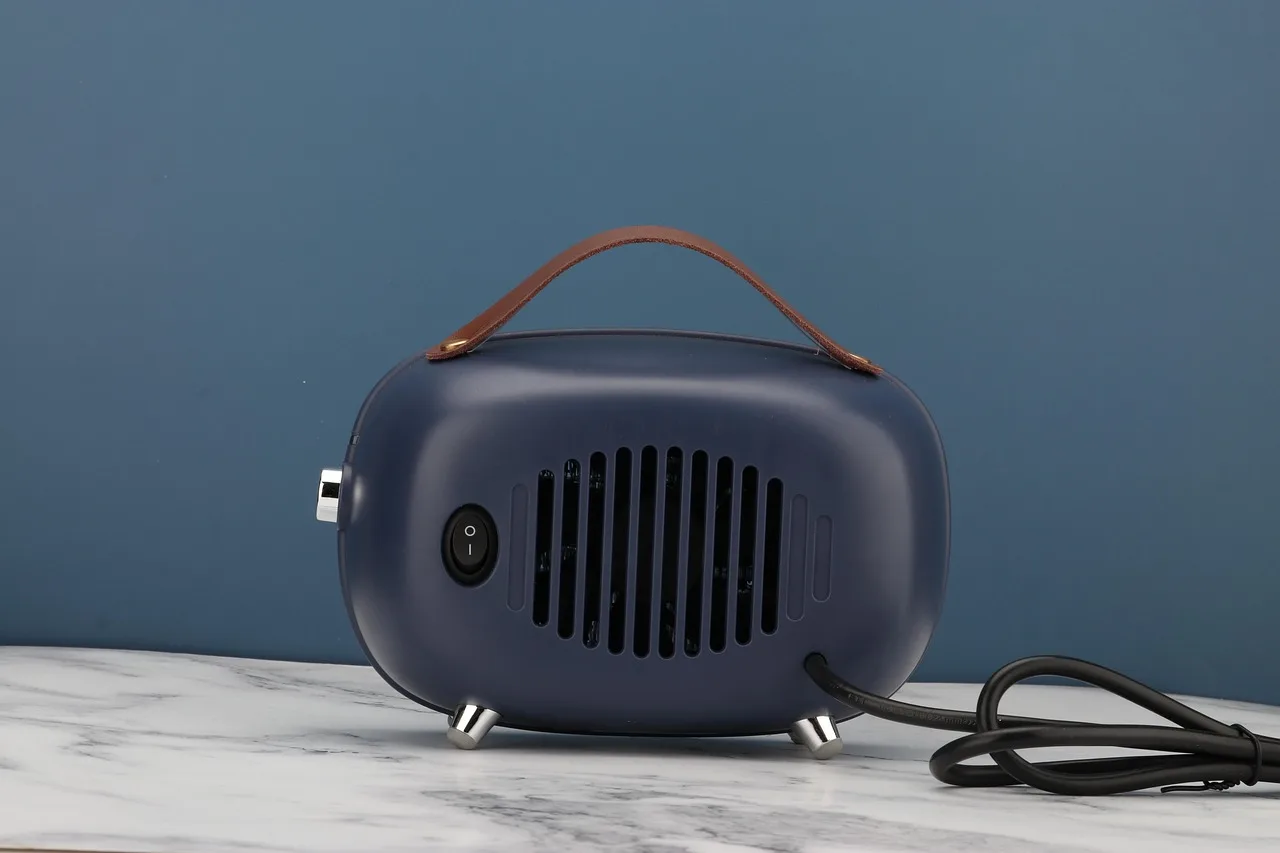
Yes. A space heater can still overheat even if it has tip-over protection, because the two systems watch different problems. Tip-over protects against falling. Overheat protection watches internal temperature, and that temperature can rise because of blocked vents, dust, poor placement, or a failing component.
Common triggers for overheat shutdown
Blocked intake or outlet openings are the most common triggers. Dust buildup can reduce airflow. A heater placed too close to bedding, drapes, furniture, or a wall can also trap heat around the casing and force a shutdown.
Manufacturer manuals and safety guidance from groups such as CPSC and NFPA consistently stress clearances, open airflow, and keeping heaters away from combustibles. That guidance is more reliable than retail copy for safety behavior.
What repeated shutoffs can mean
Repeated shutoffs do not always mean the heater is failing. They can also mean the unit is being used in a spot with restricted airflow, or that dust has collected on the intake, filter, or vents. A thermal fuse may open as backup protection in some models, and some fuses are one-time use.
Suppose a ceramic heater runs for 20 minutes, clicks off, then restarts after cooling. That pattern can point to heat buildup from blocked airflow rather than a bad room size or an automatically bad heater.
When to stop using the heater and check the manual
Stop using it if shutdowns happen in a normal, open setup and the heater still overheats after you clear the area and clean it as directed. Check the manual for allowable clearances, cleaning steps, and whether the model uses a thermal fuse, sensor, or serviceable part.
If the unit trips in a new location with clear airflow, the manual is the right next step. Do not keep resetting it over and over. Repeated trips mean the safety system is doing its job, but they also mean the setup needs attention.
What makes a bedroom heater safer?
A safer bedroom heater has both tip-over and overheat protection, plus clear safety listings and sensible controls. Look for ETL-listed models, and UL listing when available, because those marks signal compliance and testing. Cool-touch housing, a thermostat, and a timer help too, but they do not replace the two shutdown systems. See also UL vs ETL.
ETL and UL markings
Manufacturer manuals and certification listings are stronger sources than retail roundups for confirming what a heater actually includes. If a model is marked UL-listed or ETL-listed, that indicates it was evaluated to a safety standard; the manual then explains how the protection systems work in that specific design.
Wattage alone does not determine safety. Two heaters can both use 900W and 1500W settings, yet differ in airflow design, cutoff method, and clearance requirements. For context, see heater wattage.
Cool-touch exterior and quiet operation
Cool-touch housings reduce the chance of a burn if someone brushes the unit. Quiet operation matters in bedrooms and offices because a heater that is easy to live with is less likely to get moved or misused. Those are comfort features, but they support safe placement by making the heater easier to keep in one correct spot.
Different heater styles can use different wattage modes while still relying on the same type of overheat cutoff. The mode changes output; the safety cutoff changes the shutdown behavior.
Cord and placement rules
Keep the heater on a stable, level surface with nothing blocking the front, back, or intake side. Plug it directly into a wall outlet unless the manual says otherwise. Do not tuck it behind curtains, bedding, or a desk panel where heat can collect around the casing.
Examples in manufacturer literature and safety guidance often pair a thermostat with a separate tip-over or overheat cutoff. Those are distinct functions, not duplicate labels.
What protection parts are inside heaters?
Inside many heaters, the cutoff system is not a single part. A thermostat manages normal cycling, a bi-metal sensor or thermistor can monitor temperature, and a thermal fuse may sit in the background as backup protection. Each part has a different job.
Thermal fuse as backup cutoff
A thermal fuse is heat-sensitive and may be one-time use. If it opens, the heater usually stops heating until the part is replaced by a qualified service process or the unit is serviced according to the manufacturer’s instructions.
That matters because a thermal fuse is not a user control. It is a protective component that can save the heater from further damage after an overheat event.
Bi-metal sensor or thermistor shutdown
A bi-metal sensor bends with heat. A thermistor changes resistance as temperature changes. Either one can signal the control board to shut the heater down when internal temperature crosses a limit.
Those parts are common in modern heaters because they can react before components are damaged. The sensor is part of the safety chain, not a comfort setting.
Why a failed cutoff needs service or replacement
If a cutoff fails, you lose the protection that should stop heat rise or a runaway condition. A heater that no longer shuts down when it should, or one that trips constantly in an open and clean setup, should not stay in service until it is checked against the manual or serviced as directed.
Timers and safety cutoffs are separate features. A timer controls runtime. A cutoff handles a fault.
Choose Tip-Over if… / Choose Overheat Protection on a Space Heater if…
Choose Tip-Over if the heater will sit where people or pets can bump it, such as a bedroom floor, hallway, or open family area. Choose Overheat Protection on a Space Heater if the main risk is blocked airflow, dust, or a tight spot near a wall, desk, or outlet cluster. If you can get both, that is the stronger choice for most portable heaters.
Do not treat either system as permission to leave the heater unattended. Keep cords clear, keep the intake and outlet open, and place the heater where it can stay upright and cool. For room-specific placement, review heater safety and bedroom heater.
Frequently asked questions
What is the difference between tip-over protection and overheat protection on a space heater?
Tip-over protection shuts the heater off if it falls or is knocked out of position. Overheat protection shuts the heater off when internal temperature gets too high. One responds to movement. The other responds to heat inside the unit, often using sensors or a thermal cutoff.
Do I need both tip-over and overheat protection on a space heater?
Yes, if you can get both. Tip-over protection covers bumping and falling, while overheat protection covers blocked airflow and internal heat rise. They solve different problems, so the combination is better for bedrooms, desks, pet areas, and any place with regular traffic or tight placement.
Which safety feature shuts the heater off if it gets knocked over?
Tip-over protection does that. On portable ceramic heaters, a tip-over protection switch detects when the unit is no longer upright and cuts power automatically. That is different from a thermostat, which only cycles the heater to hold a set temperature.
Which safety feature shuts the heater off if it gets too hot inside?
Overheat protection does that. It uses sensors or thermal cutoffs to stop power when internal parts get too hot. The exact design may vary by model, so the manual is the best source for the specific mechanism used.
Can a space heater still overheat even if it has tip-over protection?
Yes. Tip-over protection does not monitor airflow or internal temperature. A heater can still overheat if vents are blocked, dust builds up, or the unit sits too close to walls, bedding, or furniture. Repeated shutdowns usually point to placement or airflow problems first.
Are tip-over and overheat protection enough to leave a heater unattended?
No. They lower risk, but they do not make unattended operation safe. Keep the heater on a stable surface, plug it directly into a wall outlet, and do not leave it running around children or pets. A safety cutoff is a backup, not a substitute for supervision.
Sponsored / affiliate links. As an Amazon Associate I earn from qualifying purchases. I may earn additional commission from eligible campaigns.
 AZEUS Portable AC and Heater Unit, 420W 110V Compact Air Conditioner for Tent RV Truck Cabin and Small Room, 1400W Cooling, 800W Heating, Remote Control, Dehumidifier, Sleep Timer, ChampagneMEGAWISE Portable Air Conditioner and Heater, 420W 110V Compact AC Unit with Remote Control, 1400W Cooling Capacity, 800W Heating, Dehumidifier, Fan, Sleep Timer, Champagne