Why Does My Space Heater Make a Clicking Noise?
A heater that clicks once or twice as it heats or cools is often normal, though rapid, repeated, or loud clicking can point to a fault. Ignoring the wrong sound can mean a failed fan, loose wiring, or a fire risk. This guide sorts heater clicks by sound, timing, and heater design, so you can tell normal thermal movement from a warning sign.
What the click means
Most clicking comes from parts shifting as the heater changes temperature, or from the thermostat switching the unit on and off. The key is whether the sound is brief and expected, or repeated and tied to another warning sign. That difference changes what you do next.
Thermal expansion clicks and pops
Brief clicks or pops can happen as metal parts expand when heated and contract when cooled. That is common in electric heaters with metal housings, and it is especially noticeable in baseboard-style electric heaters. A few brief clicks or pops can be normal as an electric heater warms up or cools down.
Thermostat on-off clicks
A thermostat can make a distinct click when it tells the heater to start or stop heating. That click often appears at the beginning or end of a cycle, not all through the run. If the room reaches the set temperature, then the click followed by a pause is usually just control cycling.
Cool-down clicks after shutdown
Some heaters click after you turn them off because the housing, grille, or internal brackets are still cooling. The noise should fade as the unit settles. If the sound keeps going long after shutdown, or it grows sharper, louder, or more frequent, treat it as something more than normal cooling noise.
📊 CR tested nearly 90 space heaters. Source: Space Heater Buying Guide.
Heater noise matrix
The sound, the heater design, and the timing matter more than the word “click” by itself. Use this matrix to sort harmless noise from stop-use problems before you run the heater again.
| Sound type | When it happens | Likely cause | Safe homeowner check | Stop-use threshold |
|---|---|---|---|---|
| Brief click or pop | Warm-up or cool-down | Thermal expansion in metal parts | Unplug, cool, then compare the timing to the manual | Repeated clicks, louder than usual, or paired with smell, smoke, or discoloration |
| Single on/off click | As the heater cycles | Thermostat switching the heater | Confirm the set temperature and watch for normal cycling | Clicking that comes with erratic cycling, no heat, or breaker trips |
| Steady airflow sound | While the heater runs | Fan and motor moving air | Check that the intake and outlet are clear | Grinding, scraping, rattle, or a changing pitch |
| Light pinging | Start-up or shutdown | Housing or metal parts shifting | Look for a loose grille, cover, or mounting point | Sharp snaps, repeated popping, or visible damage |
| Crackling, sizzling, or arcing | Any time | Electrical fault, dust inside, or element trouble | Unplug immediately | Stop using right away |
Is the clicking normal?
Clicking is often normal when it happens once at start-up, once at shutoff, or once per thermostat cycle. It is less normal when it repeats rapidly, gets louder, or shows up with a smell, smoke, heat at the plug, or uneven heating. Timing is the fastest way to sort those apart.
When warm-up clicks are expected
If the heater clicks once or twice in the first minutes after turning on, thermal expansion is the first thing to suspect. That fits especially well when the heater still warms normally and the sound fades as the metal reaches operating temperature. A few brief clicks or pops can be normal as an electric heater warms up or cools down.
When repeat clicking is not normal
Rapid clicking, repeated popping, or a sound that returns every few seconds is different. That can point to a thermostat problem, a loose part, or cycling that is not settling correctly. If the heater keeps heating but the noise grows sharper or more frequent, unplug it and inspect it before the next use.
How timing changes the diagnosis
Noise only at the start and end of a cycle usually points toward thermal movement or thermostat action. Noise that begins in the middle of steady operation is more concerning, especially if the heater is otherwise stable. Say your ceramic heater clicks once at turn-on, then runs quietly; that pattern is usually far less concerning than a heater that clicks every 20 seconds while also smelling hot.
Which heater type do you have?
Identify the design before you troubleshoot. Portable fan heaters, radiant heaters, oil-filled heaters, ceramic units, baseboard heaters, and wall units do not make the same normal noises, and they do not fail in the same way. The owner’s manual should be your guide for the exact model number and serviceable parts.
Fan-forced heaters
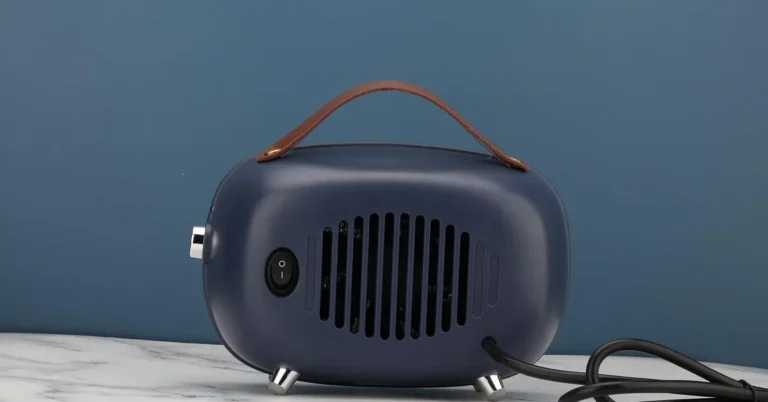
Portable fan heaters use a fan to move air across a heating element. Steady fan noise can be normal on a fan-forced model. What is not normal is grinding, scraping, or rattling, which can mean bearing wear, a loose blade, or a part shifting in the housing. A blocked intake or outlet can also make the fan louder.
Radiant and ceramic heaters
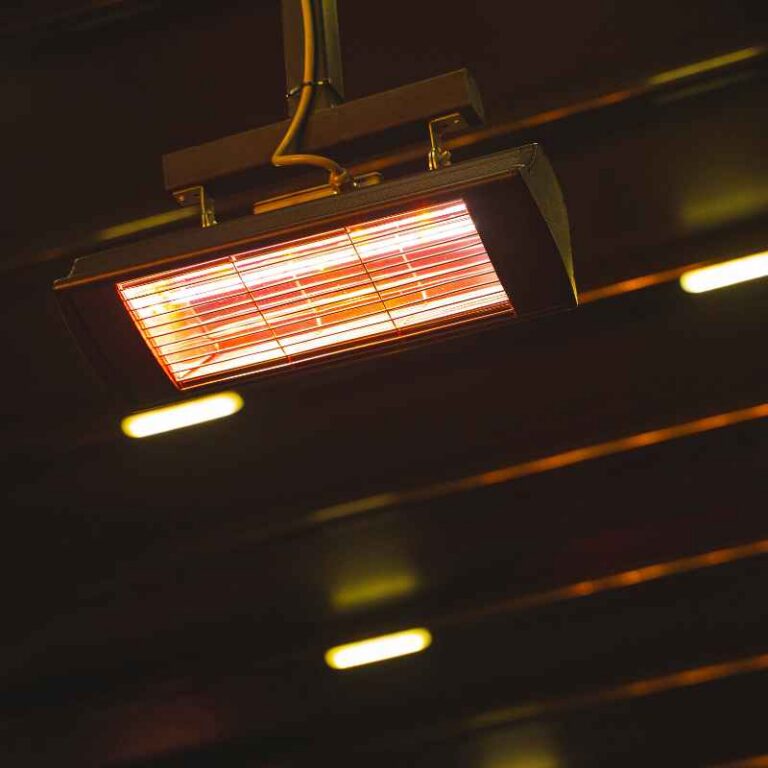
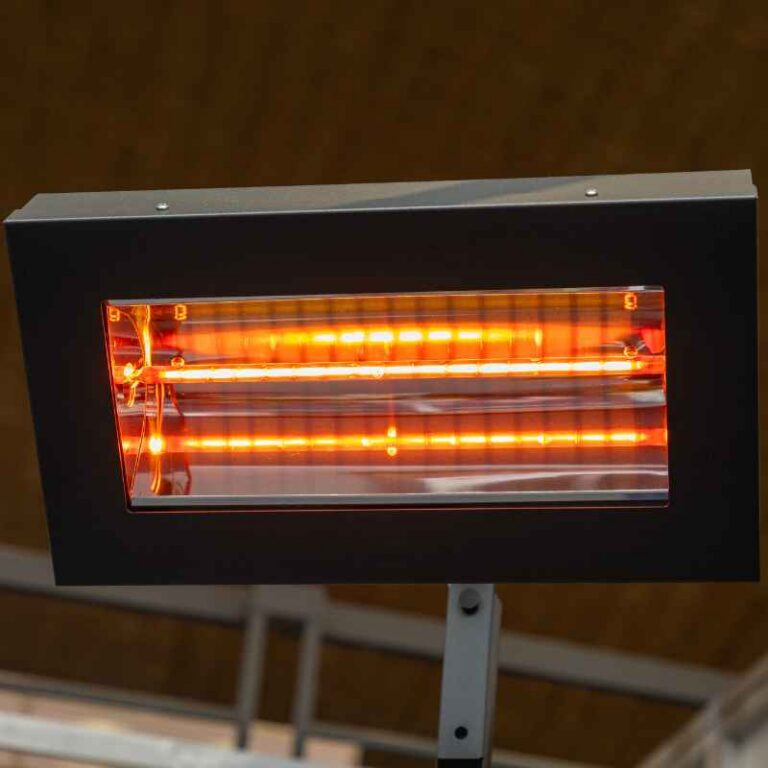
Portable radiant or oil-filled heaters usually have no fan and should be relatively quiet. A ceramic heater often uses a fan, so it can sit between those two noise profiles. A ceramic unit that clicks once during warm-up may be normal, but a new rattle or buzz deserves attention because the fan, grille, or internal mount may be loose.
Oil-filled and baseboard-style heaters
Oil-filled heaters usually run quietly, with only light ticking or pinging from expansion. Electric baseboard heaters may click or ping as their metal parts expand. That brief sound can be normal, but sharp, repeated pops or noise from a loose wall mount is not. Wall units should also be checked against the manual for clearance and cleaning instructions.
Picture a baseboard heater that clicks once when the thermostat calls for heat, then stays quiet. That is a common normal pattern. A different case is a portable radiant heater that starts crackling and gives off a burning-plastic smell. That is a stop-use problem, not a noise to monitor.
What fan noise is acceptable?
Fan noise should stay smooth and even. A soft airflow sound is expected on fan-forced models. Noise that changes into grinding, scraping, or rattling suggests loose hardware, dust buildup, or worn moving parts. If the sound changes with fan speed or gets worse after a short run, inspect airflow and stop if the noise is harsh.
Normal airflow sounds
Portable fan heaters use a fan to move air across a heating element, so some whoosh or hum is part of normal operation. The sound should be steady, not harsh. If the heater warms the room and the fan sound stays the same, that is usually a good sign.
Rattle, grind, and scrape signs
Rattling can point to a loose grille, screw, or mounting point. Grinding often points to motor wear. Scraping can mean the blade is touching something inside the housing. Those are not sounds to ignore, especially if they appear after a unit has been bumped, moved, or stored for a season.
Blocked intake or outlet checks
- Unplug the heater.
- Let it cool fully.
- Check the intake and outlet for dust, lint, or a wall or curtain too close to the unit.
- Restore the clear space listed in the manual.
- Run it again only if the sound was light airflow noise, not grinding or scraping.
When the sound points to an electrical problem
Buzzing, arcing, sizzling, or heat at the plug area is generally not normal. A hot plug, cord, outlet, or faceplate is a warning sign. Those symptoms move the problem out of the “monitor it” category and into the “unplug now” category. If the sound changes near the cord or receptacle, do not keep testing it.
Buzzing at the plug or outlet
A new harsh buzz can mean a loose fit, damaged receptacle, or other electrical issue. A loose plug or outlet can arc under load. That is not a homeowner repair for the heater itself. Unplug the heater and stop using that outlet until it is checked.
Hot cord, faceplate, or receptacle
Heat where the cord meets the plug, or where the plug meets the outlet, is a warning sign. A hot faceplate around the receptacle can point to poor contact or wiring trouble. Do not use the heater again on that circuit until the plug, cord, and outlet are inspected and corrected.
Arcing, sizzling, or breaker trips
Stop using the heater if you hear crackling, sizzling, arcing, or a new harsh buzz. Repeated breaker trips can also suggest a fault or an overload that should not be ignored. If the heating element shows visible discoloration, or the heater smokes or smells like burning plastic, unplug it and keep it out of service.
Safety checks before you run it again
These checks are safe for a homeowner. They do not require opening sealed parts or bypassing any safety device. If the heater still sounds wrong after these steps, stop using it and move to replacement or qualified service, depending on the model and the problem.
Unplug and cool the heater
Always start by unplugging the heater and letting it cool completely. A hot unit can hide damage and can also make a loose part shift more quietly than it will when hot. Cooling first makes the next check more reliable.
Inspect dust, clearances, and placement
Check the intake and outlet openings, and confirm the heater has the clear space listed in the manual. Dust can change fan noise and airflow. Also check whether the heater sits level and whether a cord, curtain, or furniture edge is touching it.
Read the manual and check the certification label
Use the model number on the rating label to find the manufacturer’s manual. The manual tells you which parts are user-serviceable, how much clearance the heater needs, and how to clean it safely. A recognized safety certification label is also a useful buying and replacement check, because it shows the heater was built to a recognized safety standard.
Suppose a small portable fan heater clicks once at start-up, then runs with a steady hum. That may be normal. If the same heater later develops a rattling fan, a hot plug, and a burning smell, the diagnosis changes fast. Noise plus heat at the electrical connection means stop use, not a cleaning pass.
Frequently asked questions
Why does my space heater make a clicking noise?
Most often, a brief click is thermal expansion or a thermostat switching the heater on or off. A few brief clicks or pops can be normal as an electric heater warms up or cools down. Rapid, repeated, or loud clicking is different and should be treated as a fault until checked.
Why does my space heater make a popping noise?
Popping usually points to metal parts expanding or contracting, especially in electric baseboard heaters and other metal-housed designs. A single pop at warm-up or shutdown can be normal. Repeated popping, sharp snaps, or popping with smoke, smell, or discoloration means you should unplug it.
Why is my portable heater making popping noises?
Portable heaters can pop from thermal expansion, especially if they use metal parts that heat unevenly. Fan-forced models may also add airflow noise that makes the pop more noticeable. If the popping is repeated, loud, or paired with a loose rattle, look for a mechanical problem or stop using it.
Why does my electric heater make a clicking noise?
Electric heaters often click because the thermostat is cycling or because the housing is expanding as it heats. That is common and usually brief. If the click keeps repeating during steady operation, or if the heater also buzzes, smells hot, or trips the breaker, unplug it and inspect it.
Why is my space heater making a crackling sound?
Crackling is more concerning than a brief click. It can signal arcing, sizzling, dust on a hot part, or a failing heating element. Stop using the heater if you hear crackling, sizzling, arcing, or a new harsh buzz. Those sounds are not part of normal operation.
What heater noises mean I should unplug it right away?
Unplug immediately if you hear crackling, sizzling, arcing, or a new harsh buzz. Also stop if the plug, cord, outlet, or faceplate feels hot, if you smell burning plastic, or if the heater shows visible discoloration at the element. Those are warning signs, not normal heater sounds.
Sponsored / affiliate links. As an Amazon Associate I earn from qualifying purchases. I may earn additional commission from eligible campaigns.
 AZEUS Portable AC and Heater Unit, 420W 110V Compact Air Conditioner for Tent RV Truck Cabin and Small Room, 1400W Cooling, 800W Heating, Remote Control, Dehumidifier, Sleep Timer, ChampagneMEGAWISE Portable Air Conditioner and Heater, 420W 110V Compact AC Unit with Remote Control, 1400W Cooling Capacity, 800W Heating, Dehumidifier, Fan, Sleep Timer, Champagne