Should the Fireplace Damper Be Open or Closed When Not in Use?
Close a fireplace damper when the fireplace is not in use. Open it before lighting a fire, or follow your gas fireplace’s instructions if they call for an open vent. Leaving it in the wrong position can waste heat or let conditioned air escape up the flue. This guide covers the correct position, common exceptions, and how to track down drafts, smoke, or stuck hardware.
Open or closed: the short answer
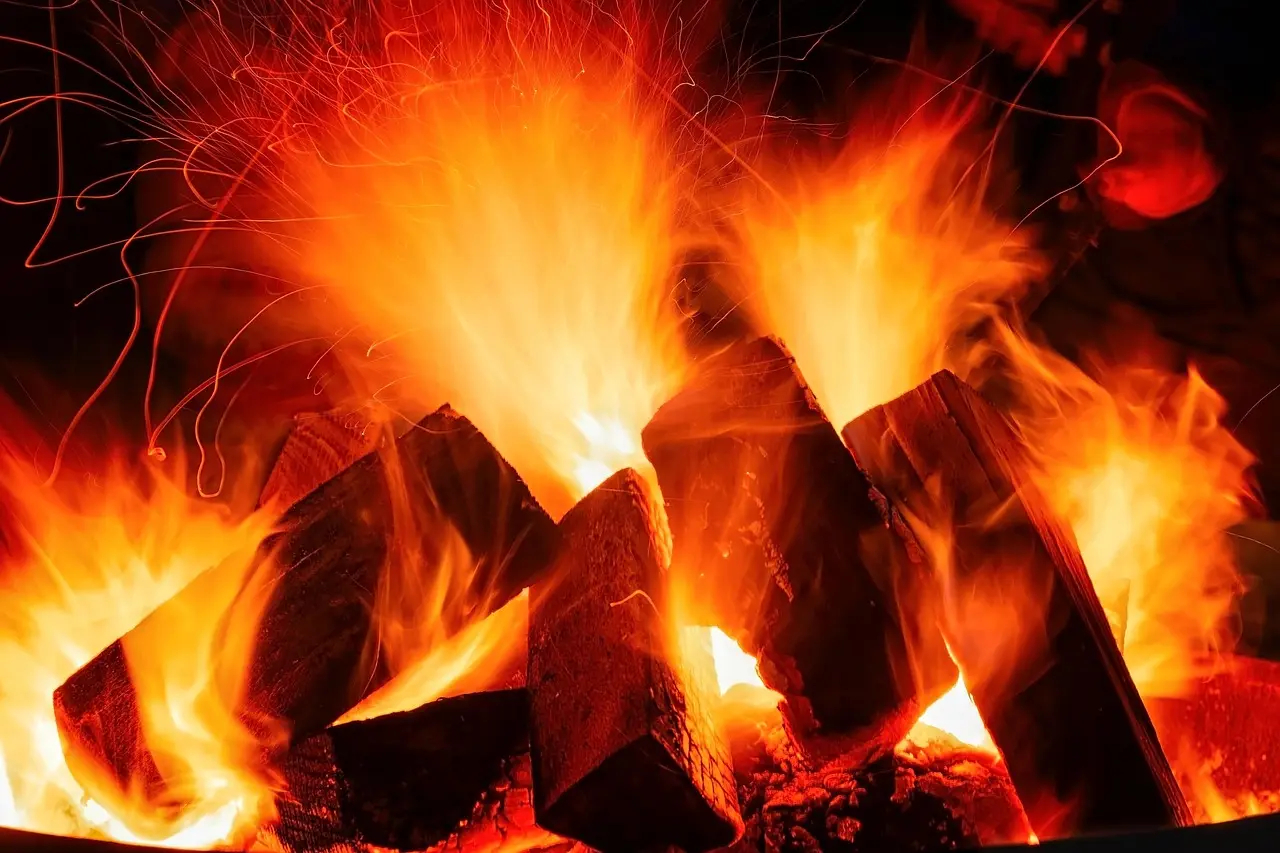


Open it for any active fire, including embers that still need to vent. Close it only after the fireplace is fully out and cold. That rule fits most wood-burning fireplaces. Some gas fireplaces use a different venting setup and should match the manufacturer’s instructions, not the wood-fire rule. For gas units, follow the appliance’s venting directions exactly.
When the fireplace is in use
A fireplace damper controls airflow and draft. Before starting a fire, the damper must be open so smoke and gases leave the house instead of backing into the room. NFPA-style safety guidance and chimney-sweep recommendations both emphasize venting before and during use, because a closed or partially closed damper can send smoke back into the living space and increase creosote-related risk.
Safe open and close steps
Open the damper fully before lighting, keep it open while the fire is burning, and leave it open until the embers are out and the firebox is cold. When the fireplace is fully cold, close it completely. If the handle sticks, stops short, or feels forced, stop and inspect rather than jamming the mechanism.
When the fireplace is cold and unused
When the fireplace is not in use, it should be closed. A closed damper helps stop warm air from escaping through the chimney and can reduce unwanted heat loss up the flue. If you still feel a draft with the damper shut, the usual causes are a leaky seal, a warped plate, or a top-mounted unit that is not closing fully.
Wood-burning fireplaces vs. gas fireplaces
Wood-burning fireplaces usually follow the simple open-when-burning, closed-when-cold rule. Gas fireplaces can be different because some vented models need a permanently open flue or a specific damper position. If the appliance has a gas insert, follow its venting instructions rather than guessing from the old wood fireplace rule.
What to do in summer
In summer, keep the damper closed when the fireplace is not in use. That helps block warm, humid outdoor air and reduces odors drifting down from the chimney. If a top-sealing unit leaks despite being closed, the issue is usually the seal or cable, not the season, so the fix is service rather than leaving it open.
Is a chimney cap still needed if there is a damper?
Yes, in most setups a chimney cap still matters even when a damper is present. The damper controls indoor airflow; the cap helps keep out rain, animals, and debris. A top-sealing damper may work with a cap, but the cap still must allow the damper to open fully and should not be treated as a substitute for the damper.
The easiest check is visual. A throat damper usually sits just above the firebox, so you can often see the plate position from below. A top-sealing damper is controlled by a cable or handle that drops down the flue, so the handle position tells you more than a quick glance at the firebox opening.
Throat damper position checks
A throat damper is a metal flap or plate located just above the firebox. If the handle or rod is pulled to the open position, the plate should swing up out of the way. Common handle styles include a lever, a pull rod, or a rotating control. If it looks partly open but smoke still rolls back into the room, the plate may be warped, bent, or coated with creosote.
Top-sealing damper controls
Top-sealing dampers install at the top of the chimney and close more tightly than throat dampers. The cable for a top damper drops down the flue, and the handle usually locks into an open or closed position. If the handle feels loose or does not stay put, the seal or cable may need service.
Signs a damper only looks closed
Some dampers appear shut from below but still leak around the edges. That is common with older throat dampers, rusted hardware, and top units with worn gaskets. If a closed damper still leaves a steady cold draft, the issue points more toward seal failure than toward a simple position mistake.
Fireplace damper types and what they change
Different damper types control draft in different ways. A throat damper is usually the least airtight. Top-sealing dampers close more tightly, can reduce unwanted heat loss, and often pair with a chimney cap. Flue dampers are more common with wood-burning stoves, where they help control burn speed.
Throat dampers
Most fireplaces have a throat damper above the firebox. It opens the flue for venting and closes to block warm indoor air from escaping. Because it sits in a hot area that can collect soot, it can warp or rust and lose its seal over time.
Top-sealing chimney dampers
Top dampers install at the top of the chimney and usually seal better than throat dampers. That tighter closure can matter in homes that feel cold even when the fireplace is not used. The tradeoff is that the cable, gasket, and cap area all need to stay in good shape for the seal to work.
Flue dampers and wood stoves
Flue dampers reduce draft up the flue and help control burn speed in wood-burning stoves. They do a different job from a fireplace throat damper, even though both regulate airflow. Do not assume a stove damper and a fireplace damper are interchangeable.
Fireplace damper decision table
This table gives a quick homeowner decision path. Use the symptom first, then match it to the damper position and the next step. The last column tells you whether the issue points more toward cleaning, repair, or replacement.
| Situation | Damper position | Next step | Likely cause |
|---|---|---|---|
| No fire, fireplace cold | Closed | Check for drafts at the opening. If air still moves, inspect the seal or call for repair if the damper will not close tightly. | Repair |
| Dying embers still giving off smoke | Open | Keep it open until the embers are fully out and the firebox is cold. If smoke lingers, the flue may need cleaning. | Cleaning |
| Smoke odor with no active fire | Closed | Check for creosote, a dirty flue, or a leaky damper seal. This often points to cleaning first, then repair if the odor continues. | Cleaning |
| Cold downdraft from the chimney | Closed | Confirm the damper is truly shut. If the draft continues, the problem may be a leaky throat damper, worn top seal, or missing cap. | Repair |
| Suspected stuck damper | Do not force it | Stop using the fireplace and arrange chimney service. Rust, creosote, or warped metal can jam the plate and may require repair or replacement. | Repair |
Why drafts, odor, or smoke can still happen
A closed damper does not solve every chimney problem. If the flue is dirty, blocked, or damaged, the home can still pull cold air down the chimney or smell smoky even when the fire is out. The symptom tells you which problem is more likely.
Cold downdraft with no fire
Cold downdraft often means the chimney is acting like an open air shaft. A closed damper can reduce that movement, but it may not stop it if the throat damper leaks, the top seal is worn, or the chimney cap is missing or damaged. In that case, the issue is seal quality, not just position.
Smoke backdraft during use
A closed damper can cause indoor smoke backflow, but smoke rolling into the room can also mean the flue is blocked or the draft is weak. If smoke comes in as soon as a fire starts, open the damper fully and check for obstruction. Creosote buildup is a common cause of partial blockage and needs routine cleaning.
Creosote, blockage, and poor draft
Creosote is a flammable chimney deposit linked to chimney blockage. It narrows the flue, slows draft, and can make smoke spill back into the room. Chimney safety guidance commonly recommends routine inspection and cleaning so creosote does not build up enough to interfere with venting or create a fire hazard.
Can you leave the damper open in winter?
You can, but it usually wastes heat and can make rooms feel colder. Leaving the damper open in winter lets warm indoor air escape up the flue, and cold outside air can drop into the fireplace when the house is quiet. Use a tight seal when the fireplace is cold.
Heat loss and room comfort
An open damper creates an open path between the room and the chimney. That can pull warm air out of the home and bring in a cold downdraft. If the fireplace is unused for long stretches, closing the damper is the correct move unless the appliance instructions say otherwise.
When a tight top-sealing damper helps
Top-sealing dampers close more tightly than throat dampers, so they are often the better choice for stopping winter drafts. If a leaky throat damper leaves a room chilly, upgrading to a top-mounted unit can improve comfort. That is especially useful when the existing plate is old, warped, or rusted.
When a chimney cap matters
A chimney cap can be integrated with a top damper and helps keep out rain, animals, and debris. It still must allow the damper to open fully. A cap and a damper do different jobs: the cap protects the top of the chimney, while the damper controls indoor airflow and heat loss.
- Example 1: If the living room smells smoky on a calm day and the fireplace has not been used for a week, check the damper seal, creosote, and flue condition before assuming the damper is in the wrong position.
- Example 2: If a top-sealing damper handle moves but the draft does not stop, the likely issue is worn gasket material or a plate that is not seating flat, which points to repair or replacement.
Open, close, or call a chimney sweep
Rust, warping, and sticking are common reasons a damper stops doing its job. If the plate will not move freely, do not force it. A chimney sweep or chimney service can check for obstruction, test draft, and replace damaged damper parts when cleaning alone will not fix the problem.
Rusted or stuck dampers
A rusted or stuck damper may be safe to inspect, but it is not safe to jam loose with force. Rust can seize the hinge or bend the plate. If the damper will not open before a fire or will not close afterward, service is the right next step.
Warped plates and failed seals
Throat dampers can warp from heat and age, and top-sealing gaskets can wear out. A warped plate may look closed while still leaking warm air or letting in a cold draft. That is a repair issue if the metal is sound, or a replacement issue if the seal surface is too distorted to hold.
When replacement makes more sense than repair
Replacement usually makes more sense when the damper is badly rusted, the plate is warped, the cable is failing, or the seal no longer closes tightly. A chimney service can compare the cost of cleaning, part replacement, and a top-sealing upgrade. If the old hardware leaks year after year, a better seal often improves comfort.
Frequently asked questions
Should I keep my fireplace damper open or closed when not in use?
Closed is correct when the fireplace is cold and unused. Open it before lighting a fire and keep it open until the fire and embers are fully out. If your gas fireplace has a different venting instruction, follow that appliance’s manual instead of the wood-fire rule.
How do I know if my fireplace damper is open or closed?
For a throat damper, look above the firebox and check whether the plate is swung out of the smoke path. For a top-sealing damper, check the cable or handle position and confirm it locks properly. If it looks closed but you still feel a draft, the seal may be leaking.
What happens if I leave the damper open in winter?
Heat can escape up the flue, and cold air can drop down the chimney. That can make nearby rooms feel cooler and can also carry chimney odor into the house. A tightly closing damper reduces that problem, but it cannot fix a missing seal or a damaged plate.
Can a closed damper stop cold air from coming down the chimney?
It can reduce cold air intrusion, but not always stop it completely. A throat damper that leaks or a top-sealing unit with a worn gasket can still let air through. If the draft is strong, a chimney cap or a repair may be needed in addition to closing the damper.
Do top-sealing dampers close tighter than throat dampers?
Yes. Top-sealing dampers close more tightly than throat dampers and are often better at limiting drafts and heat loss. They also use a cable that drops down the flue, which makes the control different from the plate-style throat damper found above the firebox.
Why does smoke come into the room when the damper is closed?
A closed damper blocks the vent path, so smoke can roll into the room instead of leaving the chimney. If that happens during use, open the damper fully and check for obstruction, creosote buildup, or a draft problem. Continued smoke rollback points to chimney cleaning or service.
Sponsored / affiliate links. As an Amazon Associate I earn from qualifying purchases. I may earn additional commission from eligible campaigns.