Why Won’t My Gas Fireplace Stay on?
By Sarah Mitchell · Reviewed by Daniel Ruiz, Certified Fireplace Technician
This guide is part of our Space Heaters, Fireplaces and Winter Humidity Guide series.
Scope note: This guide is for homeowners making safe, visual checks only. It does not cover pressure testing, combustion analysis, gas-valve adjustment, or electrical meter readings, which require proper instruments and training. Where a symptom suggests a safety device, gas supply issue, or repeated lockout, stop troubleshooting and call a qualified technician.
Start with the shutdown pattern to guide diagnosis
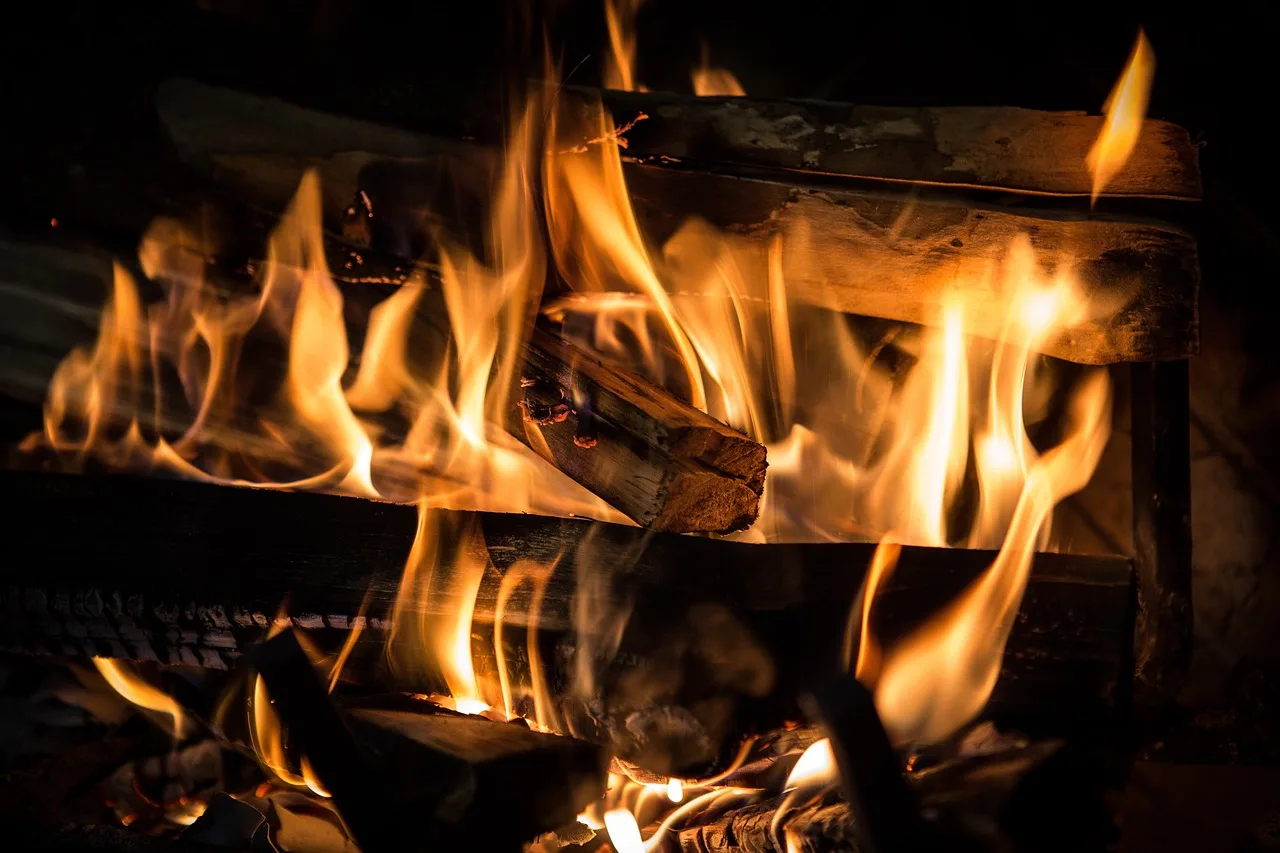

- Fits gas fireplaces and other gas appliances
- 24-inch length for replacement installs
- Keeps the safety pilot heated during use
If your gas fireplace lights briefly and then goes out, the usual causes are a weak pilot flame, a failed thermocouple or thermopile, a dirty flame sensor, or a venting or overheat safety shutdown. Manufacturer manuals and NFPA 54/ANSI Z223.1 safety guidance treat repeated shutdowns as a fault to diagnose, not a nuisance to bypass. This guide separates standing-pilot and electronic-ignition failures and shows the safest check to make next.
Start with the symptom pattern, not the part name
The shutdown pattern tells you more than the symptom alone. A pilot that lights but dies when you release the knob can point first to a standing-pilot safety problem. A burner that clicks, starts, then shuts off after a few minutes points more toward flame sensing, low output from the generating parts, airflow, or a safety limit trip.
That split matters because standing-pilot systems keep a small flame lit around the clock, while electronic ignition systems light on demand. The main burner heats the room in both systems, but it depends on the ignition path staying open. Hearth OEM service literature commonly distinguishes thermocouple-held pilots from thermopile or flame-rectification systems, and the troubleshooting order is different for each.
Separate standing pilot from electronic ignition
Standing-pilot fireplaces use a continuously burning pilot light. That pilot heats a thermocouple, and the thermocouple generates electrical current that keeps the gas valve open when the pilot is lit. Electronic ignition systems do not keep a pilot burning all the time; many confirm flame using flame rectification and may enter lockout after repeated failed attempts. Use the owner’s manual or the appliance rating plate to confirm which system you have before testing further.
That difference changes the order of checks. On a standing-pilot unit, focus on pilot flame quality, thermocouple output, and thermopile output. On an electronic-ignition unit, focus on batteries, receiver or switch power, ignition spark, flame sensing, and whether the control valve has shut the burner down for safety. If the control has locked out, repeated retries can be ineffective until the unit is reset per the manufacturer’s procedure.
Use the shutdown timing to narrow the cause
Timing is the quickest clue. If the fireplace never ignites and only clicks, think ignition or control-path failure. If it lights and then goes out after seconds or minutes, think flame-proving, low gas pressure, or heat-related safety shutdown. If it only fails after it has warmed up, a high-limit safety switch or restricted airflow may be more likely.
- Exact symptom: no flame, only clicking — ignition path, power supply, receiver, switch, or lockout issue.
- Exact symptom: flame appears, then drops out — flame-sensing, thermocouple/thermopile output, or low gas pressure.
- Exact symptom: works cold, fails warm — overheat limit, airflow restriction, or venting issue.
| Symptom | Ignition type | Likely cause | Safe next step |
|---|---|---|---|
| Pilot lights but dies when knob is released | Standing pilot | Weak thermocouple, poor pilot flame, dirty pilot orifice | Stop retrying after a few attempts; inspect the pilot flame from a safe viewing point and arrange service if it still will not hold |
| Clicking with no flame | Electronic ignition | Weak batteries, receiver or wall switch issue, failed igniter, gas supply problem, lockout | Check batteries and the control path first; if it still only clicks, stop and call for diagnosis |
| Lights then shuts off after a few minutes | Both | Dirty flame sensor, low thermopile output, gas pressure issue, venting or overheat shutdown | Let the unit cool, then inspect the vent terminal from a safe location and schedule service if the pattern repeats |
| Remote or wall switch does nothing | Both | Dead batteries, lost signal, receiver issue, no power to control circuit, control valve not responding | Replace batteries if used, confirm the switch path, and do not bypass safety parts |
| Burner starts then trips on heat or airflow | Both | Restricted airflow, blocked vent terminal, high-limit safety switch trip | Check the exterior vent opening from a safe location; if the unit still trips, stop use and call a technician |
Why won’t the pilot stay lit?
If the pilot lights but will not stay on after you release the knob, the problem usually sits in the standing-pilot safety circuit. The thermocouple may not be generating enough current to hold the gas valve open, or the pilot flame itself may be weak, dirty, or aimed poorly at the sensing tip. OEM manuals generally require a strong, enveloping flame on the sensor; if that pattern is absent, the valve should not stay open.
Standing pilot systems and continuous flame
A standing-pilot system keeps a small flame burning all the time. That flame is not the heat source for the room, but it is the ignition source for the main burner and the signal that tells the valve it is safe to stay open.
If that small flame is weak or unstable, the valve may close as soon as you let go of the control knob. That is a safety response, not a nuisance setting. CSIA guidance for vented gas appliances also emphasizes keeping the venting system and burner area clear so the pilot and safety controls can operate as designed.
Thermocouple problems on standing pilot units
The thermocouple is a millivolt safety component. It holds the gas valve open when heated by the pilot flame. Manufacturer service literature commonly describes thermocouple output in the tens of millivolts, with insufficient output causing the valve to drop out. A weak thermocouple may not keep the valve energized long enough to hold the pilot.
That is why a pilot that lights and then dies when the knob is released is such a strong clue. It can point to a dirty or mispositioned pilot flame, but the thermocouple itself is a common suspect. Do not try to jumper or bypass this safety circuit.
Dirty pilot flame or pilot orifice issues
A dirty pilot orifice can shrink or distort the flame. A weak, lazy, or yellow flame may not wrap the thermocouple well enough to heat it. Seasonal startup after months of disuse makes this more likely, because dust, spider webs, or debris can collect near the pilot opening.
Suppose your fireplace has been idle since spring and now the pilot lights only while you hold the knob in. That pattern fits a weak pilot flame or thermocouple issue better than a remote problem, because the failure happens at the flame-holding stage, not at the room-control stage.
Homeowners can safely observe flame shape and whether the pilot is stable. They should not clean the orifice, alter gas shutters, or disassemble the gas train without service instructions and proper tools.
Why won’t the burner light at all?
If you hear clicking but never see flame, the fireplace is failing before combustion begins. On an electronic-ignition system, that usually means the control path, power source, igniter, or gas supply is not allowing ignition. On a standing-pilot unit, it may mean the pilot is out or the valve is not opening. Many OEM control boards also enter a timed lockout after repeated failed ignition attempts.
Electronic ignition basics
Electronic systems do not keep a small flame lit continuously. They spark on demand, then confirm flame before keeping the burner open. If ignition never happens, the fault may be upstream of the flame itself. Flame-sensing systems rely on proper grounding and clean sensing surfaces, which is why a flame that appears briefly but is not recognized can still shut the appliance down.
Some systems also lock out after repeated failed attempts. When that happens, repeated button presses usually do not help and can make the troubleshooting harder. Follow the reset instructions in the appliance manual before trying again.
Battery, receiver, switch, and thermostat checks
A wall switch, remote, or thermostat may do nothing or work only sometimes. Dead batteries, weak signal, or a receiver issue can stop the call for heat before the fireplace even tries to light. Check the easiest control points first, then confirm whether the unit responds from more than one control method.
- Replace batteries in the remote or receiver if the system uses them.
- Confirm the wall switch is on and not loose or intermittent.
- Try the thermostat or remote again after a short reset period.
- If the unit still only clicks, stop there and move to service.
That sequence keeps you in the homeowner-safe zone. It is reasonable to observe whether the control signal reaches the unit; it is not reasonable to bypass the receiver or short terminals unless the manufacturer explicitly instructs that test.
Ignition module and gas valve lockout
If the spark is present but no flame appears, the ignition module may not be getting the right feedback, or the gas valve may not be opening. Low gas pressure can also stop ignition even when the spark looks normal. Gas utility safety pages commonly advise that recurring ignition failure or odor should be treated as a service issue, not a repeated DIY attempt.
Do not bypass safety switches or flame-proving components to force the burner on. That can hide the real fault and create a worse one. Stop after the manufacturer’s recommended retry count or when the unit enters lockout.
Why does it light and then go out?
A fireplace that lights and then shuts off after a few minutes is usually proving flame for a moment, then losing the signal it needs to keep the valve open. The most common reasons are a dirty flame sensor on electronic systems, low thermopile output on standing-pilot systems, low gas pressure, or a heat-related shutdown. OEM manuals commonly instruct users to check flame appearance, venting, and control status before assuming the burner itself has failed.
Thermopile output that is too low
The thermopile is used on many standing-pilot systems to generate millivolts for the main burner valve. A healthy thermopile commonly produces 500 to 750 millivolts with the fireplace off. If output is low, the burner may light briefly and then drop out when demand rises.
That failure mode is different from a dead pilot. The pilot may stay lit, but the burner cannot stay open reliably. Measuring output requires a meter; homeowners can only observe the symptom pattern and flame behavior, not verify the electrical reading safely without equipment.
Dirty flame sensor and flame rectification shutdown
Many electronic systems confirm flame using flame rectification. If the flame sensor is dirty, the control board may not recognize that flame is present. The burner may light, then shut down, then spark again, then shut down again. Fireplace OEM service docs often identify dirty sensor rod or poor grounding as a primary cause of this pattern.
This pattern often looks like repeated starting attempts rather than a total no-start. That distinction matters because the flame exists briefly, but the sensing circuit does not stay satisfied. If the appliance is in a timed lockout, give it the specified reset interval before a further attempt.
Low gas pressure and control valve faults
Low gas supply pressure can make the flame weak, lazy, or unstable. The control valve may shut the unit down if safety conditions are not met, and pressure issues need professional testing rather than visual guessing. A partially closed service valve is worth checking, but it is not the only explanation.
Say the burner starts normally on a cold evening, then fades and drops out after three minutes. That could be a pressure issue, a flame-sensing problem, or a heat-related safety trip. The timing narrows the search, but it does not replace testing.
Gas fireplace control checks
If the remote, wall switch, or thermostat does nothing, start with the control path before you suspect the burner parts. A failed battery, lost signal, loose wire, or weak receiver can stop the call for heat long before the fireplace reaches ignition. This section is about safe observation and basic reset steps only; wiring tests and control-board diagnosis require tools.
Wall switch, remote, and thermostat path
Check whether the fireplace responds to a different control if one is available. If the wall switch works but the remote does not, the problem is more likely in the remote or receiver. If none of the controls work, the issue may be farther downstream. Use the manufacturer’s reset instructions before concluding the control system has failed.
Battery and receiver problems
Many intermittent problems start with simple power loss in the control path. Replace remote batteries, confirm the receiver is powered, and make sure the thermostat setting is actually calling for heat. Weak batteries can produce occasional response, then nothing.
When the control valve may be involved
If the controls are sending the call correctly but the fireplace still will not light or stay on, the control valve may not be opening as it should. That is not a homeowner repair. It can also be influenced by low gas pressure, which requires professional measurement. NFPA guidance and manufacturer manuals both treat valve and pressure faults as service-level diagnostics.
Airflow and venting checks
Airflow problems can shut a fireplace down after it starts. If the vent path is blocked or the firebox overheats, the unit may trip a high-limit safety switch and shut itself off. That is a normal safety action, not a reset button problem.
Exterior vent terminal blockage
Check the exterior vent terminal from a safe location. Snow and ice blockage are known issues, and leaves or other debris can also interfere with venting. Do not reach into the terminal or remove hot debris by hand.
A blocked termination can create a weak flame or may cause the unit to shut down soon after ignition. If the obstruction returns, there may be a draft, placement, or venting problem that needs inspection.
Overheating and high-limit safety switch trips
The high-limit safety switch shuts the unit off when overheating occurs. Restricted airflow, clogged passages, or a blower issue can trigger that shutdown. The switch often resets after the unit cools, which is why the fireplace may work again for a short time and then fail later.
A common pattern is burner start-up followed by shutdown after the firebox warms. That points away from the pilot and toward heat management or airflow. If the appliance manual lists a limit switch or spill switch, treat repeated trips as a service issue.
Restricted airflow and shutdown patterns
If the fireplace behaves better with the front open, or if it only fails after a longer burn, restricted airflow deserves attention. Do not keep restarting the unit without checking the vent path first. Repeated restarts can hide the original cause.
What to do first, in order
Use the easiest safe checks first, then stop when the next step needs tools, measurement, or access you do not have. That keeps the troubleshooting focused and avoids bypassing parts that are supposed to shut the fireplace down.
- Identify the ignition type: standing pilot or electronic ignition.
- Match the symptom to the table above.
- Check the remote, wall switch, thermostat, and batteries if the unit has them.
- Look for obvious vent-terminal blockage from a safe location.
- Watch for the pattern: no flame, flame then shutdown, or shutdown after warming.
- Stop use if the same fault repeats or if any gas odor is present.
If the appliance retries several times and then goes into lockout, stop there. Wait for the manufacturer-specified reset interval, then resume only if the manual says it is safe to do so. If a reset does not clear the fault, the issue needs diagnosis rather than more attempts.
When to stop troubleshooting and call a technician
Stop troubleshooting if you smell gas, if the fireplace enters repeated lockout, or if the problem points to gas pressure, valve, or regulator testing. Strong or persistent gas odor is a stop-use signal. Leave the area and follow gas-utility guidance.
Call a qualified technician if the pilot will not hold after a few attempts, if the burner keeps shutting off after warming, or if the vent appears blocked and the issue persists after cooling. These faults often need measurement, not guesswork.
Frequently asked questions
Why won’t my gas fireplace stay on?
The most common causes are a weak pilot flame, a failed thermocouple or thermopile, a dirty flame sensor, low gas pressure, or a venting or overheat safety shutdown. The best next step is to match the symptom pattern to the ignition type and stop if the same failure repeats.
Why won’t my gas fireplace pilot light stay on?
On a standing-pilot system, a pilot that dies when the knob is released usually points to a weak thermocouple, a poor pilot flame, or a dirty pilot orifice. If it still will not hold after a few careful attempts, stop and call for service.
Why won’t my gas fireplace turn on?
If nothing happens except clicking, check the remote, wall switch, thermostat, batteries, and receiver first. If the fireplace still will not light, the ignition module, gas valve, or gas supply may need professional diagnosis, especially if the unit has entered lockout.
Why does my gas fireplace light and then go out?
That pattern often means the fireplace is proving flame briefly, then losing the signal that keeps the valve open. A dirty flame sensor, low thermopile output, low gas pressure, or a high-limit shutdown are the most likely next checks, depending on the ignition type.
Is it safe to keep trying to relight a gas fireplace?
No. If the fireplace keeps failing to light or stay on, repeated attempts can make the problem harder to diagnose and may hide a safety fault. Stop if you smell gas, if the unit locks out, or if it shuts down again after a short burn.
Should I call a technician if my fireplace keeps going out?
Yes, especially if the problem repeats after you have checked batteries, the control path, and the vent terminal from a safe location. A technician should handle gas pressure, valve, regulator, flame-sensing, and repeated shutdown issues because those need testing, not guessing.
Sources
- NFPA 54 / ANSI Z223.1, National Fuel Gas Code.
- CSIA safety guidance on vented gas fireplace inspection and venting maintenance.
- Manufacturer installation and service manuals for gas fireplaces and gas logs, including standing-pilot and electronic-ignition troubleshooting sections.
- OEM documentation for thermocouple, thermopile, and flame-rectification safety behavior.
- Local gas utility consumer safety pages on gas odors, repeated appliance shutdown, and when to call for service.
Sponsored / affiliate links. As an Amazon Associate I earn from qualifying purchases. I may earn additional commission from eligible campaigns.
 AZEUS Portable AC and Heater Unit, 420W 110V Compact Air Conditioner for Tent RV Truck Cabin and Small Room, 1400W Cooling, 800W Heating, Remote Control, Dehumidifier, Sleep Timer, Champagne
 ROVSUN 18000 BTU Mini Split AC/Heating System with Inverter, 20 SEER2 Energy Saving 230V Ductless Split-System Air Conditioner with Pre-Charged Condenser, Heat Pump, Remote Control & Installation Kit