Do Infrared Space Heaters Work Better Than Ceramic Heaters?
Infrared space heaters are often reported to feel warmer faster in direct line of sight, while ceramic heaters are often reported to heat a small room more evenly. Pick the wrong type and you can waste electricity, miss the occupied area, or sit too far from the heat to feel much benefit. This guide compares comfort, running cost, and room fit so you can choose the better heater for your space.
Infrared versus ceramic at a glance
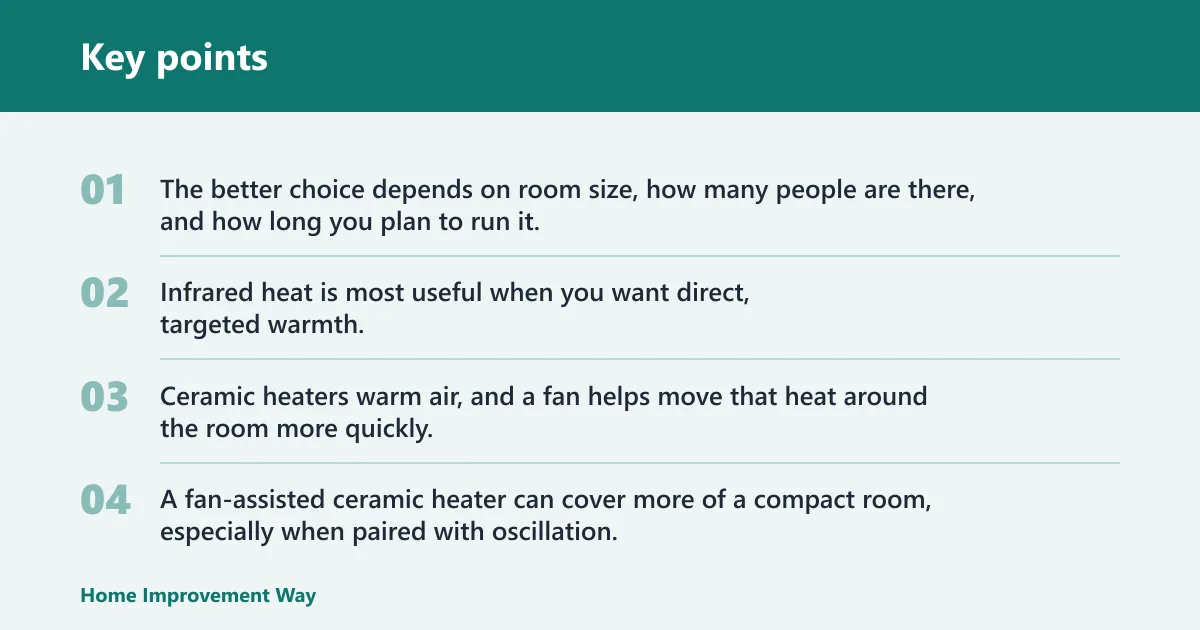



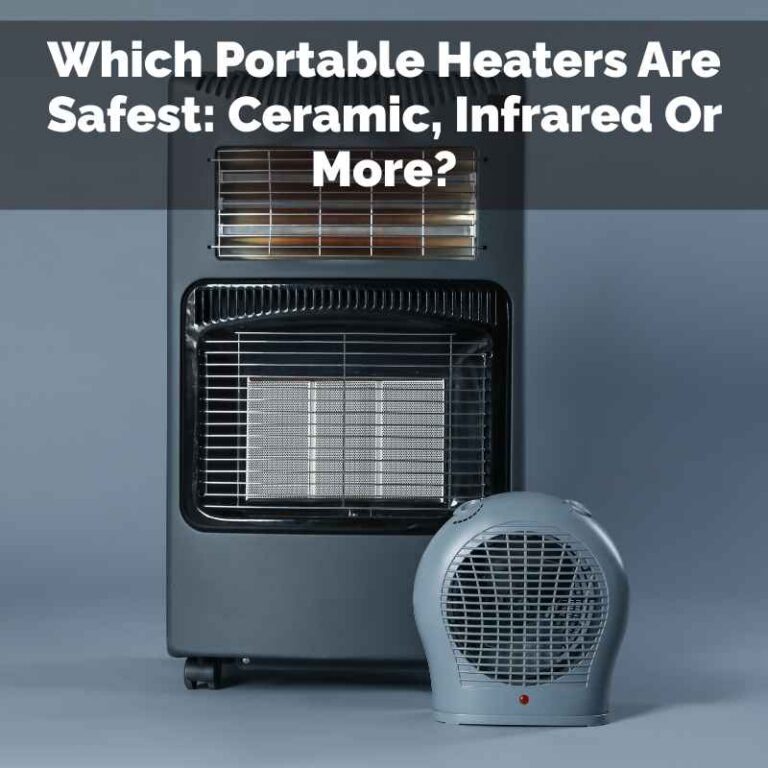
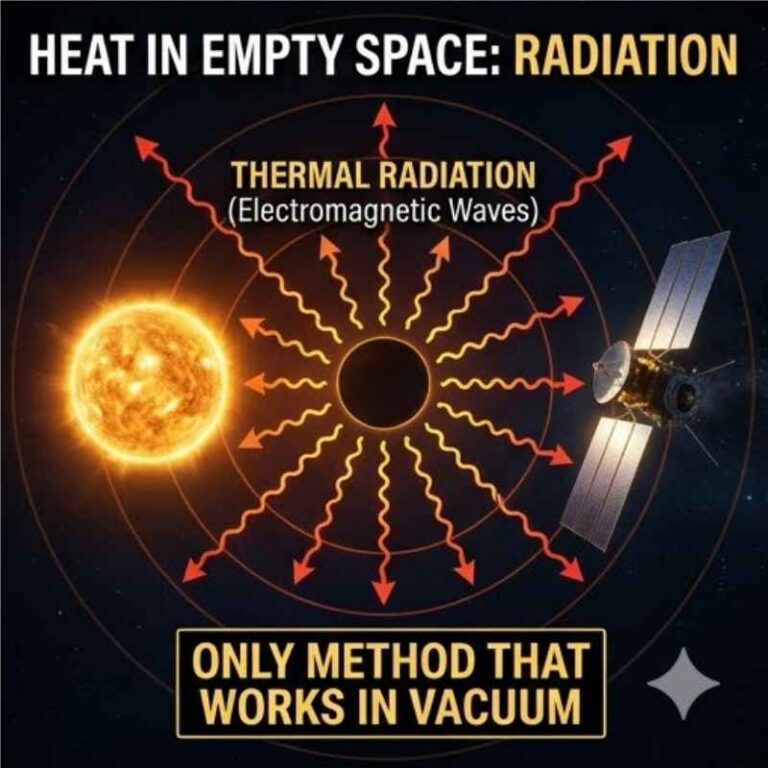
Infrared heaters send radiant heat toward people and objects, so they tend to feel strongest where you are sitting or working. Ceramic heaters use a ceramic heating element or plate, often with a fan, so they are better at spreading warmth through the air in a small room. The better choice depends on room size, how many people are there, and how long you plan to run it.
How each heater warms a room
Infrared heat is most useful when you want direct, targeted warmth. It fits spot heating because the warm sensation starts on surfaces and skin in the beam path. Ceramic heaters warm air, and a fan helps move that heat around the room more quickly.
That difference matters in drafty or open spaces. If warm air escapes fast, a radiant heater may still make one occupied zone feel comfortable, but it may not make the whole room feel evenly warm. A fan-assisted ceramic heater can cover more of a compact room, especially when paired with oscillation.
| Criterion | Infrared space heater | Ceramic space heater |
|---|---|---|
| How heat feels | Direct warmth on people and objects in line of sight | Warm air that spreads through the room |
| Best use | Spot heating, desk use, one occupied zone | Small rooms, quick room warming, wider air coverage |
| Coverage pattern | Directed and localized | Broader, especially with a fan and oscillation |
| Noise | Usually quieter | Fan noise can matter in work-from-home settings |
| Best fit for runtime | Short, targeted use | Short-to-moderate use in a contained room |
Which heater warms a room faster, infrared or ceramic?
Ceramic heaters can warm a room rapidly, especially when they include a fan. Infrared heaters can feel faster to the person sitting in the beam path because they warm people and objects directly. For whole-room comfort, ceramic usually feels quicker in a small enclosed room; for one seat, infrared often feels quicker.
Infrared response time
Infrared heat is immediate in the area it reaches. If you sit in front of the heater, you can feel warmth before the room air changes much. That makes it a strong choice when the goal is to take the chill off a single chair, desk, or couch zone.
It is less effective when you expect the whole room to feel evenly warm. The farther you sit from the heater, the less direct benefit you get. In open plans, high ceilings, or rooms with strong drafts, the effect can feel uneven.
Ceramic fan-assisted response
A fan helps move heat around the room more quickly. That is why ceramic heaters are common for small rooms that need faster air warming. Oscillation can widen that coverage and reduce the hot-and-cold pattern that a fixed direction can create.
Noise is the trade-off. In a home office, fan sound may be fine for some users and distracting for others. If you need quieter heat at a desk, some infrared units may be easier to live with, though many infrared models also use fans and may not be quieter than ceramic units.
Are infrared heaters cheaper to run?
Sometimes, but only in the right use pattern. Running cost depends on wattage, runtime, room size, thermostat settings, and whether you are heating one person or a whole room. An infrared heater can cost less if you use it for short, targeted sessions. A ceramic heater can cost less if it warms a small room quickly and cycles off sooner.
Hourly cost examples
Electric space-heater cost is simple to estimate: watts ÷ 1000 × electricity rate = cost per hour when the heater is on. If you know the wattage and your local rate, you can compare real operating cost instead of guessing from heater type alone.
| Heater wattage | Electricity rate | Cost per hour at full power | Cost per hour at 50% duty cycle |
|---|---|---|---|
| 1500 W | $0.15 per kWh | $0.225 | $0.1125 |
| 1500 W | $0.20 per kWh | $0.30 | $0.15 |
| 1200 W | $0.15 per kWh | $0.18 | $0.09 |
| 1200 W | $0.20 per kWh | $0.24 | $0.12 |
A thermostat changes the result because the heater does not need to run at full power all hour. A timer or auto shut-off timer can reduce unnecessary runtime, which matters most when you tend to leave the heater on longer than needed.
What works best by room type?

The right heater depends on the room’s size and how long it stays occupied. Ceramic heaters are often the better fit for small rooms that need quicker air warming. Infrared heaters are often better for a desk, reading chair, or other single occupied zone. Large rooms and all-day use are where both can disappoint if undersized.
Home office and spot heating
For a home office, infrared is often the better starting point if your goal is to warm one seated person without heating the entire room. That is spot heating, and it lines up well with a desk chair, a small workspace, or a cold corner. Lower noise also helps if calls or concentration matter.
A common first-timer mistake is buying a loud fan heater for a quiet office nook, then turning it down because the noise is distracting. That leaves the room cool and the desk only partly warm. If you need wider coverage across a small office, a ceramic tower with oscillation may be a better compromise.
Bedrooms and small rooms
Ceramic space heaters are good for small rooms because they can warm a room rapidly and spread heat more evenly. A fan-assisted model can help a bedroom reach a comfortable temperature faster, and a digital thermostat can prevent the room from overshooting once it gets there.
For overnight use, do not leave a portable heater running while you sleep or when unattended. If you need warmth before bed, turn it off before sleeping and keep clear space around the unit. Do not place either type near curtains, bedding, or other combustibles.
Drafty rooms and larger spaces
Neither heater type is ideal for a large, drafty room used for long hours. Ceramic heaters may not be the best solution for larger rooms used for long hours, because the fan has to keep working harder to maintain comfort. Infrared can feel pleasant in one zone, but it does not fix poor room retention.
Say your living room is 20 by 20 feet with high ceilings and a draft near the patio door. An infrared heater may warm the sofa area quickly, but the rest of the room can stay cool. A ceramic heater may spread warmth wider, yet still struggle to hold a steady temperature for hours.
Heater decision table
Use the match between room type, occupancy pattern, and runtime to narrow the choice. The better heater is the one that warms the occupied area with the least wasted runtime, not the one that sounds strongest on the box. As a general guide, infrared works best for one occupied zone, ceramic works best for a compact enclosed room, and neither is a strong fit for a large open space.
| Room type | Occupancy pattern | Runtime | Better fit | Why |
|---|---|---|---|---|
| Home office | One person at a desk | Short to moderate | Infrared | Targets the occupied zone and keeps noise lower |
| Small bedroom | Even room comfort | Short to moderate | Ceramic | Warms air quickly and covers the room more evenly |
| Cold corner or reading nook | One seated person | Short | Infrared | Best for spot heating where direct warmth matters most |
| Compact family room | Several people moving in and out | Moderate | Ceramic | Fan-assisted heat reaches more of the room |
| Large or drafty room | All-day heating | Long | Neither is ideal | Both can underperform without enough insulation or capacity |
Infrared space heaters work worksheet
Use this simple worksheet to compare your own heater and rate. The math is the same for infrared or ceramic units.
-
Find the wattage.
Check the heater label for watts, such as 1200 W or 1500 W. If the heater has multiple modes, use the setting you expect to run most often.
-
Convert watts to kilowatts.
Divide the wattage by 1000. A 1500 W heater becomes 1.5 kW, and a 1200 W heater becomes 1.2 kW.
-
Enter your electricity rate.
Use the price per kilowatt-hour from your utility bill. If your rate is $0.18 per kWh, that number goes into the worksheet as written.
-
Multiply for hourly cost.
Multiply kilowatts by the electricity rate. A 1.5 kW heater at $0.18 per kWh costs $0.27 per hour at full power.
-
Adjust for duty cycle.
If the thermostat lets the heater run half the time, cut that cost roughly in half. That matters more than heater type when the room holds heat well.
Choose infrared if… / Choose ceramic if…
Choose infrared if you want direct warmth on one person, one chair, or one cold corner and you do not need the whole room heated evenly. Choose ceramic if you want faster room warming in a small room, wider coverage, and better air mixing from a fan or oscillation.
- Choose infrared if… you sit in one place for hours, want quiet heat, or care more about feeling warm quickly than heating the entire room.
- Choose infrared if… the room is drafty but your occupied zone is fixed, because spot heating can still feel useful where air heat escapes fast.
- Choose ceramic if… you want a small room to warm up quickly and more evenly, especially with a fan-assisted or oscillating model.
- Choose ceramic if… you need a portable heater for a bedroom, small office, or other enclosed room where wider coverage matters more than silence.
For long hours, the best heater is the one that matches the room and reduces waste. A digital thermostat and an auto shut-off timer help either type behave better, but they do not solve a poor room match. If the space is large or leaky, the most efficient move may be to heat only the occupied zone.
Frequently asked questions
Do infrared space heaters work better than ceramic heaters?
Infrared space heaters work better when you want direct warmth on people and objects in front of the heater. Ceramic heaters work better when you want a small room to warm more evenly. The better choice depends on whether you need spot heating or broader room comfort.
Are infrared heaters cheaper to run than ceramic heaters?
They can be, but only when you use them for short, targeted heat. Running cost depends on wattage, runtime, thermostat cycling, and your electricity rate. A ceramic heater can be cheaper in a small room if it warms the space quickly and shuts off sooner.
Is an infrared heater better for spot heating?
Yes. Infrared heaters are usually the better fit for spot heating because they aim radiant heat at a specific area. That makes them useful for a desk, sofa, or corner seat where you want warmth without paying to heat the whole room.
Are ceramic space heaters good for small rooms?
Yes. Ceramic heaters are often a good fit for small rooms because they can warm the room rapidly and distribute heat more evenly. A fan helps move warm air around the room more quickly, and oscillation can widen coverage further.
Which type of space heater is best for long hours of use?
For long hours, neither type is automatically best. Ceramic heaters are often better for longer use in small rooms, while infrared is better for long sessions at one occupied zone. In larger or drafty rooms, both can fall short and waste energy if they run continuously.
Sponsored / affiliate links. As an Amazon Associate I earn from qualifying purchases. I may earn additional commission from eligible campaigns.