Does a Fireplace Insert Heat Better Than an Open Fireplace?
Yes, most fireplace inserts heat a room better than an open fireplace, and the gap is often large. An insert can put usable heat into the room, while an open fireplace sends most of that heat up the chimney. Pick the wrong setup, and you pay for fuel while the room stays chilly. This guide compares room heat, draft control, and whole-house limits so you can judge which option fits your home.
Fireplace insert comparison table
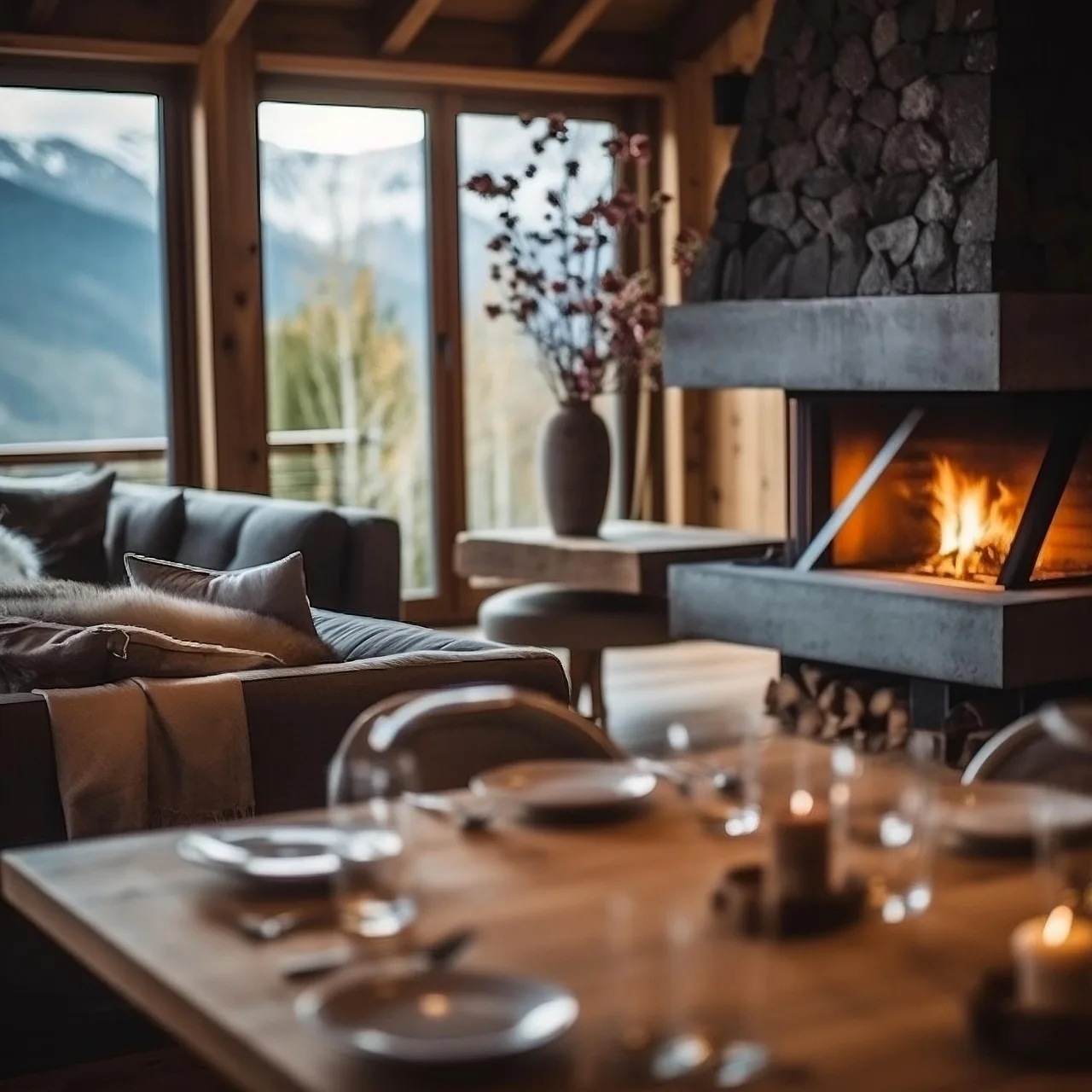


The trade-off is simple: an insert turns more of the fire into usable room heat, while an open fireplace gives up heat for appearance and flame view. The best choice depends on how much heat you want, how your home is laid out, and whether you can support venting, power, and a liner.
| Option | Usable heat | Heat spread | Draft control | Power dependence | Whole-house potential | Installation complexity | Maintenance load | Best-fit home scenario |
|---|---|---|---|---|---|---|---|---|
| Open fireplace | Low; most heat goes up the flue | Poor to fair, mostly the room in front | Weak; often creates drafts | None | Low | Lowest, but still needs safe chimney condition | Moderate to high, depending on fuel and ash cleanup | Homes where atmosphere matters more than heat |
| Wood insert | High; real flame and strong room heat | Fair to good with a blower | Good when properly vented and sized | May need power for blower | Moderate in some layouts, not typical whole-house heat | High; often needs a chimney liner | Higher; ash, loading, and chimney care | Homes with steady wood supply and a masonry fireplace |
| Gas insert | Moderate to high, depending on model and blower | Fair to good in the same room and nearby spaces | Good and easy to control | Often needs power for ignition or blower | Moderate in compact, open layouts | High; gas line and venting matter | Lower than wood | Homes wanting quick, controllable supplemental heat |
| Electric insert | Low to moderate; heat comes from built-in electric heater | Best in the room it sits in | Good for consistent output | Yes | Low | Lowest of the insert types | Low | Homes that want simple supplemental heat and no combustion |
Does a fireplace insert heat better?
Yes. A fireplace insert usually heats better than an open fireplace because it captures and directs more of the fire’s energy into the room instead of sending it straight up the chimney. That usually means better room heating, not reliable whole-house heating.
What a fireplace insert changes
A fireplace insert fits into an existing masonry fireplace and creates a tighter firebox with controlled airflow. Wood, gas, and electric models all aim to move more usable heat into the room, and some include a blower or fan to help circulate that warmth.
That matters because an open fireplace often acts like a heat exhaust. The fire draws indoor air up the chimney, which can leave the space in front of the fireplace warm while nearby rooms feel cooler.
How much heat does an open fireplace really give?
An open fireplace gives off heat, but much of it is lost to the chimney. Typical open fireplaces are only 5-10% efficient, and most open fireplaces convert only about 10-20% of the fire’s heat into usable warmth. In practical terms, that usually means limited room heat and a lot of wasted fuel.
Why heat escapes up the chimney
The fire needs air to burn, so it pulls room air into the firebox and sends that air outside. That moving air carries heat with it. A traditional fireplace can lower the temperature of rooms not directly in front of it, especially when cold outside air is pulled through the house.
Why drafts and stack effect matter
Draft problems get worse in homes with strong stack effect, where warm indoor air rises and leaks out higher levels. That creates negative pressure near the fireplace and can increase the pull up the flue. If the opening is oversized or the chimney drafts poorly, the fireplace can feel colder than expected.
Suppose a room has a large masonry fireplace on one exterior wall and leaky upper floors. The fire may throw heat into the sitting area, but the rest of the room can still feel cool because the fireplace is pulling conditioned air away as fast as it warms the space.
Which fireplace insert type gives the most heat?
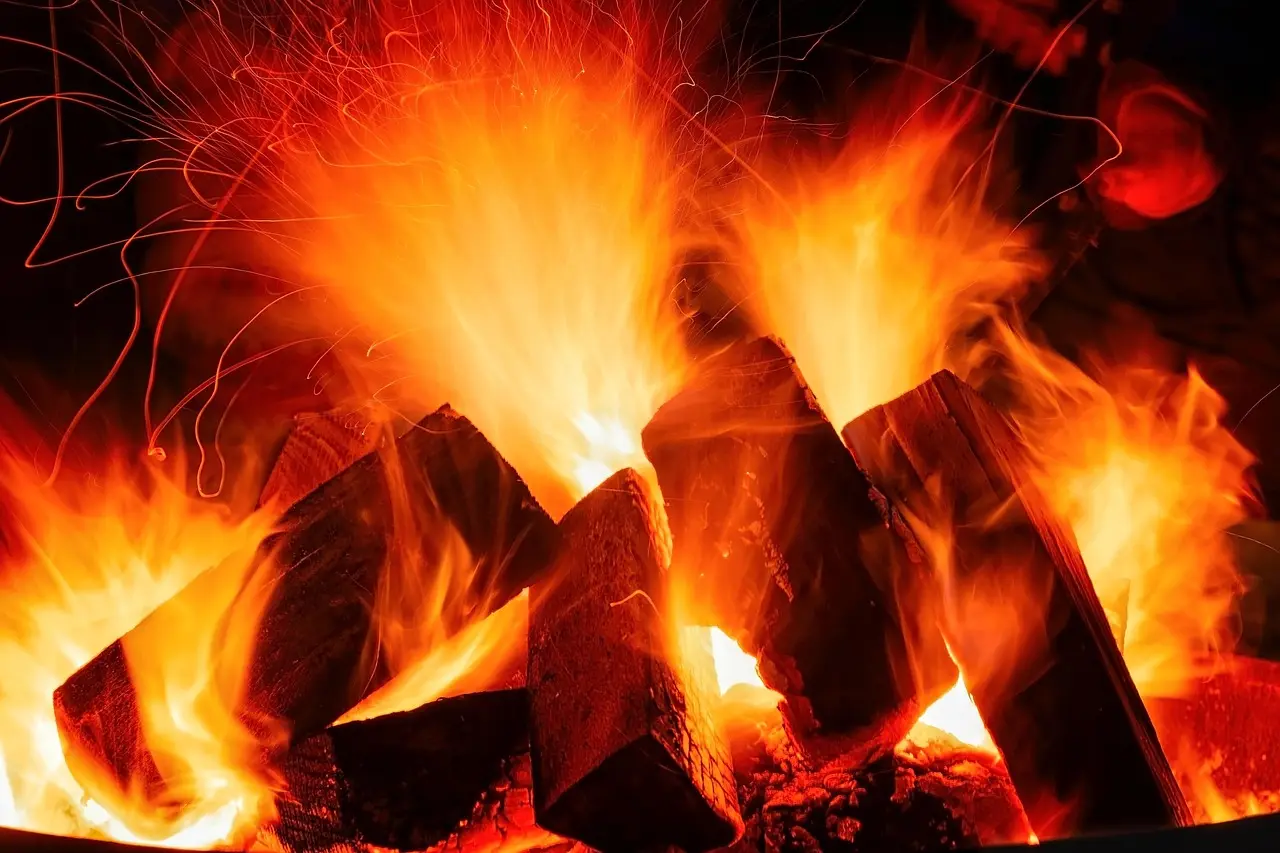
Wood-burning inserts usually give the most raw heat, gas inserts offer the best controlled supplemental heat, and electric inserts are the simplest for light room warming. If you want the strongest heat delivery from fuel, a wood insert usually leads the group.
Wood-burning inserts
Wood-burning inserts make real flame heat and can deliver much more usable warmth than an open fireplace. Modern wood stoves are rated between 60% and 80% efficiency, and modern high-efficiency inserts can reach 80%+ efficiency. Some models are EPA-certified, which matters for emissions and burn control.
Wood-burning fireplaces usually produce about 10,000 to 15,000 BTUs per hour, which helps explain why many open fireplaces feel limited. A wood insert can do far better than that, but exact output depends on the appliance, fuel quality, and how well the chimney system is matched.
Gas fireplace inserts
Gas inserts burn natural gas or propane and usually provide steady, easy-to-control heat. Many include blower assistance, which helps move warm air farther into the room. A direct-vent gas fireplace with a blower might warm about 1,400 square feet, but that does not mean it will heat every corner equally.
Gas is often the cleaner fit for people who want quick startup, less cleanup, and predictable output. It is still a supplemental heat source in most homes.
Electric fireplace inserts
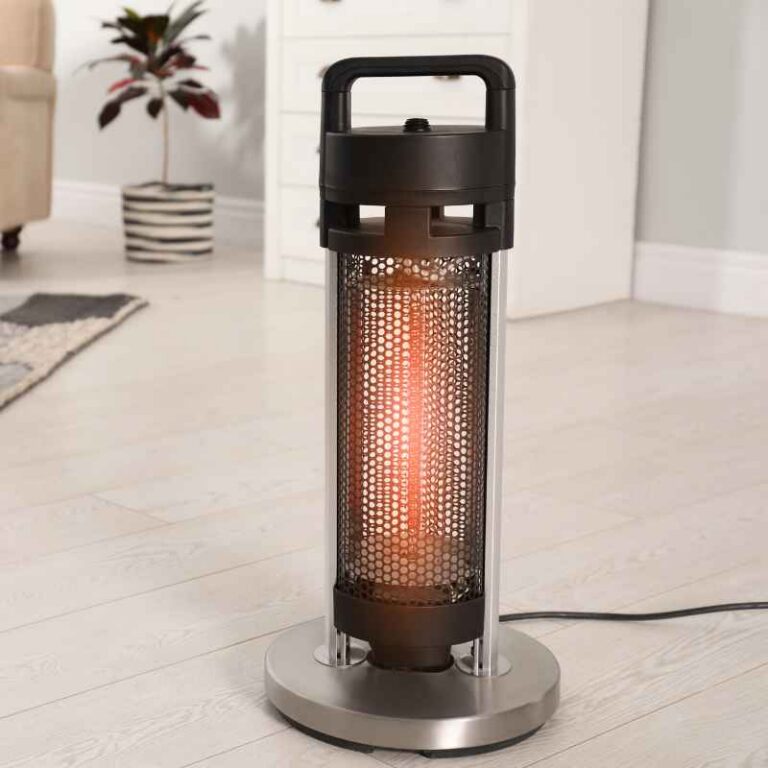
Electric inserts do not have a real flame, but they can still provide heat through a built-in electric heater. They are best for supplemental heating in a single room or for homes where combustion venting is a poor fit. Some plug into an outlet; others are hardwired.
Electric models are usually the easiest to install, but they depend on electricity and generally do not match wood or gas for heating power.
Can a fireplace insert heat more than one room?
Sometimes, but usually only nearby rooms and only in the right layout. An insert can move heat beyond the fireplace room if the plan is open enough, the blower is effective, and doorways let warm air travel. A typical insert is still a zone heater, not a whole-house solution.
What blower fans change
A blower or fan pushes warm air away from the firebox and into the room, which improves perceived heat fast. That matters because still air leaves heat parked at the fireplace face. A blower can make the same BTU output feel much stronger in the room where you sit.
Some gas and wood inserts need electricity for the blower, even if the flame itself does not. If the blower is off, heat spread usually drops.
When layout limits heat spread
Open floor plans help because warm air can drift toward adjoining spaces. Hallways, closed doors, and split levels make heat distribution harder. Limited ducting, tight room layouts, and rooms far from the fireplace all reduce how far the heat travels.
Why BTU output is only part of the answer
BTU output helps compare heating capacity, but it does not guarantee better comfort. Homes typically need 40,000–60,000 BTUs for whole-house heating, while wood-burning fireplaces usually produce about 10,000 to 15,000 BTUs per hour. That is one reason most fireplace setups are best viewed as supplemental heat.
Picture a 1,400-square-foot ranch with an open living room and kitchen. A gas insert with a blower may make the main area comfortable, yet bedrooms down a hall can stay cool because the heat is not moving through ducts or forced-air pathways.
Choose an open fireplace or an insert
Choose an open fireplace if your main goal is atmosphere and you are comfortable with low heat output. Choose a fireplace insert if you want the fireplace opening to contribute meaningful room heat, better draft control, and more predictable comfort. The best insert type depends on fuel, venting, and how much work you want to do.
Choose an open fireplace if…
- You want the look and feel of a traditional fire more than heat delivery.
- Your fireplace is used only occasionally.
- You do not want to modify the chimney, flue, or firebox.
- You accept that most of the heat will leave through the chimney.
Choose a wood insert if…
- You want the most heat from a real flame.
- You have reliable firewood and are willing to handle ash and chimney care.
- Your fireplace can take a proper liner and venting setup.
- You want strong room heat in a main living area.
Choose a gas insert if…
- You want fast startup and easy output control.
- You have, or can add, a gas supply and venting path.
- You want less cleanup than wood.
- You want dependable supplemental heat for a primary room.
Choose an electric insert if…
- You want the simplest installation path.
- You need light supplemental heat without combustion.
- You want minimal maintenance.
- You do not need the highest heat output.
Installation, liner, and power basics
Most insert projects are more than a slide-in swap. A chimney liner is often required, venting has to match the appliance, and some models need electricity for a blower or controls. If those pieces do not fit your house, heat output may look good on paper but underperform in the room.
- Check the existing fireplace. Measure the opening, inspect the chimney, and confirm that the firebox can accept the insert size you want. An oversized opening or damaged flue can make heat delivery and venting less effective.
- Match the liner to the appliance. A chimney liner is often required for inserts. Proper sizing matters for draft and code compliance.
- Confirm fuel and power needs. Wood inserts need firewood and venting. Gas inserts need a gas supply and venting. Electric inserts need an outlet or hardwiring, and gas or wood models may need power for a blower.
- Plan for maintenance. Wood needs ash removal and chimney attention. Gas needs less cleanup, but the burner and vent path still need care. Electric needs the least upkeep, but it still depends on functioning electrical parts.
Typical insert installation cost ranges from $2K–$6K, and the typical ROI timeline for an insert upgrade is 3–7 years. That return depends on how often you use the fireplace, what fuel costs in your area, and whether the insert replaces inefficient open-fireplace use.
Frequently asked questions
Does a fireplace insert heat a house better than an open fireplace?
Yes, but mainly in the room or zone around the fireplace. An insert usually transfers far more heat into the living space than an open fireplace, which tends to lose heat up the chimney. It can improve comfort a lot, but whole-house heating is still uncommon in typical homes.
How much more efficient is a fireplace insert than an open fireplace?
The difference is large. Open fireplaces are typically only 5-10% efficient, while modern high-efficiency inserts can reach 80%+ efficiency. That does not mean room temperature will rise by the same amount, but it does show why inserts usually deliver much more usable heat.
Will an insert reduce drafts from my fireplace?
Often, yes. Inserts generally close off the big open firebox and control airflow better than an open fireplace, which can help reduce cold drafts. The result depends on the chimney condition, liner fit, and whether the installation is sized correctly for the appliance.
What type of fireplace insert gives the most heat?
Wood-burning inserts usually give the most heat from combustion, especially when they are high-efficiency models. Gas inserts are excellent for controlled supplemental heat, and electric inserts are best for lighter heating needs. The strongest choice depends on fuel access, venting, and how much warmth you need.
Do fireplace inserts need electricity to work?
Some do and some do not. Electric inserts need electricity by design. Gas and wood inserts can also need power for a blower, fan, or ignition system. If outage resilience matters, check whether the appliance can still operate without powered accessories.
Sponsored / affiliate links. As an Amazon Associate I earn from qualifying purchases. I may earn additional commission from eligible campaigns.