Do Fireplaces Pull Heat Out of Your House?
A fireplace can warm a room, but an open wood fireplace often sends more heated indoor air up the flue than it returns unless the fire burns hot and the home has enough make-up air. Ignore that airflow, and you can lose heat, push fuel bills up, and cool nearby rooms. This guide explains when a fireplace adds net heat, when it acts like an exhaust, and how layout, venting, and damper settings change the result. If you are comparing options, see our guides to fireplace inserts, chimney draft problems, damper repair, seasoned firewood, wood stoves, and gas vs electric fireplace.
This guide is part of our Space Heaters, Fireplaces and Winter Humidity Guide series.
How open fireplaces can cause heat loss
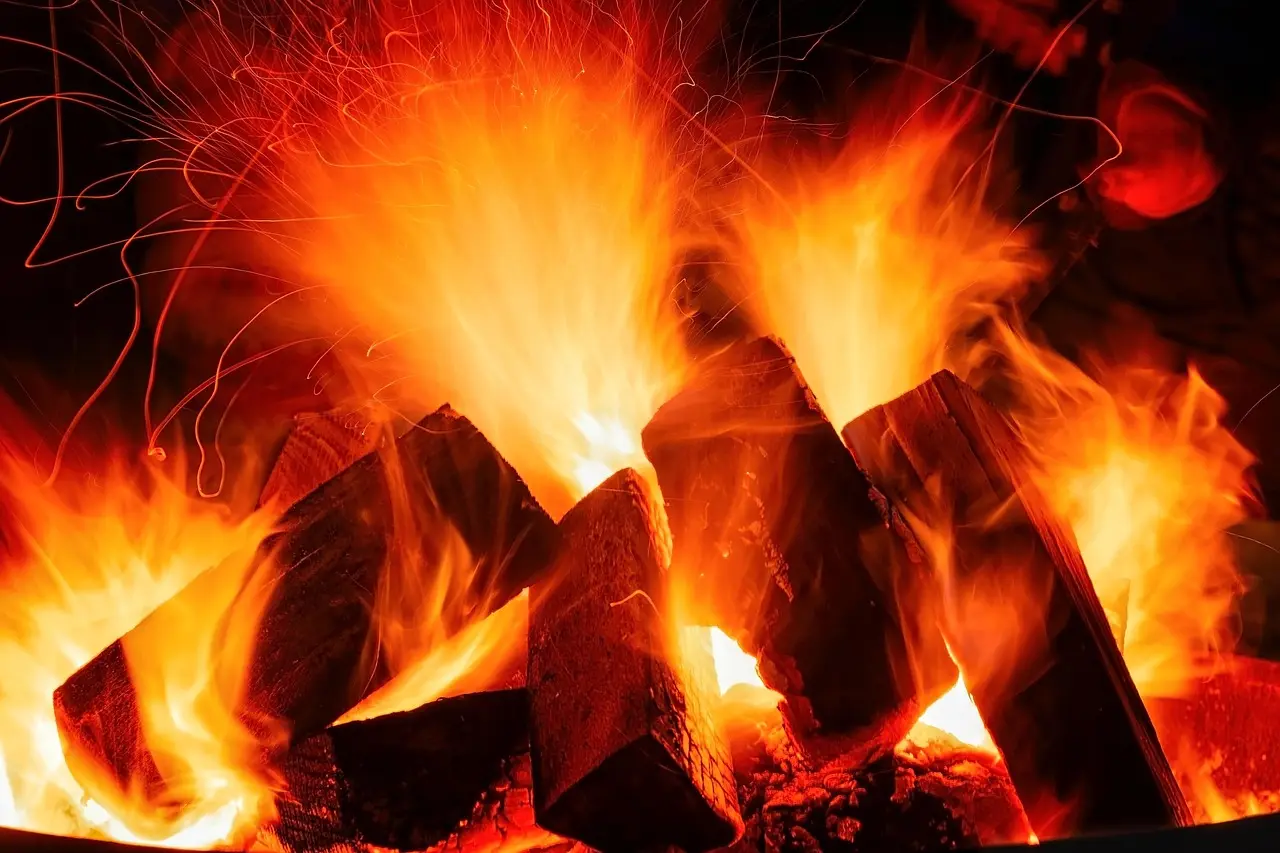


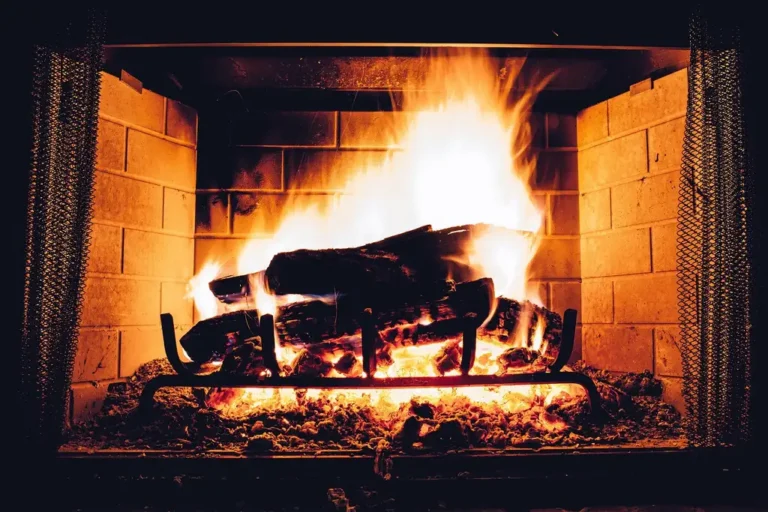
Yes, often they do, especially an open masonry fireplace. The fire gives off radiant heat near the hearth, but the chimney draft can carry warm indoor air out of the house at the same time. If the fireplace is open and the damper does not seal well, the net result can be heat loss instead of heat gain.
What happens to heat when a fire burns
Near the fire, you feel direct radiant warmth. That is local comfort, and it can make one chair or one side of a room feel much warmer. But a fireplace also moves hot gases, smoke, and indoor air upward through the chimney, so the house can lose warmed air even while the hearth area feels pleasant.
The U.S. EPA notes that open fireplaces are typically a poor heating method because much of the fire’s energy goes up the chimney instead of staying in the room. Independent comparison tools commonly describe open fireplaces as very low-efficiency heaters, while traditional open hearths are often cited in the single-digit to low-teens efficiency range. In practical terms, that means the room may feel warm near the fire while the house as a whole loses conditioned air.
Suppose a living room has an open fireplace, a small fire, and a leaky damper. The fire can warm the seating area close to the hearth, yet the chimney keeps drawing indoor air upward. The room may feel better for an hour and worse later, because the fire added local radiant heat but removed more conditioned air than it returned.
How chimney draft changes the balance
Chimney draft moves smoke upward, which is necessary for safe venting. The same draft can also pull heated air from the house. Draft is affected by damper sealing, chimney condition, fire size, and house pressure. If the home is tight, the fireplace may compete with kitchen fans, bath fans, or other exhaust devices for replacement air.
That matters because a fireplace is part heater and part exhaust path. The firebox is open to the room, so room air can flow into the chimney even after the flames die down. In some homes, that airflow creates a steady loss of warm air that is hard to notice until the room starts to feel drafty.
Why does my fireplace make the room colder?
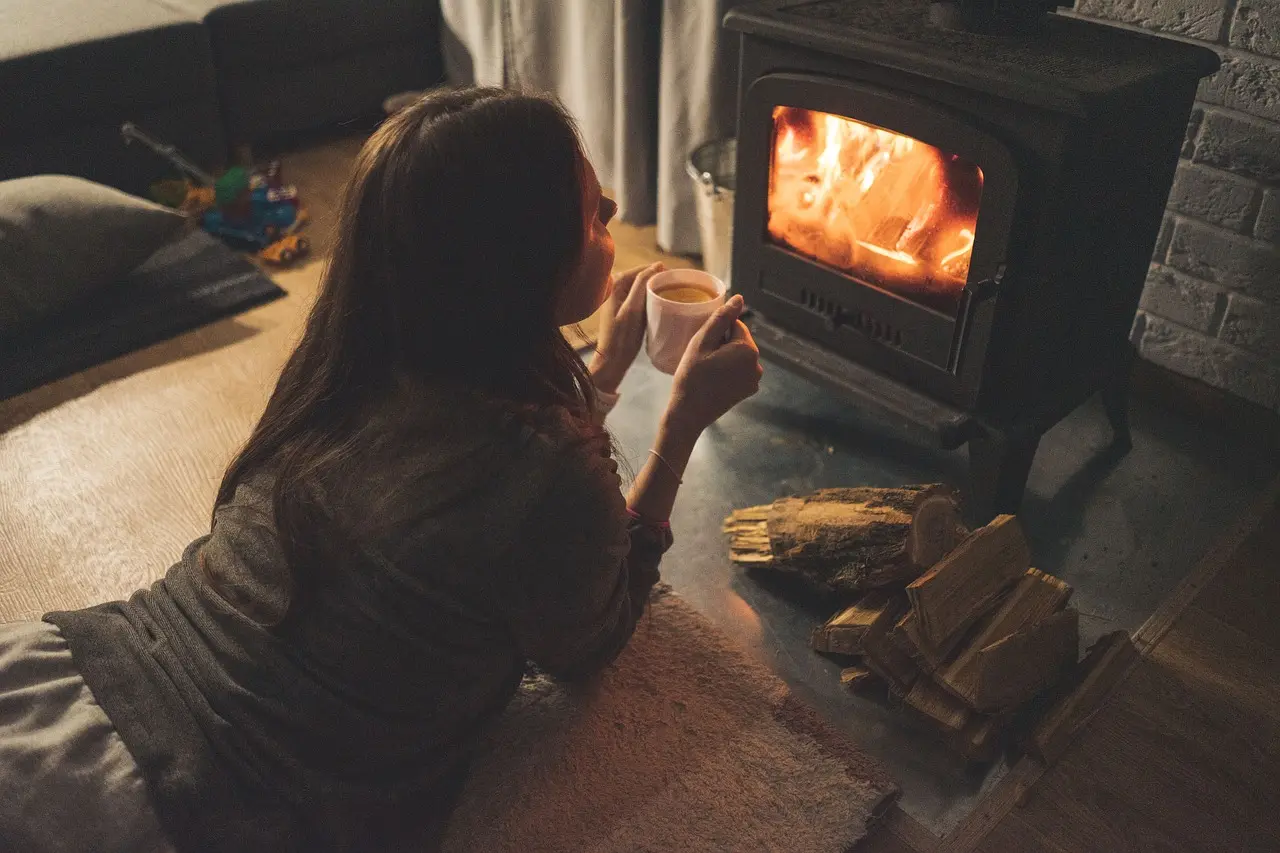
A fireplace can make a room colder when the chimney keeps pulling warm air out, the damper leaks, or outside air slips back down the flue after the fire dies. Tight homes, tall chimneys, and poor return-air paths can make the problem more obvious. The room near the fire may feel warm for a short time, then cooler overall.
Why does heat loss continue after the fire dies?
When flames go out, the chimney can still act like a vertical escape route for indoor air. If the damper is left open, or closes poorly, warm room air moves up and out. That heat loss can continue long after the active fire is gone, which is why a fireplace can feel like it “takes” heat even when it is no longer burning.
How do damper leaks and cold air infiltration cool a room?
The damper should be closed when the fireplace is not in use. If it does not seal, cold outdoor air can enter the room, and heated indoor air can leave. A poor seal can also let the fireplace act like a cold-air chute. That is one reason an apparently unused hearth can still affect comfort on a windy day.
How do tight houses, stack effect, and poor return-air paths affect comfort?
In a tight house, the fireplace may compete with the rest of the building for make-up air. Stack effect can push warm air upward through the house and out at the top while the fireplace pulls air toward the chimney. If there is no good return-air path from nearby rooms, the living room can go warm while the rest of the house feels cooler.
A common first-timer mistake is lighting a fire in a tight, two-story home with the upstairs door open and no air path back to the main level. The living room may feel fine near the hearth, but the upstairs hallway can cool off because the fireplace draft and the home’s pressure balance are pulling air in different directions.
What fireplace type heats best?
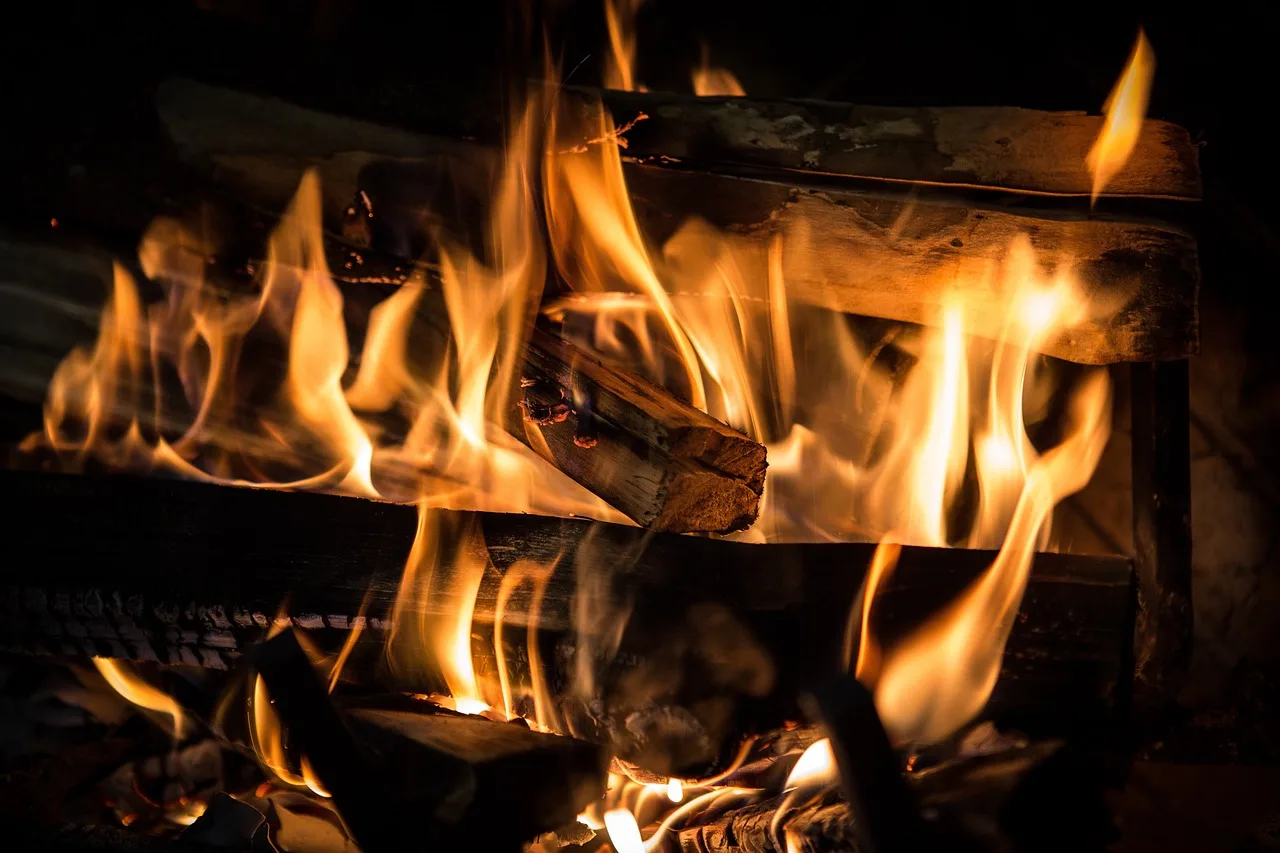
For heat output, enclosed appliances generally perform better than an open masonry fireplace. A wood stove usually gives the strongest room heat because it has an enclosed firebox. Fireplace inserts also improve heat retention because they fit into an existing opening and are sealed. Gas fireplaces and electric fireplaces can still help, but they are usually better for supplemental heat than whole-house heating. Direct-vent gas fireplaces and gas inserts also behave differently from open-vented gas fireplaces: sealed, direct-vent models typically retain and deliver heat more effectively than open-vented units that lose more air up the flue.
| Fireplace type | Combustion type | Draft behavior | Typical efficiency range | Best for | Main tradeoff |
|---|---|---|---|---|---|
| Open masonry fireplace | Open combustion | Strong natural draft; room air can be pulled up the chimney | Often single-digit to low-teens efficiency | Ambiance and short-term zone heat | High chimney losses and draft-related heat loss |
| Fireplace insert | Sealed appliance | Controlled draft with a closed firebox | Usually much higher than an open fireplace | Better supplemental heat from an existing opening | Requires proper sizing and installation |
| Wood stove | Sealed appliance | Controlled combustion and stronger room heat retention | Usually among the highest of the options listed here | Room or zone heating | Needs clearances, fuel handling, and venting |
| Gas fireplace | Vented or ventless, depending on model | Open-vented units lose more heat; direct-vent units retain more | Varies widely by model and venting style | Convenient supplemental heat | Open-vented models are less effective for heating than direct-vent models |
| Electric fireplace | No combustion | No chimney draft needed | Electric resistance heat is effectively 100% at the point of use | Supplemental warmth in rooms without venting needs | Limited to the room and electrical load available |
Why does an open masonry fireplace heat the least?
An open masonry fireplace is usually the weakest heater in this group. It gives off useful radiant heat near the opening, but it also loses a large share of heat up the chimney. The EPA says fireplaces are usually very inefficient heaters, and open fireplaces may perform poorly compared with enclosed appliances.
Why do fireplace inserts heat better?
A fireplace insert fits into the existing fireplace opening and has a sealed firebox. That sealed design keeps more heat in the room and cuts down on uncontrolled draft. Inserts are built to recover far more of the fuel’s heat than an open hearth, which is why they are often a strong upgrade for homeowners who want to keep the fireplace location but improve performance.
Why do wood stoves often heat best?
A wood stove is usually the best choice if the goal is serious heat from solid fuel. The enclosed firebox burns fuel more completely and sends more usable heat into the room. Because it is built as a heating appliance, it is a better fit for room or zone heating than a traditional open fireplace.
Are gas fireplaces good for heating a room?
A gas fireplace can be a useful supplemental heater, but the model matters. Open-vented gas fireplaces behave more like traditional fireplaces in that they send more air and heat up the vent path. Direct-vent gas fireplaces and gas inserts are usually better for heating because they use a sealed combustion path and keep more heat in the room. A blower can improve distribution, but it does not change the underlying venting design.
What does an electric fireplace do differently?
An electric fireplace makes heat through resistance elements, so it does not depend on chimney draft. That makes it predictable and easy to place, but it is still a supplemental heater rather than a whole-house solution. It can warm a room without the draft-related losses that come with an open chimney.
How can I keep heat from escaping up the chimney?
Start with the damper, then check combustion quality and the chimney itself. Close the damper when the fireplace is not in use, burn seasoned firewood so the fire burns cleaner, and inspect the flue, firebox, and seals for leaks. Those three steps do not turn an open fireplace into a high-efficiency heater, but they can reduce avoidable loss.
- Close the damper fully when the fireplace is not in use.
- Check whether the damper seals tightly against the frame.
- Burn seasoned firewood with lower moisture content.
- Keep the firehot enough to reduce smoky, incomplete combustion.
- Inspect the chimney for blockages, damage, or degraded lining.
- Seal visible gaps around the fireplace surround and ash dump.
Why does seasoned firewood matter?
Seasoned firewood burns more efficiently because it contains less moisture. That means more of the fire’s energy goes toward heat, not drying out the wood first. Cleaner combustion can improve heat output and reduce smoke spillage, which helps the chimney draft work the way it should.
Why does chimney condition matter?
A damaged, dirty, or poorly maintained chimney can weaken draft and increase smoke spill. That can leave more soot in the flue, make the fireplace harder to light, and reduce how much useful heat reaches the room. A chimney that drafts badly can also contribute to the feeling that the fireplace is stealing heat instead of adding it.
How do you move fireplace heat around the house?
Use the fireplace as a zone heater, not a whole-house heating plan. A ceiling fan on low speed can help push warm air off the ceiling and back into the occupied part of the room. Open floor plans work better than chopped-up layouts, and a clear return-air path matters more than most people expect.
How can a ceiling fan help move warm air?
A ceiling fan on low speed can help redistribute warm air that rises above the seating area. Set it to move air gently, not blast it downward. The goal is mixing, not wind chill. It works best in open layouts where the warm air has a clear path to spread into adjacent spaces.
How does your floor plan affect heat movement?
A fireplace warms the room it is in first. That is where the strongest comfort boost happens. In a home with stairwells or closed doors, the heat can stay trapped near the hearth while colder air settles elsewhere. In an open layout, the same fireplace can help the adjacent dining or hallway areas feel less chilly.
Picture a den with a fireplace on one end and a wide opening to the kitchen. With the ceiling fan on low and the interior doors open, the warm air can drift farther than it would in a closed room. But if the house is tightly compartmentalized, a fan alone will not move fireplace heat throughout the whole house.
Fireplace heat-loss checklist
This checklist helps you narrow down why a fireplace feels weak, drafty, or cold after use. Match the symptom to the likely cause, then try the first fix before assuming the whole appliance is the problem.
| Symptom | Likely cause | First fix to try |
|---|---|---|
| Cold draft with no fire | Open damper or leaky damper seal | Close the damper fully and inspect the seal |
| Warm room, cold upstairs | Stack effect and weak return-air path | Open a circulation path and use a ceiling fan on low |
| Smoke spills into the room | Weak chimney draft or blocked flue | Check for obstructions and chimney condition |
| Heat disappears after the fire dies | Damper left open or poor sealing | Close the damper as soon as the fire is out and cold |
| Fire is hard to start | Cold flue or poor draft | Warm the flue gently and verify the chimney is clear |
| Room feels drafty near the hearth | Chimney draft pulling indoor air | Reduce other exhaust loads and check damper fit |
| Black soot builds up quickly | Incomplete combustion or wet wood | Switch to seasoned firewood |
| Fire only warms the immediate seating area | Open fireplace and limited heat transfer | Use it as supplemental heat, not whole-house heat |
| Living room cools when the fireplace runs | Negative pressure or excessive chimney draw | Look for competing exhaust fans and air leakage |
| Fireplace feels weak compared with the room size | Oversized firebox or low-efficiency design | Consider an insert or a wood stove |
Frequently asked questions
Can a fireplace be used as supplemental heat?
Yes, and that is the safest way to think about most fireplaces. An open masonry fireplace usually works best as supplemental or zone heat for a single room. A fireplace insert, wood stove, or efficient gas unit can do more, but it still should be matched to the space and the venting system.
Do fireplaces heat a room or the whole house?
Most fireplaces heat a room, not the whole house. An open fireplace gives strong warmth near the fire, but much of the energy escapes up the chimney. A wood stove or properly sized insert can heat a larger zone, yet whole-house heating still depends on layout, insulation, and air movement.
Are gas fireplaces better for heating than wood fireplaces?
Usually, yes. A gas fireplace is generally more efficient than a traditional open wood-burning fireplace, and direct-vent gas models often heat better than open-vented gas fireplaces. Wood fireplaces can still add comfort, but they lose more heat up the chimney and rely heavily on draft, fuel quality, and damper condition.
Sponsored / affiliate links. As an Amazon Associate I earn from qualifying purchases. I may earn additional commission from eligible campaigns.